Planning Your Chicken Coop Design
Designing a chicken coop is a rewarding project that provides your flock with a safe, comfortable, and functional home. Proper planning is the foundation for a successful coop, ensuring it meets the needs of your chickens and fits seamlessly into your backyard. Consider factors like the size of your flock, local climate, and available space. This initial planning stage is crucial for making informed decisions about the coop’s dimensions, features, and materials. Researching various coop designs and gathering inspiration from online resources or books can help you visualize the final product and identify the elements most important to you. Careful planning not only saves time and money but also creates a coop that is a source of pride and enjoyment for years to come.
Choosing the Right Location for Your Coop
The location of your chicken coop significantly impacts the health and well-being of your flock. Choose a spot that provides a balance of sunlight and shade, protecting chickens from extreme temperatures. Ensure the area is well-drained to prevent moisture buildup and potential health problems. Consider the prevailing winds and position the coop to minimize drafts while ensuring adequate ventilation. Proximity to your house is also a factor, as it makes daily chores easier, but be mindful of potential noise and odor issues. A location that offers easy access for maintenance, cleaning, and collecting eggs is ideal. Finally, think about the surrounding environment and how it might impact your chickens’ safety, avoiding areas with heavy predator activity or potential hazards.
Consider Sunlight and Shade

Sunlight and shade are crucial for your chickens’ comfort and health. Direct sunlight helps chickens regulate their body temperature and aids in vitamin D synthesis, but excessive exposure can lead to overheating, especially during summer. Providing shaded areas, such as under trees or incorporating a covered run, is essential. During winter, ensure the coop receives enough sunlight to help with warmth and natural lighting. Consider the path of the sun throughout the year when positioning the coop, optimizing for both warmth in the winter and shade in the summer. This careful balance helps prevent stress and promotes overall well-being.
Accessibility for Maintenance
Accessibility is key when it comes to maintaining your chicken coop. Choose a location that allows easy access for cleaning, collecting eggs, and performing repairs. Ensure you can comfortably move around the coop to perform these tasks. A well-designed coop includes features like doors and access panels that facilitate cleaning and maintenance without requiring you to squeeze into tight spaces. Consider the ground around the coop, making sure it’s stable and easy to navigate, especially during wet or muddy conditions. Proper accessibility makes coop maintenance less of a chore and helps you keep your chickens’ home clean and healthy.
Coop Size and Space Requirements
Determining the appropriate size for your chicken coop is crucial for the health and happiness of your flock. Overcrowding can lead to stress, feather pecking, and the spread of disease. The general rule of thumb is to allow a minimum of 4 square feet of floor space per chicken inside the coop. This ensures enough room for chickens to move around, roost, and feel comfortable. In addition to floor space, consider the size of the run and the outdoor space available for your chickens to forage. Larger breeds require more space than smaller breeds, so factor this into your calculations. Providing adequate space not only improves the chickens’ quality of life but also makes it easier to manage the coop and maintain cleanliness.
Determining Coop Size Based on Flock Size

The number of chickens you plan to keep directly influences the size of your coop. Start by estimating the number of chickens you intend to house. Then, calculate the minimum floor space required, using the recommended 4 square feet per bird. Consider that more space is always better, providing extra room for your chickens to thrive. If you anticipate adding more chickens in the future, it’s wise to build a coop that accommodates your potential flock size. Think about the breed of chickens you choose, because larger breeds will need more room. A well-sized coop promotes good health, reduces stress, and minimizes potential problems.
Space Allocation Inside the Coop
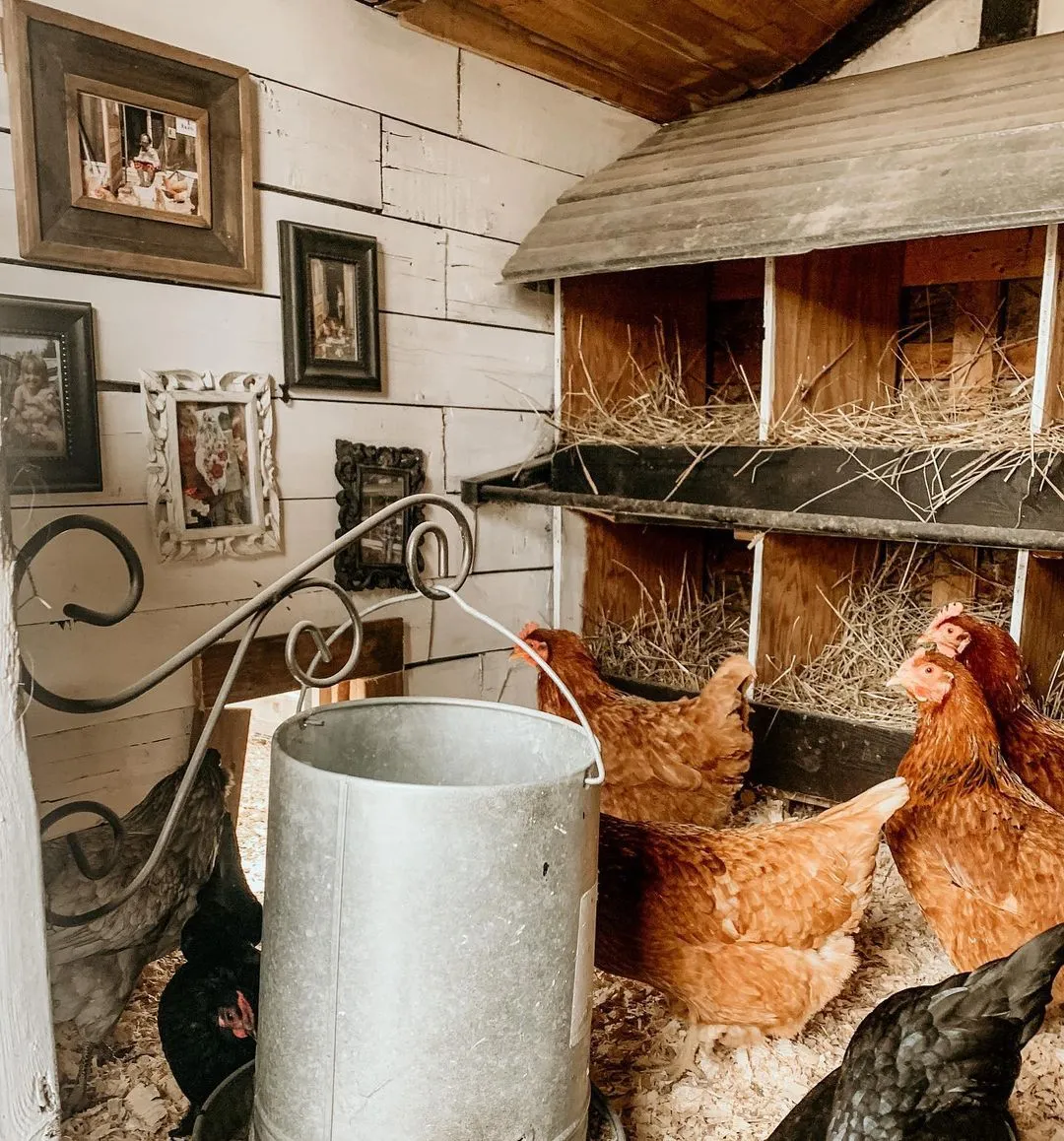
Efficient space allocation inside the coop is as important as the overall size. Plan for essential features like nesting boxes, roosting bars, and a designated area for food and water. Nesting boxes should be easily accessible and located in a quiet, sheltered area to encourage hens to lay eggs. Roosting bars, placed at a comfortable height, provide a place for chickens to sleep and rest at night. Ensure there is enough space around these features to allow chickens to move freely and avoid overcrowding. Consider the placement of feeders and waterers to prevent contamination from droppings. A well-organized coop interior makes the chickens more comfortable and makes it easier to keep the coop clean and organized.
Essential Features for Your Chicken Coop
Certain features are essential for creating a safe, comfortable, and functional chicken coop. These elements are key to ensuring the health and happiness of your flock. Focus on providing the right environment for your chickens to thrive. The inclusion of these features will significantly enhance the overall effectiveness of your coop, making chicken keeping a more enjoyable experience.
Nesting Boxes Design and Placement

Nesting boxes are a crucial component of any chicken coop, providing a private and comfortable space for hens to lay eggs. Design your nesting boxes to be easily accessible for collecting eggs, and make sure there’s enough space for the chickens to move around and nest comfortably. Consider the size and number of nesting boxes based on your flock size; a general rule is one nesting box for every 3-4 hens. Place nesting boxes in a quiet, shaded, and slightly elevated location within the coop to encourage hens to use them. Line the boxes with soft, clean bedding material, such as straw or wood shavings, and ensure the boxes are easy to clean and maintain. Good nesting box design contributes to cleaner eggs and happier hens.
Roosting Bars Design and Placement
Roosting bars provide a safe and comfortable place for chickens to sleep at night. Design roosting bars that are the correct height to ensure the chickens don’t injure their legs. Provide enough roosting space for all your chickens, allowing about 8-12 inches of roosting space per bird. Place the roosting bars away from walls and nesting boxes to prevent droppings from contaminating eggs or nesting areas. The placement of the roosting bars and spacing is important. Also, ensure the roosting bars are easily removable for cleaning. Proper roosting bar design promotes good sleep and reduces stress for your flock.
Ventilation Systems to Regulate Airflow
Proper ventilation is essential for maintaining a healthy environment inside the coop. Good ventilation removes moisture, ammonia, and other harmful gases, reducing the risk of respiratory illnesses. Design your coop with vents located high on the walls or near the roof to allow warm, moist air to escape. Avoid placing vents where they can create drafts directly on the chickens. Consider adding a ridge vent or a cupola to improve airflow. The size and placement of vents will depend on your coop’s size and the local climate. Good ventilation helps prevent the build-up of harmful gases and keeps your chickens healthy.
Flooring Options for Durability and Cleanliness

Choosing the right flooring for your chicken coop impacts durability and cleanliness. Common options include wood, concrete, and various types of liners. Concrete floors are durable and easy to clean but can be cold. Wood floors provide better insulation but can be difficult to clean and susceptible to moisture damage. Liners, such as rubber mats or removable trays, make cleaning easier but may require more frequent replacement. Consider factors like cost, ease of cleaning, and the climate when deciding on flooring. Select a flooring material that supports easy cleaning, which is crucial for maintaining a healthy environment for your chickens and controlling odors.
Coop Materials and Construction
Selecting the right materials for your chicken coop is important for its longevity, security, and effectiveness. Choose materials that are durable, weather-resistant, and safe for chickens. Consider factors like the climate in your area and the availability of materials. Proper construction techniques are essential for ensuring the coop’s structural integrity and preventing predator access. Using high-quality materials and following construction guidelines helps create a coop that will last for years and keep your chickens safe and comfortable.
Choosing the Right Wood for Your Coop
Wood is a common choice for chicken coop construction, but not all types of wood are equally suitable. Opt for durable, weather-resistant wood like cedar, redwood, or treated lumber. These woods resist rot, insect infestation, and can withstand the elements. Avoid using wood treated with chemicals that could be toxic to chickens. Pressure-treated lumber is generally safe once it has dried and cured. When selecting wood, consider factors like cost, availability, and the ease of working with the material. Choosing the right wood is critical for building a sturdy and long-lasting coop.
Predator-Proofing Your Chicken Coop

Protecting your chickens from predators is one of the most crucial aspects of coop design. Predators can range from foxes and raccoons to hawks and snakes. A well-designed coop incorporates several measures to deter predators and keep your chickens safe. Predator-proofing involves securing all access points, using sturdy materials, and implementing features that prevent animals from entering the coop. This proactive approach ensures the safety of your flock and gives you peace of mind. Prioritizing predator-proofing helps you keep your chickens safe from harm.
Securing the Coop Against Digging Predators
Digging predators, like foxes, raccoons, and coyotes, can easily access a coop if the foundation is not properly secured. Burying hardware cloth or wire mesh around the perimeter of the coop is an effective preventative measure. Extend the wire outward from the base of the coop, forming an apron buried a few inches below the surface, to deter digging. Consider using a concrete foundation or placing a layer of gravel around the coop to discourage digging. Regularly inspect the perimeter for any signs of digging or potential entry points. Addressing these vulnerabilities will significantly improve your coop’s predator resistance.
Securing the Coop Against Aerial Predators
Aerial predators, such as hawks and owls, pose a threat to chickens, especially during daylight hours. Ensure the coop and run are fully enclosed with sturdy wire mesh or hardware cloth. The mesh should be securely attached to the frame of the coop and run. Consider adding a solid roof to the run to provide additional protection. Regularly inspect the mesh for any holes or weaknesses, repairing them promptly. Covering the run with netting or a solid roof structure will help protect your chickens from attacks from above, ensuring their safety and security.
Interior Design and Decorating Ideas

Designing the interior of your chicken coop is not just about functionality; it’s also about creating a comfortable and enriching environment for your chickens. Incorporating thoughtful design elements can improve your chickens’ well-being, reduce stress, and make the coop more visually appealing. Consider a range of elements to enhance the space. Creating an environment your chickens will enjoy adds to the overall enjoyment of backyard chicken keeping.
Creating a Comfortable Environment
A comfortable environment is essential for happy and healthy chickens. Provide adequate insulation to protect them from extreme temperatures. In colder climates, insulate the coop walls and roof to retain heat. In hot climates, ensure proper ventilation and shade to keep the coop cool. Use appropriate bedding materials, such as straw, wood shavings, or hemp bedding, to provide a soft and absorbent surface. Keep the coop clean and dry to minimize the risk of disease. Consider using a thermometer and a hygrometer to monitor the temperature and humidity levels inside the coop, adjusting conditions as necessary. A comfortable environment reduces stress and contributes to the overall health of your flock.
Adding Enrichment Activities for Chickens
Chickens can quickly become bored, which can lead to behavioral issues like feather pecking and aggression. Enriching the coop environment with various activities can help keep your chickens entertained and stimulated. Provide perches, swings, and climbing structures to allow them to express natural behaviors. Offer toys such as treat balls, pecking blocks, or hanging vegetables. Scatter scratch grains or mealworms on the floor to encourage foraging. Change the enrichment items regularly to prevent chickens from becoming bored. Enrichment activities help to reduce stress, improve mental well-being, and keep your chickens active and engaged.
Ensuring Proper Ventilation and Lighting
Proper ventilation and lighting are critical aspects of a well-designed coop. Good ventilation prevents the build-up of ammonia and moisture, keeping the air fresh and healthy. Natural lighting is also important for chickens. Ensure that the coop has adequate windows or openings to allow natural light to enter, which is essential for egg production. Avoid direct drafts, and consider providing supplemental lighting during winter months when daylight hours are limited, but do so carefully, as excessive lighting can be harmful. Adequate ventilation and lighting promote the health and productivity of your chickens.
Maintenance and Cleaning Your Coop
Regular maintenance and cleaning are essential for keeping your chicken coop in top condition and ensuring the health of your flock. Proper maintenance includes routine cleaning, inspections, and repairs. Establish a consistent maintenance schedule to prevent problems and maintain a hygienic environment. A well-maintained coop contributes to the health and longevity of your chickens and makes chicken keeping a more enjoyable experience.
Regular Cleaning Schedules and Practices
Establish a cleaning schedule that fits your needs. Daily spot cleaning is recommended to remove droppings and soiled bedding. Weekly, clean out the nesting boxes and replace the bedding, and rake the run. Monthly, perform a thorough cleaning of the entire coop, removing all bedding, scrubbing the floors and walls with a poultry-safe disinfectant, and allowing it to dry completely before adding fresh bedding. Dispose of old bedding properly, such as in a compost pile. Following a consistent cleaning schedule helps to prevent the build-up of bacteria and parasites, ensuring a healthy environment for your chickens.
Pest Control and Prevention in the Coop
Pest control is a crucial aspect of coop maintenance. Regularly inspect the coop for signs of pests such as mites, lice, and rodents. Use natural methods to deter pests, such as sprinkling diatomaceous earth (DE) in nesting boxes and around the coop. Ensure the coop is well-sealed to prevent pests from entering. Clean up spilled feed and keep the area around the coop free of debris to avoid attracting rodents. Maintain a clean environment, and address any pest issues promptly. Regular pest control helps to prevent health problems and protects your chickens from discomfort.
Building a well-designed chicken coop is a rewarding project that offers numerous benefits, from providing a safe and comfortable home for your chickens to enhancing your backyard. By carefully planning the design, considering the location, and selecting appropriate materials, you can create a coop that meets the needs of your flock and provides years of enjoyment. Remember to prioritize predator-proofing, ensure proper ventilation and lighting, and establish a regular maintenance schedule. With the right approach, building a chicken coop is an achievable goal. Your flock will thrive in their new home, and you’ll enjoy the added benefit of fresh eggs and the satisfaction of raising chickens. By incorporating these ideas and best practices, you’re well on your way to creating the perfect coop. Happy building!