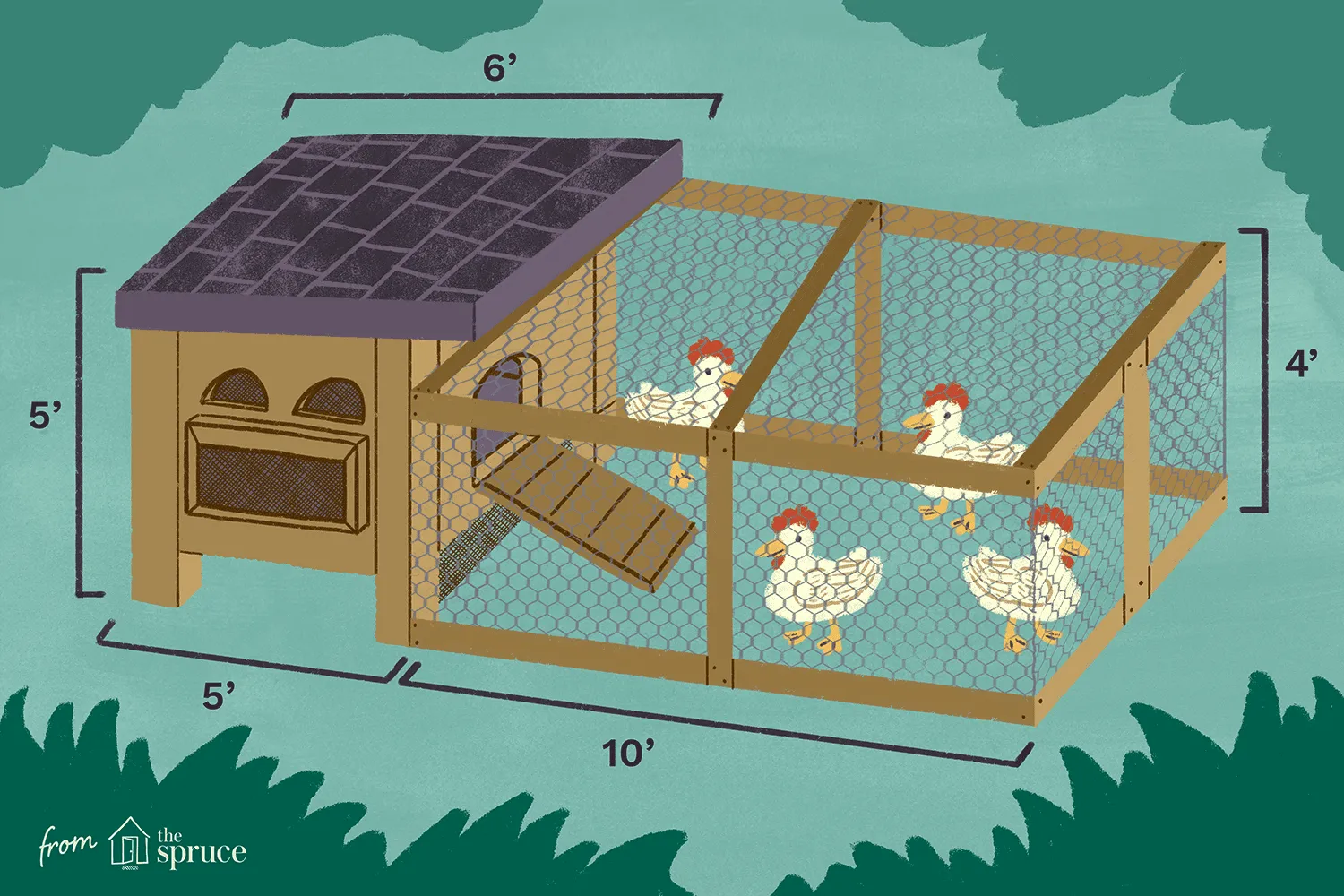
Planning Your Chicken Coop Design
Designing a chicken coop is an exciting project, whether you are a seasoned DIY enthusiast or a complete beginner. A well-designed coop provides a safe, comfortable, and healthy environment for your chickens, protecting them from predators and the elements while allowing them to thrive. Before you even pick up a hammer, careful planning is essential. This guide will take you through the essential steps to create a functional and aesthetically pleasing chicken coop design that suits your needs and your chickens’ well-being. Thorough planning ensures you consider all the necessary factors for a successful coop build and happy, healthy hens.
Determine Your Needs
Before diving into the specifics of the design, take time to assess your needs. This crucial step involves considering several factors that will directly impact the size, layout, and features of your coop. Understanding these elements beforehand will prevent costly mistakes and ensure your chickens’ needs are met. This preliminary assessment will help you avoid common pitfalls and build a coop that is both practical and beneficial for your flock. Remember that a well-planned coop will serve you and your chickens well for years to come.
Flock Size

The number of chickens you plan to keep is the most fundamental aspect of your coop design. A good rule of thumb is to provide at least 4 square feet of space per chicken inside the coop and 8-10 square feet per bird in the run. Overcrowding leads to stress, disease, and behavioral problems like feather pecking and aggression. As a general guide, plan for more space than you think you need. More space will result in happier and healthier chickens. Remember that the flock size can change over time, so it is best to build with some future growth in mind. For example, if you are planning on starting with 3 chickens, design your coop for at least 4 or 5.
Local Regulations
Check your local ordinances and homeowner’s association (HOA) guidelines before you begin. Many areas have restrictions on the number of chickens allowed, coop size, and the distance the coop must be from property lines. Some areas may also require permits for building a chicken coop. Failing to comply with these regulations can result in fines or, worse, the forced removal of your coop. Thoroughly research the specific rules in your area to ensure you design a coop that meets all legal requirements. Contact your local government for precise regulations and any necessary permits.
Available Space
Evaluate the space you have available in your yard. Consider the footprint of the coop and run, as well as the surrounding area. Ensure there is enough space for your chickens to roam and forage safely, and also for you to comfortably access the coop for cleaning and maintenance. The location should allow for adequate sunlight and shade, and proper ventilation. Remember to account for future expansion if you plan on adding more chickens. A well-planned use of your available space will result in a coop that fits well within your backyard and meets all of your needs.
Choosing the Right Location

The location of your chicken coop is just as important as the design itself. The right spot enhances your chickens’ well-being and makes coop maintenance much easier for you. A strategic location protects the birds from the elements, predators, and other environmental hazards. Considering these elements will contribute to a functional and secure coop design.
Sun and Shade
Chickens need both sun and shade. Direct sunlight helps chickens produce vitamin D, which is crucial for their health. However, excessive exposure to the sun can lead to overheating, particularly in warmer climates. Choose a location that receives morning sun, providing warmth, and offers shade during the hottest part of the day. This balance can be achieved by situating the coop near trees, using shade cloth, or designing the coop with a covered run. Consider the sun’s path throughout the year when selecting the best location to make sure your chickens are comfortable in all seasons.
Predator Protection
Predator protection is a primary concern when designing a chicken coop. Common predators include foxes, raccoons, hawks, dogs, and even rats. Choose a location that offers natural deterrents like fencing or is easily secured. Ensure the coop and run are constructed with sturdy materials and secure hardware cloth or wire mesh, rather than chicken wire, to prevent predators from entering. Bury the wire mesh around the perimeter of the run to prevent digging predators from getting under the coop. Consider the predator risks specific to your area and design your coop with these threats in mind. Regular checks and maintenance will keep your chickens safe.
Accessibility

Choose a location that is easily accessible for you. This will make it easier to perform daily chores like feeding, watering, and cleaning the coop. The location should be accessible in all weather conditions. Consider the proximity to your house for convenience. If you live in a snowy climate, make sure the path to the coop is easily cleared. A well-placed coop will save you time and effort while encouraging you to maintain a clean and healthy environment for your chickens. Ensure you have ample space around the coop for comfortable access to all areas of the structure.
Coop Design Essentials
After you have determined your needs and chosen a location, it is time to focus on the essential design elements of the chicken coop. These elements ensure the safety, comfort, and health of your chickens. Understanding the importance of these features will help you create a coop that functions properly and makes your chickens happy. These key components play an important role in the overall success of your coop.
Size and Space Requirements
Provide enough space is one of the most important considerations in coop design. Chickens need enough room to move around freely, roost, nest, and avoid overcrowding. As mentioned, allow for at least 4 square feet of indoor space per bird and 8-10 square feet in the run. The size of the coop will also be determined by the number of chickens you plan to keep. Make sure your coop isn’t too small. A coop that is too small can cause a range of issues, from stress and aggression to poor air circulation and increased health problems. Proper sizing is the foundation of a well-designed coop.
Nesting Boxes

Nesting boxes are essential for egg-laying hens. Provide one nesting box for every 3-4 hens. The boxes should be in a quiet, sheltered, and easily accessible location. They should be elevated off the floor to provide some security for the hens. Boxes should be approximately 12x12 inches and lined with soft, clean bedding like straw, wood shavings, or pine needles. Make sure the boxes are big enough for the hens to comfortably turn around. Ensure easy access to the nesting boxes for egg collection. Check the boxes regularly for cleanliness and to remove any broken eggs. Having enough nesting boxes makes a good design for egg-laying chickens.
Roosting Bars
Roosting bars provide a place for chickens to sleep at night. They should be placed inside the coop, away from drafts, and elevated off the floor. The bars should be made of sturdy, smooth material, such as rounded wooden beams or branches. Aim for about 8-12 inches of roosting space per chicken. The bars should be wide enough for the chickens to grip comfortably. Position the roosting bars at different heights if you have hens of varying sizes. Place the roosting bars away from the nesting boxes to prevent the chickens from pooping in them at night. Proper roosting bars can contribute to the chickens’ comfort and health.
Ventilation
Adequate ventilation is crucial for a healthy coop. It prevents the build-up of ammonia from chicken droppings, which can cause respiratory problems. Ventilation also regulates the temperature and reduces moisture. Provide both upper and lower ventilation to ensure good air circulation. Upper ventilation, like vents near the roof, allows warm, moist air to escape. Lower ventilation, such as vents near the floor, allows fresh air to enter. Avoid drafts, as these can chill the chickens. Protect vents with wire mesh to prevent predators from entering. Proper ventilation is essential for the well-being of your chickens.
Material Selection

The materials you choose for your chicken coop determine its durability, safety, and aesthetics. Selecting the right materials is essential for building a coop that lasts and provides a comfortable and secure home for your chickens. This process involves considering the pros and cons of different materials and choosing the options that best suit your specific needs and budget. Using appropriate materials will ensure your coop stands up to the elements and protects your flock.
Wood Options
Wood is a common and popular choice for coop construction due to its versatility and ease of use. Untreated wood is generally safe for chickens and can be painted or stained to match your aesthetic. Consider using rot-resistant wood like cedar or redwood. However, ensure any wood you choose is free of splinters. Avoid treated lumber, as it can contain harmful chemicals. Consider the climate and weather in your area when choosing wood. Wood is a classic choice, but requires regular maintenance to ensure longevity.
Metal and Other Materials
Metal, such as corrugated steel or sheet metal, can be used for roofing and siding, offering excellent weather protection. Metal is durable and requires minimal maintenance, but can become very hot in direct sunlight. Use hardware cloth made of galvanized steel for the run and to cover any vents. This will provide excellent predator protection. Other materials include plastic, which can be used for some coop components, and composite materials. The choice of material should be based on the needs and budget of the builder.
Building Your Chicken Coop

Once you have planned your coop, it’s time to start building. While you can always purchase a pre-made coop, building your own allows for customization. With proper planning and the right tools, you can create a chicken coop that will keep your hens safe and happy. The building process involves several stages, each with its own set of tasks and considerations. Following a step-by-step approach will help you build your coop efficiently and accurately.
Foundation and Framing
Start with a solid foundation, which can be made from concrete, gravel, or even a frame of treated lumber. Level the ground to ensure a stable base. Build the frame using sturdy lumber, ensuring all corners are square. The framing provides the basic structure of the coop. Add supports for the walls, roof, and floor. Ensure the framing is correctly sized and spaced according to your design plans. Take care to construct the frame in a way that prevents drafts and provides structural integrity. Proper framing is critical to the coop’s overall strength and longevity.
Walls, Roof, and Doors
Once the frame is built, it’s time to add the walls, roof, and doors. Cover the walls with your chosen material, such as wood siding or metal sheeting. Install the roof, ensuring proper overhang to protect the coop from the elements. Construct the doors and ensure they close securely, protecting the chickens from predators. Add windows for light and ventilation. Install the doors and windows with appropriate hinges and latches. Make sure all materials are securely attached to the frame. The correct installation of walls, roof, and doors ensures the coop is weather-resistant and provides a secure environment for the chickens.
Flooring Options
There are several flooring options. Some common choices include wood, concrete, or a combination of materials. If using wood, ensure it is sealed or treated to prevent moisture damage. Concrete flooring is durable and easy to clean. Consider raising the floor off the ground to prevent moisture from wicking up. Make sure the flooring is easy to clean. Also, a properly constructed floor keeps the coop clean and healthy for your chickens.
Adding Amenities
After the structural components are in place, you can add the amenities that will make your coop functional and comfortable for your chickens. Amenities help with the chickens’ well-being. These features enhance the chickens’ quality of life.
Run Design
The run provides a safe outdoor space for your chickens. Enclose the run with hardware cloth or wire mesh attached to a sturdy frame. Bury the wire mesh several inches underground to prevent predators from digging under. The run should be large enough for your chickens to roam freely. Consider adding features like shade cloth for protection from the sun, and a dust bath area where the chickens can clean themselves. Making sure that the run is secure and predator-proof should be the primary goal in run design.
Water and Feed Systems
Provide easy access to clean water and food. Use water containers that are easy to clean and refill. Place the water and feeders away from the roosting area to prevent contamination. Consider using a gravity-fed feeder to reduce waste. Clean the feeders and waterers regularly to prevent the spread of disease. Ensure the feed is stored in a dry and pest-proof container. Well-designed water and feed systems are essential for keeping your chickens healthy.
Cleaning and Maintenance
Regular cleaning and maintenance are essential for keeping your chicken coop clean, healthy, and functional. Proper maintenance protects the chickens and extends the life of the coop. Creating a regular cleaning schedule will also make the task easier. Regular maintenance ensures that your chickens remain happy and productive.
Daily Tasks
Daily tasks include checking and refilling food and water, collecting eggs, and spot-cleaning any soiled areas. Remove any wet or soiled bedding. Inspect the coop for signs of pests or predators. Close the coop door securely at night to protect the chickens. These daily tasks take only a few minutes each day, but make a huge difference in your flock’s health and happiness.
Deep Litter Method
The deep litter method is a composting method that involves layering bedding material over time. This method reduces the frequency of full coop cleanouts and provides a healthy environment for your chickens. Start with a base layer of absorbent material like wood shavings or straw. Add fresh bedding regularly. Turn the litter periodically to aerate it. The deep litter method helps decompose chicken waste, which reduces odors and creates a healthy environment.
Seasonal Considerations
Consider seasonal changes when maintaining your coop. You will need to adapt your coop management practices to the changing weather conditions. Taking the appropriate actions during each season keeps your chickens healthy and comfortable.
Conclusion
Designing and building a chicken coop is a rewarding project that offers numerous benefits. By following the guidelines and incorporating these tips, you can create a safe, comfortable, and efficient home for your chickens. Remember to prioritize the needs of your chickens. Careful planning, thoughtful design, and diligent maintenance will result in a thriving flock and years of enjoyment. Now, get started on the project and look forward to having a healthy and happy flock.