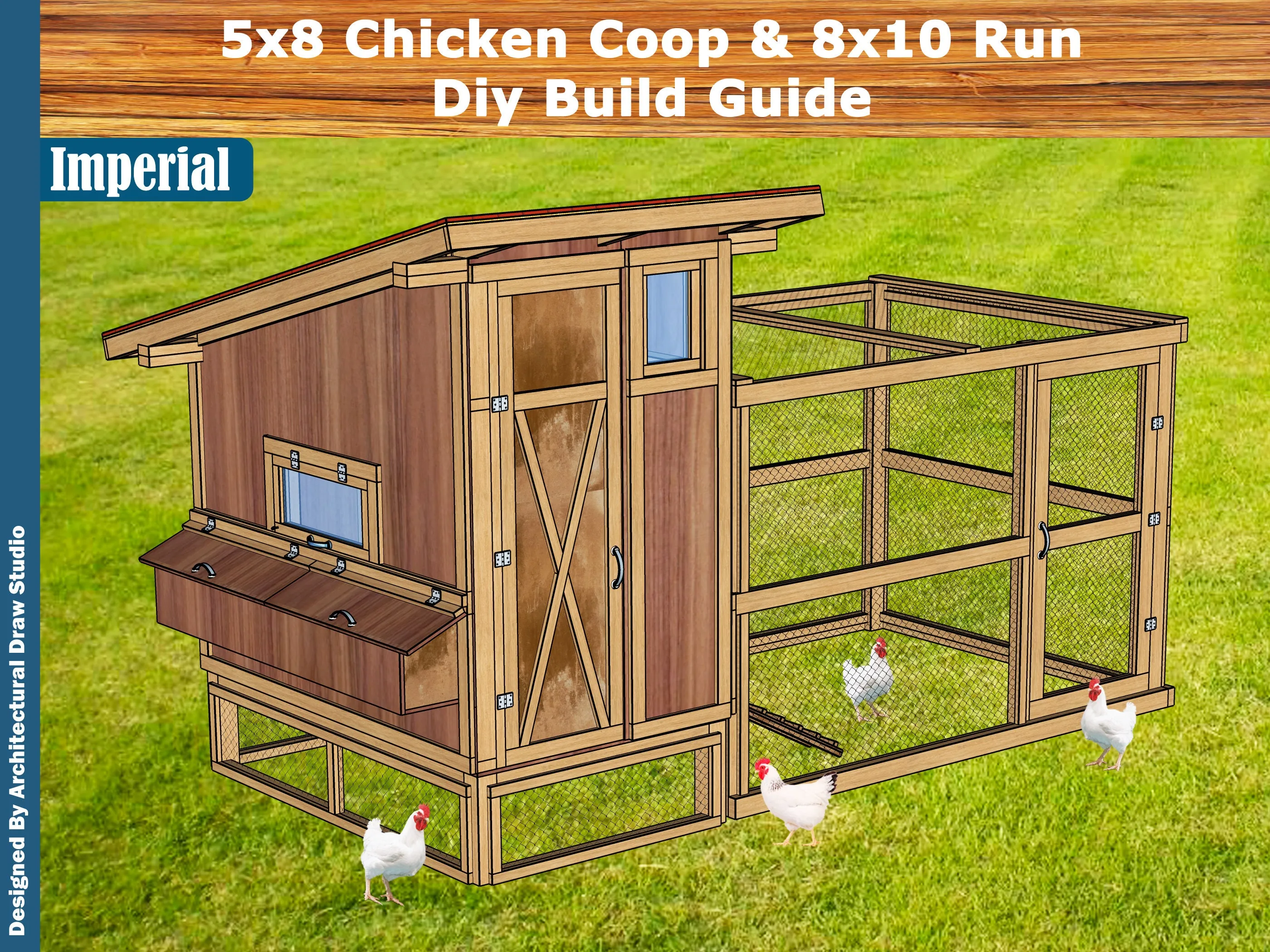
Planning Your Chicken Coop Design
Embarking on a chicken coop design project can be incredibly rewarding, providing fresh eggs and a connection to nature. However, a well-planned coop is essential for the health, safety, and happiness of your chickens. This guide is crafted specifically for beginners, breaking down the process into manageable steps to ensure success. Careful planning will save you time, money, and potential headaches down the road. It is important to consider the practicalities of chicken keeping to ensure you can properly care for your flock. This planning phase should involve thinking through all of the details from the start. Consider your location, how many chickens you want to keep, and the overall aesthetic of your coop.
Choosing the Right Location
The location of your chicken coop is crucial for both your convenience and the chickens’ well-being. A good location offers protection from the elements, easy access for cleaning and maintenance, and is situated away from potential nuisances. Consider the sun and shade, prevailing winds, and proximity to your house. The ideal spot provides a balance of sunlight and shade throughout the day, especially during the hottest months. Ensure the area is well-drained to prevent water accumulation and reduce the risk of disease. Make sure to have enough space to accommodate the coop and run comfortably.
Assessing Your Space

Before you finalize your design, carefully assess the space available in your backyard. Measure the area where you plan to build the coop and run, taking into account any obstacles like trees, gardens, or underground utilities. Consider the slope of the land and how it might affect drainage. Ensure there is enough room for you to comfortably move around the coop for cleaning and maintenance. Visualize how the coop will fit within the landscape and how it will impact your overall backyard design. This assessment helps you determine the maximum size of the coop and run and ensures your chickens have adequate space to thrive.
Considering Local Regulations
Before you begin construction, research local ordinances and homeowner association (HOA) rules regarding chicken keeping. Many areas have specific regulations about coop size, setbacks from property lines, and the number of chickens allowed. You may need to obtain a permit before building the coop. Familiarizing yourself with these regulations early in the planning process will help you avoid potential fines or the need to modify your design later. Contact your local government or HOA for detailed information on the specific requirements in your area.
Selecting the Right Size for Your Flock
The size of your chicken coop directly impacts the health and happiness of your flock. Overcrowding can lead to stress, disease, and behavioral issues such as pecking. Generally, aim for at least 4 square feet of floor space per chicken inside the coop. For the run, provide a minimum of 8-10 square feet per chicken, although more space is always better. Consider how many chickens you plan to keep and allow for future growth. It’s always better to build a slightly larger coop than you think you need, as this provides flexibility and comfort for your chickens.
Determining Coop Size based on Breed

Different chicken breeds have varying sizes and space requirements. Larger breeds like Orpingtons or Brahmas will need more space than smaller breeds like Bantams. Research the specific needs of the breeds you plan to keep. Consider the amount of time your chickens will spend in the coop versus the run. If they will have limited access to the run due to weather or other factors, provide more space within the coop. This ensures that all of your birds have enough space for comfort and also to avoid any stress among them. Proper planning will help you provide a healthy and stimulating environment for your chickens.
Allowing for Future Growth
When determining your coop size, plan for potential future growth. You may start with a small flock, but the appeal of fresh eggs often leads to adding more chickens later on. Build a coop that can comfortably accommodate a few additional chickens without overcrowding. Consider the possibility of adding more breeds or expanding your flock over time. Designing a coop that can adapt to your changing needs will save you the hassle of having to build a new one. This forward-thinking approach will ensure your chickens always have adequate space and resources.
Essential Design Features
Once you have determined the location and size of your coop, it’s time to consider the essential design features. These include the structure and materials, predator-proofing measures, ventilation, nesting boxes, and roosts. Each element plays a critical role in the safety, health, and comfort of your chickens. Careful attention to these details will create a functional and secure home for your flock. These features will not only provide a safe and comfortable environment, but will also simplify coop maintenance.
Coop Structure and Materials

The structure of your coop should be sturdy, durable, and easy to clean. The choice of materials is an important consideration. Wood is a popular choice, providing a natural look and good insulation. However, wood requires regular maintenance, such as painting or sealing, to protect it from the elements. Metal coops are also available, offering durability and resistance to pests. Consider the local climate and the availability of materials in your area. Ensure that all materials are non-toxic and safe for chickens. Choose materials that are easy to clean and disinfect.
Wood vs Metal
Both wood and metal have advantages and disadvantages as coop building materials. Wood offers better insulation, making it suitable for colder climates. However, it can be more susceptible to moisture damage and pest infestation. Metal coops are often more durable and require less maintenance, but they can get very hot in the summer. Consider the climate in your area when making your choice. Many coop owners choose a combination of materials, using wood for the frame and metal for the roof and siding. Ultimately, the best material depends on your budget, the climate, and your personal preferences.
Predator-Proofing Your Coop
Protecting your chickens from predators is paramount. Predators such as foxes, raccoons, and hawks can easily harm or kill chickens if given the opportunity. Use heavy-duty hardware cloth or welded wire mesh for the coop walls and run, burying it at least 12 inches underground to prevent digging predators. Secure all doors, windows, and access points with sturdy latches and locks. Ensure the roof is secure and that there are no gaps where predators can enter. Regularly inspect your coop for signs of damage or attempted break-ins. This may involve installing a motion-activated light or camera.
Securing Doors and Windows

Doors and windows are common entry points for predators. Use sturdy doors with secure latches that are difficult for predators to manipulate. Consider using barrel bolts or carabiner clips for added security. Windows should be covered with hardware cloth or welded wire mesh to prevent predators from entering. Make sure all openings are properly sealed and that there are no gaps. Regularly check the doors and windows to ensure they are functioning correctly and that the latches are secure. Consider installing a secondary locking mechanism for added protection.
Proper Ventilation
Proper ventilation is essential for the health of your chickens. It helps to remove moisture, ammonia, and heat from the coop, preventing respiratory problems and keeping the environment fresh. Design your coop with vents located high on the walls and under the roof. Avoid placing vents directly above the roosting area, as this can create drafts. Ensure that there is enough airflow to prevent the build-up of moisture and ammonia. Good ventilation helps control humidity, which is important in preventing respiratory infections. Provide adequate airflow for proper air exchange to maintain a healthy environment.
Ensuring Good Airflow
Good airflow is a critical component of proper ventilation. Design your coop to allow for cross-ventilation, where air can enter on one side and exit on the other. Consider using a ridge vent or soffit vents to promote airflow. Avoid creating areas where air can become stagnant. Ensure that the coop is not completely sealed, as this can trap moisture and ammonia. Regularly inspect your ventilation system to ensure it is functioning correctly. Proper ventilation will help to keep your chickens healthy and prevent disease.
Nesting Boxes and Roosts

Nesting boxes and roosts are essential components of a chicken coop, providing a safe and comfortable place for chickens to sleep and lay eggs. The design and placement of these features can greatly impact the well-being of your flock and the efficiency of egg collection. Proper design will make your chickens happy, comfortable and productive.
Designing Comfortable Nesting Boxes
Nesting boxes should be designed to provide a comfortable and private space for laying eggs. One nesting box for every 3-4 hens is a good rule of thumb. Place nesting boxes in a dark, quiet area of the coop. Elevate the boxes slightly off the ground to prevent moisture buildup. Line the boxes with soft bedding such as straw, wood shavings, or hay. Make sure the boxes are easy to access for both the chickens and for egg collection. The design of your nesting boxes should make it easy to manage the hens.
Creating Safe Roosting Spaces
Roosts provide a place for chickens to sleep and rest at night, away from the ground. Place the roosts at a comfortable height, typically a few feet off the ground. Use sturdy, smooth wooden boards or branches for the roosts. Ensure that the roosts are wide enough for the chickens to comfortably perch on. Position the roosts away from the nesting boxes to prevent chickens from roosting in them. Provide enough space for each chicken on the roost. This will help your chickens to sleep peacefully.
Building the Run

The run is an essential component of a chicken coop, providing your chickens with a safe, enclosed outdoor space for exercise, foraging, and enrichment. A well-designed run offers protection from predators, allows chickens to express their natural behaviors, and can enhance your backyard’s aesthetic appeal. The design of your run should be planned as carefully as the coop.
Run Dimensions and Considerations
The size of the run should be determined by the number of chickens and the amount of time they will spend in it. As mentioned before, aim for at least 8-10 square feet per chicken, although more space is always better. The run should be constructed from sturdy materials, such as hardware cloth or welded wire mesh, to prevent predators from entering. Bury the wire mesh at least 12 inches underground to prevent digging predators. The run should be securely attached to the coop and should provide adequate shade and shelter from the elements. This will give your chickens a secure and safe space.
Protecting the Run from Predators
Predator-proofing the run is crucial. Bury hardware cloth or welded wire mesh around the perimeter to prevent digging predators from entering. Ensure that the top of the run is also covered with wire mesh or netting to protect against aerial predators. Secure all access points, such as gates, with sturdy latches and locks. Regularly inspect the run for any signs of damage or potential entry points. Consider adding predator deterrents such as motion-activated lights or electric fencing for extra security. Your attention to predator-proofing will help protect your flock.
Essential Equipment and Accessories

Beyond the basic structure, equipping your coop with essential accessories and equipment will greatly improve the functionality and convenience of chicken keeping. These include watering and feeding systems, lighting and heating options, and enrichment items. The right equipment makes it easier to care for your chickens and create a healthy and stimulating environment. These can improve your daily routine and make your chickens healthier.
Watering and Feeding Systems
Provide your chickens with a constant supply of fresh, clean water and feed. Choose feeders and waterers that are easy to clean and prevent spillage. Consider using automatic waterers and feeders to reduce the amount of daily maintenance required. Place feeders and waterers in a location that is easily accessible to the chickens and protected from the elements. Regularly check and clean feeders and waterers to prevent the growth of bacteria and maintain a healthy environment. A well-designed system can simplify your chicken care routine.
Lighting and Heating Options
Lighting and heating can be essential for maintaining the health and productivity of your chickens, especially during the colder months. Provide supplemental lighting during the winter months to encourage egg production. Use safe and energy-efficient lighting options, such as LED bulbs. If you live in a cold climate, consider using a safe and reliable heating source to prevent the water from freezing and to keep the coop at a comfortable temperature. Ensure that any heating equipment is properly installed and that it poses no fire hazard. Careful planning for lighting and heating can significantly improve the health of your chickens.
Cleaning and Maintenance
Regular cleaning and maintenance are vital for keeping your chicken coop clean, safe, and healthy. Proper hygiene prevents the spread of disease, reduces odors, and ensures the comfort of your chickens. Establishing a consistent cleaning schedule and performing regular maintenance tasks will help you maintain a thriving flock. Develop a cleaning and maintenance schedule from the very beginning, and stick to it.
Regular Cleaning Schedules
Establish a regular cleaning schedule to maintain a healthy coop environment. Daily tasks include collecting eggs, checking water and feed levels, and spot-cleaning any messes. Weekly tasks may include cleaning out the nesting boxes and roosting areas. Monthly tasks include a thorough cleaning of the entire coop, removing all bedding and disinfecting surfaces. Yearly tasks may include a deep cleaning and maintenance of the coop structure. Adhering to a regular cleaning schedule will help you maintain the coop.
Maintaining Your Coop
Regular maintenance will extend the lifespan of your chicken coop and ensure it remains a safe and comfortable environment for your chickens. Inspect the coop regularly for any signs of damage, such as cracks, leaks, or loose hardware. Repair any damage promptly to prevent further deterioration. Regularly paint or seal wooden surfaces to protect them from the elements. Keep the surrounding area clear of debris and overgrowth to prevent pests and rodents from taking up residence. Performing regular maintenance will help extend the life of your coop.