Planning Your Chicken Coop
Embarking on the journey of building a chicken coop is an exciting endeavor for any aspiring chicken keeper. Before you even think about hammers and nails, proper planning is paramount. A well-thought-out plan will not only ensure the comfort and safety of your feathered friends but also save you time, money, and potential headaches down the line. This initial phase involves several crucial decisions, from choosing the ideal location to determining the appropriate size and design to fit your needs. Careful consideration at this stage will lay the groundwork for a successful and enjoyable chicken-keeping experience.
Choosing the Right Location
The location of your chicken coop is more important than you might initially think. It significantly impacts the health and well-being of your chickens, as well as your own convenience in caring for them. The ideal location provides a balance of sun and shade, protection from the elements, and easy access for maintenance. Consider factors such as prevailing winds, proximity to predators, and the impact on your neighbors.
Sunlight and Shade Considerations

Chickens, like humans, need a balance of sunlight and shade. Direct sunlight is beneficial for warmth and vitamin D production, but excessive exposure can lead to heat stress, especially during the summer months. The coop should ideally receive morning sun and afternoon shade. Trees, strategically placed shade cloths, or a shaded run area can help regulate the temperature and protect your chickens from the harsh sun.
Accessibility for Maintenance
Regular maintenance is key to a healthy and productive coop. Choose a location that allows for easy access for cleaning, collecting eggs, and feeding and watering your chickens. Consider how you’ll transport feed and bedding materials to the coop, and make sure there’s enough space around the coop for you to move freely. A location near a water source and electrical outlet (for lighting or heating) can also be beneficial.
Coop Size and Capacity
Determining the appropriate size and capacity of your chicken coop is crucial for the health and happiness of your flock. Overcrowding can lead to stress, increased disease risk, and reduced egg production. Underestimating your space needs is a common mistake, so it’s always better to err on the side of providing more space than less. Consider the number of chickens you plan to keep and their specific space requirements.
Determining Your Flock Size

Before you start building, decide how many chickens you want to raise. This will directly impact the size of your coop and run. Start small if you’re new to chicken keeping; it’s easier to manage a smaller flock. Research the breeds you’re interested in, as different breeds have different space and behavioral needs. Remember that you might want to expand your flock in the future, so it’s wise to build with some extra capacity in mind.
Space Requirements per Bird
As a general guideline, provide at least 4 square feet of floor space per chicken inside the coop. In the run, aim for at least 8-10 square feet per bird. This allows chickens to move around comfortably, roost, and forage. Consider the climate in your area, as chickens in colder climates may spend more time inside the coop, requiring more indoor space.
Chicken Coop Design Ideas
Once you have a solid grasp of your planning and space requirements, it’s time to consider the design of your chicken coop. The design should reflect your aesthetic preferences, the size of your flock, and the specific climate conditions of your area. There are countless design options, ranging from traditional styles to modern, innovative solutions. Researching various designs and layouts can help you determine which one best suits your needs and building skills.
Coop Styles and Layouts

Chicken coop styles vary greatly, from simple A-frames to elaborate multi-story structures. Consider the style that fits best with your property and your desired level of involvement in building. Consider whether you want a stationary coop or a mobile one, which can be moved around the yard to provide fresh foraging opportunities. Different layouts can optimize space and functionality, such as incorporating a separate nesting box area, a roosting bar, and a protected run.
Traditional Coop Designs
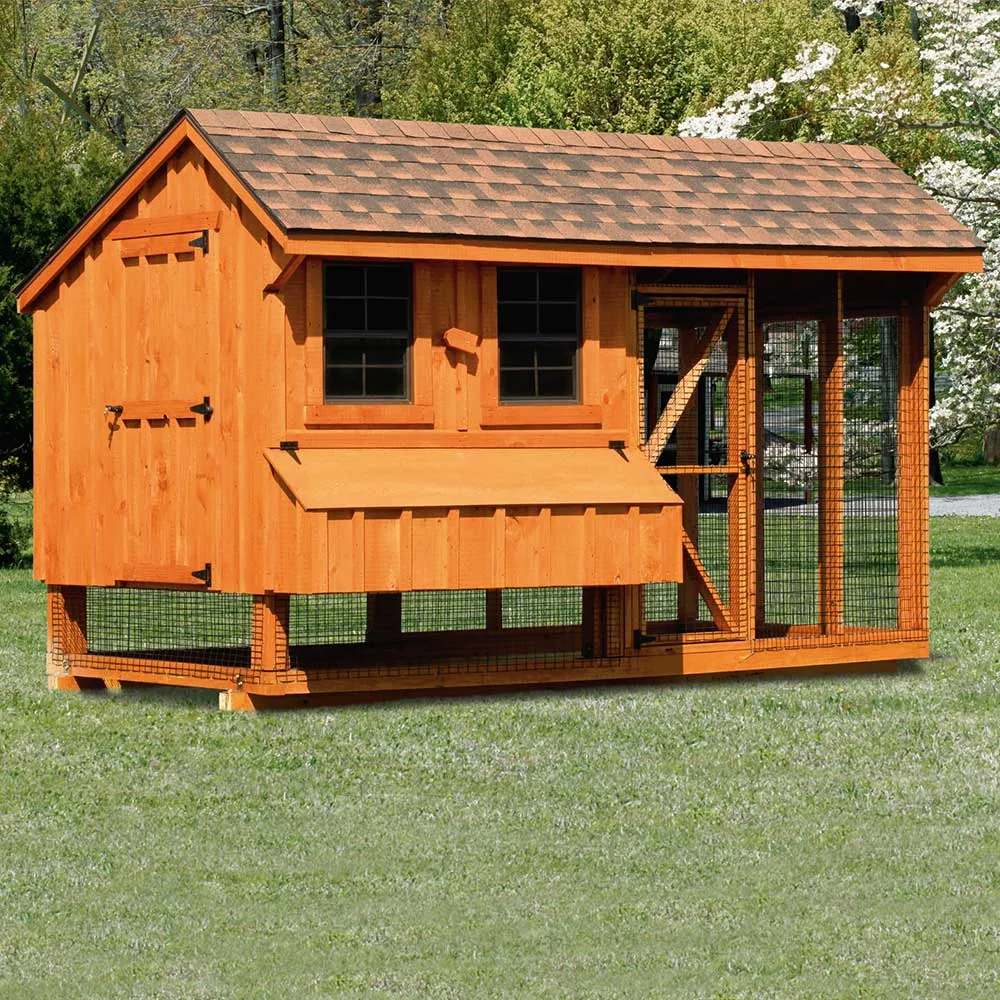
Traditional coops often feature a gable roof and a rectangular shape, offering a classic and functional design. They are often built with wood and can be customized with decorative elements. These coops typically provide ample space for chickens to roost, nest, and move around. A traditional design can blend seamlessly into most backyard settings. These designs usually incorporate a separate enclosed run, providing protection from predators.
Modern Coop Designs
Modern chicken coops often focus on clean lines, innovative materials, and ease of maintenance. They might incorporate features such as built-in feeders and waterers, automatic door openers, and integrated ventilation systems. Modern designs can be more compact and efficient, making them a good choice for urban or smaller spaces. These coops often integrate sustainable design principles, using recycled materials or incorporating features like rainwater harvesting.
DIY Coop Plans and Resources

Building a chicken coop yourself can be a rewarding project. There are numerous resources available to guide you through the process. The internet is a treasure trove of free and paid plans, tutorials, and videos. Before you start, evaluate your carpentry skills and choose a design that aligns with your abilities. It’s essential to gather all the necessary materials and tools before beginning construction.
Free Online Plans
Many websites offer free chicken coop plans, often with detailed instructions, material lists, and diagrams. These plans are an excellent starting point, especially for beginners. Search for plans that match your desired coop size, style, and features. Be sure to read reviews and comments from other builders to assess the plan’s clarity and accuracy. Websites of agricultural extension services often provide reliable and region-specific plans.
Paid Coop Plans
If you’re looking for more detailed plans or a specific design, consider purchasing a paid plan. These plans often include more comprehensive instructions, material lists, and cutting diagrams. They may also offer additional support, such as access to the plan designer or a forum for questions. While there’s a cost involved, paid plans can save you time and effort by providing a more refined and user-friendly building experience.
Building Your Chicken Coop

With a well-defined plan in hand, it’s time to begin construction. This process involves gathering your materials, assembling your tools, and following the steps outlined in your chosen plan. Remember to prioritize safety throughout the building process and take your time to ensure accuracy and quality. Building your own coop can be a great learning experience, and the satisfaction of providing a safe and comfortable home for your chickens is immeasurable.
Gathering Materials
Create a detailed material list based on your coop plan. Choose durable, weather-resistant materials that are safe for chickens. Wood is a popular choice, but consider the type of wood and its treatment to ensure it’s suitable for outdoor use. Other essential materials include hardware cloth (for the run), roofing materials, fasteners (nails, screws), and bedding materials. Purchase or procure all necessary materials before starting construction to avoid delays.
Essential Tools
Gather the tools required for construction. These typically include a saw (circular saw, hand saw, or miter saw), a drill, a hammer, a measuring tape, a level, and safety glasses. Depending on your plan, you may need additional tools, such as a stapler for attaching hardware cloth or a sander for smoothing wood surfaces. Ensure all your tools are in good working order before you begin.
Building the Frame

The frame provides the structural foundation of your coop. Start by assembling the frame according to your plan, ensuring that all corners are square and the structure is level. Use sturdy construction methods, such as mortise and tenon joints or strong corner bracing, to ensure the frame’s stability. Accurate measurements and careful construction at this stage will greatly impact the overall success of your project.
Constructing the Walls and Roof
Once the frame is complete, you can start building the walls and roof. Use appropriate materials, such as plywood, siding, or tongue-and-groove boards, for the walls. Install roofing material that is durable and weather-resistant, such as asphalt shingles, metal roofing, or cedar shakes. Pay close attention to weatherproofing details to prevent leaks and protect your chickens from the elements.
Adding Doors and Windows
Install doors and windows to provide access for cleaning, collecting eggs, and ventilating the coop. Use secure latches and hinges to prevent predators from entering. Windows should be covered with hardware cloth to allow for airflow while protecting your chickens from unwanted visitors. Consider the placement of doors and windows to optimize access and ventilation.
Ventilation and Airflow
Adequate ventilation is crucial for maintaining a healthy environment inside the coop. Proper airflow helps regulate temperature, reduce moisture, and prevent the buildup of harmful gases. Without good ventilation, chickens can be susceptible to respiratory illnesses. Consider your local climate and design your coop with ventilation in mind, ensuring that fresh air is constantly circulating throughout the coop.
Importance of Ventilation
Good ventilation is essential for chicken health. It removes moisture from droppings, preventing the buildup of ammonia, a toxic gas that can irritate the respiratory system. Proper airflow also helps to regulate the coop’s temperature, preventing it from becoming too hot in the summer or too cold in the winter. Ventilation also helps to reduce the risk of respiratory diseases and other health problems.
Natural Ventilation Methods
Natural ventilation relies on the principles of convection and airflow. Design your coop with vents near the roofline to allow warm, moist air to escape and vents lower down to allow fresh air to enter. Avoid placing vents directly over roosting bars, as this can cause drafts. The placement of vents should also take into account prevailing wind patterns to maximize airflow.
Mechanical Ventilation
In some cases, particularly in enclosed coops or in areas with extreme climates, mechanical ventilation, such as exhaust fans, may be necessary. This provides a more controlled method of removing stale air and introducing fresh air. Choose an exhaust fan that is sized appropriately for the coop’s volume. Ensure the fan is properly installed to prevent drafts and efficiently circulate the air.
Finishing Touches
Once the main structure is complete, it’s time for the finishing touches that will make your coop a comfortable and functional home for your chickens. This includes adding nesting boxes, creating a secure run, and choosing appropriate bedding materials. These elements enhance the quality of life for your chickens and make your job as a chicken keeper easier.
Adding Nesting Boxes
Provide nesting boxes for your hens to lay their eggs. One nesting box for every 3-4 hens is generally recommended. The boxes should be located in a quiet, dark, and private area of the coop. Line the boxes with soft bedding materials, such as straw or wood shavings, to provide a comfortable and inviting place for the hens to lay. Position nesting boxes away from drafts and direct sunlight.
Creating a Secure Run
A secure run allows your chickens to enjoy the outdoors while protecting them from predators. Enclose the run with sturdy hardware cloth, burying it several inches below the ground to prevent animals from digging underneath. Cover the top of the run to protect your chickens from aerial predators. Provide shade and perches in the run to enhance the chickens’ comfort and enrich their environment.
Choosing Bedding Materials
Choose appropriate bedding materials for the coop floor. The bedding should absorb moisture, cushion the chickens’ feet, and be easy to clean. Popular choices include wood shavings, straw, and sand. Avoid using cedar shavings, which can be harmful to chickens. Replace the bedding regularly to maintain a clean and healthy environment.
Coop Maintenance and Cleaning
Regular maintenance and cleaning are essential for the health and well-being of your chickens and the longevity of your coop. Establishing a consistent cleaning schedule and performing routine maintenance tasks will prevent disease, maintain a pleasant environment, and keep your coop in good condition for years to come. A clean coop is a happy coop.
In conclusion, building a chicken coop is a rewarding project. By following these design ideas and building guidelines, you can create a safe, comfortable, and aesthetically pleasing home for your chickens. Remember to prioritize planning, construction quality, and ongoing maintenance to ensure the health and happiness of your flock. With a little effort and attention to detail, you’ll be well on your way to enjoying the joys of raising chickens.