Understanding Chicken Coop Design
Designing a chicken coop is more than just building a shelter; it’s about creating a healthy, safe, and comfortable home for your feathered friends. A well-designed coop protects chickens from predators and harsh weather while providing a space for them to roost, lay eggs, and socialize. Before you begin, it’s essential to understand the basic principles of coop design, which include considerations for space, ventilation, security, and ease of maintenance. By prioritizing these elements, you can ensure your chickens thrive, and your backyard remains a pleasant and functional space. Investing time in thoughtful planning upfront will save you headaches down the line and contribute significantly to the well-being of your flock. Remember, a happy chicken is a productive chicken!
Consider Your Space
The location of your chicken coop is a critical decision. Assess your backyard to identify a suitable spot that meets the needs of both your chickens and your household. Look for an area that receives a mix of sun and shade to regulate temperature and provide a comfortable environment throughout the day. Ensure the location is relatively flat to simplify construction and drainage. Consider proximity to your home, as this will affect how often you visit the coop and how easily you can monitor your chickens. Avoid areas prone to flooding or excessive mud, and consider the potential for noise and odor, especially if you have close neighbors. Think about the prevailing wind direction to minimize odors blowing towards your home and neighbors.
Assess Your Needs

Before starting your chicken coop project, you need to determine the number of chickens you plan to house and their specific needs. Different breeds have different space requirements. For example, larger breeds need more room than smaller ones. Research the characteristics of the chicken breeds you intend to keep. Calculate the amount of space each chicken requires inside the coop and in the outdoor run. Also, consider your lifestyle and how much time you can dedicate to coop maintenance, such as cleaning and feeding. Think about whether you want to automate any aspect of the coop, such as the door or feeder. Evaluating your needs will allow you to design a coop that is both practical and enjoyable.
The Size of Your Coop
Coop size is determined by the number and breed of chickens you plan to keep. As a general rule, allow for at least 4 square feet of space per chicken inside the coop and 8-10 square feet in the run. Larger breeds, as mentioned, require more space than smaller, more compact breeds. Overcrowding can lead to stress, feather pecking, and the spread of diseases. Providing adequate space ensures your chickens have room to move, roost, and forage comfortably. An appropriately sized coop will also be easier to clean and maintain, creating a healthier environment for your flock. Remember, building a slightly larger coop than you initially plan for is often better, as it gives you the flexibility to expand your flock in the future.
Calculate the Square Footage
Accurately calculating the necessary square footage is key to a successful coop design. Start by multiplying the number of chickens by the recommended square footage per bird, both inside the coop and in the run. For example, if you have six chickens and aim for 4 square feet per bird inside the coop, you’ll need a coop that is at least 24 square feet. Do not forget the run, so consider the space available on your property. This calculation will also help you determine the overall dimensions of your coop and run. It’s recommended to draw out a basic floor plan to visualize how the space will be used and to ensure you have enough room for essential features like nesting boxes, roosting bars, and feeders.
Consider the Climate

Your local climate significantly impacts the design of your chicken coop. In colder climates, you need to focus on insulation to keep the coop warm during winter. This might involve using double-walled construction, adding insulation to the walls and roof, and providing a draft-free environment. In hot climates, ventilation is crucial to prevent overheating. Design the coop with ample airflow, including vents high on the walls and near the roof to allow hot air to escape. Consider the orientation of the coop to maximize shade and minimize direct sunlight exposure. Regardless of your climate, ensure the coop is waterproof to protect your chickens from the elements and keep the interior dry.
Ensure Ventilation and Temperature Control
Proper ventilation is crucial for maintaining healthy air quality inside the coop. Good ventilation prevents the buildup of ammonia from chicken waste, which can cause respiratory problems. Install vents high on the walls or near the roof to allow for air circulation. Consider adding adjustable vents to control airflow during different weather conditions. Proper temperature control is also important. In hot climates, ensure the coop has shade and ventilation to prevent overheating, while in cold climates, insulation and draft-proofing are essential to keep the chickens warm. A well-designed coop provides a comfortable environment year-round.
Design a Secure Coop
Protecting your chickens from predators is paramount. Predators can include foxes, raccoons, coyotes, hawks, and even domestic animals like dogs. A secure coop incorporates several design features to deter predators. This includes a sturdy construction with strong walls, a solid roof, and secure doors and windows. Burying hardware cloth along the perimeter of the coop can prevent digging predators from entering. Consider using a locking system on the coop door and windows, and check these daily to ensure they are securely closed. Remember, the more secure the coop, the better protected your flock will be.
Predator-Proofing Techniques

Implementing various predator-proofing techniques is necessary to keep your chickens safe. Bury hardware cloth at least 12 inches deep around the perimeter of the coop and run to prevent digging predators from entering. Use strong, heavy-duty latches and locks on all doors and windows. Ensure that all openings are covered with hardware cloth, not chicken wire, as chicken wire is easily breached by determined predators. Consider adding an automatic coop door that opens and closes at set times, providing an extra layer of security. Regularly inspect your coop for any signs of damage or potential entry points and address any issues immediately. You might also consider adding a security camera for monitoring.
Hardware Cloth is Essential
Hardware cloth is a crucial component for a secure chicken coop. Unlike chicken wire, which is relatively flimsy, hardware cloth is made of heavier gauge wire and offers superior protection against predators. Use hardware cloth to cover all windows, vents, and any other openings in the coop. Securely attach the hardware cloth to the frame of the coop using staples, screws, or other fasteners, ensuring there are no gaps or weak points. Use hardware cloth to line the bottom of the run and extend it outwards to prevent digging. Investing in high-quality hardware cloth will significantly increase the security of your coop and protect your chickens from predators.
Choose the Right Materials
Selecting appropriate materials is crucial for building a durable and long-lasting chicken coop. Opt for materials that are resistant to weather, rot, and pests. Wood is a popular choice, but choose a durable type such as cedar or redwood, which naturally resist decay. Avoid using treated lumber, as the chemicals can be harmful to chickens. The roof should be made of weather-resistant materials like asphalt shingles, metal roofing, or durable composite materials. Consider using hardware cloth for windows and vents. Consider the materials’ environmental impact and sustainability when making your choices.
Selecting Durable Wood

When choosing wood for your chicken coop, durability is a key factor. Cedar and redwood are excellent choices because they contain natural oils that resist rot and insect damage. These woods are also weather-resistant, which is essential for outdoor structures. If you choose other types of wood, consider treating them with a non-toxic sealant or preservative to extend their lifespan. Make sure all the wood is properly seasoned before construction to prevent warping and cracking. Avoid using pressure-treated lumber, especially inside the coop, as it contains chemicals that could be toxic to chickens. Ensure that any wood used is free of splinters and rough edges to protect your chickens.
Utilizing Eco-Friendly Materials
Building an eco-friendly chicken coop means choosing materials that are sustainable and environmentally responsible. Consider using reclaimed wood or recycled materials whenever possible. When buying new materials, look for options that are certified by organizations like the Forest Stewardship Council (FSC), which promotes responsible forestry practices. Choose non-toxic paints, stains, and sealants to minimize environmental impact and avoid harming your chickens. Think about the energy efficiency of your coop design. Consider using passive solar heating or natural ventilation to reduce energy consumption. Your choices will contribute to a healthier environment for both your chickens and the planet.
Interior Design for Your Chickens
The interior design of your chicken coop should prioritize comfort, safety, and ease of maintenance. The interior should be designed to make your chickens’ lives as easy as possible. Key elements include nesting boxes, perches, and ample space for movement. The layout should facilitate easy cleaning and provide adequate ventilation. Consider the chickens’ natural behaviors and preferences when designing the interior. A well-designed interior will contribute to the overall health and productivity of your flock, as well as providing a more comfortable and enjoyable environment.
Nesting Boxes for Comfort

Nesting boxes provide a private and comfortable space for hens to lay their eggs. Provide at least one nesting box for every 3-4 hens. Position the nesting boxes in a quiet, dark, and sheltered location within the coop. Ensure the boxes are large enough for the hens to comfortably turn around, typically about 12x12 inches or larger. Line the boxes with soft, clean bedding such as straw, wood shavings, or hay, and replace the bedding regularly to keep the boxes clean and sanitary. Consider a design that makes it easy to collect eggs without disturbing the hens.
Perches and Roosts
Chickens naturally roost at night, so providing perches is essential. Install perches at varying heights to accommodate different chicken breeds. Choose perches that are the right width and shape for your chickens’ feet; typically, a rounded edge about 2-4 inches wide is ideal. Space the perches far enough apart to prevent overcrowding, allowing each chicken to have its own space. Place the perches away from the nesting boxes to avoid soiling. Regular cleaning and maintenance of the perches will contribute to overall coop hygiene.
Easy Cleaning and Maintenance
Designing a chicken coop with easy cleaning and maintenance in mind will save you time and effort in the long run. Consider features such as a removable floor, accessible doors for cleaning, and smooth surfaces that are easy to wipe down. Choose materials that are resistant to moisture and easy to sanitize. Implement a regular cleaning schedule to maintain a healthy environment for your chickens and prevent the buildup of odors and diseases. A well-maintained coop is essential for the health and happiness of your flock.
Planning for Accessibility

Ensure your coop design includes features that make it easy to access all areas for cleaning and maintenance. Include doors and access panels that are large enough for you to enter and move around comfortably. Consider a design that allows you to reach all corners of the coop without obstruction. A removable floor or a hinged roof can greatly simplify the cleaning process. Think about the placement of feeders and waterers to ensure they are easy to access and refill. Well-planned accessibility makes cleaning more efficient and ensures you can provide the best care for your chickens.
Regular Cleaning Schedules
Establishing a regular cleaning schedule is essential for maintaining a healthy coop. This includes daily, weekly, and monthly tasks. Daily tasks include collecting eggs, checking water and food levels, and spot cleaning any soiled areas. Weekly tasks include removing and replacing bedding in the nesting boxes and cleaning any droppings from perches. Monthly, conduct a thorough cleaning of the entire coop, including washing surfaces, sweeping the floor, and replacing all bedding. Regular cleaning will reduce the risk of disease and ensure that your chickens live in a clean and comfortable environment.
Aesthetic Considerations for Your Coop
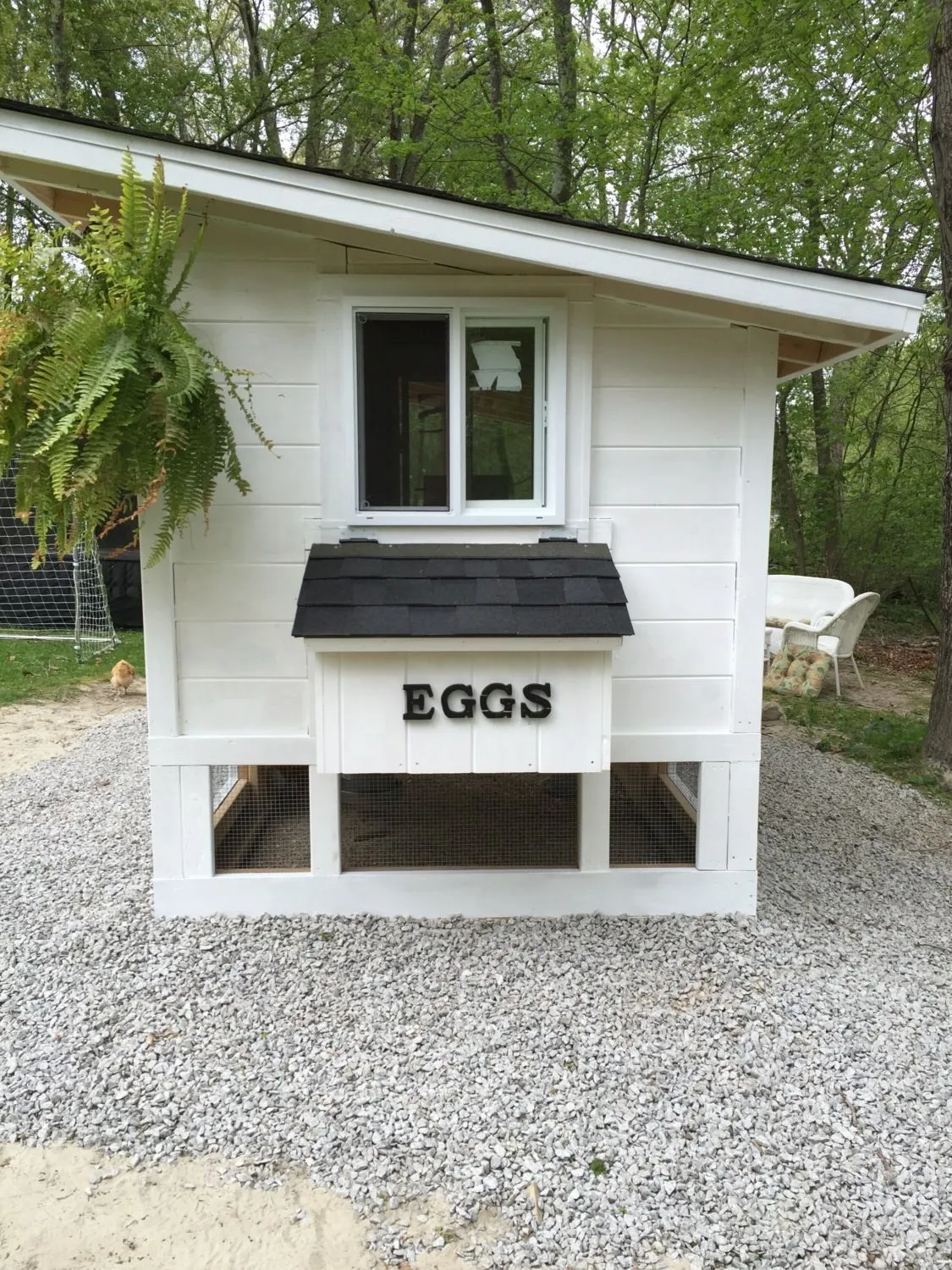
While functionality is paramount, the aesthetics of your chicken coop can also add to the beauty of your backyard. Consider the overall style of your home and landscape when designing your coop. Whether you prefer a rustic, modern, or whimsical design, the coop can be a beautiful addition to your property. Adding decorative elements like paint, trim, and landscaping can enhance the coop’s appearance and integrate it seamlessly into your outdoor space. A well-designed coop blends functionality with visual appeal.
Coop Style and Design
Choose a coop style that complements your home and landscape. Consider the various design options available, from traditional A-frame coops to more modern and elaborate structures. Do you want to build something that blends in seamlessly with your existing structures or stand out as a focal point? Consider using colors, materials, and architectural details that are consistent with the style of your home. You can also incorporate unique features such as decorative windows, custom paint jobs, or whimsical accents to add personality and charm to your coop design. The goal is to create a coop that is not only functional but also visually appealing.
Integration with Your Landscape
Integrate your chicken coop into your landscape to create a harmonious and visually appealing outdoor space. Consider the placement of the coop in relation to existing trees, shrubs, and other landscape elements. Plant shrubs and flowers around the coop to soften its appearance and provide additional shade and shelter for your chickens. Use landscaping techniques to create a natural-looking enclosure for the run. Choose plants that are safe for chickens and complement the overall design of your yard. Integrating your coop into your landscape will enhance the beauty of your backyard and provide a more natural environment for your chickens.
Adding Decorative Elements
Adding decorative elements can transform your chicken coop from a functional structure into a charming feature of your backyard. Consider adding decorative paint, trim, or architectural details such as a cupola or weathervane. Use your creative flair to paint the coop in colors that complement your home and landscape. You can also incorporate whimsical accents like decorative signs, window boxes, or outdoor artwork to add personality and character. The options for decorating your chicken coop are endless. By adding decorative elements, you create a unique and inviting space that reflects your personal style and enhances the overall appeal of your backyard.