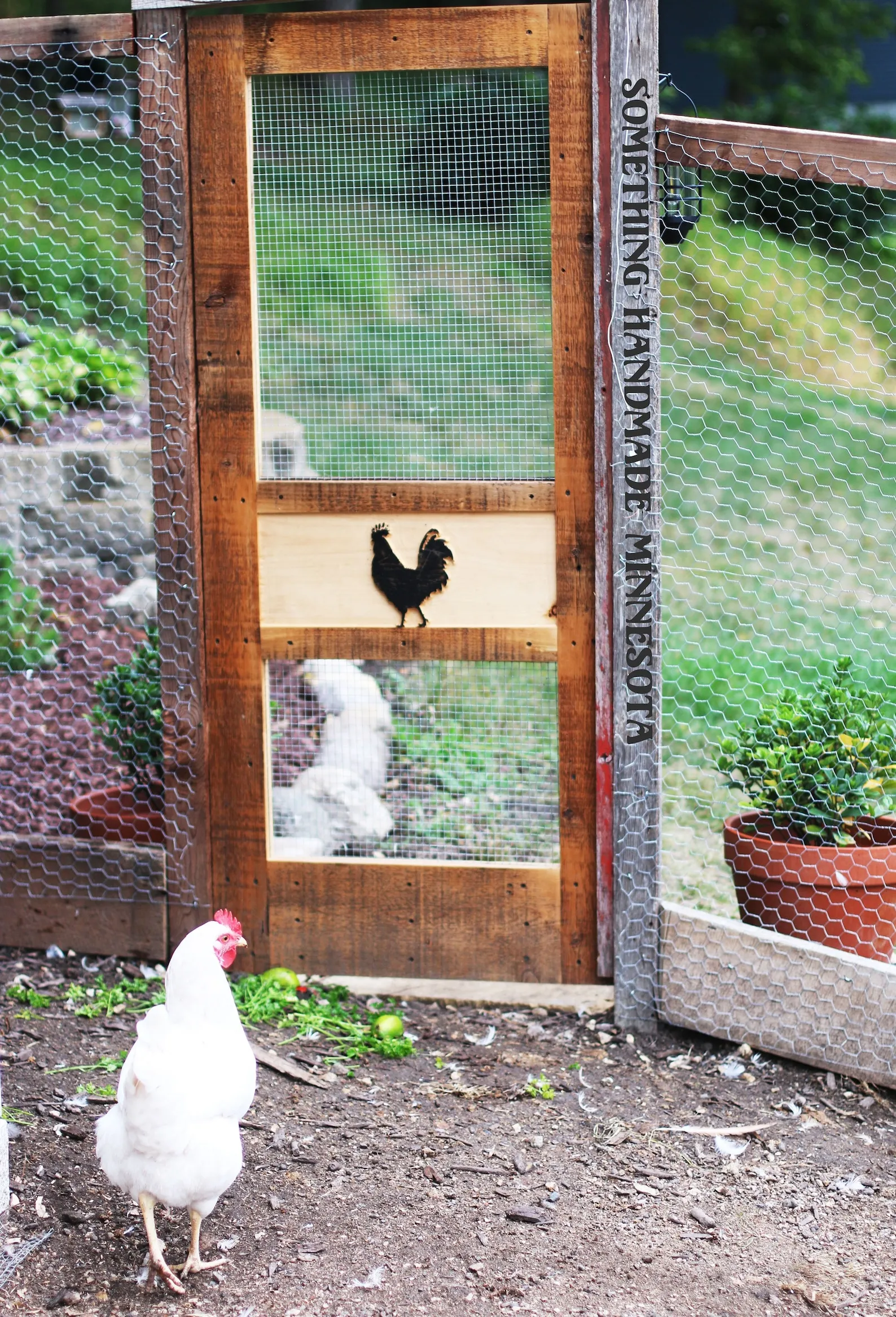
Building a decorative chicken coop is a rewarding project that enhances your backyard while providing a safe and comfortable home for your feathered friends. This guide provides detailed secrets and steps to create a beautiful and functional coop. From planning to finishing touches, this article covers everything you need to know to design and build a decorative chicken coop that stands out. Whether you’re a beginner or experienced DIY enthusiast, you’ll find valuable insights to bring your coop vision to life.
Planning Your Decorative Chicken Coop
The initial planning phase is crucial for a successful decorative chicken coop. Careful consideration of various factors ensures your coop meets both your aesthetic desires and the chickens’ needs. This includes choosing the right location, determining the appropriate size, and selecting a design style that complements your property. Proper planning saves time, money, and ensures the coop is functional and visually appealing.
Choosing the Right Location
Selecting the ideal location is the first step. The chosen spot should be convenient for daily care, offer adequate protection from the elements, and be in compliance with local ordinances. Consider factors such as sunlight exposure, wind patterns, and proximity to your home. The location impacts the chickens’ health and the coop’s longevity.
Sunlight and Shade Considerations

Chickens need both sunlight and shade. Position the coop to receive morning sunlight to help dry the coop and provide warmth, while ensuring there’s shade available during the hottest parts of the day. Trees or strategically placed shade structures can help regulate the coop’s temperature, preventing heat stress and promoting chicken well-being. Adequate ventilation is also important.
Accessibility for Maintenance
Choose a location that makes coop cleaning, feeding, and watering convenient. Avoid areas that are difficult to access, such as slopes or heavily wooded areas. Easy access makes maintenance less of a chore, encouraging you to keep the coop clean and the chickens healthy. Consider proximity to a water source and electrical outlets for lighting and heated waterers in winter.
Determining the Size of Your Coop
The size of your coop must provide enough space for your chickens to live comfortably. Overcrowding leads to stress, pecking order issues, and increased risk of disease. Consider the number of chickens you plan to house and their breed, as larger breeds require more space. Plan for future growth by building a coop slightly larger than your current flock requires.
Space Requirements per Chicken

A general guideline is to provide at least 4 square feet of space per chicken inside the coop and 8-10 square feet per chicken in the run. These are minimums, and more space is always better. Adequate space allows chickens to move freely, reduce stress, and maintain good health. Consider adding multiple levels to maximize the use of space.
Planning for Future Growth
When designing your coop, anticipate future expansion of your flock. Building a coop slightly larger than your current needs gives you flexibility. If you plan to add more chickens, ensure there’s enough room for the extra birds without overcrowding. Consider modular designs that can be easily expanded or adjusted as needed, providing a long-term solution.
Design Styles for Decorative Coops
The design style determines the aesthetic appeal of your coop. Choose a design that complements your home and backyard. Popular styles range from classic to modern. Selecting the right style will enhance the overall look of your property. Consider the level of detail you want to incorporate and the architectural style that aligns with your vision.
Cottage Style Coops

Cottage-style coops feature charming details, such as pitched roofs, decorative trim, and often pastel paint colors. These coops create a whimsical and inviting look. They often include features such as window boxes, small porches, and rustic hardware. This style blends seamlessly into garden settings, providing a picturesque element.
Victorian Style Coops
Victorian-style coops are characterized by ornate details, such as spindle work, gingerbread trim, and intricate rooflines. Often painted in vibrant colors, these coops make a bold statement. Features such as cupolas, weather vanes, and decorative windows enhance their grandeur. This style suits a classic aesthetic, adding a touch of elegance to the backyard.
Modern and Minimalist Designs
Modern coops focus on clean lines, geometric shapes, and functional design. They often feature neutral color palettes, such as grays, whites, and natural wood tones. Minimalism ensures practicality while incorporating contemporary elements. These coops can blend seamlessly with contemporary homes, making them an option.
Material Selection and Preparation

The choice of materials significantly affects the coop’s durability, safety, and aesthetic appeal. Selecting the right materials and preparing them correctly is vital. Use high-quality, weather-resistant materials to withstand the elements. Proper preparation includes cutting, treating, and sealing materials to ensure longevity and prevent issues.
Choosing Durable and Safe Materials
Prioritize materials that can endure weather and are safe for chickens. This means choosing materials resistant to rot, pests, and extreme temperatures. Ensure all materials used are non-toxic to prevent harming your flock. Opt for materials that are easy to clean and maintain, promoting both the health of your chickens and the longevity of the coop.
Wood Types and Treatments
Cedar, redwood, and pressure-treated lumber are popular choices for coop construction due to their durability and natural resistance to decay. If using untreated wood, apply a water-based sealant to protect it from moisture. Avoid using chemically treated wood for the interior, as chickens may peck at it. Proper treatments extend the life of the coop and provide protection.
Avoiding Toxic Materials

Stay away from materials that could be harmful to chickens. Lead-based paints, certain types of adhesives, and some wood treatments can be toxic. Opt for non-toxic paints, stains, and sealants. Ensure that any hardware used is rust-resistant to prevent corrosion that could be harmful. Always prioritize the safety of your chickens above all else.
Essential Tools for Building
Gathering the necessary tools before you start building will make the process easier and more efficient. You’ll need basic tools like a saw, drill, hammer, measuring tape, level, and screwdriver. More advanced tools, such as a nail gun, can speed up construction. Ensure you have safety equipment, including safety glasses and work gloves, to protect yourself during construction.
Building the Coop Foundation
A sturdy foundation is essential for a long-lasting coop. A well-constructed foundation prevents the coop from shifting, sinking, or being damaged by the elements. The foundation type depends on the size of the coop and local soil conditions. Proper foundation work ensures the stability and longevity of your decorative chicken coop.
Laying the Base and Framing

The base of the coop can be made from concrete, gravel, or wood. For wooden bases, create a sturdy frame using pressure-treated lumber. Ensure the frame is level and square. This frame provides a solid base for the rest of the structure. Next, build the framing for the walls, ensuring they are plumb and securely attached to the base.
Constructing the Walls and Roof
Once the frame is in place, attach the walls. Use exterior-grade plywood or siding for the walls. For the roof, consider options such as asphalt shingles, metal roofing, or cedar shakes, choosing materials that match your design. Make sure the roof provides good drainage to protect the coop from the weather. Ensure the roof is properly sealed to prevent leaks.
Adding Windows and Ventilation
Windows and ventilation are crucial for the chickens’ health. Windows provide natural light and ventilation, while ventilation ensures proper airflow. Install windows high enough to prevent drafts, using hardware cloth or sturdy wire mesh. Create vents at the top of the coop to allow hot air to escape and fresh air to circulate. The right balance of light and air ensures a healthy environment for your chickens.
Creating the Interior Space
The interior of the coop must be designed to meet the chickens’ needs. This includes roosting bars for sleeping, nesting boxes for egg laying, and easy access for cleaning. The design of the interior is directly related to the health and comfort of the flock. Proper interior planning ensures a functional and efficient living space.
Roosting Bars and Nesting Boxes
Roosting bars should be placed at a comfortable height, usually a few feet above the floor. Nesting boxes should be placed in a quiet, sheltered area. Provide at least one nesting box for every 3-4 hens. Make sure nesting boxes are easy to access for egg collection and cleaning. Use comfortable bedding like straw or wood shavings in the nesting boxes.
Placement and Design
Place roosting bars and nesting boxes strategically within the coop. Ensure the roosting bars are away from the nesting boxes to prevent droppings from contaminating them. Consider the design of the nesting boxes to encourage egg laying and discourage chickens from roosting in them. Ensure the size of the roosting bars is suitable for the chickens’ feet.
Considerations for Easy Cleaning
Designing the interior for easy cleaning saves time and effort. Use smooth, non-porous materials for the floor and walls that can be easily washed. Consider adding a removable tray under the roosting bars to collect droppings. Design the coop with access doors to make cleaning easier, ensuring that all areas can be thoroughly cleaned regularly.
Adding Decorative Elements
Adding decorative elements is how your coop becomes truly unique. Choose colors, finishes, and accessories that reflect your style. From paint to hardware, these elements can transform your coop into a focal point in your backyard. The small details make all the difference, turning a functional structure into a work of art.
Paint Colors and Finishes
Choose paint colors and finishes that complement the overall design. Use exterior-grade paint that can withstand the elements. Consider using multiple colors to add depth and visual interest. If you prefer a natural look, consider staining the wood. Ensure the paint or stain is non-toxic and safe for chickens. Choose colors that blend with the surrounding landscape.
Decorative Hardware and Accessories
Decorative hardware and accessories add personality to the coop. Choose door handles, latches, and hinges that match the design style. Add decorative trim, such as molding or corbels. Consider adding features like a weather vane or a small porch. These accessories enhance the overall aesthetic and make your coop a standout feature.
Landscaping Around the Coop
Landscaping enhances the beauty of your decorative chicken coop while creating a healthier environment for your chickens. Plant ornamental grasses, flowers, and shrubs. Consider adding a small garden to the coop to provide the chickens with extra space. Landscaping blends the coop into its surroundings, making it a natural part of your backyard.
Creating a Safe and Secure Run
A safe and secure run is critical for protecting your chickens from predators. Build the run with sturdy materials and ensure it is well-enclosed. Bury hardware cloth or wire mesh around the perimeter to prevent digging predators from getting under the fence. Secure the top of the run with mesh to prevent aerial predators. The safe run allows your chickens to forage and exercise safely, contributing to their overall well-being.
Building a decorative chicken coop is a rewarding experience. By following these secrets and guidelines, you can create a beautiful, functional, and safe home for your chickens. From planning to the finishing touches, your coop will not only provide a comfortable habitat for your flock but also enhance the charm of your backyard.