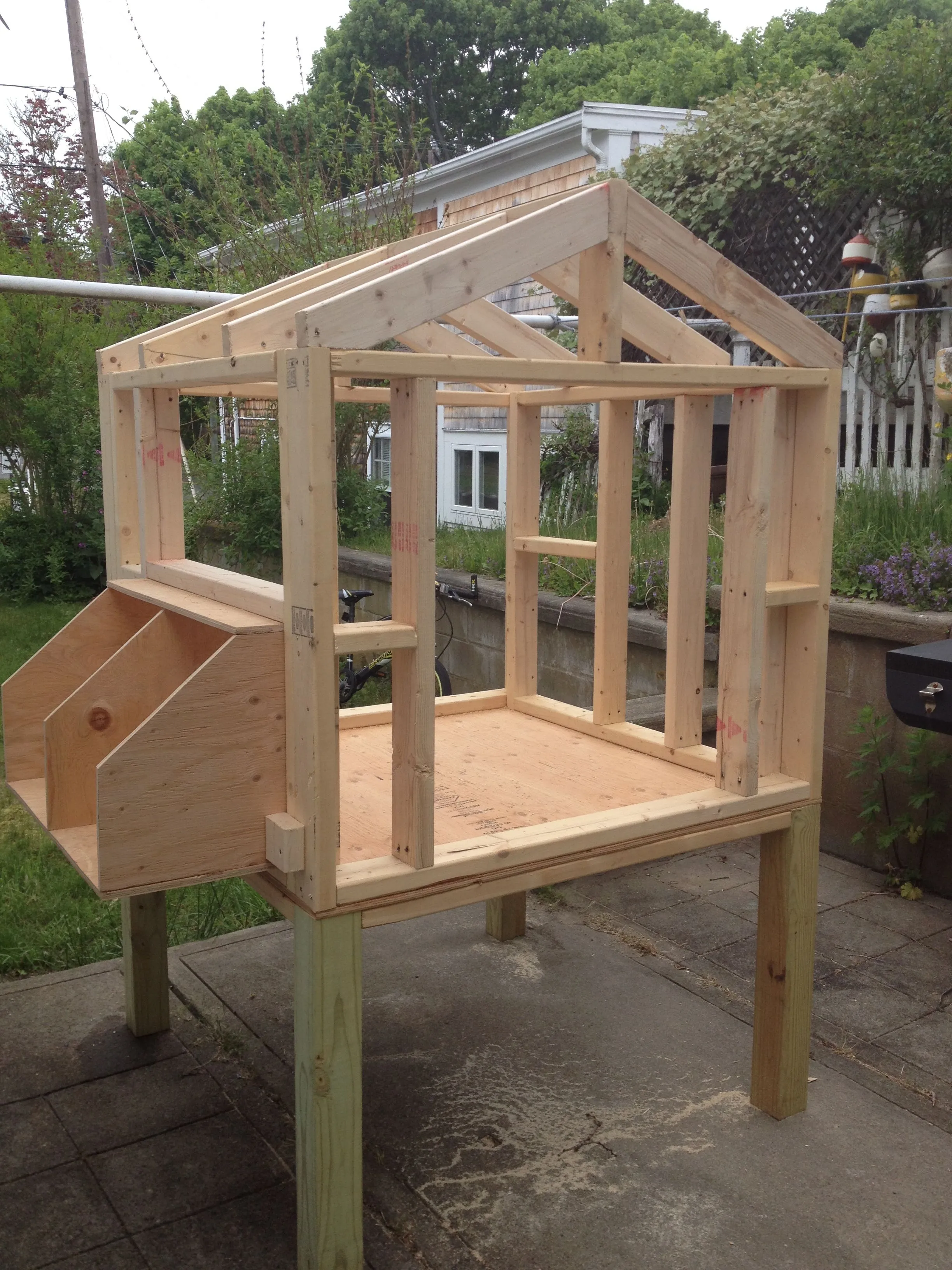
Building a chicken coop is a rewarding project for any aspiring homesteader or chicken enthusiast. A well-designed coop provides a safe, comfortable, and healthy environment for your flock, while also protecting them from predators and the elements. This guide will walk you through the essential steps of designing and building your own chicken coop, ensuring your chickens thrive and you enjoy the process. From planning to finishing touches, we’ll cover everything you need to know to create a perfect home for your feathered friends.
Planning Your Chicken Coop Design
Before you start building, careful planning is crucial. Consider your chickens’ needs, your space, and the local climate. This initial phase will save you time, money, and potential headaches down the road. Think of it as laying the groundwork for a successful project, ensuring a coop that’s both functional and aesthetically pleasing.
Determine Coop Size
The size of your coop is directly related to the number of chickens you plan to house. A general guideline is to allow at least 4 square feet of floor space per chicken inside the coop. This ensures they have enough room to move around, roost comfortably, and avoid overcrowding, which can lead to stress and health issues within your flock. Proper spacing is crucial for the well-being of your chickens.
Consider Your Flock Size

How many chickens do you plan to keep? Start with this question. If you’re new to chickens, beginning with a small flock (3-5 hens) is often recommended. This allows you to learn the basics of chicken care without being overwhelmed. As you gain experience, you can expand your flock, but always ensure you have enough space. Account for future expansion, too; you might get hooked on chicken keeping!
Assess Your Backyard Space
The size and layout of your backyard will influence the design and placement of your coop and run. Consider the sun, shade, and prevailing winds. Is the area well-drained? Avoid placing the coop in a low-lying area prone to flooding. Additionally, consider local zoning regulations and homeowner association rules regarding coop size, placement, and appearance. Also, think about accessibility. You’ll need to be able to reach the coop easily for cleaning, feeding, and collecting eggs.
Choosing the Right Materials
The materials you choose will impact the durability, longevity, and overall look of your chicken coop. They will also influence the cost and the maintenance requirements. The key is to select materials that are safe for your chickens, resistant to the elements, and easy to clean. Consider both the initial cost and the long-term maintenance needs when making your selection.
Wood vs Metal Coops

The primary materials for chicken coops are wood and metal. Each has its own set of pros and cons. The best choice for you depends on your budget, your skills as a builder, and your aesthetic preferences. Both materials can create a safe and secure environment for your chickens if the design is well-executed.
Benefits of Wooden Coops
Wooden coops offer a classic, natural look and are often easier to customize. Wood is a good insulator, helping to regulate the coop’s temperature. When properly treated, wood can be very durable. It is also relatively easy to work with, making it a good choice for DIY builders. However, wood requires regular maintenance, including painting or staining, to protect it from the elements and prevent rot and can be more susceptible to predators.
Advantages of Metal Coops
Metal coops are generally more resistant to predators. They also require less maintenance than wooden coops, as they don’t rot or require painting. Metal coops can be more durable in the long run, particularly in harsh weather conditions. They can be easier to clean and sanitize. However, metal coops can be more expensive and may not provide as good insulation as wood, potentially leading to temperature fluctuations inside the coop.
Essential Features for Your Coop

Certain features are non-negotiable for a healthy and happy flock. Ventilation, roosting bars, and easy-to-clean surfaces are crucial components of a well-designed chicken coop. Prioritizing these elements will greatly enhance the comfort of your chickens and the ease of maintaining the coop.
The Importance of Ventilation
Proper ventilation is essential to prevent moisture buildup and maintain air quality inside the coop. Stagnant, humid air can lead to respiratory problems in chickens. Ventilation helps remove ammonia from droppings and reduces the risk of diseases. Ensure there are vents placed high on the walls and under the roof to allow air circulation. Avoid drafts that can chill your chickens, but make sure fresh air is always moving through the coop.
Providing Secure Roosting Bars
Chickens naturally sleep perched on elevated roosting bars. These bars should be placed at a comfortable height and made of smooth, rounded wood. Allow about 8-12 inches of roosting space per chicken. Ensure the roosting bars are sturdy and securely attached. Consider the diameter of the roosting bar, as it affects the chickens’ comfort and their ability to grip securely while sleeping. Place the roosting bars away from the walls and any areas where droppings might accumulate, to make cleaning easier.
Designing for Easy Cleaning

Regular cleaning is vital for maintaining a healthy environment and controlling odors. Design your coop with easy cleaning in mind. Features such as removable droppings boards, smooth surfaces that can be easily wiped down, and a large access door will significantly simplify the cleaning process. Consider the use of absorbent bedding materials like straw or wood shavings to help manage waste and keep the coop dry and clean. The easier the coop is to clean, the more likely you are to keep it clean regularly.
Building the Coop Structure
Constructing the coop’s structure is the most hands-on phase of the project. Whether you are building from scratch or modifying a pre-designed kit, following the plans carefully and using appropriate tools is important. Precise measurements and sturdy construction ensure the coop’s structural integrity and the safety of your flock. Always prioritize safety throughout the building process.
Constructing the Frame
Start by building the frame of your coop. Use pressure-treated lumber for the base to prevent rot. Construct the frame according to your design plans, ensuring all corners are square. Use appropriate fasteners, such as screws or nails, for secure construction. Check the frame’s stability as you build, and make any necessary adjustments. A solid frame is the foundation of your entire coop.
Attaching Walls and Roof

Once the frame is complete, attach the walls and roof. Use exterior-grade plywood or siding for the walls, ensuring that it is securely fastened to the frame. When attaching the roof, consider the climate where you live. Overhangs provide protection from the elements. Ensure the roof is watertight to prevent leaks. Pay attention to sealing any gaps or cracks to keep predators out and maintain a comfortable interior environment.
Building a Chicken Run
A chicken run is an essential part of a coop. It provides your chickens with a safe outdoor space where they can roam, forage, and enjoy fresh air and sunshine. It will help protect your chickens from predators and keep them within a contained area. The size of the run should be large enough to allow the chickens to move freely and engage in natural behaviors.
Securing the Run
Predator-proofing is critical. Bury hardware cloth or wire mesh around the perimeter of the run to prevent digging predators from entering. Ensure that all sides of the run, including the top, are covered with sturdy wire mesh or hardware cloth. Use heavy-duty staples or screws to attach the mesh securely to the frame. Check for any weak spots or gaps and reinforce them as needed.
Adding a Door and Gate

A secure door and gate are necessary for easy access to the run and for feeding and maintaining the chickens. The door should be large enough for you to enter and exit the run easily. The gate should be sturdy and have a secure latch to prevent predators from opening it. Use hardware cloth or wire mesh to cover the door and gate to prevent predators from entering. Place the door in a convenient location for access to both the coop and the run.
Finishing Touches and Setup
Once the structure and run are complete, the finishing touches will make your coop a home. These details enhance functionality, improve the comfort of your chickens, and contribute to the overall look and feel of the coop. Simple additions can make a significant difference.
Adding Nesting Boxes
Nesting boxes provide a safe and private place for hens to lay eggs. The number of nesting boxes needed depends on the size of your flock, but a general rule is one nesting box for every 3-4 hens. The boxes should be elevated off the ground and placed in a shaded area. Use a comfortable bedding material, like straw, hay, or wood shavings, to line the boxes. Ensure the boxes are accessible and easy to clean.
Installing Water and Feeders
Place water and feeders inside the coop and/or run. Choose feeders and waterers that are appropriate for the size and number of your chickens. Make sure the feeders and waterers are easily accessible and protected from the elements. Elevating the feeders can help prevent feed wastage and reduce the risk of contamination. Regularly clean and refill the waterers and feeders to ensure your chickens have access to fresh water and food.
Decorating Your Coop
While not essential, decorating your coop can be fun and add personality. Consider painting the coop, adding decorative trim, or hanging artwork. Ensure any decorations are safe for the chickens and do not pose a hazard. Avoid materials that could be harmful if ingested. Keep in mind that the primary goal is to create a functional and safe environment for your flock, with aesthetics being secondary.
Building your own chicken coop is a rewarding experience. By following these guidelines, you can create a safe, comfortable, and attractive home for your chickens, and enjoy the fresh eggs and the companionship of your flock. Remember to prioritize the needs of your chickens, and your efforts will be well worth it. Happy building!