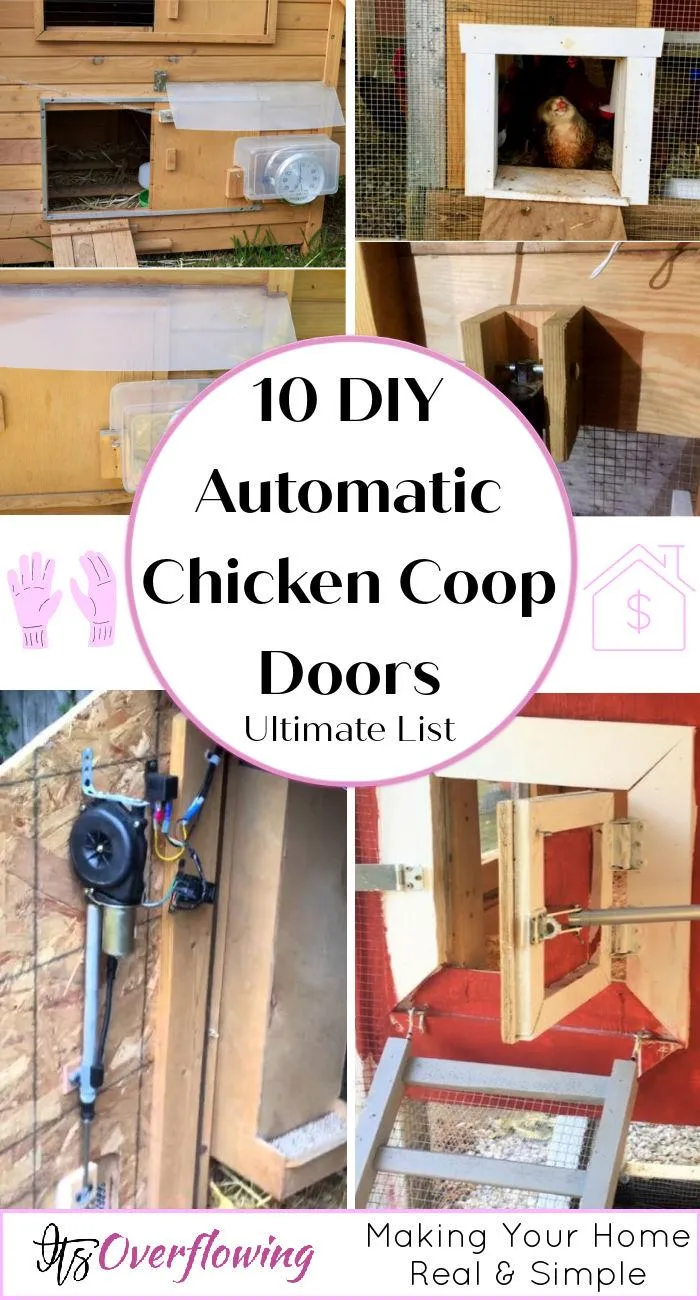
What You Need [Chicken Coop Door]
Building a chicken coop door is a manageable DIY project that enhances the security and functionality of your coop. Before you begin, gather all the necessary tools and materials. This will ensure a smooth and efficient building process. Essential items include a measuring tape, saw (circular saw or hand saw), drill, screwdriver, and a level. You’ll also need wood or metal (depending on your chosen material for the door), hinges, a latch or locking mechanism, screws, nails, and potentially weatherproofing materials like sealant or paint. Don’t forget safety glasses and gloves to protect yourself during the construction. A well-prepared workspace, with all tools within easy reach, will also contribute to a more enjoyable experience.
Measuring for Your Chicken Coop Door
Accurate measurements are crucial for a properly fitting chicken coop door. Start by measuring the opening of the coop where the door will be installed. Measure both the width and height at several points, as coop openings may not always be perfectly square. Use the smallest measurements to ensure the door fits snugly. Subtract a small amount (e.g., 1/8 inch) from both the width and height measurements to allow for clearance, ensuring the door can swing freely without binding. This clearance is vital for smooth operation and to prevent the door from sticking due to changes in humidity or temperature. Double-check all measurements before cutting any materials to avoid costly mistakes. Precise measurements will not only ensure a functional door but also contribute to the overall security of your coop.
Choosing the Right Materials for Chicken Coop Door

The materials you select will significantly impact the durability and longevity of your chicken coop door. Wood is a classic choice, offering ease of workability and a natural aesthetic. Pine, cedar, and redwood are popular options, with cedar and redwood providing natural resistance to rot and insects. Ensure the wood is treated or sealed to withstand weather exposure. Alternatively, metal doors, often made of galvanized steel or aluminum, are exceptionally durable and resistant to the elements and predator attacks. Metal options are more resistant to chewing and require less maintenance than wood, but may require more specialized tools for cutting and installation. Consider the local climate, the level of predator protection needed, and your budget when choosing your materials, balancing aesthetics with functionality and long-term practicality.
Wooden Door for Chicken Coop
Constructing a wooden door offers a rewarding DIY experience. Begin by cutting the wood to the precise measurements you determined earlier, remembering to account for clearance. Assemble the door frame using wood glue and screws or nails, ensuring all corners are square. For a solid-core door, you can use plywood or solid wood planks. Reinforce the corners with corner braces for added stability. Once the frame is assembled, attach the door panel to the frame. Sand down any rough edges and apply a weather-resistant sealant or paint to protect the wood from moisture and rot. Consider adding a layer of hardware cloth to the inside of the door for extra security against predators. This combination of materials and construction methods will result in a robust and visually appealing door.
Metal Door for Chicken Coop
A metal door provides superior protection against predators. You can purchase pre-made metal doors or fabricate one yourself, using sheet metal and a metal frame. When working with metal, safety is paramount: wear appropriate eye protection and gloves. Cut the metal to the correct dimensions, using a metal shear or a circular saw with a metal-cutting blade. Weld or rivet the metal sheets to a sturdy frame, ensuring all joints are securely fastened. Metal doors can be more challenging to build than wooden ones, requiring specialized tools and skills. If you are not experienced with metalworking, consider purchasing a pre-made door or seeking professional assistance. Once assembled, metal doors can be painted or powder-coated to enhance their appearance and provide additional weather protection.
Building the Chicken Coop Door Frame

The door frame provides the structural support and mounting points for the door. Construct the frame using sturdy lumber, ensuring it is square and properly sized to fit the opening of the coop. The frame should be slightly smaller than the opening, allowing for a small gap for the door to swing freely. Cut the wood for the frame pieces, and then assemble them using screws or nails. Ensure the frame is plumb and level within the coop opening. Attach the frame securely to the coop structure, using screws long enough to penetrate the coop’s framing. This solid frame is crucial for the door’s functionality and helps to maintain the overall integrity of the coop. Accurate construction and installation will prevent the door from binding or sagging.
Attaching the Door to the Coop
Once the frame and door are ready, the next step is to attach the door to the frame. Position the door within the frame, ensuring it aligns properly and has the necessary clearance. Mark the locations for the hinges on both the door and the frame. The number of hinges depends on the door’s size and weight; typically, two hinges are sufficient for smaller doors, while larger ones may require three. Pre-drill pilot holes for the screws to prevent the wood from splitting. Attach the hinges using the appropriate screws, ensuring they are firmly secured. Check that the door swings smoothly and closes properly within the frame. Adjust the hinges or the door position as needed to achieve a perfect fit. This precise alignment and secure attachment of the door are crucial for the overall operation and longevity of your chicken coop door.
Installing Hinges for Chicken Coop Door
Proper hinge installation is critical for the smooth operation and durability of your chicken coop door. Choose hinges that are appropriate for the weight of the door and the material it’s made from. Position the hinges on the door and frame, ensuring they are aligned correctly. Pre-drill pilot holes to prevent the wood from splitting, and then attach the hinges using the screws provided. Ensure the hinges are evenly spaced and securely fastened. Check the door’s movement after installing each hinge; make any necessary adjustments to ensure the door swings freely without binding. Using high-quality hinges will provide a longer life for your chicken coop door. Regular inspection of the hinges and screws will help prevent future issues and maintain the door’s functionality over time.
Adding a Latch for Chicken Coop Door

A secure latch is essential for keeping your chickens safe from predators. Choose a latch that is robust and easy to operate, but also difficult for predators to manipulate. Options include barrel bolts, gate latches, or even more sophisticated locking mechanisms. Install the latch on both the door and the frame, ensuring it engages securely when the door is closed. Position the latch at a height that is easily accessible for you but difficult for predators to reach. Consider adding a secondary latch or safety measure for added security. Regularly check the latch to ensure it’s functioning correctly and hasn’t become loose or damaged. The correct latch will help protect your flock.
Weatherproofing Your Chicken Coop Door
Protecting your chicken coop door from the elements is crucial for its longevity. Apply a weather-resistant sealant or paint to wooden doors to prevent moisture from penetrating the wood, which can lead to rot. For metal doors, ensure the paint or coating is durable and weather-resistant. Consider adding a weather strip around the edges of the door and frame to create a tight seal, preventing drafts and keeping the coop warmer in winter. Regularly inspect the door for any signs of wear or damage, and reapply sealant or paint as needed. Proper weatherproofing not only extends the lifespan of the door but also helps maintain a comfortable and healthy environment for your chickens, which in turn keeps them safe from the elements.