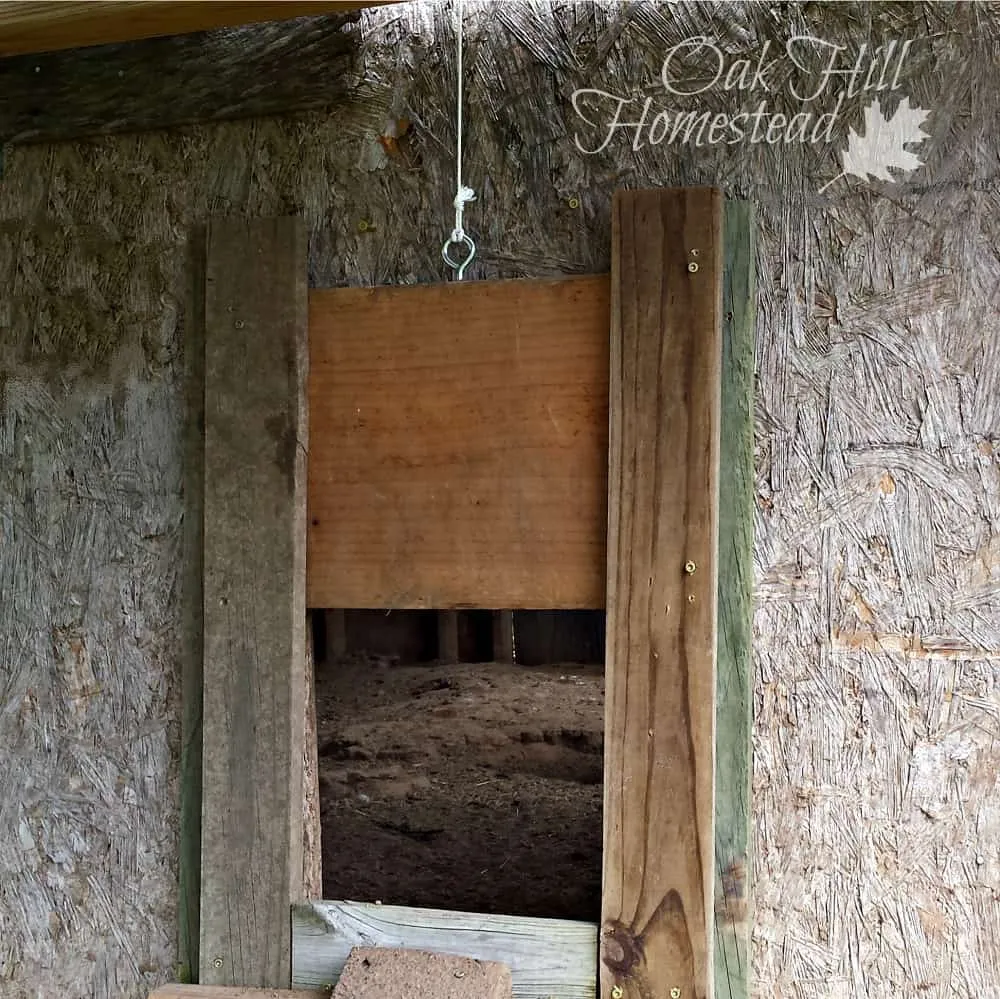
Chicken Coop Door Ideas
Designing and building a chicken coop is a rewarding experience, but selecting the right door is crucial for the safety, security, and convenience of your feathered friends. The door is not just an entry point; it’s a primary defense against predators, a barrier against weather, and a key element in the overall functionality of your coop. This guide explores top chicken coop door ideas, focusing on design, materials, automation, and security. Whether you’re a seasoned chicken keeper or a beginner, these ideas will help you choose the perfect door for your coop, ensuring your chickens are safe, happy, and well-protected.
Types of Chicken Coop Doors
The type of door you choose greatly impacts the functionality and security of your chicken coop. Different door styles offer various advantages, so understanding the options is the first step in making the right decision. From classic swinging doors to modern automated systems, the best choice depends on your specific needs, the coop’s design, and your personal preferences.
Swinging Doors

Swinging doors are a common and straightforward choice for chicken coops. They are hinged on one side and swing open and closed. These doors are relatively easy to build and install, making them a good option for DIY projects. They can be constructed from various materials, including wood and metal. Swinging doors are a good option if you’re looking for a simple and easily accessible solution.
Sliding Doors
Sliding doors offer a space-saving design that is ideal for coops where space is limited. These doors move horizontally along a track and can be opened and closed manually or with an automated system. Sliding doors are often made of wood or metal and are a good option for predator control. They’re very secure when properly installed, making them a secure choice. They are also beneficial to those with mobility issues.
Roll-Up Doors
Roll-up doors are a modern solution that uses a flexible material that rolls up and down, similar to a garage door. They can be easily automated with a motor, timer, or light sensor. They offer excellent convenience and are a good choice for those seeking automated solutions. These doors usually offer a sleek and modern aesthetic, blending well with contemporary coop designs.
Dutch Doors

Dutch doors, split horizontally into two sections, are a classic and practical choice. The top section can be opened independently of the bottom, offering improved ventilation and allowing you to interact with your chickens without fully opening the door. Dutch doors provide a unique aesthetic appeal and are particularly effective in warmer climates. This door style can be very beneficial for chicken keepers.
Door Materials
The materials used to construct your chicken coop door directly impact its durability, security, and overall performance. Choosing the right material is crucial for ensuring the door withstands the elements, resists predators, and lasts for years to come. Consider factors like climate, predator presence, and your personal preferences when selecting door materials.
Wood Doors
Wood is a traditional and versatile material for chicken coop doors. It’s relatively easy to work with, allowing for various designs and customizations. Wood doors can be aesthetically pleasing and blend well with the natural surroundings. However, wood is susceptible to weather damage, rot, and pest infestations. To ensure longevity, wood doors must be treated with weather-resistant finishes and regularly maintained. Consider using rot-resistant woods such as cedar or redwood.
Metal Doors

Metal doors, often made of steel or aluminum, are highly durable and provide excellent security against predators. They are resistant to weather, pests, and damage. Metal doors require minimal maintenance and offer a longer lifespan than wooden doors. While they can be more expensive, the added security and durability often make them a worthwhile investment. Metal doors can be painted or powder-coated for a more appealing look.
Plastic Doors
Plastic doors are lightweight and easy to install. They are resistant to weather, rot, and pests. Plastic doors are often less expensive than wood or metal options. However, they may not offer the same level of security against predators as metal doors, and they can be damaged by extreme temperatures. Plastic doors are a good choice for those seeking a budget-friendly and low-maintenance option.
Door Automation
Automating your chicken coop door can significantly improve convenience and provide an added layer of security. Automatic door systems open and close the door at set times or based on light conditions, eliminating the need for manual operation. This is especially beneficial for busy chicken keepers or those who live in areas with early sunrises and late sunsets.
Manual Doors

Manual doors require you to open and close the door by hand. They are the most straightforward option and suitable for those who enjoy regular interaction with their chickens. Manual doors offer complete control over the opening and closing times, but they require consistency and can be inconvenient if you have an inconsistent schedule. They are also the most affordable option.
Automatic Doors
Automatic doors use a motor, timer, or light sensor to open and close the door automatically. They offer convenience, especially for those who work long hours or travel frequently. They provide added security against predators, as the door closes at dusk and opens at dawn. There are many automatic door kits available, making installation straightforward. However, they require electricity or batteries and regular maintenance.
Door Security Features
Securing your chicken coop door is critical for protecting your flock from predators. Implementing effective security features can prevent unwelcome guests from gaining access to your chickens, ensuring their safety. Consider different security measures and features when designing and building your coop.
Latches and Locks

Using sturdy latches and locks is essential for keeping predators out. Choose latches and locks that are resistant to tampering and can’t be easily opened by clever animals. Barrel bolts, sliding bolts, and spring-loaded latches are common choices. Consider using multiple latches or locks on the door for added security. Regular inspection of latches and locks is crucial to ensure they function correctly.
Predator-Proofing
In addition to latches and locks, implementing predator-proofing measures is essential. Ensure the door fits snugly within its frame, leaving no gaps that predators can exploit. Reinforce the door with metal sheeting or hardware cloth to prevent animals from chewing through the wood. Bury hardware cloth around the perimeter of the coop to prevent digging predators from entering under the door. Consider an automatic door with a secure locking mechanism to keep your chickens safe.
Door Size and Placement
Proper door size and placement are crucial factors to consider when designing and building your chicken coop. The door’s size must accommodate the chickens’ entry and exit needs and make maintenance easier. The door’s placement should be convenient for both the chickens and the owner.
Door Sizing Guidelines

The door’s size should be large enough for the chickens to pass through comfortably, even when carrying food or other items. A general guideline is to make the door at least 12 inches wide and 18 inches high. For larger breeds, you may need a larger door. Consider the size of your largest chicken and ensure the door can accommodate them. Ensure the door is not too large, as this could compromise security.
Door Placement Recommendations
The door should be placed in a location that is easily accessible for both the chickens and the coop owner. Place the door in a location that provides protection from prevailing winds and rain. Consider the chickens’ access to the run and the coop’s internal layout when deciding on the placement. It is best to place the door at a comfortable height for easy access and maintenance.
Door Aesthetics
While functionality is paramount, the aesthetic appeal of your chicken coop door can add charm and character to your backyard. You can easily enhance the door’s appearance through various design choices, ensuring it complements your overall coop design and enhances your outdoor space.
Color and Finish Options
Choosing the right color and finish for your door can significantly impact its appearance. Consider using weather-resistant paints or stains to protect the wood and enhance its aesthetic appeal. You can choose a color that matches the coop’s overall design or opt for a contrasting color to make the door a focal point. Using bright colors can also improve visibility and make the door easier to spot.
Decorative Elements
Adding decorative elements can enhance the visual appeal of your chicken coop door. Consider adding trim, molding, or decorative hardware. You can also incorporate custom designs, such as cut-out shapes or painted artwork. The decorative elements should complement the coop’s design and add a touch of personality. Ensure that any decorative elements don’t compromise the door’s functionality or security.
Door Maintenance and Repair
Regular maintenance and timely repairs are essential for ensuring your chicken coop door remains functional and secure. Proper care can extend the door’s lifespan and prevent potential issues. A well-maintained door not only protects your chickens but also saves you time and money on repairs.
Regular Inspections
Conducting regular inspections of your chicken coop door is essential for identifying any issues early on. Check for signs of wear and tear, such as cracks, rot, or loose hinges. Examine the latches and locks to ensure they are functioning correctly. Look for any gaps or openings that predators could exploit. The frequency of inspections should depend on the door’s material and the environmental conditions. Inspect the door at least twice a year, or more often if you live in a harsh climate.
Cleaning and Maintenance
Cleaning and maintaining your chicken coop door can extend its lifespan and ensure it functions correctly. Regularly clean the door to remove dirt, debris, and any buildup. Apply a weather-resistant sealant to protect the wood from moisture and weather damage. Lubricate hinges and moving parts to ensure smooth operation. Follow the manufacturer’s instructions for cleaning and maintaining specific door materials.
Repairing Common Issues
Addressing common issues promptly is crucial for maintaining the door’s functionality and security. Repair any cracks or damage to the door immediately. Replace any worn or damaged hinges, latches, or locks. If the door is sticking or not closing properly, adjust the hinges or frame as necessary. If you are not comfortable with repairs, seek professional help. Regular repairs can prevent small problems from becoming major issues and ensure your chickens’ safety.
Choosing the right chicken coop door is a key decision, affecting the safety, security, and convenience of your flock. By considering different door types, materials, automation options, and security features, you can create a coop that meets your chickens’ needs while enhancing the look of your backyard. Regular maintenance and timely repairs ensure your door remains in top condition, providing long-term protection for your beloved chickens.