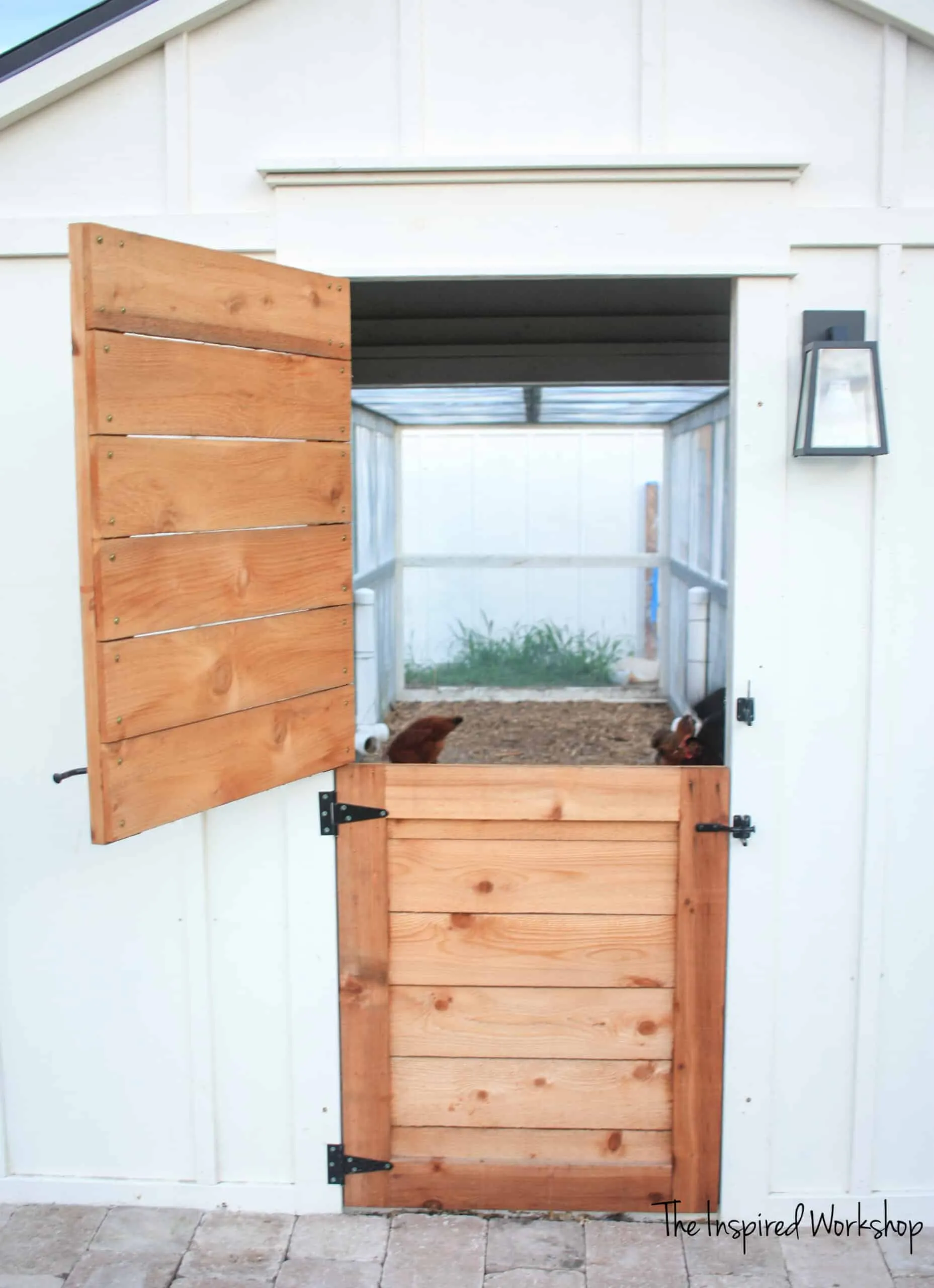
What You Need for Chicken Coop Door Installation
Installing a chicken coop door is a manageable DIY project that significantly enhances the security and functionality of your coop. Proper installation ensures your chickens are safe from predators and protected from the elements. This guide provides a comprehensive overview of the process, from gathering the necessary tools and materials to the final steps of weatherproofing and maintenance. With careful planning and execution, you can create a secure and convenient entry point for your flock. This is a cost-effective way to protect your chickens and maintain a healthy environment within the coop. The information provided will assist you in making informed decisions and completing the project successfully.
Essential Tools for the Job
Before you begin, gather the essential tools to make the installation process smoother and more efficient. A reliable power drill or screwdriver is crucial for attaching the door frame, hinges, and latch. A measuring tape ensures accurate measurements for the door opening and frame. A level is vital for ensuring the door frame is perfectly aligned, preventing any gaps that could compromise security. Safety glasses protect your eyes from debris, while work gloves provide a better grip and protect your hands. A saw, either a hand saw or a power saw, will be needed if you need to cut the door or frame to size. Having these tools readily available will minimize delays and help you complete the project with precision and ease. Also, a pencil or marker will be used for marking cuts and measurements.
Materials Checklist

Creating a detailed materials checklist is essential to avoid last-minute trips to the hardware store and to ensure you have everything you need. Start with the door itself, which can be pre-made or built from scratch. Choose a door material that is weather-resistant and durable, such as pressure-treated wood or a composite material. Next, you’ll need the door frame components, which can be constructed from wood or purchased as a pre-made kit. Consider the hinges – choose sturdy hinges designed for outdoor use, and make sure they are the appropriate size and weight rating for your door. A secure latch or lock is essential for keeping predators out. Finally, gather screws, nails, and any weatherproofing materials like sealant or weatherstripping to protect the door from the elements.
Choosing the Right Door
Selecting the right door is vital for both the security and convenience of your chicken coop. Consider the size of your coop and the number of chickens you have when determining the door dimensions. The door should be large enough for chickens to comfortably enter and exit but small enough to prevent easy access for predators. Think about the door’s operation – will it swing, slide, or roll up? A swinging door is a common choice, but sliding doors can be more space-efficient. Also, assess the design of the door. Look for a design that is robust and resistant to the elements. Consider adding a window to the door, allowing for more natural light and improved ventilation within the coop. Moreover, if you opt to build the door, make sure the materials are safe for the chickens and do not contain any toxic substances.
Selecting a Door Size
The size of your chicken coop door directly impacts the usability and safety of your coop. A door that is too small can cause congestion, stress for your chickens, and make it difficult for them to enter or exit quickly, particularly during emergencies. Conversely, an excessively large door could compromise the security of the coop. Measure the opening of the coop carefully, and factor in the thickness of the door frame. Aim for a door that is large enough for the chickens to move freely, but not so large that it provides an easy entry point for predators. A general guideline is to make the door at least 12 inches wide and 18 inches tall for standard-sized chickens. Consider the largest bird in your flock and ensure the door is sized to accommodate them comfortably.
Door Material Options

The material you choose for your chicken coop door affects its durability, weather resistance, and overall security. Wood is a classic choice, offering a natural look and ease of customization. Pressure-treated wood is excellent for outdoor use due to its resistance to rot and pests, ensuring the longevity of your coop door. However, if using pressure-treated wood, ensure it is safe for chickens by applying a sealant to prevent the leaching of harmful chemicals. Metal doors offer superior security and resistance to predators, but they can be more difficult to work with and may require more specialized tools. Composite materials, such as recycled plastic, offer a balance of durability and weather resistance with low maintenance, they’re a great eco-friendly alternative. Consider your local climate and the level of security required when making your decision, and make sure that the door material is easy to clean and maintain.
Step-by-Step Chicken Coop Door Installation
Once you have gathered all the materials and tools, you can begin the installation process. Following these steps ensures a secure and functional door for your chicken coop.
Preparing the Coop Opening
Before installing the door, prepare the coop opening to ensure a proper fit. Measure the opening accurately to determine the correct size for the door frame. If necessary, trim the opening to create a clean and level surface. Remove any existing obstructions, such as protruding nails or splinters, that could interfere with the installation. Ensure the opening is square and plumb by using a level. If the opening is not square, you may need to make adjustments to the door frame to ensure it fits properly. This step is critical for a smooth and secure installation and lays the foundation for a weathertight seal.
Installing the Door Frame

The door frame provides structural support for the door and the mounting point for the hinges. Position the frame within the coop opening, ensuring it is level and aligned. Secure the frame to the coop walls using screws or nails, taking care to drive the fasteners straight and flush with the frame. Use a level to verify the frame is perfectly vertical and horizontal. Ensure the frame is firmly attached to the coop structure to withstand regular use and potential forces from wind or predators. Consider using shims to achieve a perfect fit if the coop opening is not perfectly square. Take your time during this step, as the accuracy of the frame installation will greatly impact the door’s functionality.
Attaching the Door to the Frame
Once the frame is installed, you can attach the door. Place the door within the frame, ensuring it aligns properly. Position the hinges on both the door and the frame, making sure they are evenly spaced and correctly aligned. Drill pilot holes before inserting screws to prevent the wood from splitting. Secure the door to the frame with the hinges, using the appropriate screws for your hinges. Double-check the alignment and operation of the door as you attach the hinges. Ensure that the door swings freely without rubbing against the frame. Check for any gaps between the door and the frame. This stage requires precision and careful alignment to ensure the door operates correctly and creates a secure seal.
Securing the Door with Hinges
Hinges are essential for the proper function and longevity of your chicken coop door. Select hinges appropriate for the size and weight of your door. Position the hinges evenly along the edge of the door and the frame. Before attaching the hinges, ensure the door is correctly aligned within the frame and that it opens and closes smoothly. Pre-drill pilot holes to prevent the wood from splitting, especially with hardwood doors. Use screws of the correct size for the hinges and the thickness of the door and frame. Tighten the screws firmly, but avoid over-tightening, which could damage the wood or strip the screw holes. Regularly inspect the hinges for wear and tear and tighten any loose screws to maintain the door’s security and functionality.
Adding a Latch or Lock

A secure latch or lock is crucial for keeping predators out of your chicken coop. Choose a latch that is easy for you to operate but difficult for animals to manipulate. There are many options, from simple latches to more complex locking mechanisms. Install the latch on the door and frame, ensuring it aligns correctly and engages securely. Test the latch repeatedly to ensure it functions smoothly and reliably. For added security, consider using a lock that requires a key or combination. Position the latch and lock so they are out of reach of potential predators. Regular checks of the latch and lock will help ensure your chickens remain protected.
Weatherproofing Your Chicken Coop Door
Weatherproofing your chicken coop door will protect it from the elements and extend its lifespan, while keeping your chickens safe and comfortable. Preventing drafts and water ingress will help maintain a stable internal environment.
Sealing Gaps and Cracks
Sealing gaps and cracks around the door is essential to prevent drafts, water leaks, and pest entry. Use caulk or sealant to fill any gaps between the door frame and the coop walls. Apply weatherstripping around the door frame to create a tight seal when the door is closed. Check for any cracks in the door itself and fill them with wood filler or caulk, and then seal with paint or a protective coating. Periodically inspect the seals and weatherstripping for wear and tear, and replace them as needed. Proper sealing not only protects your chickens from the elements but also helps to conserve heat in colder months.
Protecting Against the Elements

Protecting your chicken coop door from the elements is key to its longevity. Apply a water-resistant sealant or paint to the door to prevent water damage. Consider adding an overhang or a small roof above the door to deflect rain and snow. Choose materials that are resistant to rot and decay. Regularly inspect the door for any signs of weathering or damage and make repairs promptly. By taking these steps, you can ensure your chicken coop door withstands the elements and continues to function effectively for years to come.
Maintaining Your Chicken Coop Door
Regular maintenance will ensure the longevity and functionality of your chicken coop door. Implementing a maintenance routine helps prevent problems before they arise.
Regular Inspections
Regular inspections are essential for maintaining your chicken coop door. Check the door, frame, hinges, latch, and seals for any signs of wear and tear. Look for loose screws, cracks, rot, or any other damage. Inspect the weatherstripping and sealant for deterioration. Make any necessary repairs or replacements promptly. Inspect the door’s operation to ensure it opens and closes smoothly and that the latch or lock functions correctly. Regular inspections will help prevent small issues from becoming major problems and extend the life of your door.
Cleaning and Lubrication
Regular cleaning and lubrication are key components of chicken coop door maintenance. Clean the door and frame periodically to remove dirt, debris, and any buildup. Lubricate the hinges and latch mechanism with a suitable lubricant to ensure smooth operation. Avoid using lubricants that could be toxic to your chickens. Clean any spills or stains promptly to prevent damage. By keeping your door clean and well-lubricated, you can prolong its life and ensure it functions properly for years to come.