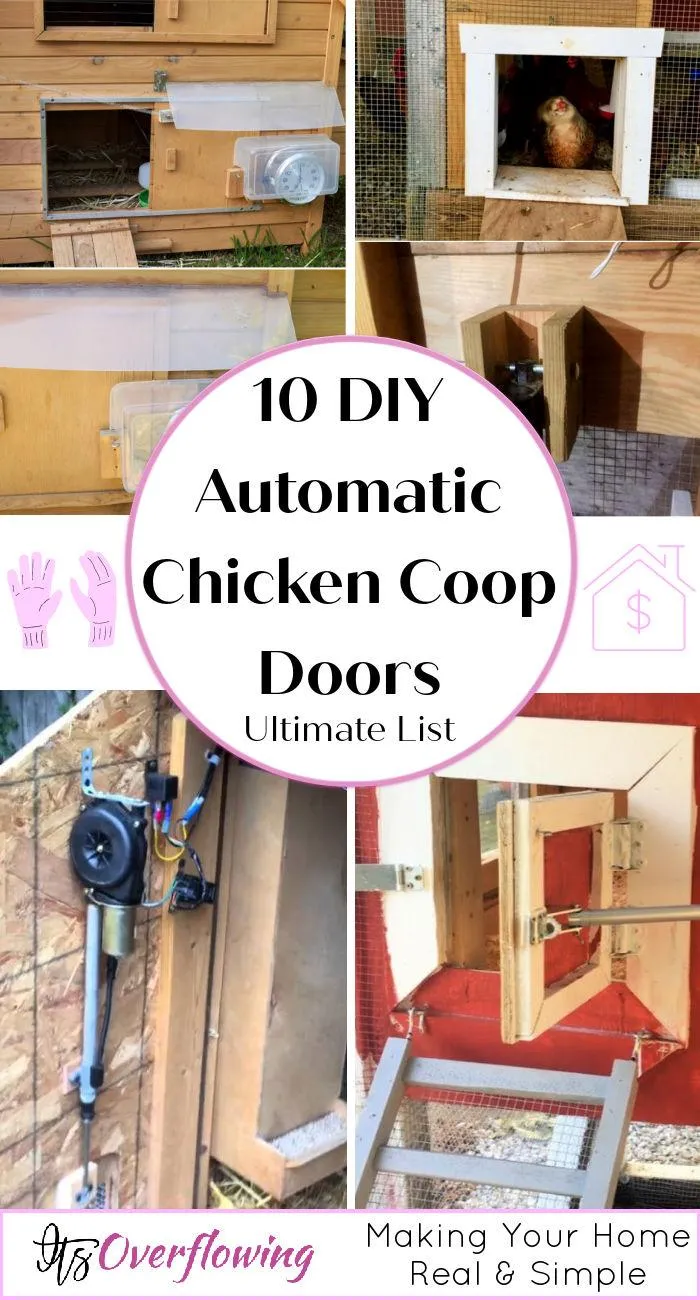
Chicken Coop Doors 7 Inspiring Designs
Creating the perfect chicken coop involves many crucial decisions, and one of the most important is choosing the right door. A well-designed chicken coop door not only provides secure access for your feathered friends but also contributes to the overall safety and aesthetic appeal of your coop. With numerous options available, from simple DIY builds to advanced automated systems, this guide presents seven inspiring designs to help you select the ideal door for your chickens.
Sliding Chicken Coop Doors
Sliding doors are a popular choice for chicken coops due to their ease of use and space-saving design. They glide horizontally, making them ideal for coops where space is limited. This design minimizes the swing radius, preventing obstructions. Sliding doors offer excellent security when constructed with sturdy materials and a reliable locking mechanism. They are particularly well-suited for larger coops and can be automated for added convenience.
Materials for Sliding Doors

The materials used for a sliding door significantly impact its durability and security. Common materials include wood (such as cedar or pressure-treated lumber), metal (like aluminum or galvanized steel), and composite materials. Wood provides a classic look but requires regular maintenance to withstand the elements. Metal offers superior strength and longevity, while composites combine the benefits of both materials with reduced maintenance. Consider the climate and potential predators in your area when selecting materials.
Building a Sliding Door
Constructing a sliding door involves building a frame, attaching the door panel, and installing a sliding mechanism. The frame should be sturdy and precisely fitted to the coop’s opening. The door panel can be made from various materials, ensuring it fits snugly within the frame. A sliding mechanism typically includes tracks and rollers or wheels. Proper alignment and smooth operation are essential for preventing jamming. Regularly inspect and lubricate the sliding mechanism to maintain optimal performance.
Hinged Chicken Coop Doors
Hinged doors are a traditional and versatile option for chicken coops. They swing open on hinges, providing easy access to the coop. Hinged doors are available in various styles and can be customized to match your coop’s design. Their simplicity makes them relatively easy to build and install. However, they require sufficient clearance for the door to swing freely. Proper hinge placement and sturdy construction are crucial for longevity and security.
Types of Hinged Doors

Hinged doors can be single or double-leaf, depending on the size of the coop and the available space. A single door is suitable for smaller coops or access points, while double doors provide a wider opening for larger coops. The swing direction (inward or outward) should be considered based on the coop’s layout and potential obstructions. Consider the wind direction to avoid wind-related issues with doors.
Hinged Door Construction
Building a hinged door starts with a sturdy frame and a door panel. The frame should be precisely sized to fit the coop opening. The door panel can be constructed from wood, metal, or composite materials, ensuring it’s properly secured within the frame. Install high-quality hinges that are appropriately sized for the door’s weight and secured with screws. Ensure the door swings freely and latches securely to prevent unwanted entry.
Automatic Chicken Coop Doors
Automatic chicken coop doors offer convenience and enhanced security, especially for busy chicken keepers. These doors open and close automatically at set times or in response to light sensors, providing consistent protection and preventing the need for manual operation. They eliminate the risk of forgetting to open or close the door, protecting chickens from predators. Automatic doors are available in both sliding and hinged designs.
Benefits of Automatic Doors

The primary benefit of an automatic door is convenience. They automate the daily routine of opening and closing the coop door, saving time and effort. Automatic doors offer enhanced security by ensuring the coop is closed at dusk and opened at dawn, which can be vital in deterring predators. They also provide peace of mind, knowing your flock is protected even when you’re away from home. Many models also include safety features like obstruction sensors.
Installing Automatic Doors
Installing an automatic door typically involves attaching the unit to the coop frame and connecting it to a power source. Most units come with detailed instructions and can be installed with basic tools. Ensure the door is correctly aligned and that the opening and closing mechanisms are unobstructed. Follow the manufacturer’s instructions to program the door’s timer or light sensor settings. Regular maintenance includes checking the batteries and lubricating moving parts.
DIY Chicken Coop Doors
Building your own chicken coop door is a rewarding DIY project that allows for customization and cost savings. DIY doors can be tailored to the specific needs of your coop and the available materials. The process involves planning, measuring, cutting, and assembling the door. DIY projects offer opportunities to incorporate creative designs and unique features. A well-built DIY door can be just as secure and functional as a commercially-made one.
Simple DIY Door Designs

Simple DIY door designs often involve a basic frame, a door panel, and hinges or a sliding mechanism. Consider designs that are easy to construct with readily available materials. Plans for simple doors are often available online, offering step-by-step instructions and material lists. Focus on functionality and security, ensuring the door fits securely and prevents predator access. You can customize the door’s size and design to suit your coop’s specific requirements.
DIY Door Materials and Tools
Essential materials for a DIY door include wood, screws, hinges or a sliding mechanism, and a latch or lock. Choose materials that are weather-resistant and suitable for outdoor use. Common tools include a saw, drill, screwdriver, measuring tape, and level. Safety glasses and gloves are recommended for all DIY projects. Consider using a pre-made door kit to simplify the process, especially if you’re a beginner.
Chicken Coop Door Security
The primary purpose of a chicken coop door is to provide security and protect your flock from predators. Security considerations should be the priority during the design and construction phase. Choose materials and construction methods that create a robust and secure barrier. Regularly inspect your door for any signs of damage or wear, and make necessary repairs promptly.
Predator-Proofing Your Door

To make your door predator-proof, use sturdy materials, such as solid wood or metal. Install a secure latch or lock that is resistant to tampering. Ensure the door fits snugly within the frame to prevent predators from prying it open. Bury hardware cloth or wire mesh around the perimeter of the coop. Regular inspections of the door and surrounding structures are important to prevent predator breaches.
Door Latches and Locks
The latch or lock is a critical component of a secure chicken coop door. Choose latches that are difficult for predators to manipulate. Consider using a slide bolt, barrel bolt, or hasp and staple. For added security, you could add a padlock. Regularly check the latch to ensure it functions correctly and hasn’t been damaged. Ensure that the latch is placed out of reach of the predator.
Aesthetic Chicken Coop Door Designs
While functionality and security are the top priorities, the aesthetics of your chicken coop door can also enhance the overall appearance of your backyard space. There are numerous design options to consider, from rustic and charming to modern and sleek. A well-designed door can complement your coop’s architectural style and create a cohesive and appealing look.
Door Styles and Finishes

Consider different door styles to match the look of your coop, such as a classic farmhouse style or a more contemporary design. The finish of your door can significantly impact its appearance. Paint or stain the door to protect it from the elements and enhance its visual appeal. Decorative details, such as trim, carvings, or unique hardware, can add character and charm.
Integrating Doors with Coop Design
The design of your chicken coop door should integrate seamlessly with the overall coop design. Choose a door style and finish that complement the coop’s architecture and color scheme. Consider the size and placement of the door in relation to other features, such as windows and ventilation openings. A cohesive design enhances the visual appeal of your coop and creates a functional and aesthetically pleasing space for your chickens.
In conclusion, the right chicken coop door is an essential element of a secure, functional, and visually appealing coop. Consider the different design options, including sliding, hinged, automatic, and DIY doors, each with its own benefits and features. Prioritize security by using sturdy materials, installing robust latches, and implementing predator-proofing measures. Don’t hesitate to explore the aesthetic possibilities to complement your coop and create a welcoming and secure environment for your flock. By carefully selecting the right door, you’ll improve the safety of your chickens and enhance the overall appeal of your backyard space.