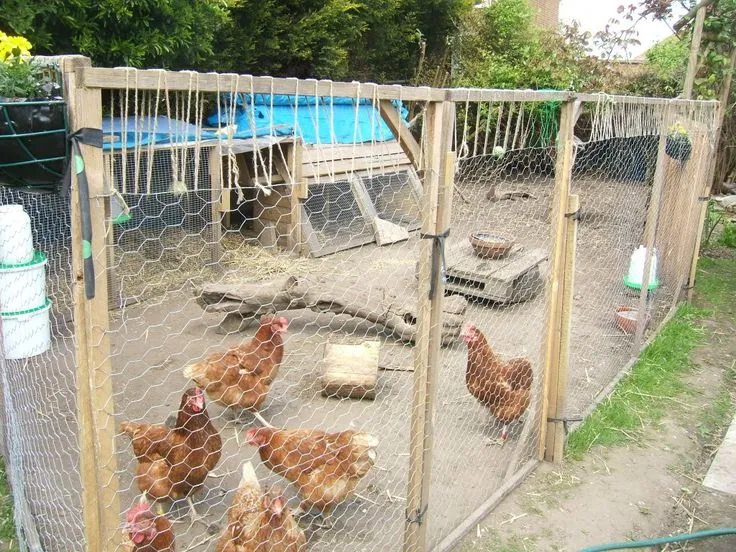
Building a chicken coop fence is a crucial step in ensuring the safety and well-being of your flock. A well-constructed fence not only keeps your chickens in but also protects them from predators, such as foxes, raccoons, and hawks. This comprehensive guide will walk you through the essential steps, from planning and material selection to construction and maintenance, providing you with the knowledge you need to build the best chicken coop fence possible. Properly secured chickens lead to a happy chicken and a happy chicken owner.
Planning Your Chicken Coop Fence
Careful planning is the foundation of any successful fence project. Before you even think about buying materials, you need to consider several factors to ensure your fence meets your chickens’ needs and complies with local regulations. Taking the time to plan will save you time, money, and headaches in the long run. Proper planning can prevent costly mistakes and ensure the long-term security of your chickens, allowing you to enjoy your flock for years to come. The first consideration is always location, location, location.
Choosing the Right Location
The location of your chicken coop fence is one of the most important aspects of the planning phase. The ideal location should provide adequate space for your chickens to roam, easy access for you, and be relatively flat to simplify construction. You’ll want to pick a location that provides some shade and protection from the elements, particularly harsh winds and direct sunlight. Consider the natural drainage of your property to avoid areas that collect water, which can create muddy conditions and attract pests. Furthermore, consider proximity to your home, as this can make it easier to monitor your flock and maintain the coop.
Assessing Your Property

Walk the perimeter of the proposed fence area, paying close attention to the existing landscape. Identify any potential obstacles, such as trees, rocks, or underground utilities, that could complicate construction. Take note of the soil type, as this will influence the type of posts you can use and how deep you need to set them. Assess the level of predator activity in your area. This will influence your choice of fence material and the need for additional predator deterrents, such as burying the fence or adding an apron. Finally, consider the direction of the prevailing winds and sun exposure, which can affect the chickens’ comfort.
Considering Local Regulations
Before you begin construction, check with your local authorities regarding any zoning regulations or building codes that may apply to chicken coops and fences. These regulations can vary significantly depending on your location and may dictate the height, material, or placement of your fence. Some areas may have restrictions on the types of animals you can keep or the size of your coop. Failing to comply with local regulations can result in fines or, at worst, the need to dismantle your fence, so always do your research first. Contact your local building department or homeowner’s association to obtain the necessary information.
Selecting the Ideal Fence Type
Choosing the right type of fence is crucial for the safety and security of your chickens. Several factors influence this choice, including the local predator population, your budget, and your aesthetic preferences. Each material has its own set of advantages and disadvantages, so it’s important to carefully consider your options. Here are a few of the most common types of fences used for chicken coops.
Chicken Wire Fencing

Chicken wire is a budget-friendly option, but it is not the most secure choice against predators. It’s made of thin, galvanized steel wire, woven together in a hexagonal pattern. Chicken wire is easy to install and readily available at most hardware stores. It is lightweight and allows good visibility, making it easy to see your chickens. However, it is also relatively flimsy and can be easily torn or chewed through by determined predators. Furthermore, chicken wire is not ideal for containing larger predators or preventing digging, which can compromise the security of your coop.
Pros and Cons
- Pros Easy to install, Affordable, Good visibility
- Cons Not predator-proof, Prone to rust, Can be easily damaged
Hardware Cloth
Hardware cloth is a much more robust option than chicken wire, making it an excellent choice for predator protection. This material consists of a welded or woven wire mesh with small square or rectangular openings. Hardware cloth is typically made of galvanized steel, making it more resistant to rust and corrosion. The smaller openings prevent predators from reaching through and grabbing your chickens. It is also more difficult for predators to tear or chew through. While more expensive than chicken wire, hardware cloth provides superior security and peace of mind. The tighter weave also prevents chickens from escaping if they are smaller breeds or chicks.
Pros and Cons

- Pros Highly predator-resistant, Durable, Prevents digging
- Cons More expensive than chicken wire, Less visibility
Wood Fencing
Wood fencing offers a more traditional and aesthetically pleasing option. It can be constructed from various types of wood, such as cedar, redwood, or pressure-treated lumber. Wood fences provide excellent predator protection when built correctly. They can also enhance the overall appearance of your property. However, wood fences require regular maintenance to prevent rot and decay. They can also be more expensive and time-consuming to build than other types of fencing. The type of wood you select also affects the longevity and maintenance requirements. Consider the climate in your area and select a wood that’s suitable for those conditions.
Pros and Cons
- Pros Attractive, Durable, Good predator protection
- Cons Requires maintenance, More expensive, Can rot
Metal Fencing

Metal fencing, such as chain-link or welded wire, offers a strong and durable solution. Chain-link fences are particularly effective at deterring predators. Welded wire fences are also robust and can be customized to meet specific needs. Metal fences are generally low-maintenance and long-lasting. They are also available in various heights and styles. One downside is that they may not be as visually appealing as wood fences, and some predators can climb chain-link fences. Ensure the mesh size is small enough to prevent predators from entering.
Pros and Cons
- Pros Strong, Durable, Low maintenance
- Cons Can be expensive, Less aesthetically pleasing, Predators can climb
Essential Materials and Tools
Having the right materials and tools is crucial for a successful chicken coop fence project. The specific items you’ll need will depend on the type of fence you choose, but some basic components are essential for any project. Make sure to purchase high-quality materials to ensure the longevity and security of your fence.
Posts and Support Structures

The posts are the backbone of your fence, providing structural support and stability. Choose posts that are appropriate for your chosen fencing material and the soil type in your area. Wood posts are a popular choice and can be made from pressure-treated lumber, cedar, or redwood. Metal posts, such as steel or aluminum, offer excellent durability and require less maintenance. You’ll also need to consider the size and spacing of your posts. The height of the posts should be sufficient to contain your chickens and deter predators. Proper spacing will prevent the fence from sagging and ensure its overall strength. Consider using corner posts and gate posts for added structural integrity.
Fencing Material
As discussed earlier, the fencing material you select will depend on your needs and preferences. Chicken wire, hardware cloth, wood, and metal fencing are all viable options. Ensure the material is appropriate for the type of predators in your area. If predator control is a priority, hardware cloth or a sturdy metal fence is recommended. The fencing material should be securely attached to the posts using appropriate fasteners, such as staples, nails, or screws, depending on the material. Measure accurately and purchase enough fencing material to cover the entire perimeter of your chicken coop.
Gates and Hardware
A secure gate is essential for providing access to your chicken coop while maintaining predator protection. The gate should be constructed from the same material as your fence. It should be sturdy enough to withstand wear and tear. You’ll need hinges, a latch, and possibly a lock to secure the gate properly. Choose hardware that is durable and weather-resistant. Consider the size and style of your gate based on the size of your coop and your desired level of access. Ensure the gate closes tightly and doesn’t leave any gaps that predators can exploit. Regularly inspect the gate and hardware for any signs of damage or wear and tear, and replace worn parts as needed.
Tools You’ll Need

The tools you’ll need will vary depending on the type of fence you build, but a few essential items are common to most projects. A post hole digger or auger is necessary for setting the posts. A level is essential for ensuring that your posts are straight and plumb. A tape measure is needed for accurate measurements. A hammer, staple gun, or nail gun will be used to attach the fencing material to the posts. Safety glasses and work gloves are essential for protecting yourself while working. Other helpful tools include wire cutters, a saw (for wood fences), a drill, and a shovel. Always prioritize safety and wear appropriate personal protective equipment.
Step-by-Step Construction Guide
Building a chicken coop fence requires careful planning and execution. Following these steps will help you construct a secure and effective fence. Taking your time and ensuring each step is done correctly will result in a durable and long-lasting fence that protects your chickens from predators. Consider enlisting a helper for certain tasks, such as setting posts or attaching fencing material.
Preparing the Ground
Before setting the posts, clear the area of any obstructions, such as rocks, roots, and debris. Use a string line and stakes to mark the perimeter of your fence. Measure the distance between each post and dig the post holes according to the manufacturer’s instructions or local building codes. The depth of the holes will depend on the height of your fence, the type of soil, and the local frost line. Ensure the holes are wide enough to accommodate the posts and provide adequate support. Compact the soil at the bottom of each hole to provide a stable base.
Setting the Posts
Insert the posts into the holes, ensuring they are level and plumb. Use a level to check the alignment of each post in both directions. Brace the posts with temporary supports to keep them in place while the concrete sets. If you’re using concrete, mix it according to the manufacturer’s instructions and pour it around the posts. Allow the concrete to cure completely before proceeding with the next step. If you’re not using concrete, pack the soil firmly around the posts, tamping it down to provide stability. Make sure corner posts and gate posts are extra sturdy to withstand the forces exerted by the fence.
Attaching the Fencing Material
Once the posts are set, it’s time to attach the fencing material. Start at one corner and unroll the fencing material along the posts. Use staples, nails, or screws, depending on the material, to secure the fencing material to the posts. Make sure the fencing material is taut and evenly stretched. Trim any excess material with wire cutters. Overlap the fencing material at the corners and secure it with fasteners. If using hardware cloth or chicken wire, ensure there are no gaps that predators can exploit. The fence should be flush against the posts for maximum security. Check the fence frequently as you work to be sure the material is still tight and free of weak points.
Installing the Gate
Attach the hinges to the gate and the gate post, ensuring they are aligned correctly. Hang the gate on the hinges and adjust as needed. Install a latch or lock to secure the gate. Test the gate to ensure it opens and closes smoothly and latches securely. Make sure there are no gaps that predators can use to enter. If necessary, adjust the gate or hardware to ensure a tight fit. Regularly lubricate the hinges and latch to keep them functioning properly. Consider using a double-latch system for extra security against determined predators.
Securing the Fence
Once the fence and gate are complete, take extra steps to secure it. Burying the bottom of the fence is essential for preventing predators from digging underneath. Ensure there are no gaps or openings anywhere along the fence line. Add an apron, which is an outward-facing extension of the fencing material buried underground, to prevent digging. This is especially important in areas with a high predator population. Inspect the fence regularly for any signs of damage or weakness. Repair any damage immediately to maintain the fence’s integrity. Proper securing measures can make the difference between a secure coop and one vulnerable to predators.
Ensuring Predator Protection
Predator protection is the primary goal of a chicken coop fence. Various methods can enhance the security of your fence and protect your chickens from harm. Incorporating these techniques can significantly reduce the risk of predator attacks and give you peace of mind. The following methods will help to fortify your chicken coop fence and improve predator deterrence.
Burying the Fence
Burying the bottom of your fence is an essential step in preventing predators from digging under. Dig a trench around the perimeter of the fence, at least 6-12 inches deep. Extend the fencing material into the trench, and then backfill the trench with soil or gravel. This will create a barrier that prevents predators from burrowing under the fence. An alternative to burying the fence is to install an apron, which is a horizontal extension of the fencing material that lies on the ground. The apron should extend outward from the fence and be secured to the ground with stakes or staples. This prevents predators from digging under the fence.
Adding an Apron
An apron is a great way to prevent digging predators. The apron extends the fencing material outward along the ground, making it difficult for predators to get underneath. This prevents predators from burrowing under the fence. The apron can be made of the same material as your fence or hardware cloth, for added protection. Bury the apron slightly under the soil or secure it with landscape staples. An apron, combined with burying the fence, is a highly effective defense against digging predators. Be sure to monitor the apron for any signs of digging and repair any damage immediately.
Using Electric Fencing
Electric fencing is a highly effective deterrent against predators. It delivers a brief, safe shock when touched, discouraging animals from attempting to breach the fence. Install electric fencing along the top or bottom of your chicken coop fence. Ensure the electric fence is properly grounded and that you use a charger that is designed for poultry. Electric fencing is particularly effective against climbing predators, such as raccoons and opossums. Check local regulations before installing electric fencing, as some areas have restrictions. Always follow safety precautions when working with electricity and keep the electric fence well-maintained.
Maintaining Your Chicken Coop Fence
Regular maintenance is essential for keeping your chicken coop fence in good condition and ensuring the long-term safety of your chickens. A well-maintained fence will provide years of reliable protection and prevent costly repairs. Incorporating these maintenance practices into your routine will help extend the life of your fence.
Regular Inspections
Conduct regular inspections of your chicken coop fence, ideally on a monthly basis, or more frequently if you live in an area with high predator activity. Check for any signs of damage, such as holes, tears, or loose staples. Inspect the posts for rot or decay, especially in wood fences. Examine the gate and hardware for proper function. Make sure there are no gaps or weaknesses that predators could exploit. Thorough inspections help you identify and address any potential issues before they compromise the security of your fence. Early detection and prompt repairs can prevent a small problem from becoming a significant issue.
Repairs and Replacements
Address any damage to your fence promptly. Replace any damaged sections of fencing material. Repair any loose staples or fasteners. Replace any rotting or damaged posts. Tighten loose hardware or replace broken hinges or latches. If you notice signs of digging around the fence, fill the holes and reinforce the barrier. Keeping up with repairs ensures that your fence remains effective at protecting your chickens from predators. Regular repairs will also help prevent more extensive and costly damage in the long run. Be sure to use materials that are compatible with your existing fence.
Cleaning and Maintenance
Keep your fence clean and free of debris. Remove any leaves, branches, or other materials that could accumulate and contribute to rot or rust. Trim any vegetation growing near the fence. Consider applying a sealant or preservative to wood fences to protect them from the elements. Lubricate hinges and latches to keep them functioning properly. Inspect the fence for signs of rust or corrosion, and treat as necessary. Proper cleaning and maintenance will help extend the life of your fence and ensure it continues to provide excellent protection for your chickens.
Building a chicken coop fence is an essential step in protecting your flock. By following this guide, you can create a secure and effective fence that provides your chickens with a safe and comfortable environment. Remember to plan carefully, choose the right materials, and prioritize predator protection. Regular maintenance will keep your fence in top condition for years to come. Enjoy the peace of mind that comes with knowing your chickens are safe and sound. Happy building, and may your chickens thrive!