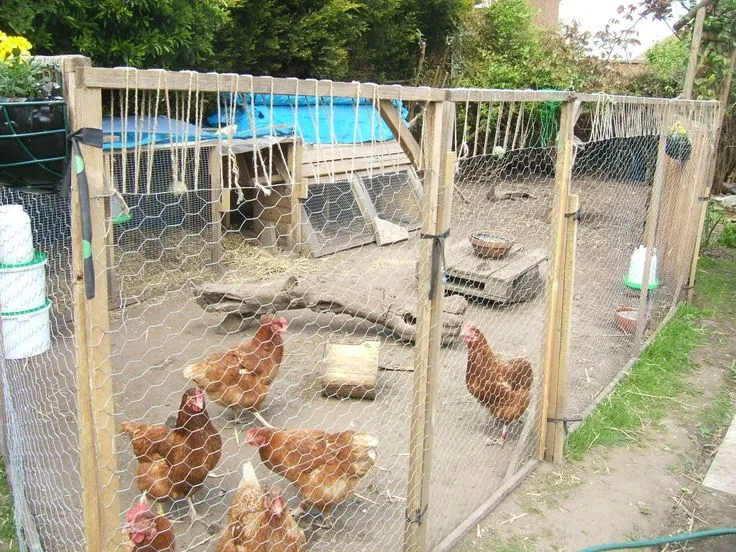
Understanding the Importance of Chicken Coop Fencing
Building a secure chicken coop is about more than just providing shelter from the elements; it’s primarily about protecting your flock from predators. Effective chicken coop fencing is the cornerstone of this protection, acting as the first line of defense against a wide range of threats. Without proper fencing, your chickens become easy targets, leading to loss of life, stress, and potential financial setbacks. A well-designed fence not only keeps predators out but also helps to contain your chickens, preventing them from wandering into dangerous situations or causing damage to your garden. Investing time and resources in robust fencing is an investment in the health and safety of your chickens, as well as the long-term success of your backyard poultry operation. It is crucial to consider various factors, including the local predator population, the terrain, and the specific needs of your chickens when designing and constructing your fence.
Protecting Chickens from Predators
Predator control is perhaps the most critical aspect of chicken coop fencing. Predators are opportunistic and resourceful, and they will exploit any weaknesses in your coop’s defenses. Effective fencing should address potential threats from above, below, and all sides. This often involves a combination of physical barriers, such as sturdy wire mesh or hardware cloth, and preventative measures, like burying the fence to prevent digging. Furthermore, the height of your fence and the presence of an overhang can deter predators that climb or jump. Regular inspections and maintenance are also crucial for identifying and addressing any vulnerabilities before predators can exploit them. By taking a proactive approach to predator control, you can significantly increase the chances of keeping your chickens safe and your coop secure.
Common Chicken Coop Predators

Identifying potential predators in your area is the first step in building an effective chicken coop fence. Common predators include foxes, coyotes, raccoons, opossums, dogs, cats, hawks, and owls. The specific threats you face will vary depending on your location and the local wildlife population. Raccoons are notorious for their intelligence and ability to manipulate latches and climb fences. Foxes and coyotes can easily jump or dig under fences. Birds of prey pose a threat from above, while rodents can attract larger predators. Assessing the specific risks in your area will help you to choose the most appropriate fencing materials and construction methods. Consider researching local wildlife and consulting with experienced chicken keepers in your area to determine the most prevalent threats.
Predator-Proofing Your Fence
Predator-proofing your fence involves several key strategies. Burying the fence at least 12 inches underground prevents digging predators from entering. An outward-sloping overhang, extending at least 12 inches, thwarts climbing animals. Using heavy-gauge wire mesh or hardware cloth, rather than chicken wire, ensures the fence is strong enough to withstand attacks. Secure all gates and entry points with robust latches and consider using double latches for added security. Regularly inspect your fence for any signs of damage, such as holes or weakened areas, and repair them immediately. Consider adding motion-activated lights or other deterrents to further discourage predators from approaching your coop. By implementing these measures, you can create a secure environment for your chickens.
Choosing the Right Chicken Coop Fencing Materials
Selecting the right materials is crucial for creating an effective and durable chicken coop fence. The best choice depends on your budget, the local predator pressure, and your aesthetic preferences. Consider factors such as the gauge of the wire, the size of the mesh openings, and the overall durability of the material. The materials should be resistant to rust, corrosion, and the elements. It’s also important to consider the ease of installation and maintenance. Investing in high-quality materials upfront can save you time, money, and stress in the long run. The right materials will help you build a fence that stands the test of time and provides reliable protection for your flock.
Wire Mesh

Wire mesh is a popular and versatile fencing material. It comes in various gauges and mesh sizes, offering different levels of protection and visibility. Heavier gauges provide greater strength and resistance to predators, while smaller mesh openings prevent chickens from escaping and predators from entering. Wire mesh is generally more affordable than hardware cloth, but it may be less resistant to digging and climbing. It’s important to select wire mesh that is galvanized or coated to prevent rust and extend its lifespan. Consider the size of your chickens and the types of predators you are protecting against when choosing the mesh size. Proper installation, including burying the bottom edge and adding an overhang, is critical for maximizing the effectiveness of wire mesh fencing. Ensure to check the wire mesh regularly and repair any damage immediately.
Hardware Cloth
Hardware cloth is a superior option for chicken coop fencing due to its strength and durability. It is made from heavier-gauge wire than standard wire mesh, making it more resistant to predators that might try to chew through or tear the fencing. The small mesh openings (typically ½ inch or ¼ inch) also prevent both chickens and predators from squeezing through. Hardware cloth is more expensive than wire mesh, but its increased protection and longevity often justify the higher cost. When using hardware cloth, ensure that it is securely attached to the framing of your coop and that all edges are finished to prevent injury. Hardware cloth is also well-suited for use as a buried apron and an overhang, creating a formidable barrier against predators.
Wood Fencing
Wood fencing can provide a visually appealing and effective barrier for your chicken coop, particularly when combined with other protective measures. Solid wood fences can deter some predators, but they require careful construction and maintenance to be truly predator-proof. It is essential to choose rot-resistant wood and treat it to withstand the elements. For added security, the wood can be reinforced with wire mesh or hardware cloth. Burying the fence and adding an overhang are also essential steps. Ensure that all gaps and openings are sealed to prevent predators from gaining access. Wood fencing offers the advantage of providing some visual screening, which can help your chickens feel more secure and reduce stress. However, regular inspection and maintenance are crucial to ensure its continued effectiveness.
Building Your Chicken Coop Fence

Constructing a chicken coop fence requires careful planning and execution. Begin by determining the size and shape of your coop and run. Consider the number of chickens you plan to keep and the amount of space they will need. A well-designed fence should provide ample space for your chickens to roam and forage while protecting them from predators. The construction process involves several key steps, including planning, post installation, attaching the fencing material, and reinforcing the fence. Proper installation is essential for ensuring the fence’s effectiveness and durability. It’s important to take your time and pay close attention to detail throughout the construction process, following all safety guidelines and building codes.
Planning and Layout
Before you begin construction, carefully plan the layout of your chicken coop fence. Mark the perimeter of the coop and run, considering the terrain and any obstacles. Ensure the area is level and that the fence will be securely anchored. Determine the height of the fence based on the types of predators you need to deter. Common fence heights range from 4 to 6 feet, but you may need to increase the height depending on local predator pressure. Plan for the placement of gates and entry points, ensuring they are easily accessible and can be securely closed. Take measurements and create a detailed plan, including the location of posts, the type of fencing material, and any additional features like a buried apron or overhang. Accurate planning will help you avoid costly mistakes and ensure a smooth construction process.
Post Installation
The posts are the foundation of your chicken coop fence, providing structural support and stability. Choose durable posts made from pressure-treated wood, metal, or composite materials. Space the posts at regular intervals, typically 6 to 8 feet apart, depending on the type of fencing material you are using and the expected wind load. Dig post holes deep enough to provide adequate support, following local building codes. Use concrete to set the posts in place, ensuring they are plumb and level. Allow the concrete to cure completely before attaching the fencing material. For added stability, consider using corner and end posts that are larger and set deeper than the line posts. Proper post installation is essential for a strong and long-lasting fence.
Attaching the Fencing Material

Once the posts are in place, you can begin attaching the fencing material. Stretch the fencing material tautly between the posts, ensuring that it is securely fastened. Use staples, fence clips, or other appropriate fasteners, spaced at regular intervals, to attach the fencing material to the posts. Overlap the edges of the fencing material at corners and seams and secure them tightly. Make sure the fencing material is flush with the ground or slightly buried to prevent predators from crawling under. When working with hardware cloth or wire mesh, wear gloves and eye protection to avoid injury. Take your time and ensure that the fencing material is securely attached to all posts and that there are no gaps or weak points.
Reinforcing the Fence
Reinforcing your chicken coop fence adds an extra layer of protection against predators. This can involve adding a buried apron, an overhang, or both. A buried apron is a section of fencing material that extends underground, preventing digging predators from entering the coop. Dig a trench around the perimeter of the fence, extending at least 12 inches deep and outward. Attach the fencing material to the base of the existing fence and bury the apron in the trench, compacting the soil firmly. An overhang is a section of fencing material that angles outward from the top of the fence, deterring climbing predators. Attach the overhang securely to the posts, angling it outwards at a 45-degree angle. Reinforcing your fence is a proactive measure that can significantly enhance the security of your chickens.
Buried Apron
A buried apron is a critical component of a predator-proof chicken coop fence. It prevents digging predators, such as foxes and coyotes, from tunneling under the fence and gaining access to your chickens. The apron consists of a length of wire mesh or hardware cloth that is buried underground, extending outward from the base of the fence. The width of the apron should be at least 12 inches to provide adequate protection. When installing a buried apron, dig a trench around the perimeter of the fence, at least 12 inches deep and wide. Attach the fencing material to the bottom of the existing fence and lay it flat in the trench. Backfill the trench with soil, compacting it firmly to prevent predators from digging under the apron. This creates an underground barrier that deters digging and ensures the fence is secure.
Overhang

An overhang is another essential element of a predator-proof chicken coop fence, designed to deter climbing predators. It consists of a section of fencing material that extends outward from the top of the fence, creating an obstacle that makes it difficult for predators to climb over. The overhang typically angles outwards at a 45-degree angle, making it harder for animals to get a foothold. When constructing an overhang, attach the fencing material securely to the top of the fence posts, ensuring it is angled outwards. The length of the overhang should be at least 12 inches, providing a sufficient barrier. The overhang should be constructed of strong, durable materials, such as hardware cloth or heavy-gauge wire mesh. The overhang is most effective when combined with other predator-proofing measures, such as a buried apron and secure gates.
Gates and Entry Points
Gates and entry points are essential for accessing your chicken coop, but they can also be a vulnerability if not properly secured. Choose a gate that is sturdy and durable, matching the height and construction of your fence. Ensure the gate fits snugly within the frame and that there are no gaps that predators can exploit. Use strong hinges and latches, such as carabiner clips, barrel bolts, or spring-loaded latches. Consider using multiple latches or a combination of latches for added security. Regularly check the gate and latch for wear and tear and repair any damage promptly. Position the gate away from any potential climbing aids, such as trees or structures. A secure gate is critical for protecting your chickens from predators and preventing escapes.
Choosing the Right Gate
Selecting the right gate is crucial for maintaining the security of your chicken coop. The gate should be constructed from sturdy materials, such as wood or metal, and should match the height and overall construction of your fence. The gate should fit snugly within the frame, with minimal gaps that predators could exploit. Ensure that the gate is wide enough for easy access, while also being easy to open and close. Consider the size and weight of the gate, and choose hinges and latches that can support its weight and withstand the elements. If possible, choose a gate that is made of the same materials as your fence, ensuring a consistent and cohesive appearance. Regularly inspect the gate and hinges for any signs of wear and tear and repair any damage promptly.
Securing the Gate

Securing the gate is paramount for preventing predators from entering your chicken coop. Use robust latches and locking mechanisms, such as carabiner clips, barrel bolts, or spring-loaded latches. Avoid using simple latches, as predators can often figure them out. Consider using multiple latches or a combination of latches for added security. The latch should be located high enough off the ground that it is difficult for predators to reach. Regularly check the gate and latch to ensure they are functioning correctly and that the gate closes securely. If the gate sags or is difficult to close, adjust the hinges or latch accordingly. Check the gate frame regularly for damage and repair it immediately. A secure gate is essential for protecting your chickens.
Maintaining Your Chicken Coop Fence
Maintaining your chicken coop fence is essential for ensuring its long-term effectiveness and protecting your chickens from predators. Regular inspections, prompt repairs, and proper vegetation control are all necessary to keep your fence in top condition. Routine maintenance can prevent minor issues from escalating into major problems, saving you time, money, and the heartache of losing chickens. By taking a proactive approach to maintenance, you can extend the lifespan of your fence and provide a safe and secure environment for your flock. Remember that consistency is key and regular maintenance is easier than dealing with the consequences of neglect.
Regular Inspections
Regular inspections are crucial for identifying any damage or vulnerabilities in your chicken coop fence. Inspect your fence at least once a month, or more often if you live in an area with high predator pressure or harsh weather conditions. Look for holes, gaps, or areas where the fencing material is damaged or weakened. Check the posts for any signs of rot or leaning. Inspect the gates and latches to ensure they are functioning correctly and closing securely. Look for signs of digging or climbing along the fence line. If you find any issues, repair them immediately to prevent predators from entering. Early detection and prompt repairs can save you from potential losses and ensure the continued security of your chickens. Schedule regular inspection times to stay on top of fence maintenance.
Repairing Damage

Promptly repairing any damage to your chicken coop fence is essential for maintaining its effectiveness. Small holes or tears in the fencing material can quickly become entry points for predators. Repair any damaged areas as soon as you discover them. If the fencing material is torn or damaged, replace it with new material, ensuring it is securely attached. If a post is damaged, replace it immediately. When repairing a buried apron, ensure that the new material is properly buried and compacted. Replace any damaged latches or hinges. Regular repairs will keep your fence secure, protecting your chickens from predators. Ensure you have the right tools and materials on hand for quick and efficient repairs. Keeping up with repairs is crucial for long-term success.
Weed and Vegetation Control
Weed and vegetation control is another important aspect of maintaining your chicken coop fence. Overgrown vegetation can weaken the fence and provide cover for predators, making it easier for them to approach your coop undetected. Regularly trim grass and weeds around the fence line, preventing them from pushing against or damaging the fencing material. Keep the area around the fence clear of brush and tall grass. Consider using herbicides to control weeds, but be sure to follow all safety precautions and avoid spraying near your chickens or their food and water sources. The goal is to keep the area around the fence as clear as possible, maximizing visibility and deterring predators. This also prevents the fence from rotting from moisture trapped by overgrowth. Clean up fallen leaves and debris to maintain the integrity of your fence.