Choosing the Right Chicken Coop Floor: Introduction
Building a chicken coop is an exciting endeavor, and one of the most critical aspects to consider is the floor. The floor of your chicken coop is more than just a base; it’s a fundamental element that affects the health of your chickens, the cleanliness of the coop, and your overall management efforts. A well-chosen floor will make coop maintenance easier, protect your chickens from predators and the elements, and contribute to a healthier environment for your flock. In this comprehensive guide, we’ll explore everything you need to know about selecting, building, and maintaining the perfect floor for your chicken coop, ensuring both the longevity of your coop and the well-being of your feathered friends.
Benefits of a Good Chicken Coop Floor
A properly designed and maintained chicken coop floor offers several key advantages. Primarily, it simplifies cleaning and maintenance. A smooth, non-porous surface is much easier to clean and disinfect, reducing the time and effort required to keep the coop hygienic. Secondly, it greatly improves hygiene. A good floor prevents the buildup of moisture, which can lead to the growth of harmful bacteria and fungi. This, in turn, helps prevent respiratory illnesses and other health problems in your chickens. Additionally, an effective floor helps control pests. It can prevent burrowing pests from entering the coop, and its material choice can make it more difficult for mites and other parasites to thrive. These benefits combine to create a healthier, more manageable environment for your chickens and you.
Easy Cleaning & Maintenance

One of the most significant benefits of a well-chosen chicken coop floor is the ease with which it can be cleaned and maintained. Surfaces like concrete or rubber are smooth and non-porous, making it simple to sweep away debris, droppings, and spilled feed. Regular cleaning prevents the accumulation of ammonia, which can be harmful to chickens’ respiratory systems. The choice of flooring material dictates the frequency and method of cleaning. For example, a concrete floor might require a thorough washdown several times a year, while a wood floor needs more frequent spot cleaning and occasional deep cleaning to manage moisture and prevent rotting.
Improved Hygiene
A hygienic environment is essential for the health of your chickens, and the floor plays a critical role in achieving this. A good floor material should be resistant to moisture, preventing it from seeping in and creating damp conditions that foster bacterial and fungal growth. This is particularly important in areas with high humidity or rainfall. Additionally, the floor should be easily sanitized. Non-porous materials like concrete or rubber can be disinfected effectively, killing harmful pathogens and reducing the risk of disease outbreaks within the flock. Regular cleaning and the use of appropriate disinfectants are essential components of maintaining a hygienic coop.
Pest Control
A well-constructed floor can be an effective barrier against pests, including rodents, insects, and other unwanted intruders. Concrete floors, for instance, are excellent at preventing burrowing pests from gaining access to the coop. Certain materials, such as wood, may require additional treatments or sealing to prevent pests from colonizing the floor. Regular inspections are vital, regardless of the floor type, to identify and address any pest-related issues promptly. Keeping the floor clean and dry is also critical. Removing food scraps and other attractants, and promptly addressing any moisture issues can further discourage pests from setting up residence in the coop.
Material Selection for Your Chicken Coop Floor

The material you choose for your chicken coop floor is the foundation of its functionality and effectiveness. The best material will depend on your specific needs, budget, and environmental conditions. Each material has its own set of advantages and disadvantages. Some common choices include wood, concrete, rubber, and even dirt floors. Careful consideration of each option will help you determine which is the best fit for your coop and the welfare of your chickens.
Wood Floors
Wood is a traditional and readily available material for coop floors. Typically, pressure-treated lumber is used to resist moisture and decay. However, wood floors require careful maintenance to prevent moisture buildup, which can lead to rot and the growth of harmful bacteria. Regular cleaning and sealing are necessary to prolong the lifespan of a wooden floor. The ease of installation is a significant advantage, making it a popular choice for DIY coop builders. Wooden floors also provide good insulation, which can help regulate the temperature inside the coop, particularly during colder months.
Pros of Wood Floors
- Relatively easy to install and build.
- Provides good insulation.
- Readily available and often more affordable than other options.
Cons of Wood Floors

- Susceptible to moisture damage and rot if not properly maintained.
- Requires regular cleaning and sealing.
- Can harbor mites and other pests if not well-sealed.
Concrete Floors
Concrete floors are highly durable and easy to clean and disinfect, making them an excellent choice for maintaining a hygienic coop. They’re incredibly resistant to moisture and pests, which contributes to a healthier environment for your chickens. Concrete floors offer a long lifespan, but they may require more initial effort to install. It’s essential to ensure proper drainage and sloping to prevent water from pooling. Concrete floors can be cold, especially in winter, so providing adequate bedding is crucial. This can also affect the comfort of the chickens.
Pros of Concrete Floors
- Highly durable and long-lasting.
- Easy to clean and disinfect.
- Resistant to pests and moisture.
Cons of Concrete Floors

- Can be cold, especially in winter.
- More challenging to install initially.
- Can be more expensive than wood.
Rubber Floors
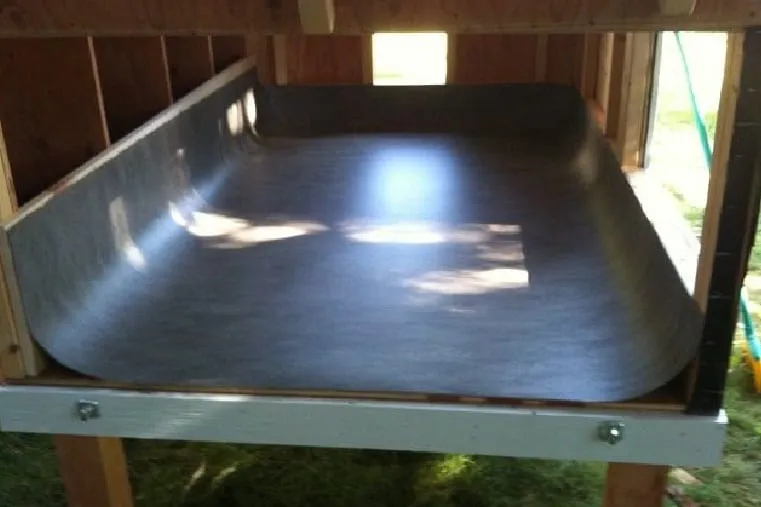
Rubber flooring is a popular choice due to its comfort and ease of maintenance. It provides a softer surface for chickens to stand on, reducing the risk of foot problems. Rubber is also easy to clean and disinfect, and it’s resistant to moisture. Rubber floors are often made from recycled materials, making them an eco-friendly option. It’s essential to choose a type of rubber that is specifically designed for coop use to ensure durability and safety. Regular cleaning is still required to remove waste and prevent bacterial buildup.
Pros of Rubber Floors
- Provides a comfortable surface for chickens.
- Easy to clean and disinfect.
- Resistant to moisture.
Cons of Rubber Floors

- Can be more expensive than other materials.
- Durability can vary depending on the quality of the rubber.
- May require a solid base for installation.
Dirt Floors
Dirt floors are a more natural option that allows chickens to engage in their natural behaviors, such as dust bathing. Dirt floors can be a cost-effective option, and they provide good drainage if properly sloped. However, dirt floors require more maintenance to keep clean. They can be prone to moisture issues, and are more challenging to disinfect. Periodic digging and replacing the topsoil is recommended to manage waste buildup. This type of floor is typically only recommended for certain climates and coop designs, because of the potential health risks and maintenance demands.
Pros of Dirt Floors
- Cost-effective.
- Allows natural chicken behaviors like dust bathing.
- Provides good drainage if properly sloped.
Cons of Dirt Floors

- Requires more maintenance to keep clean.
- Prone to moisture issues.
- More challenging to disinfect.
Step-by-Step Guide to Building a Chicken Coop Floor
Constructing a chicken coop floor involves several key steps, from preparing the site to installing the chosen flooring material. The exact process will vary depending on the material you choose. However, the general principles remain the same. Careful planning and execution are essential to ensure a durable and functional floor. Whether you are building a coop from scratch or renovating an existing one, the following steps will provide a solid foundation for your project.
Preparing the Coop Site
Before you begin, you must properly prepare the site where your coop will be built. Clear the area of any vegetation, rocks, and debris. Ensure the ground is level or sloped slightly to allow for proper drainage. For concrete or other solid floors, you may need to excavate the area to the appropriate depth. For wood floors, you will need to build a frame to support the floor. Consider the location in relation to sunlight, wind, and proximity to other structures. Also, consider any local building codes or regulations that apply to your project. Proper site preparation is critical for creating a stable and long-lasting foundation for your coop.
Laying the Foundation

The foundation provides structural support for the floor. For concrete floors, this involves pouring a concrete slab, ensuring it’s level and smooth. The slab should be at least 4 inches thick. For wood floors, build a frame using pressure-treated lumber and secure it to the ground. Make sure the frame is square and level. Proper foundation work is essential for the longevity and stability of the floor and the entire coop. Correctly installing a foundation is essential to prevent any movement over time which will cause stress on the entire structure, and ensures the floor is durable and able to withstand the wear and tear of chicken activity.
Installing the Flooring Material
Once the foundation is in place, it’s time to install the flooring material. For wood floors, attach the wooden planks to the frame, ensuring they are tightly fitted. For concrete floors, allow the concrete to cure completely before use. For rubber flooring, install the rubber mats or sheets over the prepared surface, securing them as recommended by the manufacturer. For dirt floors, ensure the dirt is compacted and level, and consider adding a layer of gravel or other drainage material. Proper installation is crucial for the functionality and durability of the floor. Be sure to follow the manufacturer’s instructions for any materials used.
Essential Maintenance and Cleaning Tips
Proper maintenance and cleaning are critical to keeping your chicken coop floor in good condition and ensuring the health and comfort of your flock. Regular cleaning, the frequency of which depends on the chosen material and the size of your flock, is essential. Regular inspections for wear and tear, and the prompt address of any issues is also very important. Implementing a consistent cleaning schedule, and using appropriate cleaning supplies, will help you maintain a healthy and hygienic environment for your chickens, while extending the life of your coop floor.
Regular Cleaning Schedule
Establish a regular cleaning schedule based on the type of flooring and the size of your flock. Daily spot cleaning involves removing droppings and soiled bedding. Weekly cleaning might involve sweeping or washing the floor and replacing bedding. The exact schedule will depend on your observations of the coop’s condition. A well-maintained coop is a clean coop. A consistent cleaning routine will prevent the buildup of waste and reduce the risk of disease. Regularly inspect the coop for signs of wear, such as loose boards or cracks in concrete, and address any issues promptly.
Deep Cleaning Practices
In addition to regular cleaning, it’s important to perform deep cleaning at least a few times a year. This involves removing all bedding, thoroughly cleaning the floor, and disinfecting the entire coop. Use a poultry-safe disinfectant to kill bacteria and viruses. Allow the coop to dry completely before replacing the bedding. Deep cleaning is crucial to prevent the buildup of harmful pathogens and to maintain a healthy environment for your chickens. Consider doing this at the start and end of the laying season to keep the coop at its best.
Addressing Common Problems
Be vigilant in inspecting the coop for common problems, such as moisture buildup, pest infestations, and wear and tear. Address these issues promptly to prevent them from escalating. For moisture, ensure proper ventilation and drainage. For pest infestations, use appropriate treatments and consider preventative measures. Repair any damage to the floor to maintain its integrity. Addressing problems early can prevent more serious issues later and ensure the longevity of your coop and the health of your chickens. Proper and timely maintenance will save you time, money, and stress.
Moisture and Ventilation
Moisture can be a significant problem in chicken coops, leading to the growth of mold and bacteria. Ensure that your coop has adequate ventilation to allow moisture to escape. Proper ventilation will help keep the floor dry and prevent the buildup of ammonia. Ventilation can be achieved through a combination of vents, windows, and fans. Regularly check for signs of moisture, such as condensation or dampness. If you notice any issues, increase ventilation and address any sources of moisture leaks. Adequate ventilation is crucial for maintaining a healthy environment and preventing disease in your flock.
Pest Infestations
Pest infestations, such as mites, lice, and rodents, can be a significant concern in chicken coops. Regular inspections are crucial for detecting pests early. Cleanliness is key to preventing infestations. Clean and disinfect the coop regularly, and consider using diatomaceous earth or other natural pest control methods. Rodents can also be a problem. Make sure there are no entry points. Repair any holes or cracks in the floor and walls. Properly store feed to prevent it from attracting pests. By taking proactive measures, you can reduce the risk of pest infestations and keep your chickens healthy and happy.
Conclusion
Choosing and maintaining the right floor for your chicken coop is an essential part of responsible chicken keeping. By considering the various materials available, building correctly, and implementing regular cleaning and maintenance practices, you can create a healthy, safe, and comfortable environment for your chickens. Remember that the best choice will depend on your specific needs and circumstances. With proper planning and execution, your chicken coop floor will provide a solid foundation for many years of happy and healthy chickens.