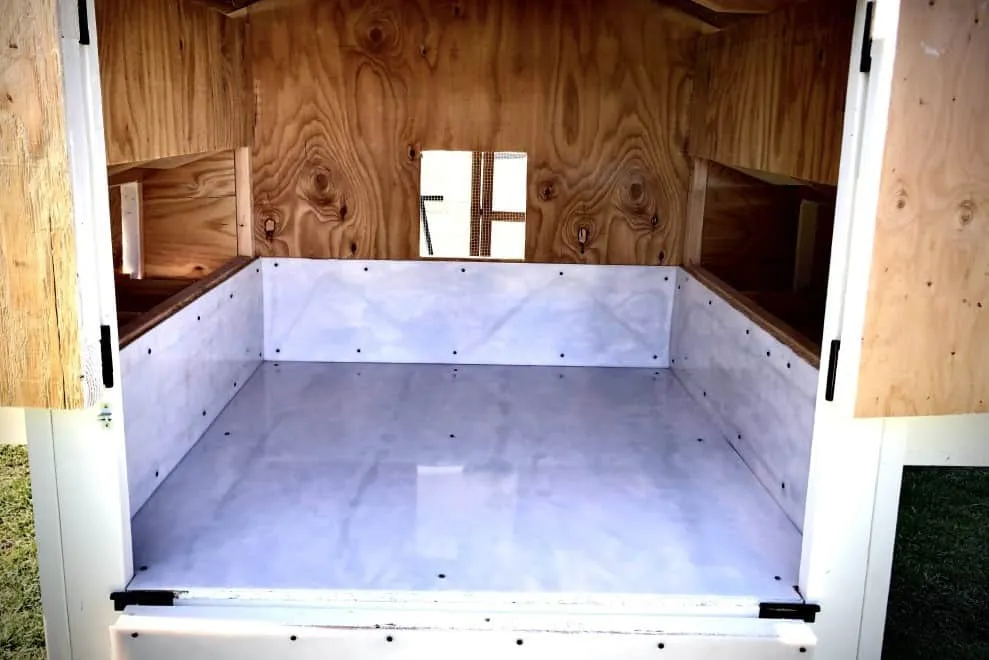
Understanding Chicken Coop Flooring Needs
Choosing the right chicken coop flooring is crucial for the health, hygiene, and happiness of your flock. The floor of your coop is not just a surface; it’s a critical component of their living environment. A well-chosen flooring material can significantly reduce the amount of maintenance required while also protecting your chickens from the elements and potential health hazards. Understanding the importance of the floor is the first step in creating a safe and comfortable home for your chickens.
Why Flooring Matters
The flooring directly impacts several aspects of chicken keeping, from the chickens’ physical well-being to the ease with which you can maintain the coop. The right floor will provide a dry, clean, and comfortable space for your birds to live. Improper flooring can lead to a host of problems, including the buildup of moisture, which fosters the growth of bacteria and the spread of diseases, and create unsanitary conditions that attract pests. Good flooring will also make it easier for you to clean and maintain the coop, saving you time and effort in the long run.
Benefits of Good Flooring

Investing in good chicken coop flooring pays off in numerous ways. It contributes to better hygiene, minimizing the risk of disease and keeping your chickens healthy. It creates a more comfortable environment, protecting their feet from the cold and providing a supportive surface to walk on. A well-designed floor also reduces odor, making the coop more pleasant to be around. Furthermore, durable flooring materials will last longer and require less frequent replacement, saving you money and hassle over time. It also contributes to a cleaner coop environment, which in turn reduces the attraction for pests and rodents.
Key Considerations for Chicken Coop Flooring
Selecting the appropriate flooring material involves careful consideration of several factors. The best choice will balance durability, ease of cleaning, chicken safety, and your budget. By evaluating these aspects, you can ensure you choose the most suitable option for your specific needs and create a thriving environment for your flock.
Durability and Longevity
Durability is a critical factor in selecting coop flooring. The floor will endure constant use, including being walked on by chickens, exposed to the elements (especially if the coop is outdoors), and subjected to the cleaning process. A durable floor should resist wear and tear, and not break down easily. The lifespan of the flooring directly impacts the cost-effectiveness of your choice. Opt for materials that can withstand the rigors of daily use, minimizing the need for frequent replacements, and providing a long-term solution for your coop.
Ease of Cleaning and Maintenance

Cleaning and maintaining the coop floor are essential for the health of your chickens. Flooring that is easy to clean will save you time and effort and reduce the build-up of bacteria and odors. Look for materials that can be easily swept, hosed down, or wiped clean. The surface should be non-porous or have a sealed surface to prevent the absorption of moisture and waste. Regular maintenance will also extend the lifespan of the flooring and keep your coop a healthy and pleasant environment for your chickens.
Safety and Comfort for Chickens
The flooring should prioritize the safety and comfort of your chickens. It must provide adequate grip to prevent slips and falls, especially when wet. Also, it should be free of sharp edges or splinters that could injure their feet. The material should also provide some insulation to protect against extreme temperatures, whether cold or hot, and be non-toxic to avoid any health risks to the chickens. Prioritizing their welfare is a fundamental aspect of coop design.
Flooring Material Options
Several materials can be used for chicken coop flooring, each with its own set of advantages and disadvantages. Your selection will depend on your specific requirements. Careful evaluation of the options will help you to choose the best fit for your coop and your chickens.
Wood Flooring

Wood is a common choice for coop flooring due to its affordability and ease of installation. It can provide a relatively warm surface for the chickens to walk on. However, it requires more maintenance to keep it in good condition.
Pros and Cons of Wood
Pros include its low cost and ease of installation. Wood is generally easy to work with and readily available. Cons include its tendency to absorb moisture, which can lead to rot and the buildup of bacteria. It requires regular sealing or painting to protect against moisture and is not as durable as other materials. Without proper treatment, wood can also harbor mites and other pests, making it less hygienic.
Concrete Flooring
Concrete flooring offers excellent durability and is relatively easy to clean. It’s a long-lasting option that provides a sturdy base for the coop.
Pros and Cons of Concrete

The pros of concrete are its durability and ease of cleaning. It is resistant to moisture, pests, and is easy to hose down. The cons include its cost, which can be higher than wood. It can be cold, especially in winter, and may require insulation or bedding to keep the chickens comfortable. Concrete can also crack over time, and the surface can be abrasive if not properly finished. Installing concrete requires more time and skill.
Rubber Flooring
Rubber flooring is an excellent option for providing a comfortable and non-slip surface. It is often made from recycled materials and can offer good insulation.
Pros and Cons of Rubber
The pros of rubber flooring include its comfort, non-slip surface, and durability. It is easy to clean and provides good insulation. The cons include its cost, which can be higher than other options, and its potential for odor retention if not properly maintained. Some rubber flooring may also contain chemicals that could be harmful to chickens. It is also important to ensure the rubber material is suitable for outdoor use.
Dirt Flooring

Dirt flooring is a natural option that can be a low-cost choice. It provides a natural environment for the chickens to dust bathe, which is good for their health. However, it requires more maintenance to keep it clean and dry.
Pros and Cons of Dirt
The pros of dirt flooring are its natural composition, which can be beneficial for chickens. It’s also a low-cost option and relatively easy to install. The cons include the difficulty of cleaning and maintaining the floor. It can be prone to moisture buildup and the growth of bacteria. Managing pests can also be more challenging, and it can be difficult to maintain the floor’s dryness, especially in damp climates.
Plastic Flooring
Plastic flooring is a durable and easy-to-clean option, often used in commercial poultry operations. It is usually made from recycled materials, which adds to its environmentally friendly profile.
Pros and Cons of Plastic

The pros of plastic flooring are its durability and ease of cleaning. It is resistant to moisture and pests. The cons include its potential cost, which can be higher than other options, and the need to ensure it provides adequate grip to prevent slips. It may not be as aesthetically pleasing as some other options. Some people worry about the longevity of plastic, as it may degrade under the sun.
Choosing the Right Flooring for Your Coop
Selecting the ideal flooring material depends on various factors specific to your situation. Carefully consider these elements to make an informed decision that aligns with your requirements and ensures the well-being of your chickens.
Factors to Consider
When choosing coop flooring, it’s essential to weigh several key factors. The number of chickens you plan to house, the climate in your area, and your budget all play crucial roles in the decision-making process. Taking these considerations into account will help you make the best choice for your coop.
Climate and Weather Conditions

The climate in which your coop is located significantly affects your flooring choice. In areas with high humidity or heavy rainfall, materials that resist moisture absorption and are easy to clean are essential to prevent the buildup of dampness and the growth of bacteria. In colder climates, you may need to choose flooring that provides some insulation to keep the chickens warm. Consider the seasonal weather patterns and the need for ventilation to maintain a healthy and comfortable environment. If the floor gets direct sun exposure, certain materials may warp or deteriorate more quickly.
Number of Chickens
The number of chickens you intend to keep directly influences the amount of wear and tear the flooring will endure. A larger flock will generate more waste and activity, requiring more frequent cleaning and maintenance. Ensure the chosen material can withstand the demands of the flock size without requiring replacement too soon. Also, consider the available space per bird to maintain a comfortable environment.
Budget and Cost
Your budget is always a significant factor. Different flooring materials vary widely in price, from more affordable options like wood or dirt to more expensive choices like concrete or rubber. Consider not just the initial cost but also the long-term expenses, including installation, maintenance, and potential replacement costs. Balancing your budget with the needs of your chickens is essential, but remember that investing in more durable and easier-to-maintain flooring can save you money and effort in the long run.
Installation and Maintenance
Proper installation and regular maintenance are essential for the longevity and effectiveness of your chicken coop flooring. Following the correct installation procedures and establishing a routine for cleaning and upkeep will help keep your chickens healthy and the coop in good condition.
Installation Tips
The installation process will vary depending on the flooring material. Before starting, always follow the manufacturer’s instructions. Ensure the surface is level and properly prepared. When installing wood, consider using treated lumber to resist moisture and rot. For concrete, ensure proper drainage and allow the concrete to cure completely before use. If using rubber or plastic flooring, ensure the seams are sealed to prevent moisture from seeping through. If you’re not confident in your abilities, consider hiring a professional to ensure proper installation.
Regular Cleaning and Maintenance
A regular cleaning and maintenance schedule is crucial to maintaining a healthy coop environment. Remove droppings and soiled bedding frequently, ideally daily or at least every other day. Sweep or hose down the flooring, depending on the material. Disinfect the flooring regularly to kill bacteria and prevent disease. Consider using coop-safe cleaning products and allow the coop to air out after cleaning to eliminate odors and maintain good ventilation. This approach will extend the flooring’s lifespan and keep your chickens healthy.
Common Flooring Problems and Solutions
Even with the best choices, you may encounter flooring problems. Knowing how to address these issues will help you maintain a healthy and functional coop.
Dealing with Moisture and Dampness
Moisture is a common problem in chicken coops, especially in humid climates or those with poor ventilation. To combat moisture, ensure good ventilation by providing adequate airflow. Regularly clean and replace wet bedding and consider using moisture-absorbing materials. If the flooring is exposed to the elements, ensure proper drainage and consider sealing the floor to prevent water from seeping in. Reducing moisture will help prevent the growth of bacteria and the spread of diseases.
Managing Pests and Odors
Pests, such as mites and rodents, and foul odors can be a challenge in any chicken coop. To manage pests, maintain good hygiene by cleaning the coop regularly and removing any accumulated waste. Use coop-safe pest control products if necessary. To control odors, ensure good ventilation and regularly clean the coop, including the flooring. Consider using odor-absorbing materials like wood ash or diatomaceous earth. Adequate ventilation is key to reducing odors.
Conclusion
Selecting the right chicken coop flooring is a critical aspect of responsible chicken keeping. Consider all the factors presented to make the best decision for your circumstances. Prioritizing durability, ease of cleaning, chicken safety, and your budget is essential for creating a healthy and comfortable environment for your chickens, as well as easing the maintenance load. With careful planning and the right choice of flooring, you can create a safe, clean, and thriving space where your chickens will flourish. Investing in the right flooring material will contribute to the overall well-being of your flock, and make your chicken-keeping experience more enjoyable.