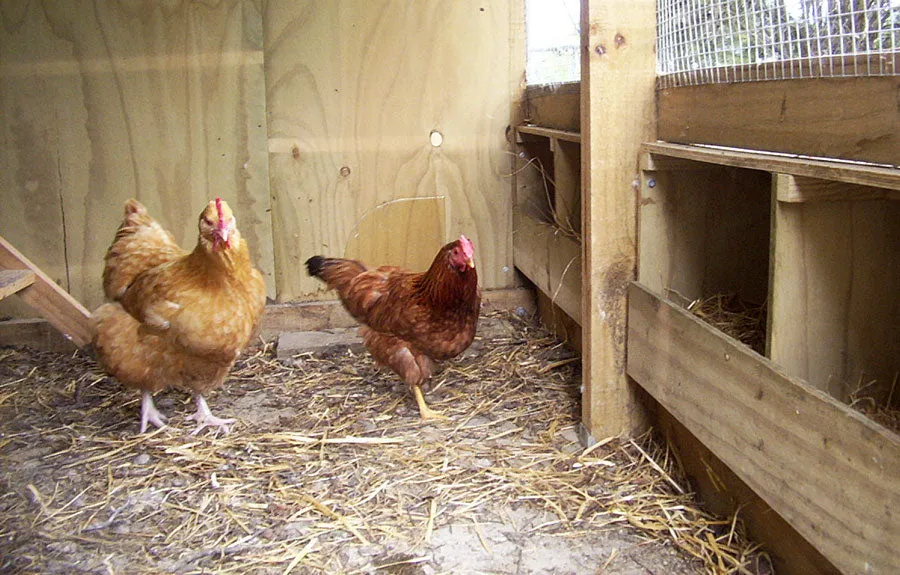
Chicken Coop Flooring Understanding the Basics
Choosing the right flooring for your chicken coop is a critical decision that significantly impacts the health, hygiene, and overall well-being of your flock. A well-chosen floor provides a comfortable, easy-to-clean surface that minimizes the risk of disease and pest infestations. Conversely, poor flooring choices can lead to a range of problems, from moisture buildup and ammonia fumes to difficulties in cleaning and maintenance. This guide will explore the top flooring options, helping you make an informed decision for your chickens.
Why Flooring Matters
The flooring in your chicken coop serves multiple crucial functions. First and foremost, it provides a surface for your chickens to walk, roost, and forage. It also plays a significant role in the coop’s hygiene and sanitation. The floor must be easy to clean and disinfect to prevent the buildup of harmful bacteria, parasites, and ammonia. A properly designed floor contributes to efficient waste management, helping to keep the coop dry and odor-free. Moreover, the flooring material impacts the coop’s insulation, influencing the temperature and comfort level inside the coop, especially during extreme weather conditions.
Common Problems with Poor Flooring

Selecting the wrong flooring material can lead to a host of problems. One of the most common issues is excessive moisture, which creates a breeding ground for bacteria, mold, and parasites. This can lead to respiratory infections, foot problems, and other health issues in your chickens. Poor flooring can also make cleaning a nightmare, as waste may seep into cracks and crevices, making it difficult to remove. Unpleasant odors, primarily from ammonia, are another consequence of inadequate flooring. These odors not only make the coop unpleasant but can also irritate your chickens’ respiratory systems. Furthermore, the wrong flooring can attract pests like mites and rodents, which can spread diseases and disturb your flock.
Top 7 Chicken Coop Flooring Choices
Concrete Flooring
Concrete is a popular choice for chicken coop flooring due to its durability and ease of cleaning. It provides a solid, level surface that is resistant to wear and tear, making it a long-lasting option for your coop. Properly installed concrete flooring can withstand heavy use and is relatively simple to disinfect, ensuring a hygienic environment for your chickens. Concrete is also a good choice for pest control, as it leaves fewer places for pests to hide.
Pros of Concrete Flooring

- Highly durable and long-lasting
- Easy to clean and disinfect
- Resistant to pests and rodents
- Provides a level and stable surface
Cons of Concrete Flooring
- Can be cold in winter, potentially requiring additional insulation
- Can be expensive to install initially
- May crack over time if not properly installed
- Can be hard on chicken’s feet
Wood Flooring
Wood flooring offers a more natural look and feel for your chicken coop, and is often preferred by those seeking an aesthetically pleasing coop design. Wood is a decent insulator, helping to regulate the temperature inside the coop. However, the suitability of wood depends on the type of wood and how well it is treated.
Pros of Wood Flooring

- More aesthetically pleasing appearance
- Can provide some insulation
- Relatively easy to install
- Natural material
Cons of Wood Flooring
- Susceptible to moisture damage and rot
- Requires regular cleaning and sealing
- Can harbor pests and parasites
- Can be difficult to disinfect thoroughly
Rubber Mats
Rubber mats are an excellent choice for chicken coop flooring, offering a balance of comfort, durability, and ease of maintenance. These mats are typically made from recycled rubber, making them an environmentally friendly option. They provide a cushioned surface, which is easier on chickens’ feet, and they offer good insulation properties. Rubber mats are also relatively easy to clean and disinfect.
Pros of Rubber Mats

- Comfortable and cushioned for chickens
- Durable and long-lasting
- Easy to clean and disinfect
- Good insulation properties
Cons of Rubber Mats
- Can be more expensive upfront
- May require more effort to install (fitting)
- Can retain odors if not cleaned properly
- Heavy, making relocation of the coop difficult
Linoleum or Vinyl Flooring
Linoleum or vinyl flooring can be a practical option, offering a smooth, waterproof surface that is easy to clean. These materials come in various patterns and styles, allowing you to customize the look of your coop. They are also relatively inexpensive and readily available. However, it’s essential to choose a heavy-duty variety designed for high-traffic areas to ensure durability.
Pros of Linoleum or Vinyl Flooring

- Waterproof and easy to clean
- Available in various designs
- Relatively inexpensive
- Durable if a heavy-duty variety is selected
Cons of Linoleum or Vinyl Flooring
- Can be slippery when wet
- May tear or puncture easily
- Not as durable as concrete or rubber
- Can trap moisture if not properly sealed
Dirt Flooring
Dirt flooring is the most natural option, allowing chickens to engage in natural behaviors like dust bathing. This flooring type is cost-effective and can be beneficial for chickens’ health by providing a place for them to scratch and forage. However, it requires significant maintenance and isn’t the easiest to clean.
Pros of Dirt Flooring

- Natural and allows dust bathing
- Cost-effective option
- Allows chickens to forage
- Can be beneficial for their health
Cons of Dirt Flooring
- Difficult to clean and maintain
- Can be muddy and messy
- Attracts pests and parasites
- Requires frequent replacement of the top layer
Gravel Flooring
Gravel flooring provides good drainage and can be an economical choice. It allows for some natural scratching behavior, though not to the same extent as dirt. However, gravel can be challenging to clean and isn’t always the most comfortable surface for chickens to walk on, and smaller gravel can be ingested. Additionally, gravel can harbor bacteria and parasites.
Pros of Gravel Flooring
- Provides good drainage
- Relatively inexpensive
- Allows for some natural scratching
- Can deter pests to a degree
Cons of Gravel Flooring
- Difficult to clean thoroughly
- Can be uncomfortable for chickens
- May harbor bacteria and parasites
- Small gravel can be ingested
Plastic Flooring
Plastic flooring is a modern option that is easy to clean and often comes in interlocking panels. This flooring type is usually lightweight and can be easily assembled. The perforated design can aid in drainage and waste management, and the material is generally resistant to moisture and pests. The comfort level for chickens might vary depending on the specific design of the plastic flooring.
Pros of Plastic Flooring
- Easy to clean and sanitize
- Lightweight and easy to install
- Resistant to moisture and pests
- Good drainage
Cons of Plastic Flooring
- Can be slippery when wet
- Might not be as durable as other options
- Comfort level might vary
- Can be expensive
Factors to Consider When Choosing Flooring
When selecting flooring for your chicken coop, several factors should influence your decision. Considering these factors carefully will help you choose the most suitable flooring for your chickens.
Durability
The flooring must be able to withstand the wear and tear of daily use, including the constant pecking and scratching of chickens, as well as regular cleaning. Choose materials that are resistant to damage and can last for many years.
Cleanability
The ease of cleaning is a crucial factor. Choose a flooring material that allows for easy removal of waste and can be thoroughly disinfected to prevent the buildup of bacteria and diseases. Smooth surfaces tend to be the easiest to clean.
Cost
Consider your budget and the initial and ongoing costs associated with each flooring option. While some materials may be cheaper upfront, they might require more maintenance or replacement over time. Factor in the cost of installation, materials, and any special tools or equipment needed.
Insulation
The flooring should provide adequate insulation to help regulate the temperature inside the coop. This is particularly important in regions with extreme weather conditions. Certain materials, such as wood or rubber mats, offer better insulation than others, helping to keep the coop warmer in winter and cooler in summer.
Chicken Coop Flooring Conclusion
Choosing the right flooring for your chicken coop is a critical decision that can significantly impact the health, hygiene, and well-being of your flock. Consider the pros and cons of each flooring type, taking into account your budget, the climate, and your chickens’ needs. Evaluate your options based on durability, cleanability, cost, and insulation. Careful consideration of these factors will help you create a safe and comfortable environment for your chickens, ensuring their health and happiness. By investing in the right flooring, you can create a coop that is both functional and beneficial for your flock, while making your chores easier.