Choosing the Right Chicken Coop for 10 Chickens
Building a chicken coop for 10 chickens is a rewarding project that allows you to enjoy fresh eggs and the company of these fascinating birds. However, before you start building, careful planning is essential to ensure your chickens are safe, comfortable, and healthy. This guide provides all the information you need to design and build the perfect coop.
Factors to Consider Before Building
Before you begin building, several crucial factors must be considered to ensure the coop meets the needs of your chickens and complies with local regulations. These factors directly impact the health and happiness of your flock, so it’s crucial to address them thoughtfully.
Space Requirements and Guidelines

Chickens need adequate space to thrive, with overcrowding leading to stress, disease, and even cannibalism. A general guideline is to provide a minimum of 4 square feet of floor space per chicken inside the coop. In addition to the coop space, chickens also need access to an outdoor run where they can forage, dust bathe, and get exercise. The recommended outdoor run space is at least 8-10 square feet per chicken. Consider your chickens’ breed and their activity levels when determining the optimal space.
Predator Protection Strategies
Protecting your chickens from predators is crucial. Chicken coops should be constructed with predator-resistant materials and features. Bury hardware cloth or wire mesh at least 12 inches underground around the perimeter to prevent digging predators from entering. Secure all openings with strong latches and consider using heavy-duty wire mesh for the coop’s walls and run. Regularly inspect the coop for any signs of damage or potential entry points.
Ventilation and Climate Control Needs
Proper ventilation is essential for maintaining a healthy environment inside the coop. Ventilation helps remove moisture, ammonia, and other harmful gases produced by the chickens. Ensure the coop has adequate ventilation openings, such as vents or windows, placed high to allow fresh air to circulate without creating drafts directly on the chickens. Consider the local climate when designing your coop. In hot climates, provide shade and ensure good airflow. In cold climates, insulate the coop to help retain heat.
Top 5 Chicken Coop Design Ideas

Choosing the right chicken coop design depends on your available space, budget, aesthetic preferences, and the specific needs of your flock. Here are five popular chicken coop design ideas to consider:
The Classic A-Frame Coop
The A-frame coop is a simple and often cost-effective design characterized by its triangular shape. It’s easy to build, making it a popular choice for beginners. The sloped roof sheds rain and snow effectively, and the design can be easily moved to different locations in the yard. A-frame coops are ideal for smaller flocks, with the open design providing good ventilation.
Pros and Cons of A-Frame Design
Pros of A-Frame Coops include simplicity, ease of construction, portability, and affordability. Cons include limited space for larger flocks, the need for regular cleaning due to the compact design, and potentially less protection from extreme weather conditions if not properly sealed.
Step-by-step Building Guide

- Plan and Gather Materials: Determine the size based on the number of chickens. Gather wood, hardware cloth, screws, hinges, latches, and roofing materials. 2. Build the Frame: Construct the A-frame structure, ensuring it’s sturdy. 3. Add the Walls and Roof: Attach the walls and roof panels. 4. Install Doors and Windows: Include a door for easy access and windows for ventilation. 5. Add the Run: Attach a secure run for your chickens.
The Walk-In Coop
Walk-in coops offer the benefit of allowing you to stand inside the coop. This design is often larger, offering more space for your chickens and making it easier to clean, maintain, and collect eggs. This type of coop can be designed with storage for feed and supplies. The walk-in design provides a more comfortable experience for the chicken keeper.
Advantages of a Walk-In Coop
Advantages include ease of access, ample space for chickens, better organization, and improved convenience when managing your flock. It allows for easy cleaning, and the addition of storage space can be very helpful.
Important Considerations

Walk-in coops require more space in your backyard, and they typically involve a more significant construction project. They also require a strong foundation to support the increased size and weight.
The Customizable Coop
Customizable coops are built to your exact specifications, allowing you to tailor the design to your property’s unique features and your chickens’ specific needs. Custom coops offer the greatest flexibility in terms of size, shape, materials, and features. This is ideal for those seeking a design that perfectly complements their backyard and lifestyle.
Benefits of Custom Designs
Custom designs offer the best integration with your property, the ability to incorporate unique features, and the perfect match for your aesthetic preferences. You can choose your exact dimensions and materials, and it will make your backyard stand out. You’ll have full control over the design.
Design Inspiration
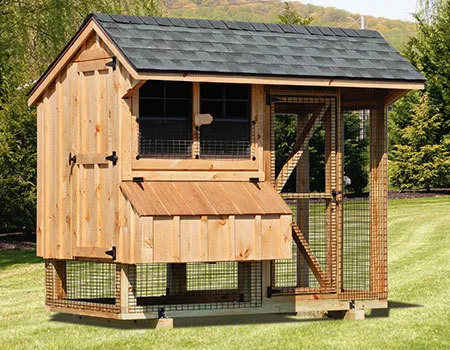
Look to online resources, magazines, and local examples for ideas. Consider the architectural style of your home and how the coop can complement your existing structures. Think about how the coop will fit in with your overall garden design.
The Mobile Chicken Coop
Mobile chicken coops, or chicken tractors, are designed to be easily moved around your yard. This allows your chickens to have access to fresh grass and forage regularly. They are excellent for pest control and are a great option for those who want to rotate their chickens to new areas.
Advantages of Mobile Coops
Advantages of mobile coops include access to fresh pasture, natural pest control, reduced need for supplemental feeding, and ease of moving to different locations. This can also improve the quality of eggs and meat.
Important Considerations

Ensure the coop is lightweight yet sturdy. Make sure the coop is easy to move and has secure wheels or handles. Predator protection is also essential, so consider building the coop with predator-resistant materials.
The Raised Coop
Raised coops are coops elevated off the ground. This design provides a natural barrier against ground-dwelling predators and can help protect the chickens from dampness. The space under the coop can be used for storage or as a shaded area for the chickens to rest. Raised coops offer excellent ventilation.
Advantages of a Raised Coop
Advantages of raised coops include protection from predators, improved ventilation, protection from ground moisture, and the potential for additional storage space beneath the coop.
Building the Coop
Building a raised coop is similar to building other coops, but with the added step of constructing a sturdy foundation or legs. You will need to build a strong frame, add the walls, install windows and a door, and consider adding a ramp for the chickens to access the ground. The legs or foundation should be built with durable, weather-resistant materials.
Essential Features for Your Chicken Coop
Regardless of the design you choose, certain features are essential for a functional and healthy chicken coop. These features directly impact your chickens’ well-being, so it’s important to include them in your design.
Nesting Boxes
Nesting boxes are essential for providing a safe and comfortable place for your hens to lay eggs. Provide one nesting box for every 3-4 hens. The boxes should be in a quiet, dimly lit area of the coop, away from drafts and direct sunlight. Choose a size and design that provides enough space.
Placement and Design Considerations
Place nesting boxes slightly off the ground, typically 1-2 feet. Use soft bedding, such as straw or wood shavings, to create a comfortable laying environment. Ensure the boxes are easy to access for egg collection. Make sure the material is safe and non-toxic for the chickens.
Roosts
Roosts provide a place for chickens to sleep and rest at night. Provide roosts at a height that the chickens can easily access, typically 2-4 feet off the ground. The roosting bars should be made of smooth, rounded wood or other comfortable material to prevent foot problems. The diameter of the roosting bar should be suitable for the size of your chickens.
Choosing the Right Roost
Aim for about 8-12 inches of roosting space per chicken. Position the roosts away from the nesting boxes to avoid droppings. Ensure the roosts are sturdy and securely attached to the coop structure.
Feeders and Waterers
Providing clean food and water is essential. Choose feeders and waterers that are appropriate for the size of your flock. Place the feeders and waterers in areas where they are easily accessible but protected from the elements. Consider using feeders and waterers designed to prevent waste and keep the food and water clean. Regularly clean and refill the feeders and waterers to maintain hygiene.
Best Options for Your Flock
Choose feeders that minimize spillage and waste, such as treadle feeders or those with a lip to prevent the birds from scratching feed out. Use waterers that are easy to clean and refill. Place feeders and waterers inside the coop and consider adding an additional set in the run.
Maintaining Your Chicken Coop
Regular maintenance is key to keeping your chicken coop clean, safe, and healthy. A well-maintained coop helps prevent disease, reduces odors, and keeps your chickens happy.
Cleaning and Sanitation
Regular cleaning is necessary to remove droppings, spilled food, and other debris. Remove and replace soiled bedding weekly. Sweep the floors and clean the walls and fixtures monthly, or more frequently if needed. Use a poultry-safe disinfectant to sanitize the coop thoroughly. Always wear appropriate protective gear, like gloves and a mask, when cleaning the coop. Removing debris regularly can help with diseases.
Frequency and Methods
Clean the coop at least once a week, or more often if your flock is large or if you notice excessive odors. Remove all bedding, sweep the floor, and wash down all surfaces. Use a poultry-safe disinfectant, following the product’s instructions carefully. Allow the coop to dry completely before replacing the bedding.
Preventative Maintenance
Regularly inspect your coop for signs of wear and tear. Check for any loose boards, cracks, or other damage that could compromise the structure or provide access for predators. Address any issues promptly to prevent them from escalating. This may involve repairing or replacing damaged parts. Ensure the coop is well-ventilated. Take precautions against pests.
Addressing Common Problems
Address any issues that arise promptly. Inspect the coop for signs of pests, such as mites or lice, and take appropriate measures to eliminate them. If you notice any signs of disease, quarantine the affected chickens and consult with a veterinarian. Take steps to control odors, such as proper ventilation and regular cleaning.