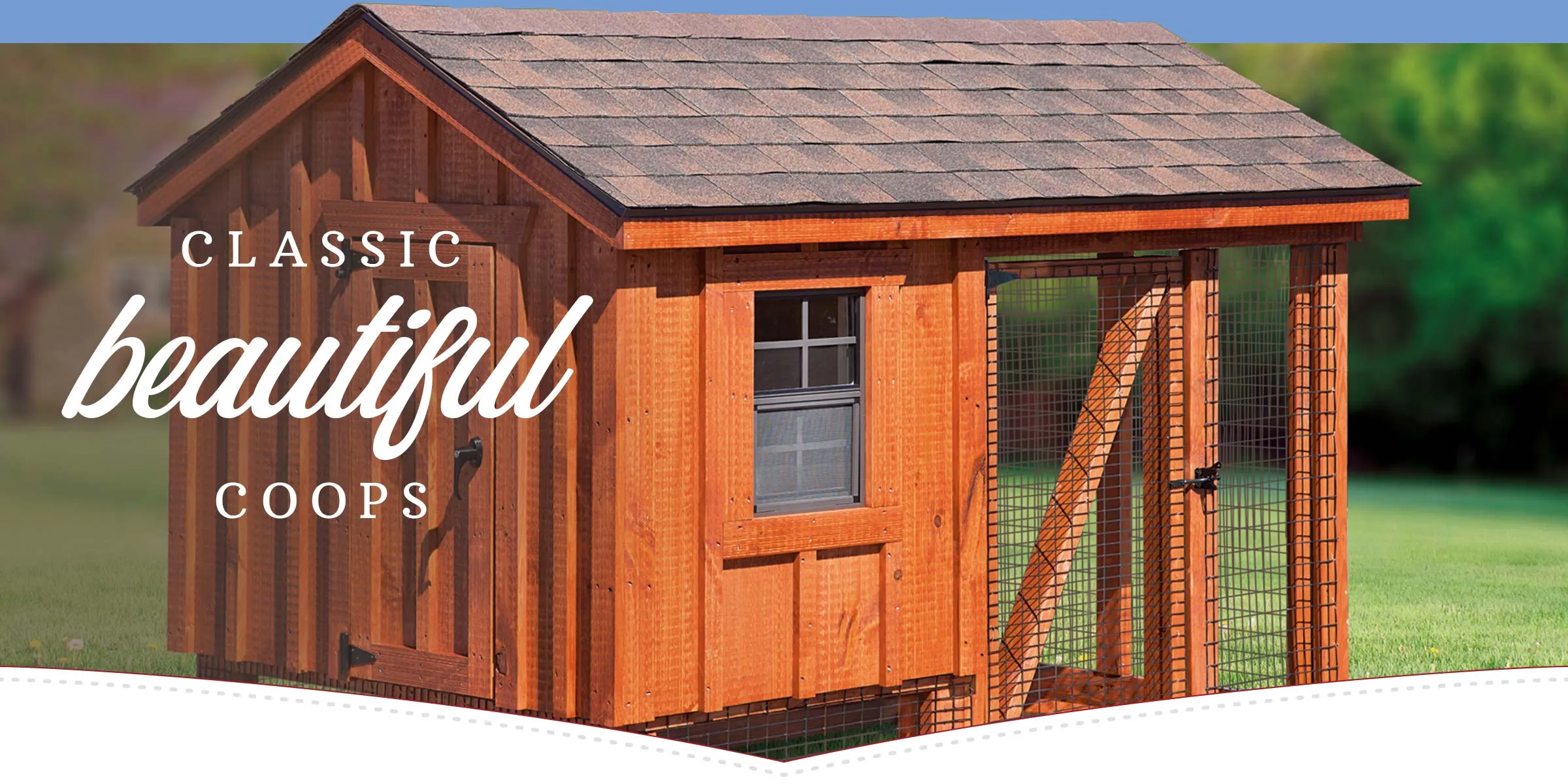
Chicken Coop Design for 6 Chickens Overview
Building or buying a chicken coop for six chickens is a rewarding venture, providing fresh eggs and engaging companionship. However, careful planning is crucial to ensure the coop meets the chickens’ needs for safety, comfort, and health. This ultimate guide will walk you through every aspect of designing and maintaining a chicken coop suitable for six chickens, from calculating space requirements to choosing the right materials and implementing essential maintenance practices. With the right knowledge and preparation, you can create a thriving environment for your flock, ensuring they live happy, healthy lives and providing you with a steady supply of delicious, farm-fresh eggs. Before you begin the project, it is important to check your local ordinances for any rules or regulations regarding chicken coops.
Coop Size and Space Requirements for 6 Chickens
One of the most critical aspects of chicken coop design is providing adequate space. Overcrowding can lead to stress, disease, and behavioral issues like feather pecking. Chickens need ample room to move around, roost, nest, and socialize. Proper sizing is key to keeping your chickens healthy and happy, maximizing egg production, and minimizing maintenance issues. Failing to provide enough space will inevitably result in problems, and it is usually better to go slightly larger than strictly necessary. Consider the breed of chickens you are raising, as some breeds require more space than others.
Calculating Square Footage per Chicken

A general guideline is to allow at least 4 square feet of space per chicken inside the coop. This ensures they have enough room to move around comfortably. However, this is a bare minimum, and providing more space is always better. For the run, a minimum of 8 square feet per chicken is recommended. Ideally, provide even more space in the run, especially if your chickens will spend a significant amount of time there. The more space the chickens have, the better, allowing them to roam, forage, and reduce stress. When planning your coop size, think about the size of your chickens, remembering that larger breeds need more room.
Recommended Coop Dimensions
Based on the space requirements above, a coop for six chickens should ideally be at least 8 feet long and 4 feet wide, providing 32 square feet of floor space. The height should be sufficient for you to comfortably stand and move around inside for cleaning and maintenance – typically 6-7 feet tall at the highest point. The run dimensions should be at least 8 feet by 12 feet, providing 96 square feet of outdoor space. These dimensions are a starting point; adjust them based on your specific circumstances, available space, and the breed of chickens you choose. Always prioritize giving your chickens as much space as you can reasonably provide.
Essential Features for a 6-Chicken Coop
Once you have determined the appropriate size, it’s time to consider the essential features that will keep your chickens safe, healthy, and comfortable. These features go beyond mere shelter; they encompass crucial elements that protect your flock from predators, ensure good air quality, and provide a comfortable place for laying eggs and roosting. A well-designed coop incorporates these features to create an optimal living environment, contributing to the chickens’ overall well-being and egg production. Ignoring these features will make your coop less effective and can lead to numerous problems down the road.
Protection from Predators

Protecting your chickens from predators is paramount. Chicken coops must be robust and secure, effectively preventing access to common threats like foxes, raccoons, coyotes, hawks, and even neighborhood dogs. This involves securing the coop structure itself and ensuring all entry points are properly protected. Building a coop to withstand predator attacks requires careful consideration of materials and construction techniques. Don’t cut corners on this crucial aspect of chicken coop design, as it will save you considerable heartache down the line.
Securing the Coop Structure
The coop’s foundation is critical. Bury hardware cloth at least 12 inches deep around the perimeter of the coop to prevent digging predators from entering. Secure the walls and roof with sturdy screws and make sure all joints are tight. Ensure that the doors and windows are securely latched and can’t be pried open. Use sturdy framing materials and reinforce the corners and joints. Regularly inspect the coop for any signs of damage or weakness and repair them promptly. Remember that predators are persistent, so vigilance and careful construction are your best defenses. Consider burying the hardware cloth around the run to prevent digging under the fencing.
Hardware Cloth vs. Chicken Wire
Use hardware cloth, not chicken wire, for the run and any areas vulnerable to predators. Hardware cloth is a welded wire mesh with small openings (typically 1/2 inch or smaller), making it difficult for predators to bite through or reach through. Chicken wire, with its larger openings, is not predator-proof and can be easily breached. Cover all windows and vents with hardware cloth. Even the smallest gaps can be exploited by predators, so pay close attention to detail. Consider using hardware cloth for the coop floor as well, particularly if you have concerns about digging predators.
Proper Ventilation

Adequate ventilation is crucial for the health of your chickens. Poor ventilation can lead to a build-up of ammonia from droppings, causing respiratory problems, eye irritation, and other health issues. Good ventilation also helps regulate temperature and humidity, which can affect the comfort and egg production of the chickens. A well-ventilated coop provides a healthier environment for your flock, reducing the risk of disease and promoting overall well-being. This is one of the most overlooked aspects of coop design, yet it is critical.
Why Ventilation is Important
Proper ventilation removes moisture, ammonia, and stale air from the coop. Chickens produce a lot of moisture through their breath and droppings, which can lead to condensation and the growth of mold and mildew. Ammonia, produced by chicken droppings, is a respiratory irritant and can damage your chickens’ lungs. Good ventilation replaces this stale air with fresh air, keeping the coop dry and healthy. It also helps regulate temperature, preventing overheating in the summer and excessive cold in the winter. Without good ventilation, your chickens will be more susceptible to respiratory illnesses and other health problems.
Ventilation Methods
The most effective ventilation method involves a combination of vents and a cross-breeze. Install vents high on the walls near the roof to allow warm, moist air to escape. These vents should be covered with hardware cloth to keep predators out. In addition to these vents, provide openings on opposite sides of the coop to allow for a cross-breeze. Avoid placing vents directly above the roosting bars, as this could cause drafts at night. You can also consider using a solar-powered fan to improve airflow, especially in warmer climates. Be sure to provide enough ventilation to keep the coop dry and free of strong ammonia odors.
Nesting Boxes and Roosting Bars

Providing comfortable nesting boxes and roosting bars is essential for the well-being and egg production of your chickens. Nesting boxes provide a safe and private place for hens to lay their eggs, while roosting bars offer a comfortable place for them to sleep at night. The design and placement of these features are critical to maximizing their effectiveness. Correct design and placement will encourage your chickens to use these features, leading to better egg production and more comfortable birds.
Nesting Box Design
Provide one nesting box for every 3-4 hens. For six chickens, two nesting boxes should be sufficient. Nesting boxes should be located in a dark, quiet, and private area within the coop. They should be elevated off the ground and easily accessible. The boxes should be large enough for the chickens to comfortably turn around in – usually around 12x12 inches. Line the boxes with soft bedding materials like straw, pine shavings, or wood wool. Keep the nesting boxes clean by regularly removing soiled bedding and replacing it with fresh material. This will keep the eggs clean and the hens happy. Make sure the nesting boxes are easily accessible for egg collection from outside the coop.
Roosting Bar Placement
Place roosting bars in a sheltered area inside the coop, away from drafts and the nesting boxes. The bars should be positioned at a height that allows the chickens to easily hop up onto them, typically 18-24 inches off the ground. Provide 8-12 inches of roosting space per chicken. Use rounded, smooth wooden bars, approximately 2 inches wide, for comfortable roosting. Ensure the bars are securely attached and can support the weight of the chickens. Avoid placing the roosting bars directly under the vents to prevent drafts. Proper placement of roosting bars will allow chickens to sleep comfortably and reduce stress, contributing to their overall health and well-being.
Coop Materials and Construction

The materials you choose for your chicken coop will significantly impact its durability, longevity, and ease of maintenance. Selecting the right materials is vital for both the health of your flock and the long-term usability of the coop. Consider factors like predator resistance, weather resistance, and ease of cleaning when selecting your building materials. It is usually better to spend a little more upfront to create a coop that will last for many years, providing shelter for many generations of chickens.
Wood vs. Other Materials
Wood is a popular choice for chicken coop construction due to its affordability, ease of use, and availability. However, wood can be susceptible to rot, pests, and predator damage. Other materials, such as metal, plastic, or composite materials, offer different advantages and disadvantages. The best choice of material depends on your budget, climate, and the level of protection you need. Consider the longevity and maintenance requirements of each material before making a decision. Many coops combine several different materials, often including wood for the frame and hardware cloth for the run.
Pros and Cons of Different Materials
Wood is readily available and can be easily customized. However, it requires regular maintenance and is susceptible to weather damage and pests. Metal coops are very durable and resistant to predators but can be more expensive and require specialized skills to build. Plastic coops are easy to clean and require minimal maintenance but may not be as secure or durable as other options. Composite materials offer a balance between durability, low maintenance, and weather resistance but can be more expensive. When considering materials, consider your local climate and how the materials will withstand the elements. Ensure the materials are non-toxic and safe for your chickens.
Building vs. Buying a Coop

You have two primary options when it comes to acquiring a chicken coop: building it yourself or purchasing a pre-built coop. Building your own coop allows you to customize the design to your specific needs and preferences, but it requires time, skill, and resources. Buying a pre-built coop is convenient and can save you time, but it may not perfectly fit your needs. Both options have their advantages, and the best choice depends on your individual circumstances and preferences. Consider your skill level, budget, and time constraints when making your decision.
DIY Coop Considerations
Building your own coop allows for complete customization, giving you control over the design, materials, and features. This can be a rewarding project for those with woodworking skills. It also allows you to create a coop that perfectly fits your available space and aesthetic preferences. However, building a coop requires time, planning, and the necessary tools and materials. You will need to be familiar with basic construction techniques and follow building codes and safety guidelines. Research the local building codes before you begin, and make sure you are comfortable with the scope of the project. Don’t be afraid to seek help from experienced builders if needed.
Purchased Coop Advantages
Buying a pre-built chicken coop offers convenience and saves you time and effort. Pre-built coops come in a variety of sizes, designs, and features, making it easy to find one that meets your needs. They are usually already assembled or come with easy-to-follow instructions. Buying a coop can be a good option if you are not comfortable with construction or if you have limited time. However, pre-built coops may not always perfectly match your specific needs, and they may be more expensive than building your own. Carefully evaluate the features, materials, and size of the coop before making a purchase.
Coop Maintenance and Cleaning

Regular maintenance and cleaning are essential for keeping your chicken coop in good condition and ensuring the health of your flock. A clean coop is less likely to attract pests and diseases, and it provides a comfortable living environment for your chickens. Create a regular maintenance schedule that includes both daily and periodic tasks. A well-maintained coop will last longer and provide a healthier environment for your chickens, leading to better egg production and overall well-being. Neglecting maintenance will inevitably result in problems and reduce the life of the coop.
Daily, Weekly, and Monthly Tasks
Daily tasks include collecting eggs, checking water and food levels, and spot-cleaning any soiled areas. Weekly tasks involve cleaning the nesting boxes, refilling the water and food containers, and removing any accumulated droppings. Monthly tasks include a more thorough cleaning of the entire coop, including the walls, floor, and roosting bars. This may also involve deep cleaning of the run. Maintaining a consistent schedule will help to keep the coop clean and prevent the build-up of dirt, droppings, and other debris. Consistency is key to making the process easier.
Cleaning Techniques and Products
When cleaning the coop, start by removing all bedding and droppings. Use a shovel or scraper to remove any stubborn residue. Wash the surfaces with a mild soap and water solution. Avoid using harsh chemicals that could be harmful to your chickens. Rinse the coop thoroughly and allow it to dry completely. Consider using a poultry-safe disinfectant to further sanitize the coop. Replace the bedding with fresh, clean material. Choose cleaning products designed for poultry coops, following the manufacturer’s instructions carefully. Proper cleaning techniques will help maintain a healthy environment.
Pest Control and Hygiene
Pest control is an essential aspect of coop maintenance. Regular cleaning and proper ventilation help to prevent pests, but you may also need to take additional measures. Regularly inspect the coop for signs of pests, such as mites, lice, and rodents. Use poultry-safe pest control products to eliminate any infestations. Practice good hygiene to prevent the spread of disease. Remove any spilled food or water promptly. Proper hygiene and pest control help keep your chickens healthy.
Preventing Rodents and Insects
Prevent rodents and insects by storing feed in sealed containers and removing any spilled food promptly. Seal any cracks or openings in the coop where pests could enter. Use diatomaceous earth (DE) around the perimeter of the coop to deter insects. Consider using natural insect repellents, such as garlic or herbs, to keep pests away. Regularly inspect the coop for signs of pests and take action immediately if you see any. Proper pest control helps to protect your chickens from diseases and parasites. Regularly clean the coop to reduce the number of places where pests can hide and breed.
Conclusion
Building a chicken coop for six chickens is a manageable project that provides fresh eggs and a rewarding experience. By following this guide, you’ll be well-equipped to design, build, and maintain a coop that meets the needs of your chickens, keeping them safe, healthy, and productive. From the initial planning stages to ongoing maintenance, each step is crucial for creating a thriving environment. Remember to prioritize predator protection, proper ventilation, and comfortable nesting and roosting areas. With careful attention to detail and a commitment to regular maintenance, you can enjoy the benefits of raising chickens for years to come. Enjoy the process and the many rewards of backyard chicken keeping!