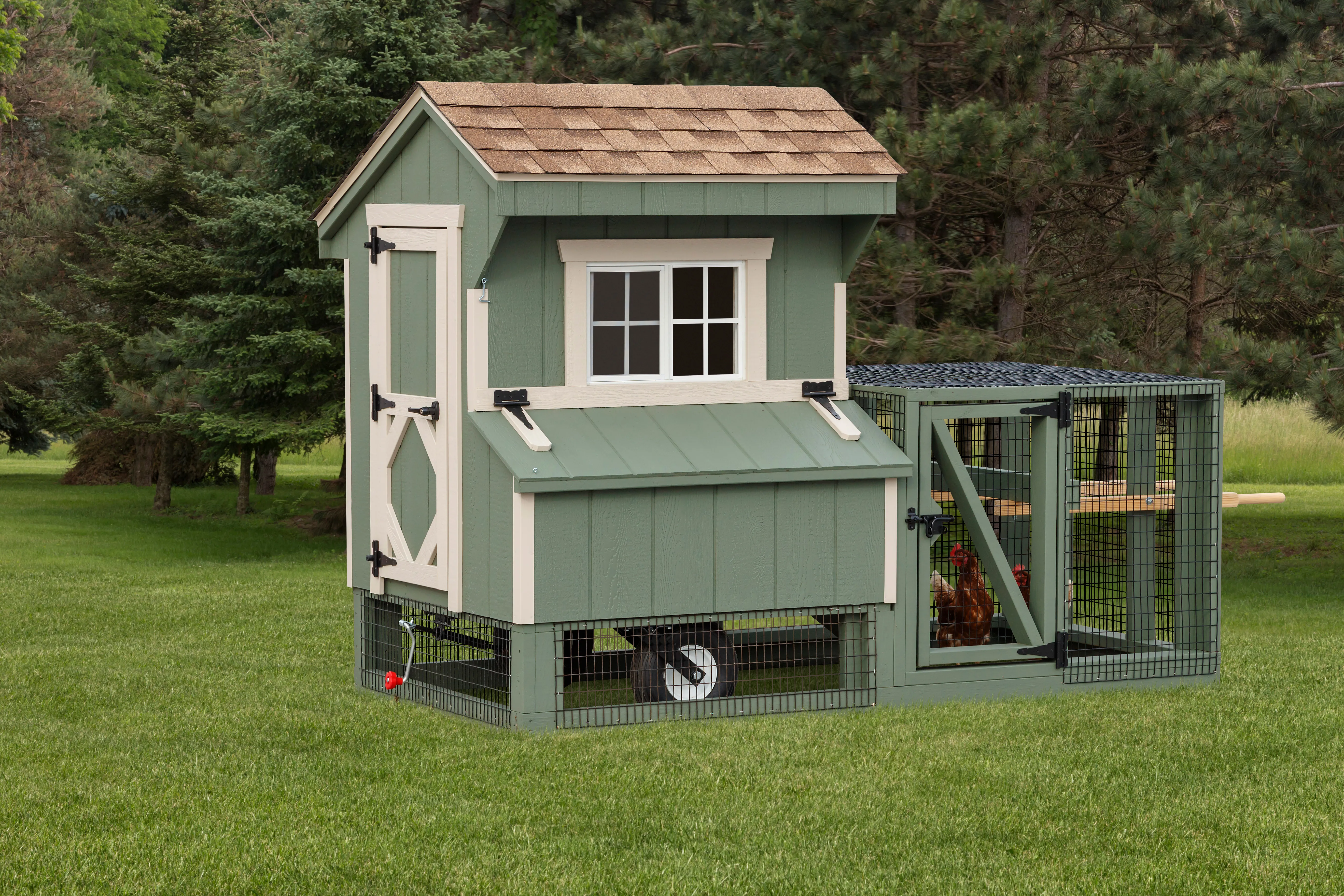
Finding Used Chicken Coops for Sale Near Me
Are you dreaming of fresh eggs and the joy of raising your own chickens? A used chicken coop can be a fantastic way to get started, offering a cost-effective and often eco-friendly solution. Finding a used chicken coop for sale near me opens up opportunities to acquire a coop that is ready to house your feathered friends without the full expense of a new one. This guide will walk you through the process of locating, evaluating, and successfully acquiring a used chicken coop in your local area. The benefits are numerous, from saving money to potentially finding a coop with character and charm. Let’s dive into the best strategies for finding that perfect used chicken coop for your backyard.
Where to Search for Used Chicken Coops
The search for a used chicken coop requires knowing where to look. Several platforms and avenues can lead you to your ideal coop. Success often hinges on expanding your search radius and regularly checking these sources, as deals can come and go quickly. Persistence and a keen eye will be your greatest assets in finding the perfect coop. Consider setting up alerts on various platforms to be notified when new listings matching your criteria appear. Building a successful search strategy involves diversifying your approach and keeping your eyes peeled for new listings. Here’s a comprehensive overview of the most effective places to begin your search.
Online Marketplaces

Online marketplaces are a treasure trove for finding used chicken coops near you. Websites like Craigslist, Facebook Marketplace, and eBay often have listings from local sellers looking to offload their coops. These platforms offer the advantage of browsing through pictures and descriptions, often including details on the coop’s dimensions, materials, and condition. Make sure to filter your search by location to ensure you’re only viewing coops within a reasonable distance. When browsing, pay close attention to the photos provided. High-quality images showcasing the coop from multiple angles can give you a good sense of its current state. Reading the seller’s description carefully will often reveal important details about the coop’s history, age, and any known issues. Be proactive and reach out to sellers with questions, and arrange for a viewing if possible. (Image: online-marketplaces-chicken-coops.webp)
Local Classifieds
Local classifieds, both online and in print, can also be excellent resources for finding used chicken coops. Many communities have their own online classifieds, such as those hosted by local newspapers or community websites. These platforms often feature listings from residents in your immediate area, making it easier to find coops that are conveniently located. Additionally, don’t overlook print classifieds in local newspapers, community newsletters, or bulletin boards. Though these may not be as frequently updated as online platforms, they can sometimes yield hidden gems. Classifieds are valuable for finding coops from sellers who may not be as tech-savvy, potentially resulting in less competition and better deals. Always remember to contact the seller promptly if you find a coop that interests you, and be prepared to arrange a viewing to assess its condition. Remember to check for any local regulations that might impact your chicken coop setup.
Social Media Groups
Social media groups, particularly those focused on local buy-and-sell or farming communities, can be a goldmine for finding used chicken coops. Facebook groups dedicated to local areas or specific interests, such as backyard chickens or homesteading, often feature listings for coops for sale. These groups allow you to interact directly with sellers, ask questions, and get a feel for the seller’s reputation within the community. Beyond Facebook, consider searching for local groups on other platforms like Nextdoor or Reddit, where community members often share information on available items. The advantage of using social media groups is the potential for quick communication and the opportunity to see real-time updates on new listings. Keep an eye out for posts from people selling coops and be ready to act fast when you see one that catches your eye. (Image: used-chicken-coop-search.webp)
Evaluating the Condition of a Used Chicken Coop

Once you’ve found a potential used chicken coop, thoroughly evaluating its condition is critical. This assessment helps determine whether the coop is a good investment and if it will provide a safe and comfortable home for your chickens. A comprehensive evaluation will save you from costly repairs and potential issues down the road. Take your time, inspect the coop carefully, and don’t hesitate to ask the seller detailed questions about its history and any maintenance performed. A careful inspection will not only give you peace of mind but also potentially allow you to negotiate a better price based on any existing issues. The following points are critical to evaluating a used chicken coop.
Structural Integrity
Start by assessing the coop’s structural integrity. Inspect the frame, walls, roof, and floor for any signs of damage or weakness. Look for rot, cracks, or warping in the wood. If the coop is made of metal, check for rust or corrosion. Ensure that all joints and connections are secure and that the coop is stable. Pay attention to the roof to make sure it doesn’t leak, as a leaky roof can lead to further damage. Check the floor for any signs of deterioration, as this is an area that will experience constant wear and tear from the chickens. A structurally sound coop will last longer and provide better protection for your chickens. Don’t be afraid to gently test the structure by applying pressure to different areas to see if they feel secure. (Image: evaluating-used-chicken-coop.webp)
Material Quality
The quality of the materials used in the chicken coop significantly impacts its durability and longevity. Identify the type of wood used, such as cedar, pine, or pressure-treated lumber. Each has its own benefits and drawbacks; for example, cedar is naturally rot-resistant. Check for any signs of wear and tear, such as splintering, fading, or damage. Examine the hardware, including hinges, latches, and screws, to ensure they are in good condition and not corroded. Consider the type of roofing material and its condition. Asphalt shingles, metal roofing, and other materials have different lifespans and require varying maintenance. The quality of the materials will affect how well the coop stands up against the elements. Superior materials require less maintenance and offer greater protection against the weather. Remember that even with high-quality materials, regular maintenance is essential to keep your coop in top shape.
Pest and Disease Inspection

A thorough pest and disease inspection is essential when evaluating a used chicken coop. Look for signs of pests, such as mites, lice, or rodents. These pests can be detrimental to your chickens’ health. Check for droppings or any evidence of infestation. Inspect the coop for signs of past diseases, such as mold, mildew, or any discoloration that may indicate illness. Assess the condition of the ventilation system, as proper airflow is vital for preventing the buildup of moisture and reducing the risk of respiratory diseases. If possible, ask the seller about the coop’s history and any past health issues among the chickens that lived there. A coop that is free of pests and diseases will help ensure the health and well-being of your flock. Proper cleaning and sanitizing are essential to eliminate any potential issues before introducing your own chickens. (Image: pest-disease-inspection.webp)
Negotiating the Price
Negotiating the price of a used chicken coop can result in a better deal and help you stay within budget. Approach negotiations with respect and a clear understanding of the coop’s value. Research the market value of similar coops in your area to inform your offer. Be prepared to highlight any issues you’ve identified during your inspection, as these can be leveraged to negotiate a lower price. Remember that the seller may be more willing to negotiate if they’re motivated to sell quickly. Clear communication and a friendly attitude will make the negotiation process more pleasant and increase your chances of success. Here is how to approach the negotiation.
Researching Market Value
Before making an offer, research the market value of similar used chicken coops in your area. Check online marketplaces and local classifieds to compare prices and assess what coops are selling for. Consider factors such as size, materials, condition, and any included features. This research will provide you with a baseline to determine a fair price for the coop you’re considering. If the coop is priced higher than comparable models, you’ll have a strong basis for negotiating a lower price. Document your research by taking screenshots or saving listings of similar coops. This information will be a valuable tool when you’re discussing the price with the seller. Also consider the age and original cost of the coop. (Image: negotiating-used-chicken-coop-price.webp)
Preparing Questions for the Seller

Prepare a list of questions to ask the seller. These questions should cover any aspects of the coop’s condition, history, and maintenance that you’re curious about. Inquire about the coop’s age, how long the seller has owned it, and the reasons for selling. Ask if any repairs or modifications have been made, and request documentation if available. Inquire about any known issues, such as leaks, pest infestations, or previous health problems among chickens that lived there. Be sure to ask about any included accessories, such as feeders, waterers, or nesting boxes. These questions will help you assess the coop’s value, potential risks, and any additional costs you may incur. Take notes during your conversation so you can refer to the information later. Be polite and show genuine interest in the coop.
Making an Offer
When making an offer, base it on your assessment of the coop’s condition and the market value research you’ve conducted. If you’ve identified any issues or needed repairs, factor those costs into your offer. Start with a reasonable offer that reflects the coop’s value and your budget. Be prepared to negotiate, and be willing to compromise. If you’re not satisfied with the seller’s counteroffer, be prepared to walk away. Remember that there are always other coops available. Express your interest in buying the coop, and explain why you are making the offer. Be polite and professional throughout the negotiation process. Once you agree on a price, make sure to finalize the sale with a written agreement if possible.
Transporting and Setting Up Your Used Chicken Coop
Once you’ve purchased a used chicken coop, the next steps are to transport it and set it up safely and securely. Careful planning and execution will help ensure a smooth transition and protect both the coop and your chickens. Consider the coop’s size, weight, and any disassembly requirements to determine the best transportation method. Before bringing your chickens home, take the time to prepare the site, assemble the coop, and perform final safety checks. Careful planning in the transportation and setup phase will make a significant difference in the long-term functionality and safety of the coop. Here’s how to prepare to transport and assemble your new coop.
Transportation Options

The best way to transport your used chicken coop depends on its size and the amount of disassembly required. For smaller coops that are already assembled, a pickup truck or a utility trailer may be sufficient. If the coop is larger or needs to be disassembled, you may need to rent a larger vehicle or consider hiring professional movers. Before transporting the coop, carefully assess its condition to identify any fragile parts or areas that may need extra protection. If the coop is disassembled, label all parts and take photos during the process so you can easily reassemble it later. During transport, secure the coop properly to prevent it from shifting or falling. Consider the route you will take and avoid bumpy roads or sharp turns that could damage the coop. (Image: transporting-chicken-coop.webp)
Location Selection and Ground Preparation
Choosing the right location for your chicken coop is essential for the health and well-being of your chickens. Select a spot that is level, well-drained, and protected from harsh weather conditions. Ensure that the location receives both sunlight and shade throughout the day. Check for any hazards, such as overhanging branches or nearby structures that could pose a risk to your chickens. Prepare the ground by removing any vegetation and leveling the surface. Consider adding a layer of gravel or sand to help with drainage. If your coop requires a foundation, build it before setting up the coop. Taking the time to prepare the ground will prevent water damage and make it easier to clean and maintain the coop. Consider local regulations and any setback requirements related to coop placement.
Assembly and Final Checks
Once you have transported the coop to its location, begin the assembly process. Follow the seller’s instructions or any documentation that came with the coop. If you dissembled the coop, make sure you have all the necessary tools and fasteners. Inspect all connections and ensure they are secure. Attach any included accessories, such as feeders, waterers, and nesting boxes. Before introducing your chickens, perform final safety checks. Examine the coop for any sharp edges or protruding nails that could injure your chickens. Ensure that all latches and closures are secure and that the coop is predator-proof. Check the ventilation system to ensure that there is adequate airflow. Make any necessary adjustments to the coop to ensure a comfortable and safe living environment for your chickens. Clean and sanitize the coop before introducing your chickens to prevent the spread of disease and ensure their health. (Image: chicken-coop-assembly.webp)
Top 5 Deals for Chicken Coops for Sale Near Me

Finding a great deal on a used chicken coop near you can be a rewarding experience. You can save a significant amount of money and get a functional coop without paying the full price of a new one. Remember to always inspect the coop thoroughly, negotiate a fair price, and arrange for safe transportation. By following the tips and strategies outlined in this guide, you will be well-equipped to find, evaluate, and successfully acquire the perfect used chicken coop for your flock.
Deal 1
Look for coops that are slightly older, but still in good condition. These coops might have been used for a few years, but were well-maintained and are now being sold at a reduced price.
Deal 2
Consider coops that need minor repairs or cosmetic updates. Often, these coops can be purchased at a lower price, and the repairs can be a DIY project.
Deal 3
Check for coops sold by people who are moving or downsizing. They might be in a hurry to sell and therefore more willing to accept a lower price.
Deal 4
Search for coops that are being sold as part of a larger sale, such as an estate sale or a farm auction.
Deal 5
Be patient and monitor online marketplaces and local classifieds regularly. Deals come and go quickly, so constant vigilance is necessary.