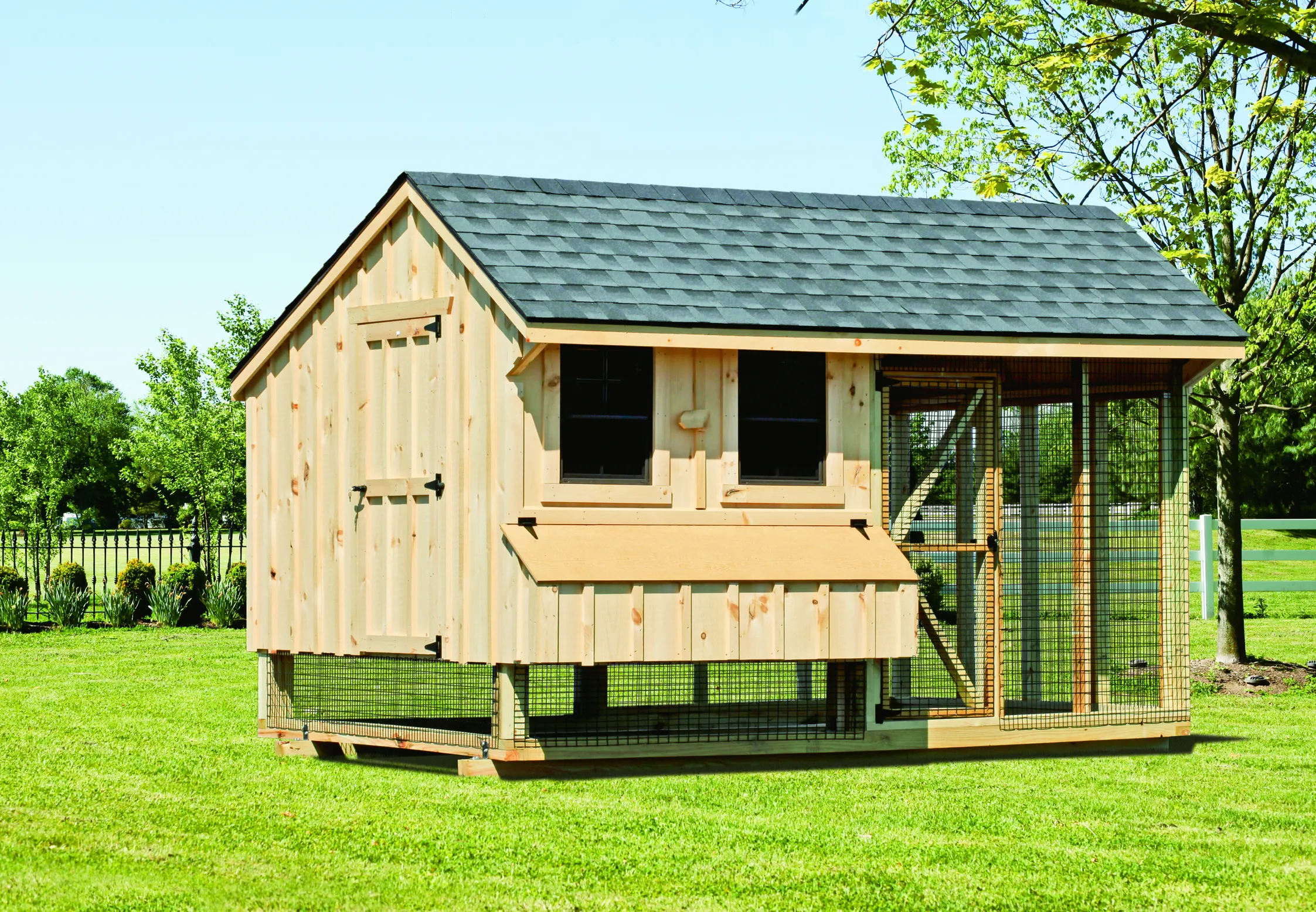
Finding the right chicken coop for sale is a crucial step in providing a safe and comfortable home for your feathered friends. With numerous options available, making the right choice can be overwhelming. This guide will walk you through the top 7 features to consider when purchasing a chicken coop, ensuring you make an informed decision that benefits both you and your chickens. From size and material to security and ease of cleaning, these factors will help you choose a coop that suits your needs and provides a happy, healthy environment for your flock. Whether you’re a seasoned chicken keeper or just starting out, understanding these key features will lead you to the perfect coop!
What to Consider Before Buying a Chicken Coop
Before you start browsing chicken coops for sale, it is essential to consider several factors that will influence your decision. These preliminary steps will help you narrow down your options and choose a coop that best meets your specific requirements. Think about your local climate, predator presence, and the number of chickens you plan to keep. Consider the available space in your yard, the amount of time you can dedicate to coop maintenance, and your budget. Researching local regulations regarding chicken keeping, including coop size and placement, is also crucial. Taking these initial steps will streamline your coop-buying process and ensure you invest in a suitable and sustainable chicken home.
Size and Capacity of Chicken Coops
One of the most critical factors when choosing a chicken coop for sale is its size and capacity. A coop that is too small can lead to overcrowding, which can stress your chickens and increase the risk of disease. Adequate space allows chickens to move freely, roost comfortably, and avoid pecking order disputes. Proper sizing also facilitates good air circulation, which is essential for maintaining a healthy environment. Consider the breed of chickens you plan to raise, as larger breeds require more space than smaller ones. Always aim to provide at least 4 square feet of floor space per chicken inside the coop and a minimum of 8 square feet of outdoor run space per bird. This ensures your chickens have enough room to thrive.
Consider your flock size

The initial size of your flock will directly influence the coop size you need. Start by accurately estimating the number of chickens you plan to keep. Remember that chicken math can be very real and the flock can grow faster than you anticipate. If you are just starting, begin with a reasonable number of chickens and plan for future growth. Take the time to research different chicken breeds, as some breeds are larger and require more space than others. Ensure you have the necessary space for the number of chickens you intend to keep, plus a little extra to accommodate any additions to your flock. By carefully considering your flock size, you will avoid overcrowding and create a more comfortable environment for your chickens. Consider the number of chickens you’re starting with and any potential for adding more in the future. This ensures the coop is not only suitable for your current needs but also allows room for your flock to grow.
Allow for future growth
When selecting a chicken coop for sale, it’s wise to plan for the future. While you may start with a few chickens, the urge to expand your flock can be strong. Choose a coop that can accommodate a few additional chickens, or consider a larger coop with the capacity to grow with your needs. Think about potential breed changes, as you might decide to introduce larger or more space-demanding breeds down the line. Opting for a slightly larger coop initially can save you the expense and hassle of upgrading later. A coop that allows for future growth is a smart investment that provides flexibility and long-term value, ensuring you and your chickens are prepared for any changes.
Material and Durability
The material of your chicken coop significantly impacts its durability, longevity, and overall performance. Consider the climate in your area and the specific challenges it presents, such as extreme temperatures, rain, or snow. Selecting a coop made from high-quality materials will ensure it can withstand the elements and provide a safe and secure shelter for your chickens for years to come. Look for materials that are resistant to rot, pests, and the wear and tear of daily use. Additionally, the material influences ease of cleaning and maintenance, which is essential for maintaining a hygienic environment for your flock. A well-constructed coop made of durable materials is a worthwhile investment.
Wood vs metal

Wood and metal are two common materials used in chicken coops for sale, each with its advantages and disadvantages. Wooden coops offer a natural look and can be easier to customize and repair. However, wood requires regular maintenance, such as painting or sealing, to protect it from the elements and prevent rot. It can also be susceptible to pests like termites. Metal coops, often made of galvanized steel, are generally more durable and resistant to pests. They are also easier to clean and require less maintenance. However, metal coops can get hot in the summer and may not be as aesthetically pleasing as wooden coops. Consider the pros and cons of each material, considering your climate, aesthetic preferences, and maintenance capacity.
Weather resistance
Weather resistance is a crucial aspect to consider when selecting a chicken coop. The coop must protect your chickens from rain, snow, wind, and extreme temperatures. Look for coops made from weather-resistant materials or that have been treated to withstand the elements. Ensure that the coop has proper roofing, secure doors and windows, and adequate ventilation to prevent moisture buildup. Properly sealed seams and joints are essential to keep the coop dry and prevent drafts. In colder climates, insulation can be necessary to maintain a comfortable temperature inside the coop. In areas with intense sun exposure, consider a coop with a shaded run or a design that provides ample shade to prevent overheating.
Security Features
Protecting your chickens from predators is paramount. A secure coop will keep your chickens safe from foxes, raccoons, coyotes, and other threats. Consider the common predators in your area and choose a coop with features that will deter them. This includes sturdy construction, secure latches, and well-secured wire mesh. Adequate security minimizes the risk of losing chickens and provides peace of mind, knowing your flock is safe. Investing in a predator-proof coop is one of the most important decisions you will make as a chicken keeper.
Predator-proof design

A predator-proof design is critical for the safety of your chickens. This includes features such as sturdy construction with heavy-duty materials, strong latches and locks on doors and windows, and wire mesh that is securely attached. Burying wire mesh around the perimeter of the run can prevent predators from digging under the coop. Avoid using chicken wire, as it is not predator-proof. Instead, opt for hardware cloth with small openings, such as 1/2-inch mesh, which is more resistant to predators. Regularly inspect the coop for any signs of wear or damage that could compromise its security. A well-designed, predator-proof coop ensures your chickens are protected from potential threats.
Locking mechanisms
Secure locking mechanisms are essential for preventing predators from gaining access to your coop. Look for latches, bolts, and locks that are easy to operate but difficult for predators to manipulate. Consider using multiple locking points on doors and windows to enhance security. The locks should be robust and made from durable materials that withstand the elements. Regularly check the locks to ensure they are functioning correctly and are not showing signs of wear or damage. Some coops come with automatic door openers that can be programmed to open and close the coop at specific times, providing added security, particularly if you are not always available to close the coop manually at dusk.
Ventilation and Airflow
Proper ventilation is vital for maintaining a healthy environment inside the coop. Good airflow prevents moisture buildup, reduces odors, and minimizes the risk of respiratory diseases in chickens. Ventilation also helps regulate the temperature inside the coop, keeping it cooler in the summer and preventing excessive humidity in the winter. A well-ventilated coop will contribute to the overall health and well-being of your flock. Poor ventilation can lead to a build-up of ammonia from chicken droppings, which can be harmful to chickens’ respiratory systems. Ensure the coop has adequate vents, and consider their placement to allow for effective air circulation.
Importance of good ventilation

Good ventilation in a chicken coop is more than just a comfort; it’s a necessity. Proper airflow prevents the build-up of moisture, which can lead to mold and mildew, and helps to control ammonia levels, which can be harmful to chickens’ respiratory systems. Ventilation also plays a key role in regulating the coop’s temperature, preventing overheating in the summer and reducing humidity in the winter. Fresh air circulation reduces the risk of respiratory illnesses and contributes to overall chicken health. Prioritize a coop with adequate ventilation to ensure a healthy and comfortable environment for your flock.
Types of ventilation systems
Various ventilation systems are available in chicken coops, each offering unique benefits. Natural ventilation relies on strategically placed vents, such as ridge vents or vents near the roofline, to allow air to circulate. This system uses the natural movement of air to remove stale air and bring in fresh air. Forced ventilation systems, such as fans, can provide more consistent and powerful airflow, especially in hot or humid climates. These systems typically include exhaust fans that pull air out of the coop and intake vents that allow fresh air to enter. When choosing a coop, consider the climate in your area and select a ventilation system that suits your needs, ensuring your chickens have a healthy environment.
Ease of Cleaning and Maintenance
Ease of cleaning and maintenance is a crucial factor when purchasing a chicken coop. A coop that is easy to clean will save you time and effort, and help maintain a hygienic environment for your chickens. Regular cleaning is essential to prevent the build-up of waste, which can attract pests and breed disease. Look for coops with features that simplify cleaning, such as removable trays, easy-to-access doors, and smooth surfaces that are easy to wipe down. The design and materials used in the coop should facilitate quick and efficient cleaning routines. A well-designed coop will also require less maintenance, such as painting or repairs, reducing your workload and ensuring the coop’s longevity.
Accessibility for cleaning

Accessibility is key when it comes to cleaning a chicken coop. The coop should have easy-to-access doors, hatches, and removable trays that allow you to reach all areas easily. A coop with a wide door and a low profile makes it simple to sweep out debris and waste. Consider the location of nesting boxes, roosting bars, and other features and ensure they are positioned in a way that doesn’t obstruct cleaning. Look for a coop with a design that minimizes tight corners and hard-to-reach areas, making the cleaning process more efficient and less time-consuming. Easy access will encourage you to clean the coop regularly, contributing to a healthy environment for your chickens.
Durable and cleanable materials
The materials used in your chicken coop should be durable and easy to clean. Smooth, non-porous materials are ideal, as they resist the absorption of moisture and odors. Avoid coops made from materials that are prone to splintering or absorbing waste, which can harbor bacteria and make cleaning difficult. Look for coops made from treated wood, metal, or composite materials that can be easily wiped down or hosed off. Ensure the materials can withstand regular cleaning with soap and water or appropriate disinfectants. Durable and cleanable materials will extend the lifespan of your coop and create a healthier environment for your chickens.
Coop Design and Layout
The design and layout of your chicken coop should cater to the needs of your chickens and provide a comfortable, functional space. Think about how the coop will be used daily and how the chickens will interact with it. Consider the placement of nesting boxes, roosting bars, and the run area, and how easily your chickens can move between these spaces. An organized and well-thought-out design will not only benefit your chickens but also make your daily chores easier and more efficient. Ensure the design considers your climate and provides adequate protection from the elements.
Nesting boxes and roosting bars

The design and placement of nesting boxes and roosting bars are important for the comfort and well-being of your chickens. Nesting boxes should be easily accessible, private, and comfortable for the chickens to lay their eggs. Provide one nesting box for every 3-4 hens, and place them in a dark, quiet area of the coop. Roosting bars provide a place for chickens to sleep and rest at night. Position the roosting bars high enough off the ground and away from drafts, allowing the chickens to perch comfortably. The roosting bars should be made from sturdy material that is easy to clean. The layout should prevent overcrowding and ensure all chickens have a comfortable place to roost.
Run space and access
The run area is as important as the coop itself. It provides chickens with a safe outdoor space to forage, exercise, and enjoy fresh air. The run should be securely enclosed with wire mesh to protect the chickens from predators. Ensure the run is large enough to accommodate your flock, with a minimum of 8 square feet of space per chicken. The access to the run from the coop should be easy for the chickens, with a ramp or opening that is the right height for them to navigate. Provide shade, water, and enrichment items within the run, such as dust baths and perches, to keep your chickens entertained and healthy.
Cost and Budget
Establishing a budget is crucial before you start shopping for a chicken coop. The price of chicken coops can vary significantly depending on their size, materials, features, and construction. Determine how much you are willing to spend and stick to your budget. When comparing coops, consider the overall value, not just the initial cost. Evaluate the durability, longevity, and maintenance requirements of each coop. A slightly more expensive coop made from high-quality materials might be a better investment in the long run, saving you money on repairs and replacements. Remember to factor in any additional costs, such as assembly, delivery, and necessary accessories.
Balancing cost and quality

Balancing cost and quality is an essential part of finding the right chicken coop. While it may be tempting to opt for the cheapest option, remember that the quality of the coop will impact its durability, safety, and the well-being of your chickens. Consider your budget but prioritize features such as predator-proof construction, durable materials, and good ventilation. Look for coops that offer a good balance between price and quality, and read reviews to see what other customers have to say about the coop’s performance and longevity. Choosing a coop that offers a fair price and meets your requirements will provide a safe and comfortable home for your chickens while maximizing your investment.
Long-term investment
Purchasing a chicken coop is a long-term investment, so it’s essential to consider its durability and longevity. Choosing a well-built coop made from high-quality materials will ensure it withstands the elements, protects your chickens, and requires minimal maintenance over time. Consider factors such as the coop’s construction, the type of materials used, and any warranties offered by the manufacturer. A coop that lasts for many years provides better value and reduces the need for frequent replacements. Investing in a quality coop from the start can save you money and time in the long run, providing a secure and comfortable home for your chickens for years to come.
Choosing the right chicken coop for sale involves careful consideration of several essential features. By focusing on size, material, security, ventilation, ease of cleaning, design, and cost, you can make an informed decision that benefits both you and your chickens. Prioritize the safety and well-being of your flock by selecting a coop that is predator-proof, well-ventilated, and easy to maintain. Remember to consider your budget and the long-term value of the coop. With the right research and planning, you can find the perfect chicken coop, providing a safe, comfortable, and enriching environment for your feathered friends.