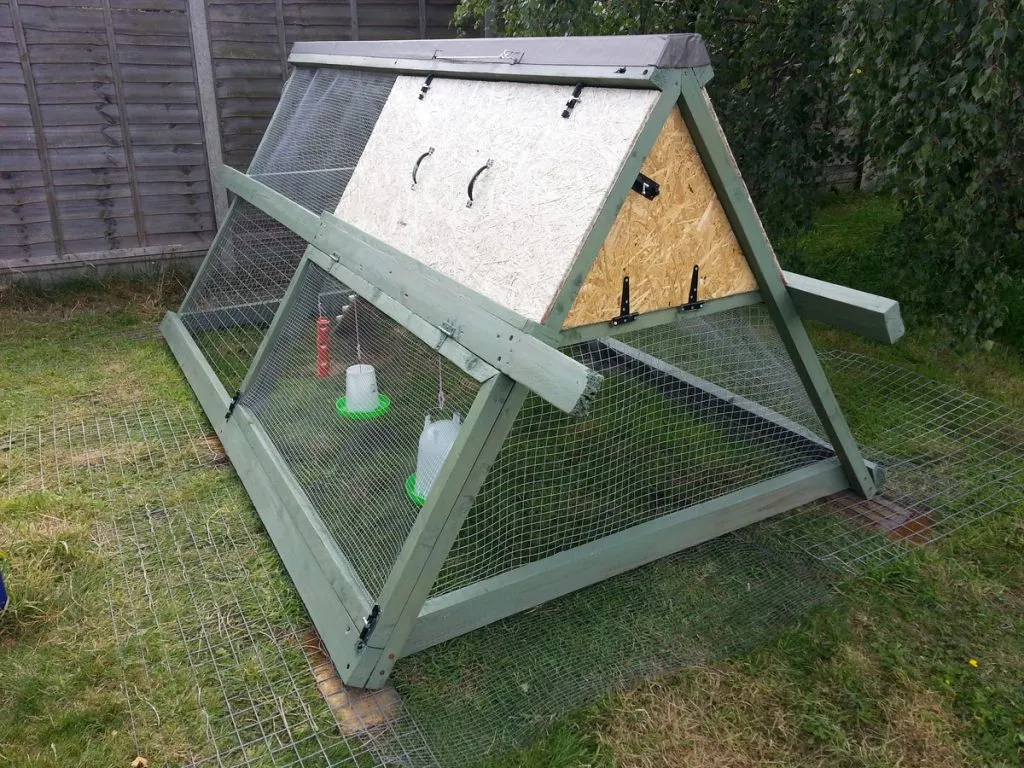
Chicken Coop Frame Overview
Building a chicken coop frame is the foundational step in providing a safe, secure, and comfortable home for your backyard chickens. The frame serves as the structural skeleton of the coop, supporting the walls, roof, and other components. A well-built frame not only ensures the longevity of your coop but also protects your birds from predators and the elements. This guide will walk you through the process of constructing a sturdy and reliable chicken coop frame, covering material selection, essential tools, step-by-step construction techniques, and crucial safety considerations. Whether you’re a seasoned DIY enthusiast or a beginner, this comprehensive how-to guide will equip you with the knowledge and skills needed to build a functional and aesthetically pleasing chicken coop frame.
Choosing Your Chicken Coop Frame Materials
Selecting the right materials for your chicken coop frame is paramount for its durability and longevity. The two primary choices are wood and metal, each with its own set of advantages and disadvantages. Factors to consider include cost, ease of construction, weather resistance, and the overall aesthetic you desire for your coop. Carefully evaluate your needs and preferences to make an informed decision that aligns with your budget, skill level, and the specific environment where the coop will be located. Proper material selection ensures your chicken coop will withstand the test of time and provide a safe haven for your flock.
Wood Frame vs. Metal Frame

The debate between wood and metal frames often centers on these key factors. Wood frames offer a traditional look and are generally easier to work with for DIY builders. Metal frames, while potentially more expensive upfront, can provide greater durability and resistance to pests and weather. Both materials have their place, and the best choice depends on your priorities and the specific conditions of your location. This section will dive deeper into the pros and cons of each to help you make the right decision for your chicken coop frame.
Wood Frame Pros and Cons
Wood is a popular choice for chicken coop frames due to its affordability and ease of use. It’s readily available, relatively inexpensive, and easy to cut, shape, and assemble using common woodworking tools. Wood also provides excellent insulation, helping to regulate the temperature inside the coop. However, wood is susceptible to rot, insect infestation, and warping, especially in damp or humid climates. Regular maintenance, including painting, staining, and applying wood preservatives, is essential to protect a wood frame from the elements and extend its lifespan. When choosing wood, opt for pressure-treated lumber for the parts that will be in contact with the ground. Consider the long-term maintenance costs and potential lifespan of a wooden frame when making your decision.
Metal Frame Pros and Cons
Metal frames, typically made from steel or aluminum, offer superior durability and resistance to the elements, pests, and fire. They require less maintenance than wood frames and are not prone to rot or insect damage. Metal frames can also be prefabricated, making assembly easier and faster. However, metal frames can be more expensive than wood frames, and they may require specialized tools and welding skills for construction. Metal can also conduct heat and cold, potentially affecting the temperature inside the coop. If using metal, ensure it’s properly treated to prevent rust and corrosion, and consider adding insulation to improve temperature regulation. Look into the long-term benefits of a metal frame, especially in areas with harsh weather conditions.
Essential Tools for Chicken Coop Framing

Having the right tools is crucial for a successful chicken coop framing project. The necessary tools will vary depending on the materials you choose and the complexity of your design, but some essentials include a measuring tape, level, saw (circular saw, hand saw, or miter saw), drill, screwdriver, hammer, safety glasses, and work gloves. A square is essential for ensuring accurate angles and alignment, and clamps can be helpful for holding pieces together while assembling the frame. Consider investing in quality tools that will last and make your work easier. Safety should always be a top priority, so always wear appropriate safety gear and follow the manufacturer’s instructions when using power tools. A well-equipped workshop leads to a well-constructed chicken coop frame, and the correct tools make the process more enjoyable and efficient.
Measuring and Cutting Your Frame Pieces
Precise measurements and accurate cutting are essential for a well-fitting and structurally sound chicken coop frame. Begin by carefully reviewing your plans and creating a cut list, which specifies the dimensions and quantity of each frame piece. Use a measuring tape to accurately measure each piece, and use a pencil to mark the cutting lines. A level will also be vital. When cutting, use the appropriate saw for your chosen material. Follow the cutting lines precisely, and always double-check your measurements before making any cuts. Consistent, clean cuts are critical for ensuring that the frame pieces fit together correctly and create a square and level structure. Take your time and measure twice, cut once, to minimize errors and ensure a professional-looking finished product.
Cutting the Wood
When cutting wood, always prioritize safety and accuracy. Wear safety glasses and ear protection to protect yourself from flying debris and noise. Use the appropriate saw for the type of wood and the cuts you need to make. For straight cuts, a circular saw or a miter saw is ideal. For angled cuts, a miter saw is often the best choice. Always secure the wood firmly before cutting to prevent it from shifting. Make sure the blade is sharp and in good condition to ensure clean, precise cuts. Consider using a guide or jig to help you make straight and accurate cuts, especially for repetitive cuts. Take your time and focus on making each cut as accurate as possible.
Assembling the Base Frame

The base frame forms the foundation of your chicken coop, so it’s crucial to assemble it correctly. Start by laying out the frame pieces on a flat, level surface. Use a square to ensure that the corners are perfectly square. Fasten the pieces together using screws, nails, or a combination of both. If you’re using screws, pre-drilling pilot holes can help prevent the wood from splitting. Ensure that the frame is square and level before proceeding with the rest of the construction. This will ensure that the walls and roof will be square and align correctly. A well-constructed base frame is key to the overall stability and longevity of your chicken coop.
Attaching the Wall Frames
Once the base frame is complete, you can begin attaching the wall frames. Carefully position the wall frames on top of the base frame, ensuring they are plumb (perfectly vertical) and aligned with the base. Use a level to check the verticality of the walls. Fasten the wall frames to the base frame using screws or nails, reinforcing the corners and joints for added strength. Consider adding corner braces to provide extra support. Ensure that the walls are securely attached and that the frame is square and level before moving on to the next step. Proper attachment is critical for creating a stable and weather-resistant structure. Correct alignment will also ensure the roof fits properly and the doors and windows operate smoothly.
Frame Construction Guide
This section provides a step-by-step guide to the construction of your chicken coop frame, from the base to the roof. Detailed instructions and helpful tips will guide you through each stage of the process, ensuring that you build a sturdy and reliable frame for your coop.
Building the Base

Start by measuring and cutting the lumber according to your plans. Lay out the base frame pieces on a flat, level surface. Use a square to ensure the corners are perfectly square. Fasten the corners together using screws or nails, reinforcing the joints for added strength. Ensure that the base frame is level and square before proceeding. Consider adding a floor to the base frame at this stage, if your design requires it. Properly constructing the base is crucial for the overall stability and durability of your chicken coop.
Constructing the Walls
Measure and cut the lumber for the wall frames, following your plans. Assemble the wall frames on a flat surface. Use a square to ensure the corners are square. Attach the wall frames to the base frame, making sure they are plumb (perfectly vertical) and aligned. Use screws or nails to secure the walls to the base, and add corner braces for extra support. Double-check the level and alignment of the walls before proceeding. Building the walls involves both structural integrity and accurate measurements to ensure the coop’s overall stability and aesthetic appeal. Correctly constructed walls will protect your chickens from the elements and provide a secure environment.
Roof Framing
The roof provides essential protection from the weather. The framing for the roof involves creating a structure that can support the roof sheathing and roofing material. Determine the type of roof you want (gable, shed, etc.) and cut the lumber accordingly. Attach the rafters to the walls, ensuring they are evenly spaced and securely fastened. Add supports and bracing as needed to provide extra strength. Ensure the roof frame is square and level before proceeding with the roofing. The roof should be designed to shed water efficiently and withstand wind and snow. The choice of roofing material, whether shingles, metal, or another option, will depend on your climate and preferences.
Adding Structural Supports

Structural supports add strength and stability to your chicken coop frame. These can include corner braces, diagonal bracing, and additional framing members. Attach corner braces to reinforce the corners of the frame. Add diagonal bracing to the walls to prevent racking (the frame shifting out of square). Consider adding vertical supports in the walls for extra strength. The specific supports you need will depend on the size and design of your coop. Adding these supports will improve the overall stability and durability of your coop, helping it withstand wind, snow, and other forces.
Securing the Frame
Properly securing your chicken coop frame is critical for its longevity and safety. This section covers the key steps to ensure your frame is stable, level, and resistant to the elements.
Checking for Square and Level
Regularly check that your frame is square and level throughout the construction process. Use a square to ensure corners are at 90-degree angles. Use a level to ensure the base and walls are level and plumb (perfectly vertical). Adjust the frame as needed to correct any discrepancies. A square and level frame ensures that all components fit together properly and that the structure is stable. This will also prevent issues when you install the walls, roof, doors, and windows. Take the time to check for square and level at each stage of construction to ensure the best results.
Fastening with Screws and Nails

Choose the appropriate fasteners for your project. Screws generally provide more holding power and are less likely to work loose over time. Nails are quicker to install but may be less durable. When using screws, pre-drill pilot holes to prevent the wood from splitting. Space fasteners appropriately, following the manufacturer’s recommendations. Consider using exterior-grade screws and nails that are resistant to rust and corrosion. Use fasteners of the correct length to ensure that they penetrate the wood sufficiently. Properly securing the frame with the right fasteners is essential for structural integrity.
Reinforcing Corners and Joints
Corners and joints are critical points of stress in a chicken coop frame. Reinforce these areas with corner braces, gussets, or other structural supports. Use construction adhesive in addition to screws or nails to provide extra strength. Consider adding diagonal bracing to the walls to prevent racking (the frame shifting out of square). Proper reinforcement ensures the frame can withstand wind, snow, and other stresses. Take the time to reinforce all critical joints to ensure the long-term stability and durability of your chicken coop.