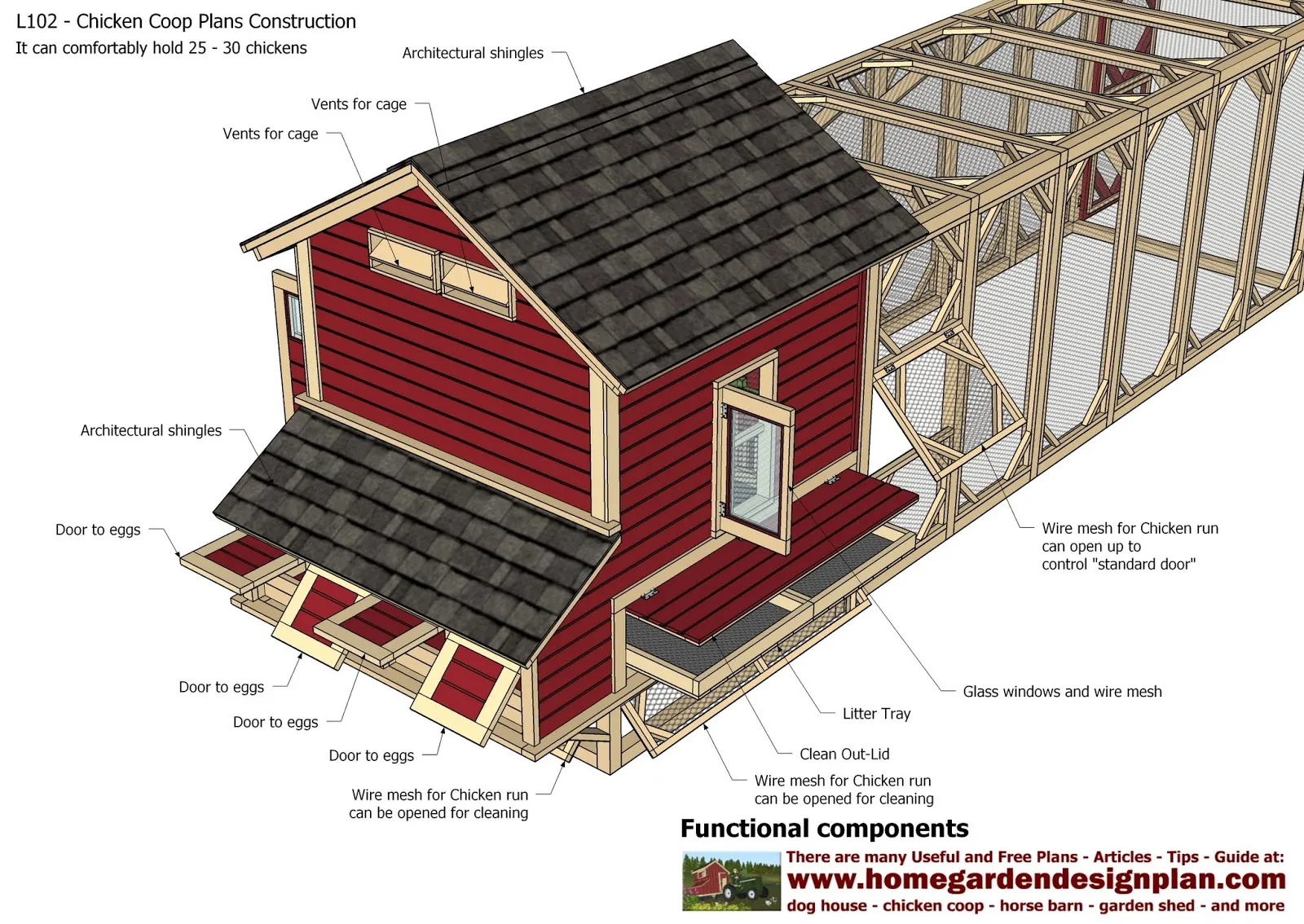
Planning Your Chicken Coop Build
Embarking on the journey of building a chicken coop is an exciting endeavor for any aspiring chicken owner. The foundation of a successful coop starts with careful planning. This initial phase sets the stage for a structure that not only houses your chickens comfortably but also protects them from predators and the elements. Thorough planning ensures you avoid costly mistakes and create a functional, long-lasting coop tailored to your flock’s needs and your backyard space. It involves understanding your local climate, the number of chickens you intend to keep, and the specific requirements of your chosen breed. The planning stage is also the perfect time to research and select free plans, as it allows you to assess the feasibility of each design relative to your resources, skills, and the overall aesthetic you envision for your backyard.
Determining Your Coop Size
One of the most critical aspects of planning is determining the appropriate size of your chicken coop. A coop that is too small will lead to overcrowding, stress, and potential health issues for your chickens, while a coop that is excessively large may be unnecessary and more expensive to build and maintain. Properly sizing your coop ensures that your chickens have enough space to move around, roost, and nest comfortably. This directly impacts their overall well-being and productivity, as happy chickens are more likely to lay eggs regularly and remain free from stress-related illnesses.
Factors Influencing Coop Size

Several factors influence the ideal size of your chicken coop. The breed of chickens you intend to keep is a primary consideration, as different breeds vary in size and space requirements. The number of chickens you plan to house is another key factor; more chickens naturally require a larger coop. Consider your local climate conditions, as extreme temperatures may necessitate a coop design that offers better insulation and ventilation. The availability of outdoor run space also influences coop size, as chickens can spend less time in the coop if they have ample room to roam outside. Finally, your personal preferences and the available space in your backyard should be taken into account when determining the size of your coop.
Space Requirements per Chicken
As a general guideline, aim for a minimum of 4 square feet of floor space inside the coop per chicken. For breeds that are larger or prone to being less active, you might want to increase this to 5 or 6 square feet per bird. Additionally, ensure that you have adequate roosting space, typically providing 8 to 12 inches of roosting bar per chicken. Plan for nesting boxes, ensuring you have at least one box for every 3-4 hens. The outdoor run should provide significantly more space, ideally 8-10 square feet per chicken. This ensures your chickens have enough room to forage, exercise, and socialize comfortably.
Choosing the Right Coop Design
Once you have determined the size of your coop, the next step is to choose the right design. The design of your chicken coop impacts its functionality, ease of maintenance, and its ability to protect your chickens from the elements and predators. Researching different coop styles and understanding their respective advantages will help you make an informed decision. Consider factors such as your climate, the availability of materials, and your personal building skills when evaluating design options. Remember, the best coop design is one that meets the specific needs of your chickens and is practical for you to build and maintain.
Coop Styles and Their Advantages

Several coop styles are available, each with its own set of advantages. A-frame coops are simple to construct, making them ideal for beginners, and they shed rain and snow effectively. The run-in shed style offers a straightforward design that’s easy to clean and maintain. The more complex walk-in coops provide ample space for chickens and can be customized with various features. Mobile coops, also known as chicken tractors, allow you to move the coop around your yard to provide fresh foraging areas and help fertilize your lawn. Decide on the best style based on your climate, available space, and the overall look you desire.
Popular Coop Design Choices
Some of the most popular coop designs include the traditional gable roof coop, which offers excellent weather protection and good ventilation, and the modern shed-style coop, which is easy to build and stylish. A-frame coops provide a compact footprint and are great for small flocks. Pallet coops offer a budget-friendly option utilizing recycled materials. When selecting a design, consider the availability of free plans for that style. Look for designs that incorporate features such as raised floors, easy access for cleaning, predator-resistant construction, and ample ventilation. Choosing a design that suits your aesthetic preferences will make the coop a more enjoyable addition to your backyard.
Gathering Free Chicken Coop Plans
Once you’ve planned and chosen a design, the next step is to gather free chicken coop plans. These plans provide step-by-step instructions, material lists, and diagrams to help you build your coop. Finding reliable plans is crucial, as they guide the construction process and ensure the structural integrity and safety of your coop. With the availability of numerous free resources online, it’s possible to find comprehensive plans that suit your chosen design and building skills. Careful selection and evaluation of these plans can save you time, money, and effort throughout the building process.
Where to Find Free Coop Plans Online

Numerous websites and online resources offer free chicken coop plans. These plans range from simple, beginner-friendly designs to more complex structures for experienced builders. Websites such as government agencies and educational institutions also provide free plans that meet safety standards. When searching for plans, use specific keywords such as “free chicken coop plans PDF,” “DIY chicken coop plans,” or the name of your chosen coop style followed by “free plans.” Remember to explore various sources, compare different plans, and read reviews or testimonials if available to find the best plan for your project.
Websites Offering Free Chicken Coop Plans
Several websites are known for providing free chicken coop plans. Look for resources from reputable DIY websites, home improvement blogs, and poultry-specific forums. Many government agricultural extension services also offer free plans and guidelines that are tailored to local climate and building regulations. Websites that host user-submitted plans can provide a wide variety of designs, but be sure to evaluate these plans carefully. Always check for plan reviews, user feedback, and the completeness of the material lists and instructions. Some examples are available on websites with downloadable plans.
Evaluating Plan Quality and Suitability
Not all free chicken coop plans are created equal. It’s essential to evaluate each plan’s quality and suitability for your needs carefully. This ensures you select a plan that is accurate, easy to understand, and aligned with your building skills and project requirements. Poorly designed plans can lead to structural issues, incorrect measurements, and wasted materials, ultimately resulting in a coop that is not safe or functional for your chickens. Take time to thoroughly examine the plan before starting construction to minimize problems later on.
Key Features to Look For in a Plan

When evaluating a chicken coop plan, look for several key features. The plan should include a detailed material list with specific measurements and quantities. Clear, easy-to-follow diagrams and instructions are essential. Check that the plan addresses the needs of chickens, such as providing adequate space, proper ventilation, and protection from predators. The plan should also cover essential aspects of the coop, including nesting boxes, roosting bars, and a secure door. Also, consider the plan’s building difficulty and whether it aligns with your skill level.
Essential Materials and Tools
Once you have chosen your chicken coop plan, it’s time to gather the necessary materials and tools. Selecting high-quality materials and having the right tools can greatly impact the ease and success of your construction project. Investing in appropriate materials ensures the durability, safety, and longevity of your coop, while having the correct tools will help you complete the project efficiently and accurately. Before starting, review the material list provided in your chosen plan to ensure you have everything you need before construction.
Required Materials for Coop Construction
The materials required for building a chicken coop will vary depending on the plan you select, but some common materials include lumber for the frame, walls, and roof; plywood or other sheeting for the walls and floor; roofing materials such as shingles or metal sheets; hardware cloth or wire mesh for windows and runs; and various fasteners like screws, nails, and hinges. Your material list will be guided by your chosen plans, so ensure you have the specific dimensions of the materials necessary. Other components could include nesting boxes, roosting bars, and potentially windows, doors, and other specific features.
Lumber Types and Recommendations

The type of lumber you choose is crucial for the durability and longevity of your coop. Pressure-treated lumber is excellent for the foundation and any parts of the coop that will be in contact with the ground or exposed to moisture. Cedar or redwood are naturally weather-resistant and suitable for the exterior walls and roof. Avoid using lumber that has been chemically treated with harmful substances that could be toxic to your chickens. When selecting lumber, choose straight, undamaged boards to ensure a sturdy and secure structure.
Hardware and Fasteners
In addition to lumber, you will need various hardware and fasteners to assemble your chicken coop. This typically includes screws of different sizes for various applications, nails for framing, hinges for doors and windows, and latches to secure openings. Use galvanized or stainless steel screws and fasteners to resist rust and corrosion, extending the lifespan of your coop. Hardware cloth or wire mesh is essential for the windows and runs to prevent predators from entering while allowing ventilation. Be sure to select hardware that is appropriate for the specific materials and the overall design of your coop.
Tools Needed for Construction
The tools you need for building a chicken coop will vary depending on the complexity of your chosen design. However, some essential tools include a measuring tape, level, saw (circular saw, handsaw, or reciprocating saw), drill/driver, hammer, staple gun (for attaching hardware cloth), and safety gear like safety glasses and gloves. A square, a pencil, and a stud finder can also be helpful. As you progress in your DIY journey, consider investing in power tools such as a miter saw, which can improve accuracy and efficiency. Ensure your tools are in good working condition and that you understand how to use them safely.
Essential Tools and Alternatives

While a basic set of tools will enable you to build a coop, certain tools can significantly enhance your efficiency and the overall quality of your project. A power drill and a circular saw are invaluable for cutting and assembling the lumber quickly. A miter saw will help you achieve precise cuts for framing and trim. If you don’t own these tools, consider borrowing them from friends, family, or renting them from a local hardware store. Alternatives to power tools include hand saws and manual drills, which require more effort but can still produce satisfactory results. Always prioritize safety and use the tools within your skill level.
Building Your Chicken Coop
With your plan, materials, and tools ready, it’s time to begin the construction of your chicken coop. Following the step-by-step instructions in your chosen plan is essential to ensure a successful build. Building a chicken coop involves assembling the frame, constructing the walls and roof, and integrating essential features such as nesting boxes, roosting bars, and ventilation systems. Take your time, work carefully, and double-check measurements at each stage to minimize errors. This process may seem daunting at first, but with focus and patience, you can create a safe, comfortable, and functional home for your chickens.
Step-by-Step Construction Guide
A step-by-step construction guide will walk you through building your chicken coop, starting with the foundation. Typically, construction begins with the framing of the coop. After the framing is complete, you add the walls, roof, doors, and windows. Then you add the interior features, which may include nesting boxes, roosting bars, and ventilation. At each step, refer to your plan and take precise measurements. Double-check your work, and make sure that you are following the correct order of operations, as this will make the process far smoother and more enjoyable. Be sure to follow the instructions from your chosen plan and ask for help when needed.
Foundation and Framing
The foundation provides a stable base for your coop. Laying the foundation usually involves leveling the ground, setting up the frame, and ensuring that everything is square and true. Framing involves constructing the basic structure of the coop using lumber. Begin by building the base frame, followed by the vertical studs and the roof supports. Precise measurements and accurate cuts are crucial at this stage. Ensure the frame is sturdy and properly aligned. Refer to your plan for specific dimensions and construction methods to ensure a solid, long-lasting structure.
Walls, Roof, and Doors
Once the frame is complete, it’s time to add the walls, roof, and doors. You can use plywood, planks, or other materials for the walls, attaching them securely to the frame. Construct the roof by attaching the roof supports and covering them with the roofing material, which could be shingles or metal sheets. Build or install the doors and windows, ensuring they fit properly and close securely. Install hardware cloth or wire mesh on the windows and any other openings to provide ventilation while preventing predators from entering. Proper installation of these components is essential for the safety and protection of your chickens.
Integrating Essential Features
Integrating essential features such as nesting boxes, roosting bars, and ventilation is crucial to provide a comfortable living environment for your chickens. These features enhance their well-being and productivity. The placement, design, and functionality of these internal elements should be carefully considered to optimize space, promote cleanliness, and facilitate ease of maintenance. Making the coop a safe and efficient place for your chickens will also make coop maintenance easier for you.
Nesting Boxes and Roosting Bars
Nesting boxes provide a secure and private space for hens to lay their eggs. Place nesting boxes in a quiet, sheltered area of the coop, away from direct sunlight and drafts. Ensure you have at least one nesting box for every 3-4 hens. Roosting bars allow chickens to sleep comfortably off the ground. Position the roosting bars at a height where the chickens can easily access them, usually a few feet above the floor. Provide enough space on the roosting bars for each chicken, allowing them to comfortably perch without overcrowding. These interior features are vital to the happiness of your flock.
Ventilation and Lighting
Proper ventilation is essential for removing moisture, ammonia, and other odors from the coop. Ventilation helps prevent respiratory issues and creates a healthier environment. Install vents high in the coop and ensure that the design facilitates cross-ventilation. Avoid placing vents directly above roosting bars, as drafts can chill chickens. Consider adding windows or skylights to provide natural light, which can improve egg production and the chickens’ overall health. Lighting is very important for chicken’s health and egg production.
Ensuring Coop Security
Protecting your chickens from predators is a primary concern when building a chicken coop. Implementing effective security measures prevents attacks and safeguards your flock. Predator-proofing your coop is crucial for the health and survival of your chickens. A well-designed and secure coop will deter predators and provide your birds with a safe and comfortable home. This includes making sure there are no easy points of access and that all materials are high-quality and durable, and that the coop is able to weather the elements.
Predator-Proofing Your Coop
Predator-proofing your chicken coop involves taking several measures to prevent attacks. Bury hardware cloth or wire mesh around the perimeter of the coop to prevent animals from digging under the walls. Use secure latches and locks on doors and windows. Cover all openings with hardware cloth or wire mesh, using small-gauge wire to prevent entry by smaller predators. Consider using materials that are resistant to chewing. Regular maintenance and inspections of your coop are essential to ensure its continued effectiveness. Some common predators are foxes, raccoons, and other animals that could attack chickens.
Securing Doors, Windows, and Openings
Doors, windows, and other openings are common entry points for predators. Ensure that all doors are securely latched and cannot be easily opened by clever animals. Reinforce windows with hardware cloth or wire mesh to prevent predators from breaking in. Make sure any gaps around doors and windows are sealed properly to prevent entry. Consider using predator-resistant latches and locks for added security. Regular inspection of these features and immediate repairs of any damage will greatly enhance the safety of your chickens.
Fencing and Run Design
The design of your fencing and run area plays a crucial role in protecting your chickens. Use sturdy fencing material, such as welded wire or hardware cloth, for the run. Bury the bottom of the fence at least 12 inches below ground to prevent digging predators. Ensure the fencing is tall enough to deter climbing animals. Consider adding an overhead netting to prevent attacks from aerial predators. A well-designed run provides a secure outdoor space for your chickens to roam and forage while remaining protected from potential threats.
Creating a Safe and Comfortable Environment
Creating a safe and comfortable environment is vital to the health, well-being, and productivity of your chickens. Beyond security, consider factors such as ventilation, lighting, temperature control, and cleanliness. Providing a comfortable environment reduces stress, promotes healthy behaviors, and supports optimal egg production. A well-designed and maintained coop will enhance your chicken-keeping experience. Happy, healthy chickens will make your effort worthwhile.