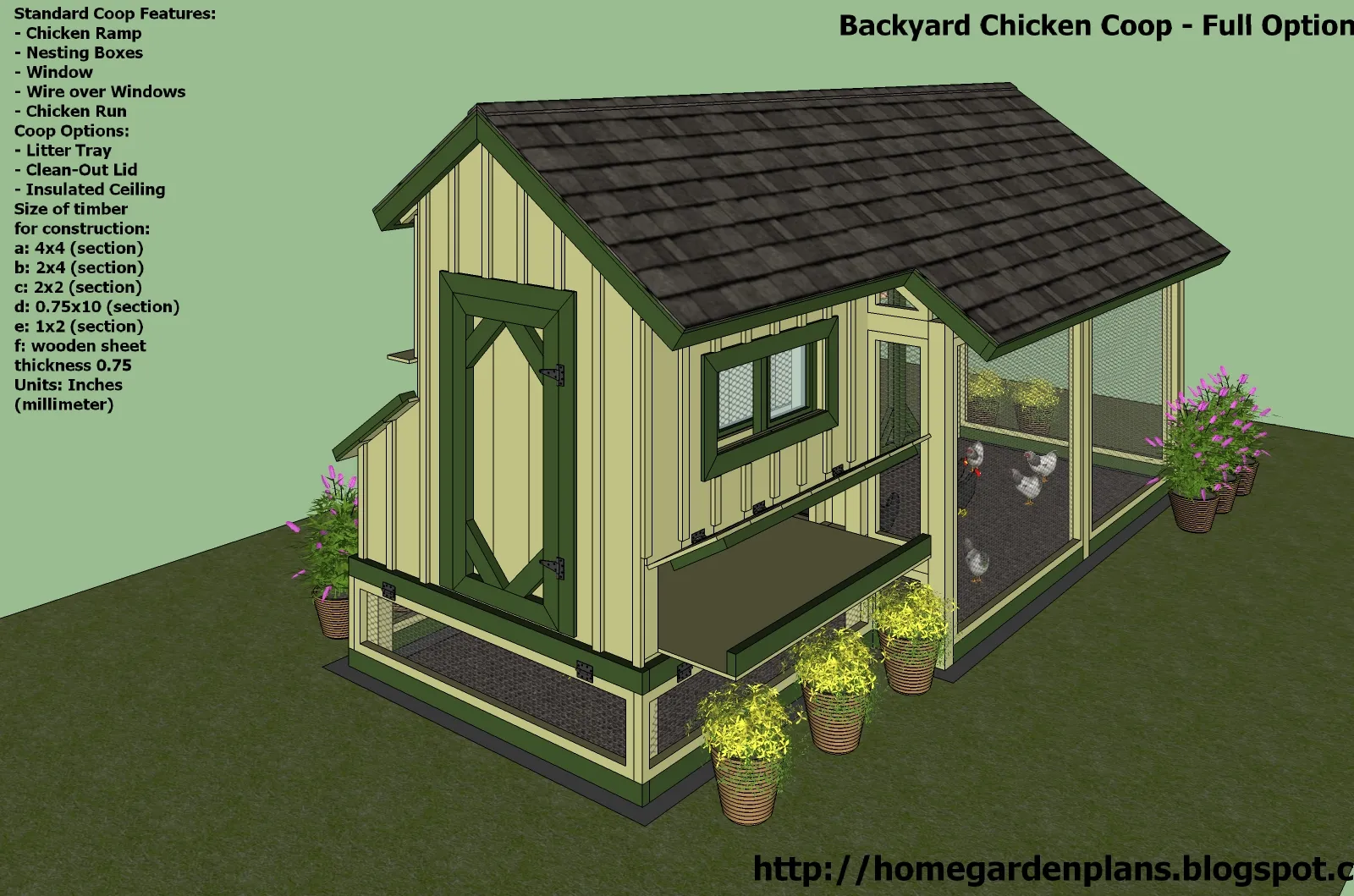
Choosing the Right Free Chicken Coop Plans
Embarking on the journey of building a chicken coop is an exciting endeavor, and finding free chicken coop plans can make it a budget-friendly project. However, before diving into construction, it’s crucial to select the right plan that aligns with your specific needs and circumstances. Several factors come into play, ensuring your chickens have a safe, comfortable, and secure home. This initial assessment will save you time and money, and it will make the whole process smoother and less stressful. Careful planning is key to a successful coop.
Assess Your Needs
Before looking at any plans, consider your flock’s size. How many chickens do you plan to house? Different breeds have different space requirements, so factor this in. Also, think about the local climate. Does your region experience extreme heat, cold, or heavy rainfall? The coop’s design must address these environmental challenges. Finally, evaluate the available space in your backyard. A large coop won’t work in a small yard, and vice-versa. These considerations are vital for both the chickens’ well-being and your overall satisfaction with the project.
Determine the Size

A general rule of thumb is to provide at least 4 square feet of floor space per chicken inside the coop and 8-10 square feet per chicken in the run. However, this can vary depending on the breed and your chickens’ activity levels. Consider how much time your chickens will spend inside the coop versus in the run. Overcrowding can lead to stress, pecking order issues, and poor health. When choosing your free chicken coop plans, ensure the coop size is appropriate for your flock.
Consider the Climate
The climate in your area will significantly influence the design of your chicken coop. In colder climates, insulation and protection from drafts are essential. Consider a coop with solid walls and a well-protected roof. In hot climates, ventilation is paramount. Look for plans that incorporate ample ventilation, such as windows and vents that can be opened and closed. The coop should also provide shade to protect chickens from the sun. Adapt the free chicken coop plans to meet the unique environmental challenges in your location.
Evaluate Your Space
The amount of space you have available in your backyard will dictate the size and type of coop you can build. Measure the area where you intend to place the coop. Make sure to account for any local zoning regulations regarding setbacks from property lines. Also, consider the terrain. Is the ground level, or will you need to level it before construction? Choose a design that fits comfortably within your available space while still allowing room for your chickens to roam in a safe and secure environment.
Top 5 Free Chicken Coop Designs

With a thorough understanding of your requirements, you can now start exploring various free chicken coop plans. Several designs are popular among backyard chicken keepers, each offering unique advantages. Here are five of the most common and practical designs, offering a range of choices to suit different needs and skill levels. Remember to carefully review the plans and gather all necessary materials before beginning construction. Make sure you have a clear idea of the process to reduce unnecessary issues.
The Basic A-Frame Coop
The A-frame coop is a simple, yet effective, design that’s relatively easy to build, making it a great choice for beginners. Its sloped roof allows for good water runoff, and the design can be scaled to accommodate different flock sizes. This design usually features a basic frame, often constructed with readily available lumber, and covered with either wood siding or corrugated metal. The simplicity of this design makes it one of the most popular choices for free chicken coop plans.
Advantages of A-Frame Coops
A-frame coops offer several advantages. They are typically inexpensive to build due to their simple design and minimal material requirements. The sloping roof effectively sheds rain and snow, keeping the interior dry. Their compact footprint makes them ideal for smaller yards. Their straightforward construction is perfect for those with limited carpentry experience. They can be easily moved if a portable version is designed. These factors make A-frame coops an excellent option for many chicken keepers.
Building the A-Frame

Building an A-frame coop involves creating a triangular frame for the walls and roof. The frame is then clad with siding or other weather-resistant materials. Ensure the frame is sturdy and well-braced to withstand the elements. Include a door for easy access to the coop and a ramp for the chickens to enter and exit. Nesting boxes and roosting bars should be incorporated inside. Proper ventilation is crucial, so add vents or windows to allow for air circulation. Careful construction will result in a safe and comfortable home for your chickens. Make sure you have all the tools and material needed before you start the process.
The Classic Gable Coop
The Gable coop is a traditional design characterized by its two-sided, pitched roof. This style offers more interior space and can easily be customized to fit your specific needs. Gable coops often incorporate windows for natural light and ventilation, enhancing the comfort of your chickens. Their more complex design may require slightly more carpentry skill than an A-frame coop. It’s a timeless design that provides ample space and protection for your flock. Ensure to choose a Gable coop plan with good specifications.
Features of Gable Coops
Gable coops typically offer more headroom and interior space compared to A-frame designs. This makes them suitable for larger flocks or for those who want to spend time inside the coop for cleaning and maintenance. Gable coops often incorporate windows for natural light and ventilation, enhancing the chickens’ living conditions. They offer more opportunities for customization, allowing you to tailor the design to your aesthetic preferences. Their design facilitates better air circulation, reducing the risk of respiratory problems.
Construction of Gable Coops

Building a gable coop involves constructing a frame with walls and a pitched roof. The roof is usually framed with rafters and covered with roofing material like shingles or metal sheets. Windows and doors are installed, and the exterior is clad with siding. Inside, nesting boxes and roosting bars are built. Ensure the coop is well-insulated to protect the chickens from extreme temperatures. Proper construction techniques are essential to ensure the coop is weather-resistant and structurally sound. Take the time to accurately measure and cut all materials to ensure a good fit.
The Portable Chicken Tractor
A chicken tractor is a mobile coop designed to be moved around the yard, providing your chickens with fresh grazing areas and enriching the soil. These coops are typically constructed with a sturdy frame, wire mesh walls, and a solid roof to protect the chickens from predators and the elements. Chicken tractors are an excellent option for providing your chickens with access to fresh grass and insects, which contributes to their health and well-being.
Benefits of Chicken Tractors
Chicken tractors offer several advantages. They allow you to provide your chickens with fresh pasture regularly, contributing to their health and happiness. They help fertilize your lawn naturally, as the chickens’ manure enriches the soil. They reduce the need for supplemental feed because the chickens can forage for insects and plants. Tractors are an excellent way to control pests. They are portable, making it easy to move them to different locations. Ensure the design is lightweight for easy mobility.
Building a Chicken Tractor

Building a chicken tractor involves constructing a frame, usually from wood, and covering it with wire mesh to create walls and a roof. Include a solid roof to protect the chickens from the elements. Wheels can be added for mobility. A door provides access for cleaning and collecting eggs. Nesting boxes and roosting bars are incorporated inside. The design should be lightweight and easy to move, while still providing adequate space and protection for your chickens. Choose a robust mesh to prevent predator attacks.
The Stylish Walk-in Coop
Walk-in coops provide ample space for both the chickens and the keeper. They are usually larger than other designs, allowing you to enter the coop for easy cleaning and maintenance. These coops often feature a door for human access, windows for light and ventilation, and ample space for nesting boxes and roosting bars. Walk-in coops combine functionality with design, making them a popular choice for backyard chicken enthusiasts who want a more comfortable and accessible space for their flock.
Advantages of Walk-in Coops
Walk-in coops offer numerous benefits. They provide generous space for your chickens to move around, reducing the risk of overcrowding and stress. They make cleaning and maintenance easier due to their accessibility. They allow you to readily interact with your chickens, making them a good choice for people of all ages. They can be customized with various features, such as multiple nesting boxes, roosting bars, and storage space. Walk-in coops create a comfortable and user-friendly environment for both you and your chickens.
Constructing a Walk-in Coop

Constructing a walk-in coop requires building a sturdy frame with walls, a roof, and a door. The walls can be constructed from wood or other materials and should be insulated for temperature regulation. The roof can be shingled or covered with metal sheets. Windows and vents are essential for proper ventilation. Inside, include nesting boxes, roosting bars, and potentially a storage area for feed and supplies. Ensuring the coop is well-built and predator-proof is critical. Use high-quality materials and follow your chosen plans carefully.
The Simple Pallet Coop
Pallet coops are a budget-friendly option, constructed using reclaimed pallets. They offer a sustainable and cost-effective solution for housing chickens. Pallets provide a ready-made framework that simplifies the building process. This design often involves minimal carpentry skills and is an excellent choice for beginners. However, it’s crucial to ensure that the pallets are safe and free of chemicals before using them. Be aware of the potential for chemical treatments on the pallets before you start your project.
Utilizing Pallets for Coops
Utilizing pallets offers an eco-friendly approach to coop construction. Pallets are readily available and often free or inexpensive. The pre-made structure of the pallets simplifies the building process. They offer a rustic aesthetic that blends well with many backyard settings. By repurposing pallets, you reduce waste and give these materials a second life. Ensure to thoroughly clean and inspect the pallets to avoid potential hazards and treat the wood.
Building a Pallet Coop
Building a pallet coop involves disassembling and reassembling pallets to form the walls, floor, and roof. You may need to cut the pallets to the desired sizes and use additional lumber for framing. The spaces between the pallet boards should be covered with siding or other materials to create solid walls. A roof is constructed, and the interior is fitted with nesting boxes and roosting bars. Proper ventilation and predator protection are vital. This method is often more affordable than purchasing new materials, making it a great option for budget-conscious chicken keepers.
Essential Features for All Chicken Coops
Regardless of the design you choose, certain features are essential for a safe, comfortable, and functional chicken coop. These features will ensure the health and well-being of your chickens while also making the coop easier to maintain. Always prioritize these fundamental aspects of coop design, as they are critical to the success of your backyard chicken project. These factors are non-negotiable regardless of which free chicken coop plans you choose.
Ventilation
Proper ventilation is crucial to prevent the buildup of ammonia, moisture, and heat, which can lead to respiratory problems and other health issues for your chickens. Ensure that the coop has vents or windows that allow for adequate airflow. Position the vents strategically to prevent drafts, especially during the colder months. Adequate ventilation helps maintain a healthy environment, reduces odors, and keeps your chickens comfortable. Good ventilation also prevents the build-up of excess humidity which can lead to mold and other potential problems.
Nesting Boxes
Nesting boxes provide a private and comfortable space for your hens to lay eggs. Provide one nesting box for every 3-4 hens. Place the nesting boxes in a dark, quiet area of the coop, away from the roosting bars. Ensure the boxes are easy to access for egg collection and clean regularly to prevent the spread of mites and other pests. Nesting boxes should be designed to be safe and inviting for your hens. Use soft, clean bedding material in the nesting boxes.
Roosts
Roosts provide a comfortable place for chickens to sleep at night. Choose roosts made from sturdy, smooth wood. Place the roosts at a height where the chickens can easily access them. Ensure there is enough space on the roosting bars for all of your chickens to sleep comfortably without overcrowding. Provide at least 8-10 inches of roosting space per chicken. The roosts should be easy to clean and maintain. Make sure the roosts are sturdy enough to support the weight of the chickens.
Predator Protection
Protecting your chickens from predators is of utmost importance. Use heavy-duty hardware cloth or welded wire mesh for the walls and run, rather than chicken wire, which is not predator-proof. Bury the wire mesh at least 12 inches underground to prevent digging predators. Ensure the coop has secure latches and locks on all doors and windows. Regularly inspect the coop for any signs of damage or potential entry points for predators. Predator-proofing is crucial to the safety and security of your flock.
Materials & Tools
Gathering the appropriate materials and tools is a crucial step in building your chicken coop. Having everything on hand before you start construction will streamline the process and minimize delays. Selecting the right materials will also help ensure the coop’s durability and longevity. Making a detailed list of everything you need and preparing them ahead of time will contribute to a more positive building experience.
Common Materials
The materials you’ll need will depend on the chosen plan, but some common materials include lumber for the frame, siding or roofing materials, hardware cloth or welded wire mesh for predator protection, roofing materials like shingles or metal sheets, screws, nails, hinges, latches, and paint or sealant to protect the wood from the elements. Other materials include nesting box materials and roosting bar materials. Make sure to choose materials that are weather-resistant and durable. Be sure to double-check the specific materials list in your selected free chicken coop plans.
Essential Tools
Essential tools include a measuring tape, saw (circular saw, hand saw, or jigsaw), drill, hammer, screwdriver, level, and safety glasses. You may also need a staple gun for attaching wire mesh. Depending on the complexity of your chosen plan, you may need additional tools, such as a miter saw. Always prioritize safety and use appropriate personal protective equipment. Make sure you have all the necessary tools before you begin construction.
Getting Started with Your Free Plans
With your needs assessed, plans chosen, and materials gathered, you’re ready to begin building your chicken coop! Carefully review the free chicken coop plans, paying close attention to the measurements, instructions, and diagrams. Don’t hesitate to ask for help from friends, family, or online forums if you encounter any difficulties. Take your time and enjoy the process of creating a safe and comfortable home for your chickens. Building your own chicken coop is a rewarding experience that allows you to provide fresh eggs while enjoying the company of your chickens.