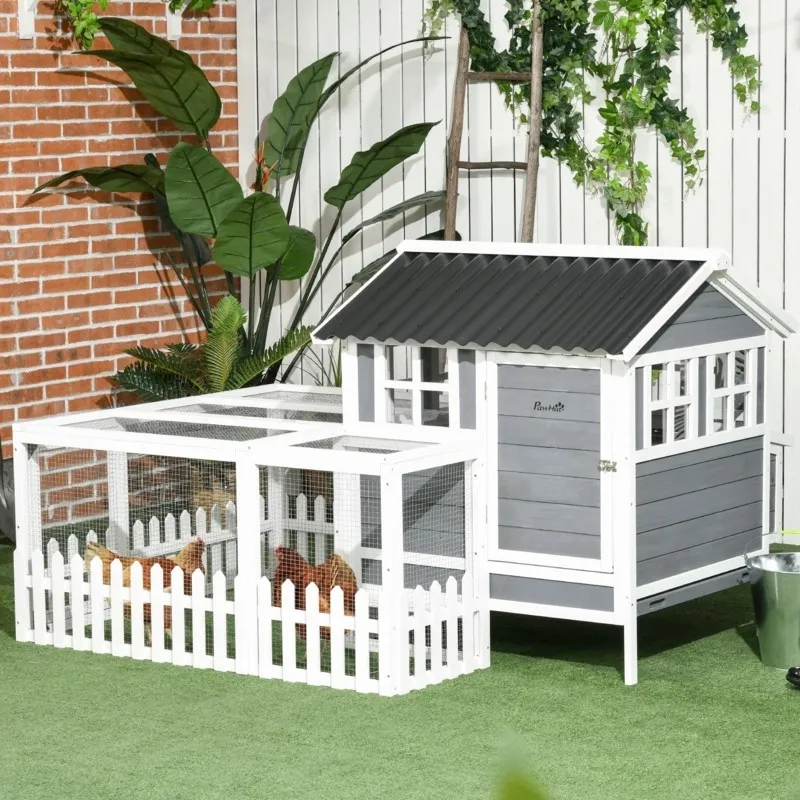
Building a chicken coop is an exciting project that brings fresh eggs and entertaining companionship to your backyard. However, building a suitable home for your flock requires careful planning and execution. This comprehensive guide will walk you through every step of building the perfect chicken coop for your 8 chickens, ensuring their safety, health, and happiness, while also making your job as a chicken keeper easier.
Choosing the Right Chicken Coop Size for 8 Chickens
One of the primary considerations when designing a chicken coop is the size. Overcrowding can lead to numerous problems, including stress, increased aggression, and the spread of diseases. For 8 chickens, the coop size should be adequate to provide each bird with enough space to move around comfortably, roost, and nest. Following recommended guidelines is crucial for the well-being of your flock. There are varying recommendation, but by providing adequate space, you can avoid many of the common problems associated with overcrowded coops, ensuring a healthier and more productive flock.
Determining the Right Coop Dimensions
To determine the correct dimensions, consider both the floor space and the height of the coop. A general rule of thumb is to allow a minimum of 4 square feet of floor space per chicken inside the coop. For 8 chickens, this translates to a minimum of 32 square feet of floor space. The height is also important, as chickens need enough vertical space for roosting and to move around comfortably. A coop height of 6 to 7 feet is typically sufficient, allowing for easy access for cleaning and maintenance. Take this into account when you start building to ensure you are building the proper size coop for your 8 chickens.
Consideration for Space per Chicken

Beyond the basic floor space, consider the specific needs of your chickens. Roosting bars should provide at least 8-10 inches of linear space per bird. Nesting boxes should be large enough for the chickens to comfortably lay their eggs, typically around 12x12 inches. Moreover, the coop’s design should allow for easy movement, preventing any bottlenecks or cramped areas. A well-designed coop provides ample space for the chickens to engage in natural behaviors, like dust bathing and scratching, contributing to their overall health and happiness. Always consider the breed of chickens you are housing, some breeds are larger and will need more space.
Coop Material Selection
The materials you choose will impact the coop’s durability, longevity, and the safety of your chickens. Wood and metal are the most common choices. Each material offers different advantages and disadvantages in terms of cost, maintenance, and protection against the elements and predators. Careful consideration of your local climate and the threats specific to your area is essential when selecting materials. Choosing the right materials helps you build the perfect home for your chickens, providing shelter from harsh conditions and protecting them from potential predators.
Wood vs. Metal Coops Benefits
Wood coops are a popular choice due to their aesthetic appeal and ease of construction. Wood can be easily customized and provides good insulation. However, wood requires regular maintenance, including painting or sealing, to protect it from the weather and pests. Metal coops, on the other hand, are typically more durable and require less maintenance. They are often more resistant to predators and can withstand harsh weather conditions. However, metal coops can be more expensive and may not provide as much insulation as wood. Also, metal coops can be prone to rust, which may weaken the structure over time. Choosing the right material helps keep your chickens safe.
Choosing the Ideal Location for Your Chicken Coop

The location of your chicken coop is as important as its design and construction. Select a location that offers protection from the elements, such as wind and direct sunlight, and consider the accessibility for both you and your chickens. Proper placement can also significantly reduce the risk of predator attacks. Considering the location helps keep your chickens happy and healthy. It will also make your job of chicken keeping easier.
Essential Features of a Chicken Coop
A well-designed chicken coop includes several essential features that ensure the health and well-being of your flock. Proper ventilation, secure nesting boxes, and sturdy roosting bars are all critical components. These features contribute to the overall functionality and comfort of the coop, creating a safe and comfortable environment for your chickens. Understanding these essentials will help you create a chicken coop that is perfect for your needs.
Nesting Boxes Design and Placement
Nesting boxes provide a safe and private space for hens to lay their eggs. Ideally, you should provide one nesting box for every 3-4 hens. Position the nesting boxes in a quiet, dimly lit area away from the main traffic flow of the coop. Ensure the boxes are easily accessible for egg collection, which will prevent eggs from being broken. Make sure the boxes are easy to clean, providing a comfortable and secure place for your chickens to lay their eggs.
Roosting Bars Selection and Installation

Roosting bars are essential for chickens to sleep comfortably. Choose bars that are made of smooth, non-splintering wood, such as cedar or pine. The ideal roosting bar is around 2 inches wide and has rounded edges. Place the roosting bars at a height that allows chickens to easily hop up, typically around 2-4 feet off the ground. Position the roosting bars away from nesting boxes and away from any potential drafts. Provide enough linear space on the roosting bars, typically 8-10 inches per chicken, to allow each bird to comfortably sleep.
Ventilation Importance for Chicken Health
Proper ventilation is critical for maintaining a healthy coop environment. Adequate ventilation helps to remove moisture, ammonia, and stale air, preventing respiratory illnesses and promoting overall well-being. Install vents near the top of the coop to allow warm, moist air to escape, and consider adding vents near the floor to encourage fresh air circulation. Ensure that vents are covered with hardware cloth to prevent drafts and keep out pests. Proper ventilation is vital to the health of your flock.
Protecting Your Chickens from Predators
Protecting your chickens from predators is a critical aspect of coop design and location. Predators like foxes, raccoons, hawks, and dogs can pose a significant threat to your flock. Implement various measures to prevent attacks, including using secure building materials, reinforcing vulnerable areas, and implementing preventative measures. A well-designed coop should make it difficult for predators to gain access, ensuring the safety and security of your chickens.
Securing the Coop Structure

Use sturdy materials and construction techniques to secure the coop structure. Bury the coop’s perimeter wire mesh at least 12 inches underground to prevent digging predators from entering. Reinforce the coop’s walls and roof with durable materials, such as hardware cloth or heavy-duty wire mesh. Secure all doors, windows, and access points with sturdy latches and locks. Make sure all windows and vents are covered with hardware cloth to prevent predators from entering.
Fencing and Run Construction
A secure fenced-in run provides a safe outdoor space for your chickens to roam and forage. Use sturdy fencing material, such as hardware cloth or welded wire, and bury it at least 12 inches underground. Ensure that the fencing is tall enough to deter predators from jumping over. Cover the top of the run with wire mesh or netting to protect chickens from aerial predators. Integrating the run with the coop ensures the security and safety of your chickens.
Maintaining Your Chicken Coop
Regular maintenance is essential for keeping your chicken coop clean, safe, and in good condition. Maintenance prevents the spread of disease, promotes the health of your chickens, and prolongs the life of your coop. Implementing a consistent maintenance schedule will ensure that your coop remains a healthy and enjoyable place for your chickens.
Cleaning and Sanitation Protocols

Clean your coop regularly to remove waste, spilled food, and other debris. The frequency of cleaning depends on the size of your coop and the number of chickens you have, but a weekly cleaning schedule is generally recommended. Remove all bedding, scrub the coop’s surfaces with a poultry-safe disinfectant, and replace the bedding with fresh, clean material. Regular sanitation helps prevent the buildup of harmful bacteria and parasites, ensuring a healthy environment for your chickens.
Winterizing the Coop for Cold Climates
Prepare your coop for winter to keep your chickens warm and comfortable during cold weather. Ensure the coop is well-insulated to prevent heat loss. Seal any drafts and cover windows with plastic sheeting to reduce heat loss. Provide extra bedding to help insulate the coop floor and keep chickens warm. Make sure chickens have access to fresh water, and consider installing a heated waterer to prevent freezing. By preparing for winter, you’ll keep your chickens safe during the colder months.
Summer Coop Management
During the summer months, focus on keeping your coop cool and well-ventilated to prevent heat stress in your chickens. Provide plenty of shade, either through natural means or by using shade cloths. Ensure that the coop has adequate ventilation to promote airflow and prevent heat buildup. Provide fresh, cool water and consider offering electrolytes in the water to help chickens stay hydrated. Check the chickens frequently for signs of heat stress, such as panting or lethargy, and take appropriate action to cool them down.
Building a chicken coop for 8 chickens is a rewarding project. By following this guide and paying attention to the details, you can create a safe, comfortable, and healthy environment for your flock. Remember, the more effort you put into your coop, the more you will enjoy the rewards. With careful planning and execution, you’ll be well on your way to enjoying fresh eggs and the companionship of your happy chickens.