Planning Your Chicken Coop
Before you even think about hammers and nails, the planning phase is crucial for a successful chicken coop build. This initial stage sets the foundation for a coop that not only houses your chickens safely and comfortably but also complies with local regulations and meets your specific needs. Careful planning prevents costly mistakes down the line and ensures a positive experience for both you and your feathered friends. Consider the long-term commitment involved in chicken keeping and plan accordingly to avoid future issues.
Choosing the Right Location
Selecting the ideal location for your chicken coop is more than just finding a convenient spot in your backyard. The chosen area significantly impacts the health and well-being of your chickens and your overall experience of raising them. Consider factors such as sunlight exposure, wind protection, and drainage. Chickens need access to sunlight, but they also require shade during the hottest parts of the day. Choose a location that offers both. Avoid areas prone to flooding, as damp conditions can lead to health problems for your birds.
Zoning Regulations and Permits

Before starting construction, it is important to research your local zoning regulations and permit requirements. Many cities and towns have specific ordinances regarding the keeping of chickens, including restrictions on the number of birds allowed, the size and placement of coops, and setback requirements from property lines. Failure to comply with these regulations can result in fines or even the requirement to remove your coop. Contact your local planning and zoning department to obtain the necessary information and permits.
Coop Size and Space Requirements
Determining the appropriate size for your chicken coop depends on the number of chickens you plan to raise. As a general guideline, provide at least 4 square feet of floor space per chicken inside the coop. This allows them enough room to move around comfortably. In addition to the coop itself, you’ll need to factor in space for an outdoor run, where your chickens can safely forage and exercise. Plan for at least 8-10 square feet per bird in the run. Overcrowding can lead to stress, disease, and behavioral problems like feather pecking.
Designing Your Chicken Coop
Once you have a clear understanding of the space requirements and regulations, you can start designing your chicken coop. Your design should prioritize the safety, comfort, and health of your chickens, as well as your convenience in managing the coop. Think about accessibility for cleaning, collecting eggs, and feeding and watering. Consider the climate in your area and design the coop to provide adequate ventilation, protection from the elements, and insulation to regulate temperature. A well-designed coop simplifies the daily tasks of chicken keeping and contributes to the overall well-being of your flock.
Materials Selection

The materials you choose for your chicken coop will significantly impact its durability, longevity, and the safety of your chickens. Opt for materials that are weather-resistant, predator-proof, and easy to clean. Consider the cost, availability, and environmental impact of the different options. Pressure-treated lumber is a popular choice for the frame and foundation, as it resists rot and insect damage. However, avoid using it for nesting boxes or areas where chickens will come into direct contact, as the chemicals can be harmful. Exterior grade plywood or other suitable materials work well for the walls and roof.
Wood vs. Other Materials
Wood is a traditional and versatile material for coop construction, but it requires regular maintenance to prevent rot and damage. Other options include metal, plastic, and composite materials. Metal coops are durable and predator-resistant, but they can get very hot in the summer. Plastic coops are lightweight and easy to clean, but they may not be as durable as wood or metal. Composite materials offer a good balance of durability and low maintenance. The best choice depends on your budget, climate, and aesthetic preferences.
Predator-Proofing Your Coop
Protecting your chickens from predators is paramount. Construct your coop with predator-resistant features, such as hardware cloth or welded wire mesh for the walls and run, rather than chicken wire, which is easily breached. Bury the wire mesh around the perimeter of the run at least 12 inches deep to prevent digging predators from entering. Secure all doors and windows with sturdy latches and consider using automatic door openers for added security. Regularly inspect the coop for any signs of damage or potential entry points.
Flooring and Foundation Options

The flooring and foundation of your chicken coop are crucial for providing a stable base and preventing moisture buildup. Options include a concrete slab, a wood frame with a plywood floor, or a dirt floor. A concrete slab is the most durable and predator-proof option, but it can be more expensive and time-consuming to install. A wood frame with a plywood floor is a more affordable and easier-to-build alternative, but it requires good drainage to prevent rot. A dirt floor is the most natural option, but it requires regular maintenance and may attract pests. Consider your budget, climate, and the level of predator protection you need when making your decision.
Building the Chicken Coop
With the design finalized and materials gathered, you can begin the construction process. Following a detailed plan is essential to ensure the coop is structurally sound and meets your chickens needs. If you are not experienced in construction, consider hiring a professional or using a pre-built coop kit. Safety should be a top priority, so wear appropriate safety gear and follow all building codes and regulations. Take your time and pay attention to detail, as a well-built coop will last for years and provide a safe and comfortable home for your flock.
Framing the Coop
Start by constructing the frame of your coop. This typically involves building a base frame, followed by the walls and roof supports. Ensure that the frame is square and level. Use appropriate fasteners, such as screws or nails, and follow the dimensions outlined in your plans. Consider adding bracing to the frame for extra stability, especially if you live in an area with high winds or heavy snow. The framing provides the structural skeleton of the coop, so it’s crucial to build it correctly.
Constructing Walls, Roof, and Doors

Once the frame is complete, you can begin constructing the walls, roof, and doors. Attach the chosen material to the frame, ensuring that it is securely fastened. For the walls, consider overlapping the boards or using a weather-resistant sealant to prevent drafts and moisture. For the roof, use roofing material that is appropriate for your climate. Install doors that are secure and easy to open and close. Ensure the doors are predator-proof by using sturdy hardware and secure latches. Proper construction of these elements is vital for weather protection and overall security.
Installing Windows and Ventilation
Proper ventilation is essential for maintaining a healthy environment inside the coop. Adequate ventilation helps to regulate temperature, reduce moisture buildup, and prevent the spread of respiratory diseases. Install windows or vents that allow for airflow. Cover the openings with hardware cloth or mesh to prevent predators from entering. Windows should be positioned to provide natural light, but avoid direct sunlight, which can overheat the coop in the summer. Ensure there is sufficient ventilation at the top of the coop to allow for the escape of warm, moist air.
Interior Features
Once the main structure is complete, it is time to focus on the interior features of your chicken coop. These features provide essential elements for your chickens’ daily routines, including egg laying, roosting, feeding, and watering. Consider the layout and placement of these features to maximize space and provide comfort for your flock. Creating a comfortable and functional interior will contribute significantly to the overall health and happiness of your chickens.
Nesting Boxes Design

Nesting boxes provide a safe and private space for your hens to lay their eggs. The number of nesting boxes you need depends on the number of hens you have; one box for every 3-4 hens is a good guideline. Nesting boxes should be elevated off the floor and located in a dark, quiet area of the coop. Make the boxes comfortable by adding nesting material, such as straw, wood shavings, or hay. The boxes should be easy to clean and access for egg collection. Design them to be sturdy and to prevent chickens from roosting on top of them.
Roosts and Perches
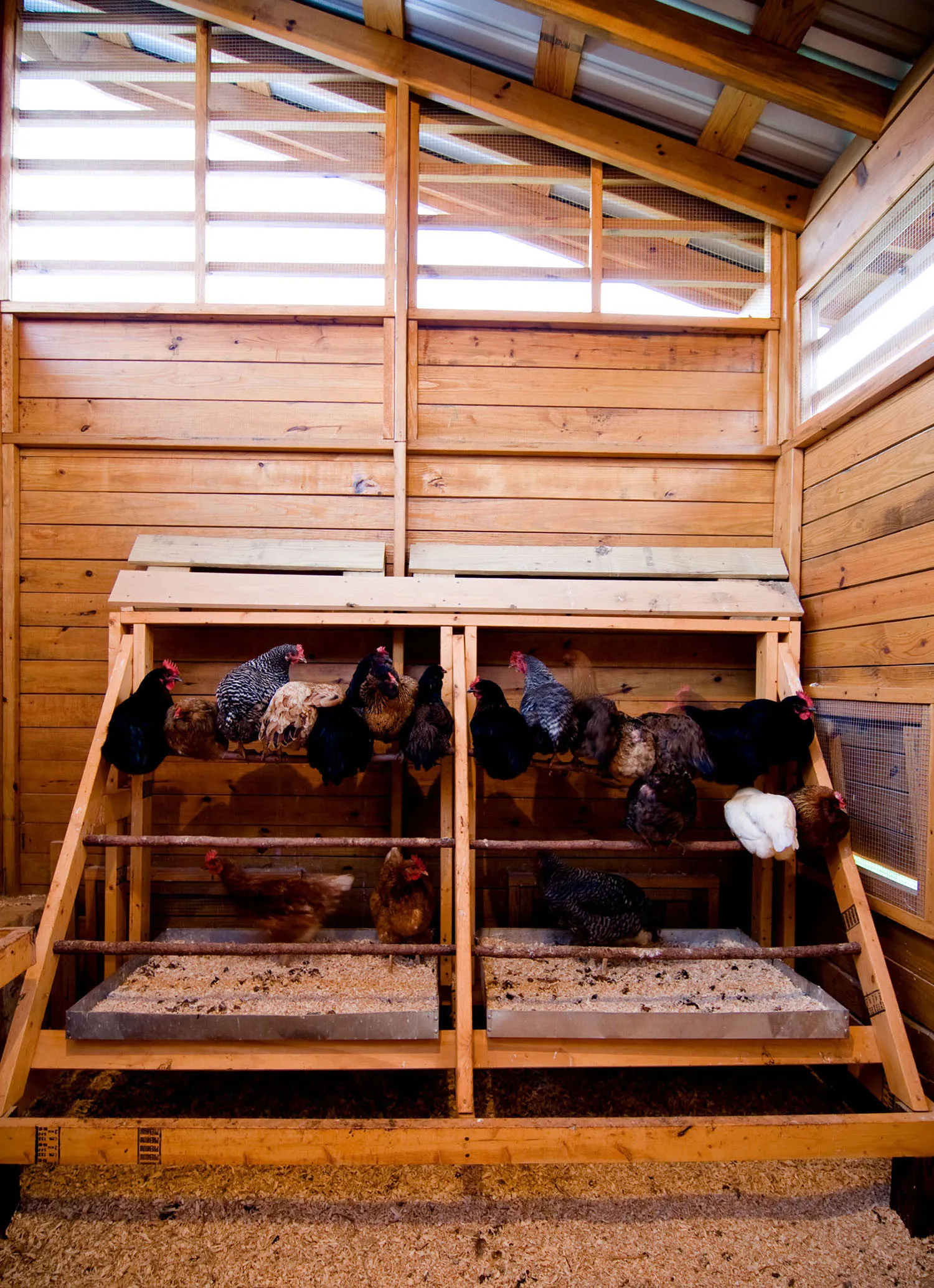
Roosts provide a place for chickens to sleep and rest at night. Position the roosts at a comfortable height, ideally several feet off the ground. The diameter of the roosting bars should be around 2-4 inches. This allows the chickens to comfortably grip the perch. Ensure there is enough space on the roosts for all of your chickens. Space the roosts far enough apart to prevent overcrowding. Consider the location of the roosts in relation to the nesting boxes; placing them too close can lead to the nesting boxes being soiled.
Feeding and Watering Systems
Provide your chickens with easy access to food and water. Place feeders and waterers in a location that is protected from the elements and away from the roosts. Choose feeders that are designed to prevent food spillage and waste. Waterers should be easy to clean and provide a constant supply of fresh water. Consider using automatic feeders and waterers for added convenience, especially if you are away from home for extended periods. Regularly clean and refill the feeders and waterers to maintain the health of your flock.
Maintaining Your Chicken Coop

Regular maintenance is essential for keeping your chicken coop clean, safe, and in good condition. A well-maintained coop not only contributes to the health and well-being of your chickens but also extends the life of your structure. Establish a regular cleaning schedule and make it a part of your routine. In addition to cleaning, regularly inspect your coop for any signs of damage or potential problems, such as pest infestations or predator breaches.
Cleaning and Sanitation
Clean your coop regularly to remove droppings, soiled bedding, and spilled feed. The frequency of cleaning depends on the size of your coop and the number of chickens you have. A good rule of thumb is to clean the coop at least once a week, and more often during warmer months. Replace the bedding with fresh material and thoroughly clean the nesting boxes. Use a poultry-safe disinfectant to sanitize the coop and prevent the spread of disease. Remove any accumulated debris and ensure proper ventilation to keep the coop dry and clean.
Pest and Predator Control
Take steps to control pests and predators. Regularly inspect the coop for any signs of pests, such as rodents, mites, and lice. Use appropriate pest control methods, such as diatomaceous earth or poultry-safe insecticides. Regularly check for any signs of predator intrusion, such as holes in the fencing or damage to the coop. Secure all doors and windows and ensure there are no gaps or openings where predators can enter. Remove any potential attractants, such as spilled feed or garbage, that might draw predators to the area.
Winterizing and Summer Cooling

Prepare your coop for seasonal changes to ensure the comfort and health of your chickens. In winter, insulate the coop to protect your chickens from the cold and drafts. Add extra bedding to provide warmth and cushion. Ensure adequate ventilation to prevent the build-up of moisture. In the summer, provide shade and ventilation to keep the coop cool. Consider using fans or misters to help regulate the temperature. Provide plenty of fresh water, as chickens drink more in hot weather. Adjust your coop management practices as needed to accommodate the seasonal changes.
Final Touches and Considerations
After the coop is complete, there are a few final touches and considerations that can improve its functionality and the overall experience of raising chickens. These include providing a safe outdoor run for exercise, landscaping the surrounding area, and adding any personal touches that make the coop more appealing to you and your chickens. These finishing touches enhance the practicality of your chicken-keeping setup.
Adding a Run for Exercise
An outdoor run provides a safe and secure space for your chickens to exercise, forage, and enjoy the fresh air. The run should be large enough to provide adequate space for your chickens, and it should be constructed with predator-resistant materials, such as hardware cloth or welded wire mesh. Provide shade and shelter within the run to protect your chickens from the elements. Offer enrichment opportunities, such as a dust bath or a climbing structure, to keep your chickens entertained. A well-designed run enhances the overall well-being of your flock.
Landscaping Around the Coop
Landscaping around your chicken coop can not only improve its aesthetics but also provide additional benefits. Plant shrubs and trees around the coop to provide shade and wind protection. Consider planting herbs, such as rosemary and lavender, which can help repel pests. Create a dust bath area for your chickens to keep themselves clean. Make sure the landscaping around the coop is designed to prevent predators from having easy access to your chickens. Proper landscaping contributes to the overall functionality and visual appeal of your chicken-keeping setup.