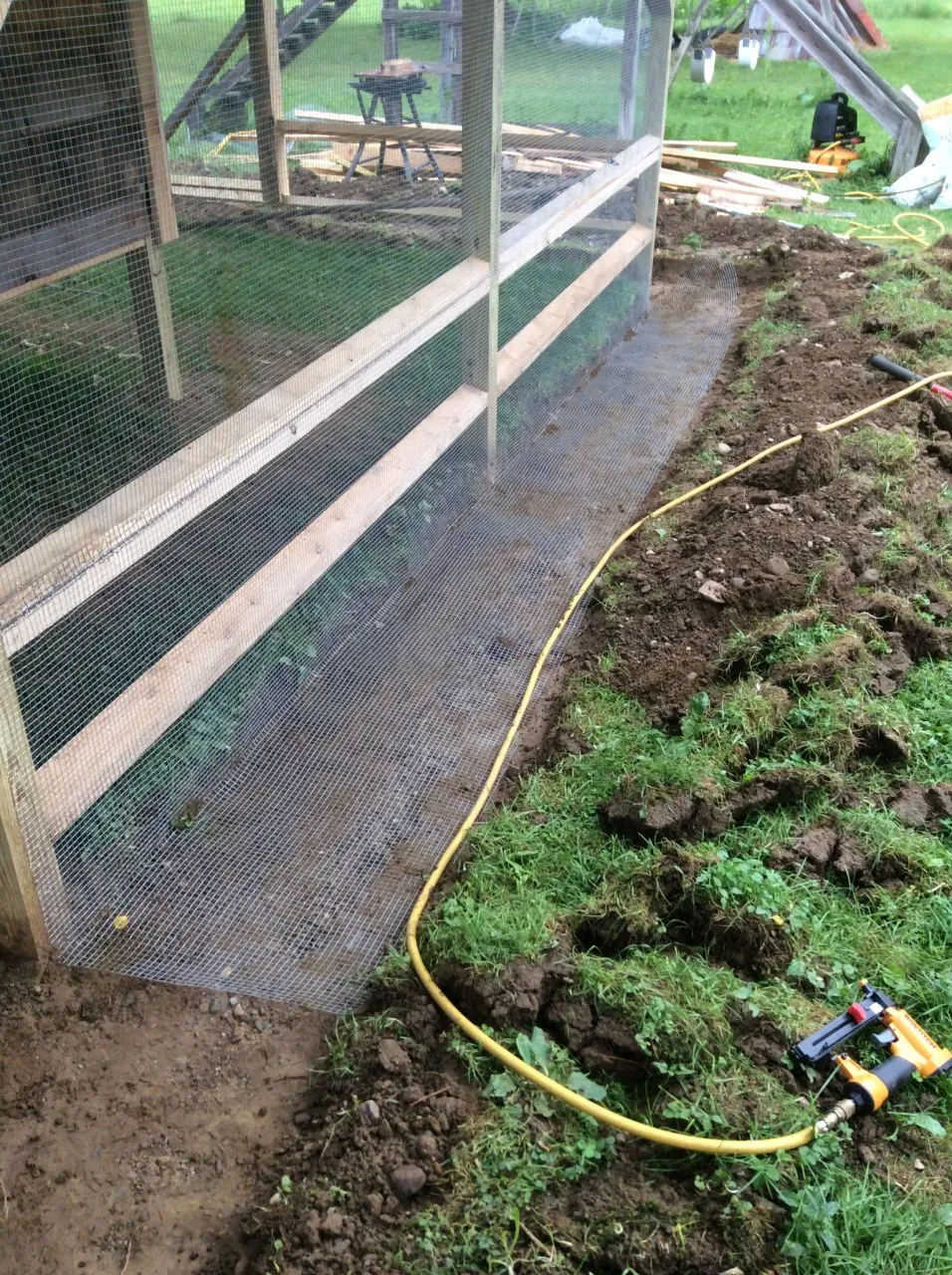
What is Hardware Cloth for Chicken Coops
Hardware cloth is a heavy-duty wire mesh, typically made of galvanized steel, used primarily for protecting chicken coops from predators. Unlike chicken wire, which is a lighter, more flexible mesh, hardware cloth offers superior strength and durability. Its rigid construction and small openings make it a formidable barrier against raccoons, foxes, and other animals that may try to breach your coop and harm your chickens. Hardware cloth is a fundamental material in any secure and predator-proof chicken coop, ensuring the safety and well-being of your flock. It’s a worthwhile investment for any chicken keeper, providing peace of mind and protecting against costly losses. The key is choosing the correct type and applying it properly to maximize its effectiveness.
Hardware Cloth vs. Chicken Wire
The primary difference between hardware cloth and chicken wire lies in their construction and intended use. Chicken wire, also known as poultry netting, is made of thin, hexagonal wires. It’s inexpensive and easy to handle, making it suitable for temporary enclosures or to keep chickens within a defined space. However, chicken wire offers minimal protection against predators because it’s easily torn or chewed through. Raccoons, foxes, and even determined rodents can quickly breach a chicken wire barrier. Hardware cloth, in contrast, is made of thicker, square or rectangular wires that are welded together. This creates a much stronger and more rigid barrier. This robust construction makes hardware cloth the superior choice for protecting your chickens from predators seeking easy access to their next meal. The investment in hardware cloth is a small price to pay for the increased security it provides.
Consider the long-term cost when making your choice. While chicken wire might seem cheaper initially, the potential for losing chickens to predators can quickly outweigh any initial savings. Hardware cloth, while more expensive upfront, provides a much more reliable and durable solution, saving you money and heartache in the long run.
Materials and Construction of Hardware Cloth

Hardware cloth is typically made from galvanized steel, a process that coats the steel with a layer of zinc to prevent rust and corrosion. This galvanization process is crucial, as it ensures the longevity of the hardware cloth, especially when exposed to the elements. The wires are welded together at each intersection, creating a strong and rigid mesh that resists bending and tearing. The gauge of the wire, which refers to its thickness, is an important factor in determining the hardware cloth’s strength. Lower gauge numbers indicate thicker wires and, therefore, greater strength. The mesh size also plays a role; smaller mesh sizes provide better protection against smaller predators and can also prevent chickens from escaping. Always check the specifications before purchasing to ensure it meets your requirements, considering the prevalent predators in your area.
Why Hardware Cloth is Essential for Chicken Coops
Protecting your chickens from predators is the primary reason to use hardware cloth. Predators like raccoons, foxes, opossums, and even rats can easily kill chickens. Hardware cloth forms an impenetrable barrier, preventing these animals from entering the coop. It’s not just about keeping predators out; it’s also about keeping your chickens in. Chickens can be surprisingly good at escaping, especially when they are spooked. Securely enclosing the coop with hardware cloth ensures that your flock stays safe within the coop and run. This means peace of mind and a reduced risk of losing your birds to accidents. The investment in hardware cloth provides a safer environment, which in turn reduces stress on your chickens, leading to better health and productivity. Preventing predator access is one of the most important things for a healthy flock.
Choosing the Right Hardware Cloth
Selecting the correct hardware cloth involves considering several factors to ensure optimal protection for your chickens. Mesh size, wire gauge, and the material’s coating are all vital. The mesh size affects the size of openings in the cloth, influencing the types of predators it can keep out. The wire gauge determines the strength and durability of the cloth; lower gauge numbers indicate thicker, stronger wires. The coating, typically galvanized steel, protects against rust and extends the hardware cloth’s lifespan. Carefully evaluating your specific needs, based on the predators in your area, is the best practice. This will help ensure your coop will remain safe and secure. Moreover, consider the environment where your coop is located. Coops in areas with high humidity or heavy rainfall might benefit from a more rust-resistant coating.
Mesh Size Considerations

Mesh size is a critical aspect of hardware cloth selection, directly affecting its ability to keep out predators. The standard mesh sizes for chicken coops are ½ inch x ½ inch or ¼ inch x ¼ inch. The ½ inch mesh is suitable for most situations, providing a good balance between protection and airflow. It’s typically effective against raccoons, opossums, and other larger predators. For areas with smaller predators, such as rats and weasels, or to prevent chickens from escaping, a ¼ inch mesh is preferable. This smaller mesh size is more difficult for smaller predators to penetrate. It’s important to note that while a smaller mesh offers greater protection, it can also restrict airflow slightly. Consider this factor when designing and constructing your coop. Always examine the mesh size carefully, ensuring it meets the specific requirements of your coop location and the threats you are addressing.
Gauge of the Hardware Cloth
The gauge of the hardware cloth refers to the thickness of the wire used in its construction. The lower the gauge number, the thicker and stronger the wire. For chicken coops, 19 gauge is a commonly used and effective option, providing a good balance of strength and flexibility. It is typically strong enough to resist most predators. However, if you are in an area with particularly persistent or large predators, like aggressive raccoons, consider using 16 or 14 gauge. This heavier gauge offers increased resistance to bending, tearing, and chewing. Choosing the appropriate gauge can make a significant difference in the overall security of your coop. Remember that thicker gauge hardware cloth can be more challenging to cut and work with, so plan accordingly when you’re building your coop. This is an investment in the safety of your chickens.
Hardware Cloth Application: Step-by-Step Guide
Installing hardware cloth correctly is essential for maximizing its effectiveness. The key steps include proper preparation, accurate cutting and shaping, secure attachment to the coop structure, and careful sealing of all edges. Each step plays a critical role in creating a secure and predator-resistant enclosure. It is important to measure carefully, cut accurately, and secure the hardware cloth firmly. This will help ensure a long-lasting and effective barrier against predators. Ensure the hardware cloth completely covers all vulnerable areas, including the walls, floor, and roof of your chicken coop and run, as any gap can become an entry point for predators. By following these steps and taking your time, you can create a safe and secure environment for your chickens.
Preparing the Chicken Coop

Before you begin installing hardware cloth, prepare your chicken coop. Inspect the coop for any existing weaknesses, such as gaps, loose boards, or damaged areas, and repair them. Clean the surfaces where you plan to attach the hardware cloth to ensure good adhesion. Measure the coop carefully to determine the amount of hardware cloth you’ll need. Consider the height of your walls, the size of your doors and windows, and the dimensions of any run you plan to include. Make sure to have all the necessary tools and materials on hand, including the hardware cloth, wire cutters or tin snips, staples or screws, a staple gun or screwdriver, and any protective gear like gloves and safety glasses. Proper preparation will make the installation process much smoother and more efficient.
Cutting and Shaping the Hardware Cloth
Cutting and shaping hardware cloth requires precision and the right tools. Use heavy-duty wire cutters or tin snips to cut the hardware cloth to the required dimensions. Measure and mark carefully before cutting to avoid mistakes and waste. When cutting, wear gloves to protect your hands from sharp wire ends. Safety glasses are also recommended. Make sure to cut the hardware cloth slightly larger than the areas you are covering. This will allow you to overlap the edges for added security. When cutting, you might find it helpful to place the hardware cloth on a stable surface. This will make it easier to control the cutting process. Take your time and make clean cuts to achieve a professional and secure installation. Be careful to avoid leaving any sharp edges that could injure your chickens or yourself.
Attaching Hardware Cloth to the Coop
Attaching hardware cloth securely is critical to its effectiveness. Use staples or screws, depending on the construction of your coop. For wooden coops, staples from a staple gun are commonly used. Drive staples along the edges of the hardware cloth, spacing them a few inches apart to ensure a tight and secure fit. For metal coops, screws and washers may be a better choice. Use screws with washers to distribute the pressure and prevent the hardware cloth from tearing. Overlap the hardware cloth edges, especially at corners and seams, to create a continuous barrier. Ensure the hardware cloth is flush against the coop’s frame. Check for any gaps where predators might enter. Double-check all attachments to confirm they are secure. The goal is to create a seamless, impenetrable barrier that protects your chickens. Ensure every edge is firmly attached, especially around doors, windows, and any other openings.
Securing the Hardware Cloth Edges

Securing the edges of the hardware cloth is essential for preventing predators from gaining access. One of the most vulnerable areas of a chicken coop is the edges of the hardware cloth. These edges can be pried loose or chewed through by determined predators. To properly secure the edges, fold the hardware cloth over at the corners and secure it with staples or screws. Bury the hardware cloth several inches into the ground around the perimeter of the run to prevent digging predators from entering. Overlap the hardware cloth at seams by several inches and securely fasten them. Regularly inspect the edges of the hardware cloth, especially after heavy weather, to ensure they remain secure. Pay close attention to any areas that could be vulnerable, such as around doors, windows, and vents.
Common Mistakes and How to Avoid Them
Several common mistakes can compromise the effectiveness of hardware cloth in protecting chicken coops. One of the most frequent errors is using chicken wire instead of hardware cloth. Chicken wire, while cheaper, is easily torn and provides insufficient protection against predators. Another mistake is not burying the hardware cloth around the perimeter of the run. This leaves the coop vulnerable to digging predators. Failing to properly secure the edges of the hardware cloth, leaving gaps or loose areas, is also a significant problem. To avoid these mistakes, always choose hardware cloth over chicken wire. Bury the edges of the hardware cloth at least 6-12 inches underground. Secure all edges meticulously, ensuring there are no gaps where predators can enter. Regular inspection and maintenance of the hardware cloth are equally vital to ensure its ongoing effectiveness. Also, consider using a double layer of hardware cloth in high-risk areas for extra protection. These precautions will dramatically increase the safety of your chickens.
Other Uses of Hardware Cloth
Hardware cloth is a versatile material with applications beyond just chicken coops. It can be used to create secure runs for other small animals, such as rabbits and guinea pigs, providing both containment and protection from predators. Hardware cloth can also be used to protect gardens from pests. For example, it can be used to create barriers around raised garden beds to prevent digging animals from entering. Hardware cloth can also be utilized for crafting projects. It can be formed into baskets, organizers, or used as a base for various crafts. The durable and rigid nature of hardware cloth makes it well-suited for a range of DIY projects where a strong, mesh-like material is required. Furthermore, hardware cloth is often employed in construction projects to reinforce concrete or create durable barriers for various purposes. The possibilities are endless, demonstrating its versatility.
Hardware Cloth for Run and Ground Protection

Using hardware cloth for run and ground protection is a crucial step in predator-proofing your chicken coop. Burying the hardware cloth around the perimeter of the run prevents digging predators from entering. This is particularly important in areas where foxes, coyotes, or other animals are known to dig. The hardware cloth should extend at least 6-12 inches underground, and the edges can be bent outward to create an “L” shape, further deterring digging. This method provides a secure barrier that prevents predators from tunneling under the coop. Covering the entire floor of the run with hardware cloth also protects your chickens from predators that can dig up through the floor. This will prevent animals like rats and weasels from gaining access. This comprehensive approach will greatly enhance the overall security of your coop and protect your flock.
Maintaining and Repairing Hardware Cloth
Regular maintenance and prompt repairs are essential for ensuring the long-term effectiveness of hardware cloth. Inspect the hardware cloth regularly, ideally at least once a month, and after severe weather events. Look for any signs of damage, such as rust, holes, or loose staples or screws. Address any issues immediately to prevent predators from gaining access. If you find rust, remove it with a wire brush and apply a rust-resistant coating. If the hardware cloth is damaged, replace the affected section with new hardware cloth, ensuring that it is securely attached. When making repairs, overlap the new hardware cloth with the existing material and secure it with staples or screws. Regular maintenance will extend the lifespan of your hardware cloth and keep your chickens safe. Consistent inspection and maintenance are simple yet effective ways to protect your chickens and maintain a secure coop.
Where to Buy Hardware Cloth
Hardware cloth is widely available at most home improvement stores, such as Home Depot and Lowe’s. These stores typically offer a variety of gauges and mesh sizes, allowing you to choose the best option for your needs. You can also find hardware cloth at farm supply stores and online retailers like Amazon. Farm supply stores might offer a wider selection of sizes and gauges, and they often have knowledgeable staff who can offer advice on choosing the right hardware cloth for your specific situation. When shopping online, compare prices and read reviews before making a purchase. Consider the shipping costs, especially when ordering large quantities. Local hardware stores and lumberyards are also good resources. Supporting local businesses can often provide personalized service and valuable advice. Compare prices, quality, and availability from different sources to find the best deal.
Top Hardware Cloth Brands

Several brands consistently produce high-quality hardware cloth, known for their durability and reliability. Some of the top-rated brands include those that provide galvanized steel, known for its rust resistance and strength. Other brands focus on offering a wide range of gauges and mesh sizes to meet various needs. When choosing a brand, consider factors such as the gauge of the wire, the mesh size, and the type of coating used. Reading reviews from other customers can provide valuable insights into the quality and performance of different brands. While specific brand recommendations may vary, focusing on reputable manufacturers that prioritize quality and durability is always advisable. This will ensure you select hardware cloth that will provide long-lasting protection for your chicken coop and other projects.
Final Thoughts on Hardware Cloth for Chicken Coops
Hardware cloth is a vital component of any chicken coop, providing essential protection against predators and ensuring the safety of your flock. Choosing the right hardware cloth, installing it correctly, and performing regular maintenance are crucial steps in creating a secure and predator-resistant coop. By understanding the different types of hardware cloth, selecting the appropriate gauge and mesh size, and following the recommended installation practices, you can create a safe and comfortable environment for your chickens, reducing the risk of losses and providing peace of mind. Remember, the initial investment in quality hardware cloth is a small price to pay for the protection it offers. Make an informed choice, install it correctly, and enjoy the benefits of a secure and thriving chicken coop.