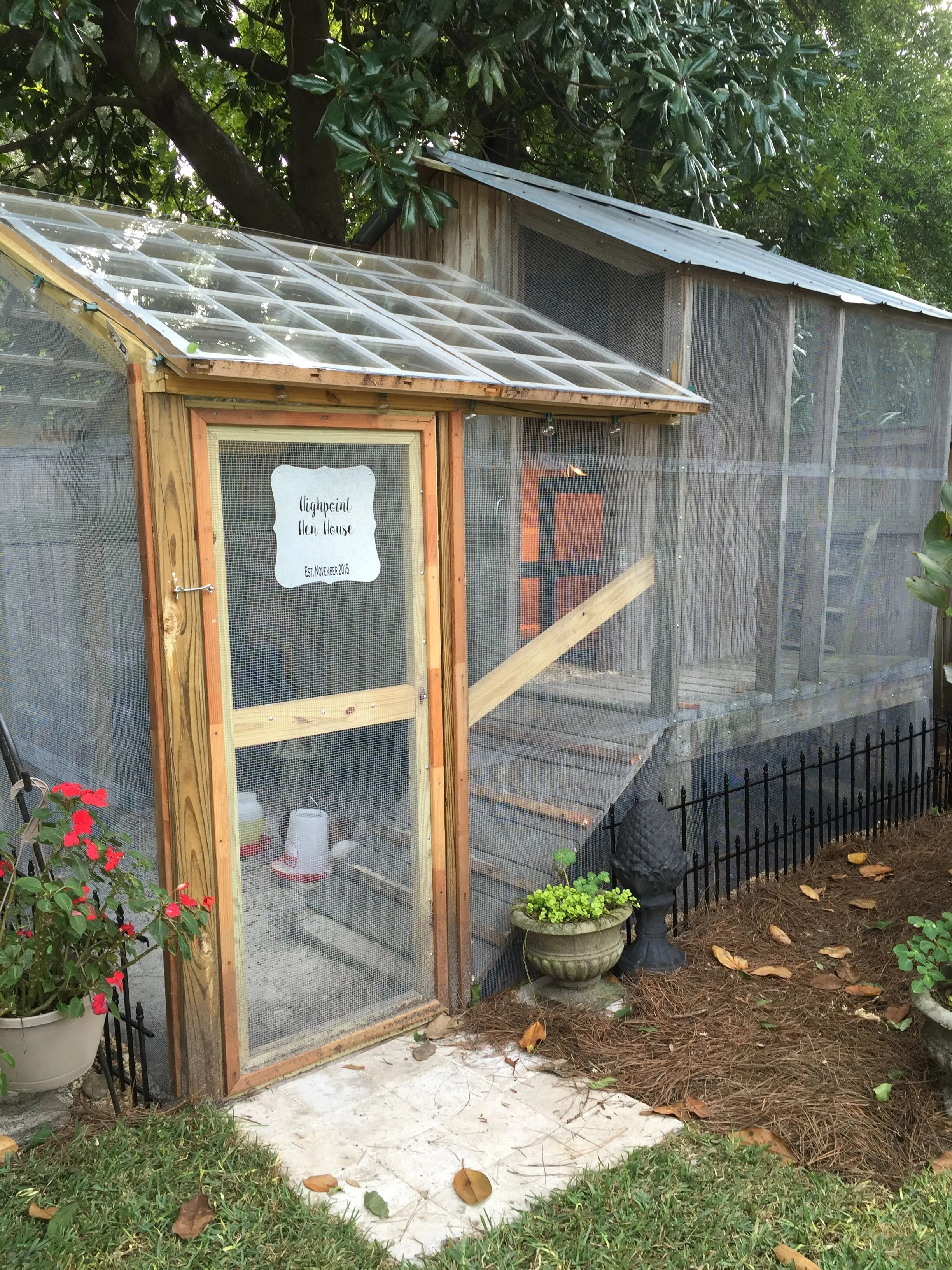
Top 5 Chicken Coop Hardware Cloth Choices
Protecting your chickens from predators is paramount, and the right hardware cloth is your first line of defense. Chicken coop hardware cloth is a heavy-duty wire mesh that provides a robust barrier against digging, chewing, and clawing predators. Choosing the right hardware cloth can significantly impact the safety and security of your flock. This article will explore the top 5 hardware cloth choices, considering factors such as mesh size, material, and installation, to help you make the best decision for your chicken coop. Investing in quality hardware cloth is not just about protecting your chickens; it’s about peace of mind, knowing that your coop is secure against common threats like raccoons, foxes, and even determined rodents. When choosing the best hardware cloth it’s about considering the best available options.
Choosing the Right Hardware Cloth Mesh Size
The mesh size of your hardware cloth is a crucial factor in determining its effectiveness. The ideal mesh size will depend on the specific predators you are trying to deter and the size of your chickens. Smaller mesh sizes offer greater protection against smaller predators and are also better at preventing chickens from escaping. A mesh size of 1/2 inch or smaller is generally recommended for chicken coops. This size prevents most predators from reaching through the wire and is small enough to keep chicks and smaller chicken breeds safely inside. Larger mesh sizes, such as 1 inch, may be suitable for some applications, but they can leave your chickens vulnerable to attacks from smaller animals. Always consider the specific threats in your area when selecting the mesh size.
Factors to Consider for Mesh Size

Several factors influence the best mesh size for your coop. Consider the types of predators common in your area. If you live in an area with many small predators like rats, weasels, or snakes, a smaller mesh size is essential. Also, consider the size and breed of your chickens. Smaller breeds or chicks require smaller mesh sizes to prevent them from escaping or getting injured. Ventilation needs also play a role. While smaller mesh sizes provide better security, they can also restrict airflow. Ensure your coop design incorporates sufficient ventilation to maintain a healthy environment for your chickens, even with the chosen mesh size. A proper mesh size is a smart choice for chicken coop owners.
Durability and Material Composition
The material composition of the hardware cloth significantly impacts its durability and longevity. Two common materials are galvanized steel and vinyl-coated steel. Galvanized hardware cloth is a popular choice due to its resistance to rust and corrosion. The galvanization process coats the steel with a layer of zinc, providing a protective barrier against the elements. This type of hardware cloth is a cost-effective option that can last for many years with proper care. Vinyl-coated hardware cloth offers an additional layer of protection. The vinyl coating further enhances the cloth’s resistance to rust and corrosion, and also provides a smoother surface, which can be safer for both the chickens and the installers. The vinyl coating can also add an aesthetic appeal, though this is less important than the functionality and durability of the material. Consider both options carefully to choose the best fit for your needs.
Galvanized Hardware Cloth
Galvanized hardware cloth is a staple in chicken coop construction due to its excellent balance of cost and durability. The galvanization process protects the steel from rust, extending the life of the hardware cloth even in outdoor environments exposed to moisture and the elements. Look for hardware cloth that is hot-dipped galvanized after welding for the best rust protection. This process ensures that the entire wire, including the welded joints, is thoroughly coated with zinc. This is particularly important because it is at the welded joints that rust typically begins. Ensure the hardware cloth you choose is the correct gauge and mesh size for your needs. Galvanized hardware cloth is a smart choice that will protect your chickens.
Vinyl-Coated Hardware Cloth

Vinyl-coated hardware cloth offers an extra layer of protection compared to galvanized options. The vinyl coating provides a smoother surface, reducing the risk of injury to your chickens and making the material easier to handle during installation. The vinyl coating also adds to the corrosion resistance, making it a great option for areas with high humidity or frequent rain. Vinyl-coated cloth comes in various colors, which can be aesthetically pleasing and may blend better with your coop’s surroundings. The added cost for vinyl coating is often justified by the enhanced durability and safety it provides. This is a great choice for owners looking for additional protection and longevity.
Hardware Cloth Gauge and Thickness
The gauge, or thickness, of the wire in your hardware cloth is another critical factor. A thicker gauge indicates a stronger and more durable product, less likely to be damaged or penetrated by predators. For chicken coops, a gauge of 19 or 20 is generally recommended. This thickness provides a good balance between strength and ease of use. Heavier gauges, such as 16 or 14, offer even greater protection but can be more difficult to cut and install. Consider the potential threats in your area and choose a gauge that provides adequate protection without making the installation overly challenging. The thickness should be at least 19 or 20 for maximum security.
Hardware Cloth Installation Techniques
Proper installation is as crucial as the hardware cloth itself. The way you install the hardware cloth determines how effective it is in protecting your chickens. Secure the hardware cloth to the coop frame using staples, screws, or other appropriate fasteners. Ensure the hardware cloth is taut and flush against the frame to prevent any gaps that predators can exploit. Overlap the edges of the hardware cloth and secure them firmly to eliminate weak points. Consider burying the hardware cloth around the perimeter of the coop to prevent digging predators from burrowing underneath. Regular inspection and maintenance of the hardware cloth is essential to ensure its ongoing effectiveness.
Cutting Hardware Cloth Safely

Cutting hardware cloth can be dangerous if not done correctly. Always wear appropriate safety gear, including gloves and eye protection. Use heavy-duty wire cutters or tin snips to cut the hardware cloth. Avoid using tools that are not designed for this purpose, as they can damage the wire and pose a safety risk. When cutting, ensure you have a stable work surface and cut slowly and carefully. Take your time, and don’t try to force the cut. After cutting, file down any sharp edges to prevent injury. Hardware cloth can be a hazard so you need to ensure you’re safe while working with it.
Securing Hardware Cloth to the Coop Frame
The method you use to secure the hardware cloth to the coop frame depends on the type of frame. For wooden frames, staples or screws are commonly used. When using staples, ensure they are long enough to penetrate the wood securely. Space the staples or screws closely together for maximum security, typically every few inches. For metal frames, self-tapping screws or welding may be necessary. If using screws, pre-drill holes to prevent the hardware cloth from buckling. When attaching the hardware cloth, stretch it tight and secure it firmly to avoid any potential weak spots. Choose fasteners that are appropriate for the frame material and the environmental conditions. Correct securing is the key to preventing the entry of predators.
Hardware Cloth Placement for Maximum Security
Proper placement of hardware cloth is vital for comprehensive protection. Cover all vulnerable areas, including the walls, floor, roof, and any openings. Extend the hardware cloth underground to prevent digging predators from tunneling under the coop. This can be achieved by burying the hardware cloth at least 12 inches deep, extending outwards from the base of the coop. Consider using hardware cloth to line the inside of the coop walls as well, especially if the exterior frame is made of wood, which can be vulnerable to chewing predators. Pay close attention to any potential entry points, such as windows, doors, and ventilation openings, and reinforce these areas with hardware cloth. Comprehensive coverage is key to achieving maximum security. Proper placement makes all the difference when trying to protect your chickens.
Hardware Cloth and Predator Prevention

Hardware cloth is a cornerstone of effective predator prevention for chicken coops. Its primary function is to create a physical barrier that predators cannot penetrate. By choosing the right type of hardware cloth and installing it correctly, you significantly reduce the risk of your chickens being attacked. Regular maintenance, including inspections for damage or wear and tear, is essential to ensure the hardware cloth continues to provide reliable protection. Combining hardware cloth with other preventative measures, such as secure latches, predator-resistant fencing, and removing potential attractants, creates a multi-layered defense system. A well-protected chicken coop can provide a safe environment for your chickens.
Protecting Against Digging Predators
One of the most effective uses of hardware cloth is preventing digging predators, such as foxes, coyotes, and even dogs, from accessing your chickens. To protect against digging, bury the hardware cloth at least 12 inches deep around the perimeter of your coop. Extend the hardware cloth outwards from the base of the coop, creating an apron. This prevents digging predators from tunneling under the coop walls. Ensure there are no gaps or weak points where predators could enter. You can also consider burying the hardware cloth vertically along the coop’s foundation to further enhance protection. The buried apron of hardware cloth is an important part of the defense.
Hardware Cloth and Ventilation
While security is paramount, proper ventilation is also essential for the health and well-being of your chickens. Good ventilation helps to regulate temperature, reduce humidity, and remove ammonia and other harmful gases. When using hardware cloth on ventilation openings, choose a mesh size that balances security and airflow. A mesh size of 1/2 inch or smaller is generally sufficient to prevent predators from entering while allowing for adequate ventilation. Ensure that your coop design incorporates sufficient ventilation features, such as vents and windows. Regularly inspect and clean the ventilation openings to ensure they remain unobstructed. Poor ventilation can lead to respiratory problems and other health issues in your chickens. By incorporating ventilation into your coop design, you can ensure your chickens are safe.
Top 5 Chicken Coop Hardware Cloth Recommendations

Based on the factors discussed above, here are the top 5 chicken coop hardware cloth recommendations. Consider the mesh size (1/2 inch or smaller), material (galvanized or vinyl-coated steel), gauge (19 or 20), and installation techniques when selecting the best hardware cloth for your needs. Always evaluate the specific threats in your area and tailor your choices accordingly. Remember to prioritize durability, proper installation, and regular maintenance to ensure the long-term security of your chicken coop. By carefully selecting and installing the right hardware cloth, you can create a safe and secure environment for your flock, providing peace of mind and protecting your investment. Investing in high-quality hardware cloth is an investment in the health and longevity of your chickens. Your chickens deserve the best protection possible.