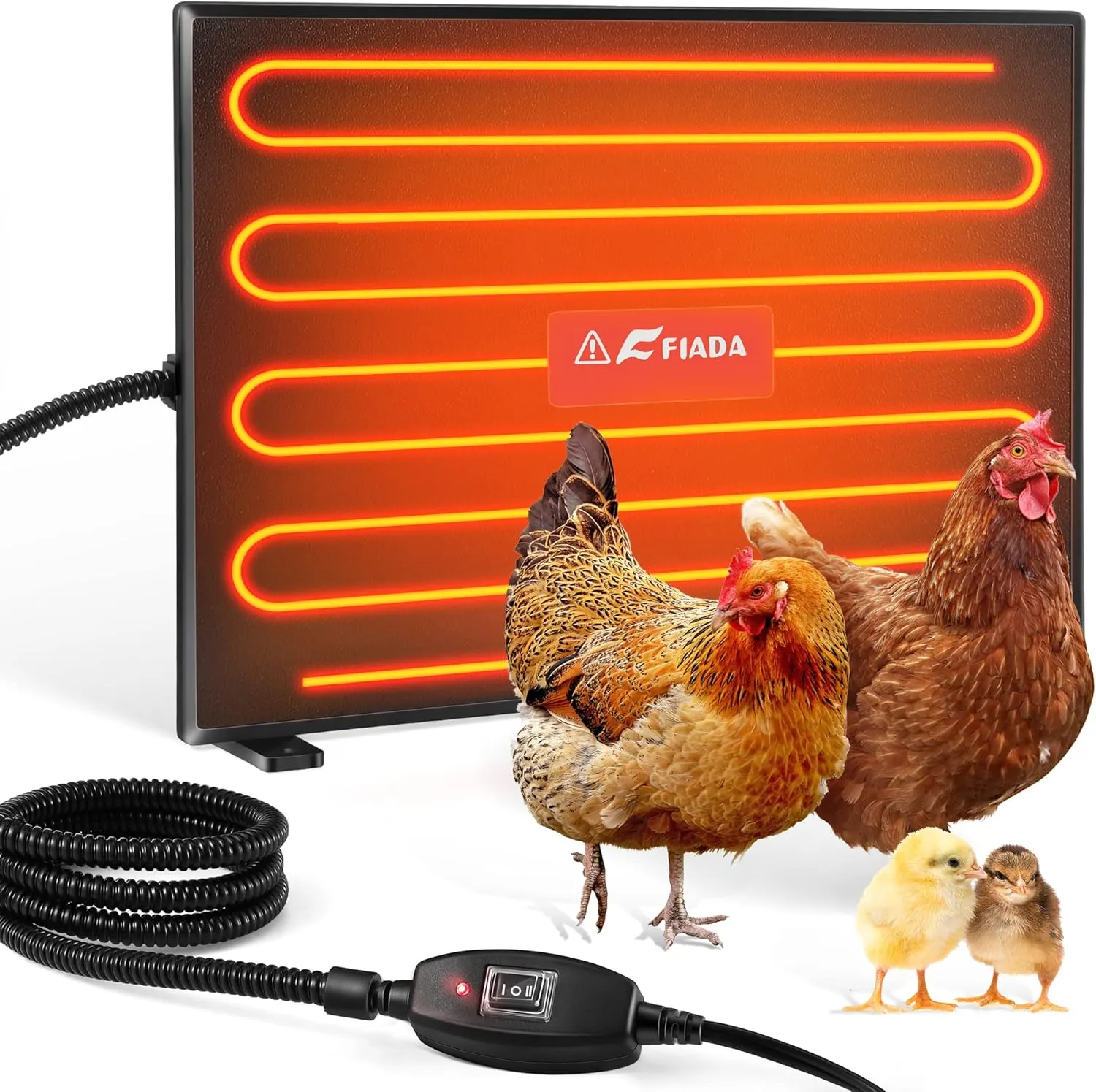
Keeping your chickens comfortable, healthy, and productive during the colder months is a top priority for any backyard chicken keeper. One of the most crucial aspects of winter chicken care is providing adequate chicken coop heat. This comprehensive guide will walk you through everything you need to know about heating your chicken coop, from understanding why it’s essential to choosing the right heating solutions for your flock. We’ll cover different heating options, safety precautions, and how to create a tailored heating plan to keep your chickens happy and thriving all winter long. Let’s dive into the world of chicken coop heat and ensure your feathered friends stay cozy and content, regardless of the weather outside.
Why is Chicken Coop Heat Important?
Understanding the importance of chicken coop heat is the first step in providing proper care for your flock. Chickens, while generally hardy, are susceptible to cold stress, which can significantly impact their health and well-being. Providing heat in the coop isn’t just about comfort; it’s about ensuring your chickens’ survival and maintaining their productivity throughout the winter months. Extreme cold can lead to frostbite, respiratory problems, and reduced egg production, ultimately affecting your chickens’ overall health and your enjoyment of backyard chicken keeping. In addition, proper heating ensures that the environment within the coop remains conducive to the chickens’ natural behaviors and physiological processes, allowing them to thrive even when temperatures plummet.
Protecting Chickens from Cold Stress
Cold stress in chickens can manifest in various ways, from lethargy and decreased appetite to frostbite on combs, wattles, and feet. These conditions can weaken the chickens’ immune systems, making them more vulnerable to diseases. Cold temperatures also force chickens to expend more energy to stay warm, leading to increased food consumption. Without proper heating, your chickens may struggle to maintain their body temperature, resulting in health complications and potential mortality. Providing heat helps mitigate these risks, creating a more stable and comfortable environment. The goal is to maintain a temperature range that allows chickens to conserve energy and remain active and healthy, allowing them to weather the winter months with ease. Remember, a healthy chicken is a happy chicken, and a heated coop is key to their well-being.
Maintaining Egg Production

One of the most significant impacts of cold weather on chickens is the decline in egg production. As temperatures drop, chickens naturally reduce laying as they divert energy towards staying warm. While some breeds are more cold-hardy than others, all chickens will experience a decrease in laying during the winter. By providing supplemental heat, you can help maintain a more consistent temperature within the coop, encouraging your hens to continue laying eggs. This doesn’t mean you can expect the same level of production as during warmer months, but it can significantly minimize the drop and ensure you still get fresh eggs throughout the winter. Keeping your chickens warm helps them continue laying and allows them to maintain a regular routine, keeping the chickens happy and helping them to stay healthy during the colder months. Additionally, it helps to maintain a higher quality of life for your flock.
Understanding Chicken Coop Heating Options
Choosing the right heating solution for your chicken coop requires careful consideration of your local climate, the size of your coop, and your budget. There are several options available, each with its own set of advantages and disadvantages. The most common heating methods include electric space heaters, infrared heat lamps, and heated waterers. Each of these methods offers unique benefits, so it’s crucial to evaluate your needs and choose the most appropriate option for your specific situation. Safety is paramount, so always prioritize selecting heating methods that can safely provide the necessary warmth without creating fire hazards or harming your chickens. Understanding each option’s pros and cons will help you make an informed decision that balances safety, efficiency, and cost-effectiveness.
Electric Space Heaters
Electric space heaters are a popular choice for chicken coops due to their ease of use and relatively consistent heat distribution. These heaters come in various forms, including ceramic heaters and oil-filled radiators, each with its own characteristics. Ceramic heaters are known for their quick heating capabilities, while oil-filled radiators provide more gradual and even heating. When selecting an electric space heater, look for models specifically designed for outdoor or coop use, with features like tip-over shutoff switches and durable construction. These features enhance safety and prevent potential hazards. Ensure the heater is appropriately sized for your coop to avoid overheating or inefficient warming. Proper placement is also essential; keep the heater away from flammable materials like bedding and nesting boxes. Electric space heaters can be an effective way to keep your coop warm, provided you choose a safe and suitable model for your needs.
Pros and Cons of Electric Space Heaters

Electric space heaters offer several advantages. They are relatively easy to install and operate, making them a convenient choice for many chicken keepers. They can provide a consistent level of heat, helping to maintain a stable temperature within the coop. However, electric space heaters also have some drawbacks. They can be more expensive to operate than other heating methods due to their electricity consumption. There is also a risk of fire if not used carefully, so you must follow all safety guidelines. Also, if the power goes out during a cold snap, your chickens could be at risk. Carefully weigh these pros and cons when deciding if an electric space heater is right for your coop.
Safety Considerations for Electric Heaters
Safety should always be the top priority when using electric space heaters in your chicken coop. Choose heaters specifically designed for coop use, with features like automatic shutoff switches and durable construction. Place the heater on a level surface, away from flammable materials such as bedding, nesting boxes, and curtains. Make sure the heater is not accessible to the chickens to prevent accidental contact and potential burns. Inspect the heater regularly for any signs of damage, and never use it if it’s faulty. Ensure that the electrical wiring is properly grounded and protected from moisture and the elements. Always supervise your chickens when using electric heaters to watch for signs of overheating or discomfort. By following these safety precautions, you can minimize the risks and provide a safe and comfortable environment for your flock.
Infrared Heat Lamps
Infrared heat lamps are another popular heating option for chicken coops. These lamps emit infrared radiation that directly warms the chickens, similar to how the sun warms the earth. They are often used because they provide localized heat, making them efficient for smaller coops. When using an infrared heat lamp, it’s essential to choose a lamp specifically designed for coop use and to install it securely. The lamp should be mounted at a safe distance from the bedding and any other flammable materials. Also, consider the lamp’s wattage and ensure it’s appropriate for the size of your coop. The heat from the lamp can be focused on a specific area, allowing chickens to move to warmer or cooler zones. Ensure that you have a backup plan in case the bulb burns out during cold weather, as the chickens will need an immediate source of heat. Also, ensure the lamp is protected with a safety cage to prevent injury and fire hazards.
Advantages of Infrared Heat Lamps

Infrared heat lamps are cost-effective and relatively easy to install. They provide direct, focused heat, which is efficient for warming a specific area. Heat lamps are particularly useful for brooding chicks and can be adjusted to provide the right amount of warmth. They also offer the benefit of being less reliant on the entire coop’s insulation, as they provide a localized heat source. The lamps are readily available and have a lower initial cost than other heating solutions, making them a practical choice for many chicken keepers. The localized heat can also allow chickens to choose their comfort level by moving closer to or farther away from the heat source.
Drawbacks of Infrared Heat Lamps
Infrared heat lamps also come with several drawbacks. They can be a fire hazard if not installed and used properly. The bulbs can break, and the heat can be intense if the lamp is positioned too close to the chickens. These lamps can also be less efficient in larger coops, as the heat is focused. There can be a risk of burns if the chickens come into direct contact with the bulb. Furthermore, the focused heat can make one area of the coop significantly warmer than others, which might not be ideal. It is essential to monitor the chickens for signs of discomfort and adjust the lamp’s placement accordingly. Ensure the lamp is safely positioned and shielded.
Heated Waterers
While not a direct heating method, heated waterers are essential for maintaining your chickens’ health and well-being during the winter. Chickens need access to fresh, unfrozen water to stay hydrated and healthy. In cold weather, water can quickly freeze, making it unavailable to your flock. Heated waterers prevent this problem by keeping the water at a safe temperature. There are various types of heated waterers available, including models that plug into an outlet and those that run on batteries. Ensure that the heated waterer is properly sized for your flock and is placed in a safe location, away from potential hazards. A heated waterer is not a substitute for a proper heating system but plays a crucial role in ensuring your chickens stay healthy and hydrated during the winter months.
Benefits of Heated Waterers

Heated waterers offer significant benefits for your chickens. They provide a consistent supply of fresh, unfrozen water, which is essential for their health and well-being. Chickens need water to digest food, regulate their body temperature, and maintain overall health. When water freezes, they may not drink enough, which can lead to dehydration and various health problems. A heated waterer prevents this, ensuring that the chickens always have access to water. Maintaining hydration helps chickens stay active, healthy, and productive, allowing them to maintain a healthy routine during the winter. They also help to prevent the formation of ice, which can lead to dangerous conditions.
Types of Heated Waterers
There are several types of heated waterers available to suit different needs and budgets. Electric heated waterers plug into an outlet and use electricity to keep the water from freezing. These are generally the most effective option for colder climates. Battery-operated heated waterers are available, offering a cordless option that is useful if you don’t have easy access to an electrical outlet in your coop. Insulated waterers can help keep the water from freezing by slowing the heat loss. When choosing a heated waterer, consider factors such as the size of your flock, the climate in your area, and the availability of power sources. Always follow the manufacturer’s instructions for safe and effective use, and regularly check the waterer to ensure it is functioning correctly.
Insulating Your Chicken Coop
Insulating your chicken coop is essential for effective heating and energy efficiency. Insulation helps trap heat inside the coop during cold weather, reducing the energy needed to maintain a comfortable temperature. It also helps to prevent drafts, which can make the coop feel colder and cause discomfort for your chickens. Properly insulating your coop is one of the most cost-effective ways to ensure your chickens are warm and healthy in the winter. Insulation not only improves the efficiency of your heating system but also creates a more stable and comfortable environment within the coop. This stability is key to preventing temperature fluctuations that can stress your chickens and affect their health.
Importance of Coop Insulation

Insulation is crucial for maintaining a consistent temperature within the coop. Without proper insulation, heat can easily escape, and cold air can seep in. This not only increases the cost of heating but can also lead to uncomfortable temperature swings. A well-insulated coop helps regulate temperature, reducing the need for excessive heating and providing a more stable environment for your chickens. By reducing heat loss, insulation ensures that the heating system is more efficient, saving you money and helping keep your chickens warm. Proper insulation helps to prevent condensation, which can lead to dampness and the growth of mold and mildew, which are detrimental to the chickens’ health.
Insulation Materials
There are several types of insulation materials you can use for your chicken coop. Fiberglass insulation is a popular and cost-effective option, but it must be installed carefully to avoid moisture issues. Rigid foam insulation provides good insulation and is easy to install, though it may need to be protected from the chickens, who might try to peck at it. Spray foam insulation is another option, which offers excellent insulation and can seal cracks and gaps effectively. Regardless of the material you choose, make sure it is installed properly, following the manufacturer’s instructions. Proper installation is essential to maximize the effectiveness of the insulation and prevent issues such as moisture buildup. The key is to choose an insulation material that suits your budget and the specific needs of your coop, providing a well-insulated environment for your chickens.
Ventilation and Chicken Coop Heat
While heating your coop is essential for winter, proper ventilation is equally important. Ventilation helps remove moisture, ammonia, and other harmful gases that can build up inside the coop. Without adequate ventilation, these gases can accumulate, leading to respiratory problems and other health issues. Ventilation is often overlooked when heating the coop, but it is a crucial component in creating a healthy environment for your chickens. Proper ventilation also helps to regulate temperature by removing excess moisture. Balancing heat and ventilation can be tricky, so understanding the principles of both is crucial to ensuring a healthy and comfortable environment.
Why Ventilation Matters

Ventilation plays a crucial role in maintaining a healthy environment within the coop. Chickens produce a lot of moisture through their respiration and droppings. Excessive moisture can lead to mold and mildew growth, which can cause respiratory infections and other health problems. Ammonia, a byproduct of chicken droppings, can also build up to toxic levels if the coop is not adequately ventilated. Proper ventilation helps to remove these harmful elements, improving air quality and reducing the risk of respiratory issues. Good ventilation prevents the buildup of dampness and helps regulate the temperature within the coop. The goal is to provide fresh air circulation without creating drafts that can chill your chickens.
Balancing Heat and Ventilation
Balancing heat and ventilation requires a careful approach. While you want to retain heat, you also need to ensure that there is enough airflow to remove moisture and ammonia. The ideal scenario is to allow air circulation without causing drafts that could chill the chickens. One common method is to use vents placed high up in the coop, allowing warm, moist air to escape while drawing in fresh air from below. Ensure that vents are protected from the elements, such as rain and snow. In some cases, you may need to adjust the heating system or insulation to accommodate adequate ventilation. The goal is to create an environment that is warm, dry, and free of harmful gases. Regular monitoring of humidity levels and air quality is essential to achieving the right balance. Using a combination of insulation and ventilation provides the best protection and comfort for your flock.
Monitoring Chicken Coop Heat Levels
Regularly monitoring the temperature and humidity levels in your chicken coop is essential to ensure that your heating system is working effectively and that your chickens are comfortable. You should check the temperature at various points within the coop, as conditions can vary depending on the location. Proper monitoring helps you identify potential problems early, allowing you to make adjustments to your heating plan as needed. This includes both observing the behavior of your chickens and utilizing tools like thermometers to accurately gauge the coop environment. Maintaining a close eye on the coop environment will ensure your chickens are safe and healthy. By doing so, you’ll be able to provide an optimal environment for your flock.
Using Thermometers

A reliable thermometer is a must-have tool for any chicken keeper. Place thermometers at different locations within the coop, including near the floor, at roosting height, and near the heat source. This will help you get a comprehensive understanding of temperature distribution. Choose a thermometer that is easy to read and can withstand the conditions of the coop. Digital thermometers with remote sensors are particularly useful, as they allow you to monitor the temperature without entering the coop. Record the temperature readings regularly, especially during extreme weather, to track any changes and identify potential problems. This information will help you make informed decisions about your heating plan. This information will help you ensure that the heat levels are safe and adequate for your flock.
Signs of Overheating or Overcooling
Pay attention to the behavior of your chickens, as they can provide valuable clues about the coop’s temperature. Signs of overheating include panting, holding their wings away from their bodies, and reduced activity. Overheated chickens may also huddle together or avoid the heat source. Signs of overcooling include shivering, huddling together for warmth, and reduced activity. Frostbite on combs, wattles, and feet is another sign that the coop is too cold. Regularly observe your chickens and correlate their behavior with the thermometer readings. Adjust your heating system as needed based on these observations. The goal is to provide a temperature range that promotes comfort and health and to prevent the potential harm of overheating or overcooling. This means keeping a careful watch on the chicken and the environment.
Creating a Heat Plan for Your Coop
Developing a comprehensive heat plan is vital for ensuring that your chickens stay warm and healthy during the winter months. This plan should include considerations for your local climate, the size and construction of your coop, and your flock’s needs. Start by assessing your existing coop to identify areas where heat loss occurs and where improvements can be made. Then, choose the heating methods that are best suited to your situation, ensuring that they are installed safely. A well-thought-out heating plan allows you to prepare for the cold season and provide your flock with a safe and comfortable environment. The plan should be adaptable and flexible, so you can make adjustments as needed based on changing weather conditions and your chickens’ behavior.
Factors to Consider When Planning
When creating a heat plan, consider your local climate. The temperatures in your area will determine the level of heat you need to provide. The size and construction of your coop play a significant role. A larger coop will require more heating than a smaller one, and a well-insulated coop will retain heat better than one that is poorly insulated. Assess your flock’s needs. The age, breed, and number of chickens you have will influence the heating requirements. Research the typical winter temperatures in your area and consider any extreme weather events, such as blizzards or cold snaps. Take into account the coop’s design, including the materials used, the presence of windows and vents, and the overall insulation. Consider the specific characteristics of your flock. By carefully considering these factors, you can create a heat plan tailored to your unique circumstances.
Heating Plan Checklist
Here is a checklist to help you create your heating plan: Assess the coop’s insulation and make any necessary improvements. Choose the appropriate heating method, considering safety and efficiency. Install the heating equipment according to the manufacturer’s instructions. Place thermometers in various locations within the coop. Develop a regular monitoring schedule to check temperatures and adjust the heat levels as needed. Ensure adequate ventilation to remove moisture and harmful gases. Have a backup plan in case of power outages or equipment failure. Inspect the heating equipment regularly for safety and proper function. Monitor the chickens’ behavior for signs of discomfort or stress. Be prepared to adapt the plan based on changing weather conditions and the needs of your flock. By following this checklist, you can create a reliable and effective heating plan.
By following this ultimate guide, you’ll have the knowledge and tools needed to keep your chickens warm, healthy, and productive throughout the winter. Remember, the best chicken coop heat plan is one that is tailored to your specific situation and prioritized safety above all else. With careful planning and consistent monitoring, you can provide your flock with a comfortable and secure home, allowing them to thrive even when the weather outside is frightful.