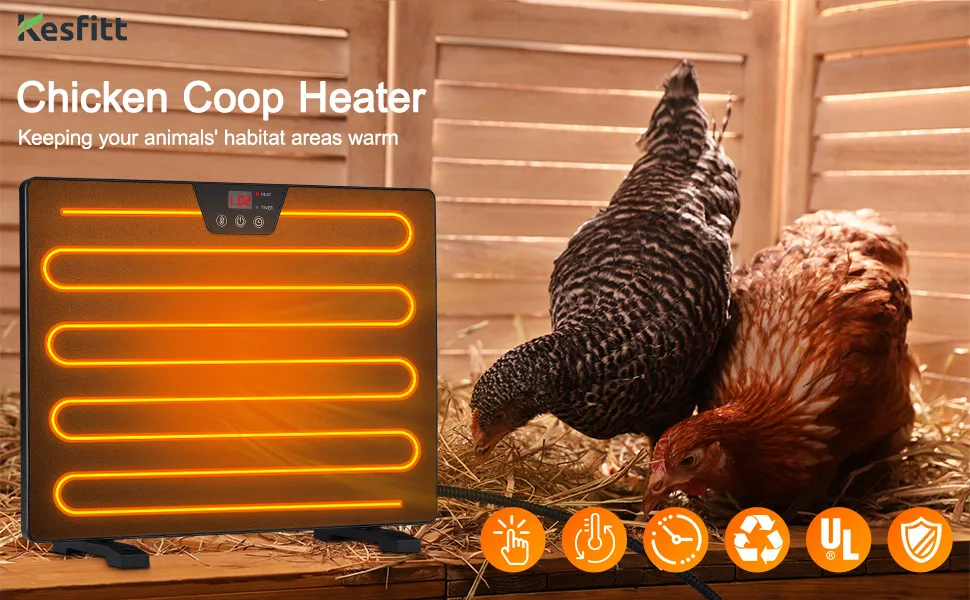
Why Chicken Coop Heater is Important
Keeping your chickens comfortable and healthy throughout the winter is crucial, and a chicken coop heater plays a vital role in achieving this. Chickens, while resilient, are susceptible to the cold, especially breeds not well-suited to harsh winters. A heater provides a stable, warm environment, preventing health issues and ensuring continued egg production. It’s not just about comfort; it’s about the well-being of your flock, ensuring they thrive even when temperatures plummet. Investing in a quality heater is a responsible choice for any chicken keeper committed to their birds’ welfare, making the winter months manageable and less stressful for both you and your chickens. Implementing the right heating solution demonstrates a commitment to providing a safe, healthy, and productive environment for your flock, contributing to a successful chicken-keeping experience overall.
Protecting Chickens From Cold
Protecting chickens from the cold involves several key strategies. Firstly, ensuring the coop is properly insulated is paramount. Insulation minimizes heat loss and prevents drafts, creating a warmer microclimate inside. Secondly, proper ventilation is also necessary to prevent a buildup of moisture, which can exacerbate the cold. Adequate ventilation, while maintaining warmth, helps keep the air dry, preventing respiratory problems. Thirdly, a chicken coop heater adds an extra layer of protection, particularly during extreme cold snaps. By maintaining a consistent temperature above freezing, a heater ensures chickens remain healthy and comfortable. This combination of insulation, ventilation, and heating creates an environment where chickens can thrive even in the coldest weather.
Health Risks of Cold Temperatures for Chickens

Cold temperatures pose several health risks to chickens. Frostbite is a common concern, particularly affecting combs, wattles, and feet. Prolonged exposure can lead to tissue damage and infection. Furthermore, cold stress weakens the immune system, making chickens more susceptible to respiratory illnesses and other infections. Decreased egg production is another direct consequence; the hens will divert energy to staying warm, instead of laying eggs. In extreme cases, prolonged cold exposure can lead to hypothermia and death. Therefore, it is crucial to monitor coop temperatures and provide adequate protection, such as insulation and heating, to prevent these health issues and maintain a healthy flock. Early detection and proactive measures are critical to mitigate the impact of cold weather on your chickens.
Chicken Coop Heater Buying Guide [Top Tips]
Types of Chicken Coop Heaters
Selecting the right type of chicken coop heater is a crucial step in ensuring your chickens stay warm and healthy. There are several types available, each with its own set of advantages and disadvantages. The most common types include electric heaters, propane or gas heaters, and oil-filled heaters. Understanding the differences will help you make an informed decision based on your needs and preferences. Considering factors such as energy efficiency, safety features, and the overall size of your coop will guide you to choose the most suitable heating solution for your flock. Each type has its pros and cons. Electric heaters are convenient and easy to install, while propane or gas heaters offer greater heating capacity but require careful safety measures.
Electric Coop Heaters

Electric coop heaters are popular due to their ease of use and installation. They typically plug into a standard electrical outlet and come in various forms, including ceramic heaters and panel heaters. These models provide a concentrated heat source, which allows for efficient warming of smaller coop spaces. Many models come equipped with built-in thermostats, allowing you to maintain a consistent temperature. When choosing an electric heater, it’s important to consider the coop’s size and the heater’s wattage to ensure it can effectively heat the space. Ensure all electrical connections are safe and protected from moisture, as well as positioned away from bedding to avoid fire hazards. Electric heaters are a convenient, often more affordable option for smaller coops.
Pros and Cons of Electric Heaters
Electric heaters offer several advantages, including ease of installation, low upfront costs, and generally safe operation. Many models have built-in safety features like automatic shut-off mechanisms and tip-over protection, enhancing safety. However, they also have limitations. They can be less effective in larger coops and may not perform well in extremely cold climates. Electric heaters can also be more expensive to operate due to their reliance on electricity. They may also be susceptible to power outages, leaving your chickens exposed to the cold. Carefully weigh these pros and cons to decide if an electric heater is the best choice for your flock.
Propane or Gas Coop Heaters
Propane or gas coop heaters provide a more powerful heating solution, making them suitable for larger coops or extremely cold climates. These heaters typically run on propane or natural gas and offer a higher heat output than electric models. They are often equipped with safety features like low-oxygen shut-off and pilot light protection to prevent gas leaks. While they require more complex installation and maintenance, their ability to heat larger areas makes them a good choice for certain chicken keepers. Careful consideration of ventilation, safety protocols, and fuel storage is crucial when using propane or gas heaters. Regular inspections and maintenance are also required to ensure safe and efficient operation.
Pros and Cons of Propane/Gas Heaters

Propane and gas heaters offer significant advantages, including high heating capacity, making them suitable for larger coops and providing reliable heat in harsh weather conditions. They can also be more cost-effective in areas with high electricity costs. However, they also come with drawbacks. They require proper ventilation to prevent the buildup of harmful gases. There’s a risk of fire or explosion if not installed and maintained correctly. These heaters also require fuel storage and regular maintenance, and the cost of propane or gas can fluctuate. The advantages and disadvantages should be carefully considered based on your specific needs and circumstances. Always prioritize safety when using these types of heaters.
Considerations for Choosing a Chicken Coop Heater
Choosing a chicken coop heater involves carefully considering multiple factors to ensure the safety and comfort of your chickens. The size of your coop is the primary consideration, because a larger coop will require a higher-capacity heater. Insulation plays a critical role; a well-insulated coop will retain heat more efficiently, reducing the required heater output. Safety features are essential, including tip-over protection, automatic shut-off mechanisms, and proper ventilation. Energy efficiency is another important factor, especially for long-term operating costs. Lastly, the presence of a thermostat allows you to regulate the temperature accurately, providing consistent warmth.
Coop Size and Insulation
Coop size is a critical factor when selecting a heater, because it dictates the heating capacity needed. Measure the coop’s dimensions to determine its cubic footage. A larger coop will require a heater with a higher wattage or BTU rating to effectively maintain a comfortable temperature. In addition to size, the level of coop insulation significantly impacts heating needs. Well-insulated coops retain heat much better, requiring less energy to keep warm. Consider insulating the walls, roof, and floor of your coop to reduce heat loss. This not only lowers energy costs but also helps the heater run more efficiently. Proper insulation and an appropriately sized heater work together to create an ideal winter environment for your chickens.
Safety Features

Prioritizing safety features is essential when choosing a chicken coop heater. Look for heaters with automatic shut-off mechanisms that activate if the unit tips over or overheats, minimizing the risk of fire. Ensure the heater is designed for use in a potentially damp environment. Look for models that have been tested and certified by reputable organizations, to ensure they meet safety standards. When installing the heater, follow the manufacturer’s instructions carefully, and position the heater away from flammable materials like bedding or nesting boxes. It is essential to regularly inspect the heater and electrical components for any signs of damage or wear. Regular maintenance and the presence of safety features are the cornerstones of safe and efficient heating for your coop.
Energy Efficiency
Energy efficiency is an important consideration when selecting a chicken coop heater because it directly impacts operating costs. Look for heaters with high energy-efficiency ratings, which convert more energy into heat with less waste. The type of heater impacts efficiency. Electric heaters with thermostats are usually more efficient than those without. Consider the insulation of your coop; better insulation reduces the need for a high-wattage heater. By investing in an energy-efficient heater and implementing proper insulation, you can minimize energy consumption and lower utility bills. Energy-efficient options not only save money but also reduce your environmental impact, aligning with sustainable chicken-keeping practices.
Thermostat Control
Thermostat control is a key feature for maintaining a consistent and optimal temperature within your chicken coop. A thermostat allows you to set the desired temperature, and the heater will automatically cycle on and off to maintain that setting. This prevents overheating and ensures your chickens are kept warm without wasting energy. Look for heaters with adjustable thermostats, allowing you to customize the temperature based on the external weather conditions and the specific needs of your flock. Properly regulating the coop’s temperature improves the comfort and health of your chickens and also extends the life of the heater. Regular monitoring and adjustment of the thermostat will optimize the efficiency of your heating system.
Top Chicken Coop Heater

Selecting the ’top’ chicken coop heater depends on your specific needs and circumstances. There’s no single ‘best’ heater, as the ideal choice will vary based on coop size, climate, and budget. Consider models that balance energy efficiency, safety features, and reliability. Research different brands and models, focusing on consumer reviews to gauge the heater’s real-world performance. Some models are praised for their ease of installation and reliable performance, while others stand out for their energy-saving features or enhanced safety measures. Read product specifications, and consider factors like heat output, thermostat accuracy, and safety certifications. It is important to compare a range of options, weighing their pros and cons against your requirements to identify the best match for your flock.
Review of Popular Heater Models
To make an informed decision, it’s helpful to review popular chicken coop heater models currently available on the market. Different heaters offer varying levels of performance and features, and reading about these models will provide insights into the options available. This section reviews the key aspects of top-rated heaters, focusing on their performance, energy efficiency, and safety features. The reviews below highlight the strengths and weaknesses of different products. Whether you need an electric or propane heater, you will have a good insight into the best options for your chicken coop.
Electric Heater Model
Electric heaters offer ease of use and convenience for many chicken keepers. When assessing electric heater models, look for those with ceramic heating elements or panel heaters, which offer efficient heating. Ensure the model includes an adjustable thermostat and automatic shut-off features. Evaluate the heater’s wattage and whether it is suitable for your coop’s size. Some popular models include those with energy-saving modes. Check for safety certifications to guarantee the unit meets safety standards. Research customer reviews to gauge the unit’s real-world performance and reliability. Consider the upfront cost, but also the long-term operating costs, as electricity consumption can vary between models. Carefully selecting an electric heater that meets your needs will keep your chickens warm during the winter.
Propane Heater Model

Propane heaters are a robust choice for chicken coops. When considering a propane model, assess its BTU (British Thermal Unit) output to ensure it matches your coop’s size. Look for safety features such as a low-oxygen shut-off system and a pilot light safety device to prevent gas leaks. Proper ventilation is crucial with propane heaters, so ensure your coop has adequate airflow. Review the heater’s fuel efficiency, as propane costs can vary, and calculate the estimated operational expenses. Choose a heater with easy-to-use controls and a durable design to minimize maintenance. Read user reviews to learn about the reliability and performance. Ensure the model is certified for safety and meets all local regulations before installation. With the right model, a propane heater can be an effective heating solution.
Chicken Coop Heater Placement
Proper placement of your chicken coop heater is crucial for its effectiveness and the safety of your flock. Place the heater away from nesting boxes and other flammable materials to reduce the risk of fire. Consider the location within the coop; the best position is typically near the center or towards one end, where it can evenly distribute heat. Avoid placing the heater directly on the floor, as this can restrict airflow and create a fire hazard. Mounting the heater on a wall or using a stand is recommended. Ensure the heater is accessible for maintenance and that there is adequate space around it for ventilation. Following these guidelines will maximize the heater’s efficiency and contribute to a safe and comfortable environment for your chickens.
Safety Measures for Heater Placement
Implementing safety measures when placing your chicken coop heater is essential. Ensure the heater is installed according to the manufacturer’s instructions and that it is securely mounted to prevent accidental tip-overs. Regularly inspect the heater and electrical cords for any signs of damage or wear, and replace any damaged components immediately. Ensure the heater is placed where it is not accessible to the chickens, and consider using a protective cage or barrier to prevent direct contact. Maintain a safe distance between the heater and any flammable materials. Install a carbon monoxide detector to monitor air quality, especially if you are using a propane or gas heater. Prioritizing safety will keep your chickens safe.
Maintaining Your Chicken Coop Heater

Regular maintenance is key to ensuring your chicken coop heater functions efficiently and safely throughout the winter. This includes cleaning the heater regularly to remove dust and debris. Inspect all electrical components, including cords and plugs, for any signs of damage or wear, and replace them as needed. If you have a propane heater, check the gas lines for leaks and ensure the connections are tight. Keep the area around the heater clear of obstructions. Periodic inspections should be part of your routine. Careful maintenance not only enhances the heater’s lifespan but also reduces the risk of fire or other hazards. By consistently maintaining your chicken coop heater, you create a safe and comfortable environment for your chickens, even in the cold months.
Cleaning and Maintenance Tips
Implementing effective cleaning and maintenance practices will optimize the performance and lifespan of your chicken coop heater. Regularly clean the heater’s exterior and vents to prevent the buildup of dust and debris, which can reduce efficiency and pose a fire hazard. Before each use, inspect the electrical cords and plugs for any signs of damage or wear. Ensure all connections are secure, and replace any damaged parts immediately. If using a propane heater, check the gas lines for leaks. Always refer to the manufacturer’s guidelines for specific cleaning and maintenance instructions, as different models may have varying requirements. Taking the time to maintain your chicken coop heater will help ensure it operates safely and efficiently all winter long.
Regular Inspection Checklist
A regular inspection checklist is an essential part of maintaining your chicken coop heater’s safety and functionality. Begin by inspecting the heater’s exterior for any signs of damage, rust, or corrosion. Examine the electrical cords and plugs for fraying, cracking, or loose connections, and replace any damaged components. For propane heaters, check the gas lines for leaks by applying a soapy water solution to the connections and looking for bubbles. Test the thermostat to ensure it is accurately regulating the temperature. Verify that all safety features, such as automatic shut-off mechanisms, are working correctly. Ensure the heater is clean and free of dust and debris, which can reduce its efficiency and increase fire risk. Regular inspections provide peace of mind and ensure a safe and comfortable winter environment for your chickens.