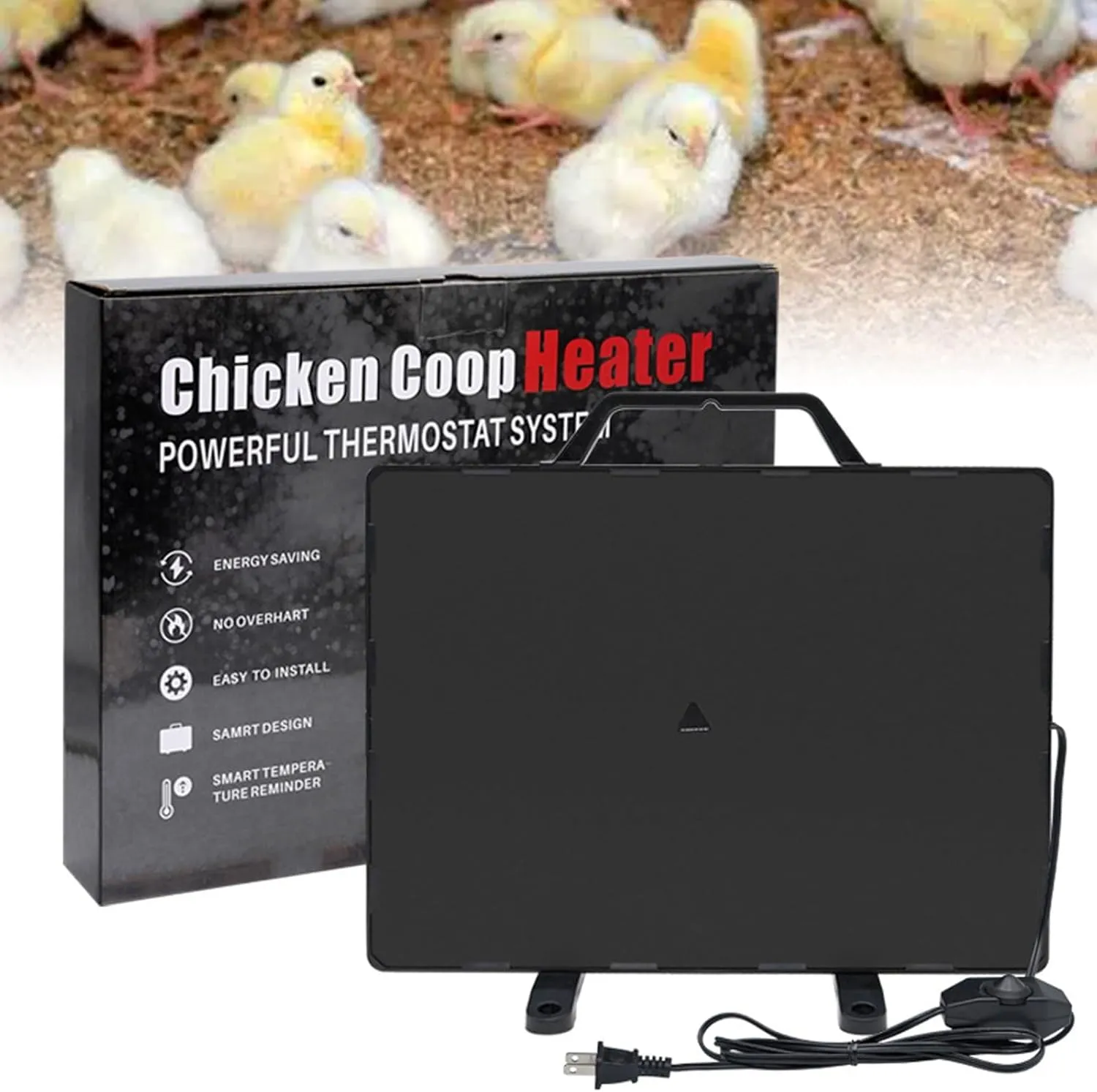
What is a Chicken Coop Heater
A chicken coop heater is a device designed to maintain a consistent and comfortable temperature inside a chicken coop, especially during cold weather. It provides supplemental heat to prevent the chickens from suffering from the effects of freezing temperatures. These heaters come in various forms, utilizing different technologies like electricity, propane, or natural gas to generate warmth. The primary goal is to ensure the well-being of your chickens, as extreme cold can lead to health issues, reduced egg production, and even death. Selecting the right heater depends on the size of your coop, your local climate, and your personal preferences regarding safety and energy efficiency. Understanding the basics of chicken coop heaters is the first step towards providing a safe and healthy environment for your flock during the winter months. With the right heater, you can keep your chickens happy, healthy, and productive throughout the year.
Benefits of Using a Chicken Coop Heater
Using a chicken coop heater offers several key advantages. Firstly, it protects chickens from the dangers of freezing temperatures. Chickens are remarkably hardy, but they can suffer from frostbite on their combs, wattles, and feet in prolonged cold. A heater mitigates this risk by maintaining a temperature above freezing. Secondly, heaters can help to maintain egg production. When temperatures drop, egg production often decreases or even stops. Providing a consistent temperature encourages hens to continue laying eggs throughout the winter. Thirdly, a heated coop enhances the overall health and well-being of your flock. It reduces stress, boosts the immune system, and helps to prevent respiratory illnesses, which are common in cold, damp environments. Finally, a heater can extend the useful life of your coop by preventing the build-up of moisture that can lead to rot and structural damage. Investing in a chicken coop heater can be a game-changer for any chicken keeper in a colder climate.
Types of Chicken Coop Heaters

There are various types of chicken coop heaters, each with its own set of pros and cons. The best choice depends on your specific needs and circumstances. Consider the size of your coop, your budget, and your safety preferences when selecting a heater. You also need to think about what fuel type you want to use. It’s crucial to choose a heater that is specifically designed for use in a coop environment, with appropriate safety features and durable construction. Regularly inspect and maintain your heater to ensure its continued safe and efficient operation. Proper selection and maintenance can protect your chickens and ensure that your coop provides a comfortable and secure environment throughout the colder months.
Electric Heaters
Electric heaters are a popular choice for chicken coops due to their ease of use and relatively low upfront cost. They come in various forms, including panel heaters, radiant heaters, and convection heaters. Electric heaters are generally safer than propane or natural gas heaters, as they do not produce open flames or combustion byproducts. However, they can be more expensive to operate, especially in areas with high electricity rates. It is essential to select an electric heater designed for outdoor or coop use, featuring safety features like tip-over shut-off and overheat protection. Always ensure the heater is placed away from flammable materials and that the electrical wiring is properly installed and protected. Electric heaters are ideal for smaller coops or for chicken keepers who prioritize safety and convenience.
Ceramic Heaters
Ceramic heaters are a type of electric heater that use ceramic heating elements to generate heat. They are known for their efficiency and ability to provide consistent warmth. Ceramic heaters often have adjustable thermostats, allowing you to control the temperature inside the coop. They are generally safe, as they do not get as hot as some other types of heaters. Ceramic heaters are a good option for small to medium-sized coops, and they are typically more energy-efficient than other types of electric heaters. Consider the wattage and size of the heater to ensure it is appropriate for your coop size. Make sure you place the heater in a secure location, away from flammable materials, and check regularly for any signs of damage or malfunction.
Infrared Heaters

Infrared heaters use infrared radiation to directly heat objects and surfaces, rather than the air. This method is energy-efficient because it heats the chickens directly, rather than the entire coop. Infrared heaters often come in the form of heat lamps with red or clear bulbs. Red bulbs are thought to be less disruptive to the chickens’ sleep cycle. One advantage of infrared heaters is that they can provide a localized heat source, allowing chickens to choose whether they want to be in the heat or not. However, they can pose a fire hazard if not used correctly, so it is crucial to mount them securely and away from flammable materials like bedding. Also, it’s essential to use appropriate heat lamp guards to protect the chickens from direct contact with the bulb. Infrared heaters can be a good option for larger coops, where spot heating is desirable, or for chicken keepers who want to provide a natural heat source.
Oil-Filled Heaters
Oil-filled heaters are a type of electric heater that uses oil as a heat-transfer medium. They are known for their safety and quiet operation. They do not have exposed heating elements, which reduces the risk of fire hazards. The oil is heated by electricity, which then warms the metal fins of the heater. Oil-filled heaters provide gentle, consistent warmth, making them a good choice for coops where a constant temperature is desired. However, they can take longer to heat up a space compared to other types of heaters. They are also relatively heavy and may not be ideal for smaller coops. Always ensure the heater is placed on a stable surface and that it is out of reach of the chickens. Oil-filled heaters are a safe and reliable option for many chicken keepers.
Propane and Natural Gas Heaters
Propane and natural gas heaters are powerful heating options suitable for larger coops or those in extremely cold climates. They operate by burning propane or natural gas to generate heat. These heaters can quickly and efficiently warm a coop. They require proper ventilation to prevent the buildup of harmful gases. Safety is paramount when using these types of heaters. Ensure the heater is installed correctly and regularly inspected for leaks. A carbon monoxide detector is essential to monitor air quality and detect any dangerous buildup of gases. These heaters are a good choice for those who need a high-output heating solution and have the appropriate infrastructure for propane or natural gas. Always prioritize safety, follow the manufacturer’s instructions, and consult with a professional for installation.
Factors to Consider When Choosing a Heater

Selecting the right chicken coop heater involves careful consideration of several factors. The goal is to find a heater that effectively meets your needs while ensuring the safety and comfort of your chickens. Consider these factors, and you will be well-equipped to choose the right heater for your coop.
Coop Size and Insulation
The size of your chicken coop and the level of insulation are critical factors in determining the appropriate heater. A smaller, well-insulated coop will require a less powerful heater than a larger, poorly insulated one. Measure the cubic footage of your coop to help determine the required heating capacity. If your coop is not well insulated, consider adding insulation to the walls, roof, and floor to improve its thermal efficiency. This will not only reduce the energy needed to heat the coop but also prevent heat loss. Insulated coops will also help to maintain a more stable temperature, which is beneficial for the chickens’ health and egg production. The better the insulation, the less energy you will need to heat your coop, leading to lower operating costs and a more comfortable environment for your flock. Carefully assess your coop’s size and insulation before choosing a heater to ensure it provides adequate warmth without wasting energy.
Climate and Temperature
Your local climate and the typical winter temperatures in your area will greatly influence your heater choice. In milder climates, a small electric heater or a heat lamp might suffice. However, in areas with severe winters and sub-zero temperatures, a more powerful heater, such as a propane or natural gas heater, might be necessary. Consider the lowest temperatures you expect your coop to experience. Research the average minimum temperatures for your region. This will help you determine the heating capacity needed to maintain a safe and comfortable temperature inside your coop. Remember that chickens can tolerate cold temperatures better than drafts and dampness. Therefore, focus on preventing drafts and ensuring good ventilation while providing supplemental heat. In extremely cold climates, consider combining insulation, ventilation, and a reliable heating system to provide the best protection for your chickens.
Safety Features

Safety should be your top priority when selecting a chicken coop heater. Look for heaters with built-in safety features designed to prevent accidents and protect your chickens. Features to consider include: tip-over shut-off, which automatically turns off the heater if it is knocked over; overheat protection, which prevents the heater from reaching dangerous temperatures; and a sturdy design that resists damage. If you choose a propane or natural gas heater, make sure it has a low-oxygen sensor and a carbon monoxide detector to alert you to any potential hazards. Proper installation and placement are also critical for safety. Place the heater away from flammable materials like bedding, straw, and nesting boxes. Follow the manufacturer’s instructions carefully, and regularly inspect the heater for any signs of damage or wear. By prioritizing safety features and following best practices, you can ensure a warm and safe environment for your chickens.
Energy Efficiency
Energy efficiency is an important consideration, both for cost savings and environmental impact. Choose a heater that is energy-efficient and appropriate for the size of your coop. Look for heaters with adjustable thermostats, which allow you to control the temperature and prevent excessive energy use. Consider the insulation of your coop, as a well-insulated coop will require less energy to heat. Regularly check the heater for optimal performance. Ensure that the heater is clean and free from dust, which can reduce its efficiency. Compare the energy consumption ratings of different heaters, and consider the long-term operating costs. By selecting an energy-efficient heater, you can reduce your energy bills and minimize your environmental footprint while still providing a comfortable environment for your chickens. Using a timer to control the heater’s operation can also save energy by ensuring the heater is only running when needed.
Installation and Placement
Proper installation and placement of your chicken coop heater are essential for both safety and effectiveness. Following the manufacturer’s instructions closely will help to ensure safe and efficient operation. Incorrect installation can lead to hazards, such as fire or carbon monoxide poisoning, while improper placement can result in uneven heating and reduced performance.
Where to Place the Heater

The location of your heater within the coop significantly impacts its performance and the safety of your chickens. Place the heater in a location where it will distribute heat evenly throughout the coop. Avoid placing the heater directly near nesting boxes or areas where chickens might congregate, to prevent overheating. Ensure the heater is placed away from flammable materials such as straw, hay, or wood shavings. If you are using a heat lamp, mount it securely and out of reach of the chickens. Position the heater at a safe distance from any water sources to prevent electrical hazards. Regularly inspect the heater and its surroundings to ensure it is clean and free from obstructions. Consider the airflow within the coop when determining placement. The heater should be positioned to allow for proper ventilation, preventing the buildup of moisture and harmful gases. Careful placement will maximize the heater’s effectiveness and minimize risks.
Safety Precautions
Safety is paramount when installing and operating a chicken coop heater. Take the following precautions to ensure the well-being of your chickens and the safety of your property. Always follow the manufacturer’s instructions. Ensure that the heater is properly grounded and that the electrical wiring is in good condition. Never use an extension cord unless it is specifically rated for outdoor use and is in good condition. Regularly inspect the heater for any signs of damage or wear, and replace any worn or damaged parts. Install a carbon monoxide detector if you use a propane or natural gas heater. Ensure there is adequate ventilation in the coop to prevent the buildup of harmful gases. Keep flammable materials away from the heater. Be mindful of the heater’s operating temperature and monitor the coop’s internal temperature to avoid overheating. By taking these precautions, you can create a safe and warm environment for your flock during the colder months.
Maintenance and Care
Proper maintenance and care are crucial for extending the life of your chicken coop heater and ensuring its safe and efficient operation. Regular maintenance will prevent malfunctions, reduce energy consumption, and protect your chickens. Implement a consistent maintenance schedule. This will help you keep your heater in good condition and identify potential issues before they become major problems.
Cleaning Your Heater

Regular cleaning of your chicken coop heater is important for its performance and safety. Dust and debris can accumulate on the heating elements, reducing the heater’s efficiency and potentially creating a fire hazard. Before cleaning, always unplug the heater and allow it to cool completely. Use a vacuum cleaner with a brush attachment to remove dust and debris from the heating elements and the exterior of the heater. Wipe down the exterior of the heater with a damp cloth to remove any dirt or grime. Avoid using harsh chemicals or abrasive cleaners, as these can damage the heater. Inspect the heater regularly for any signs of damage or wear, and replace any parts that are not working correctly. Keeping your heater clean and well-maintained will help to ensure its safe and efficient operation.
Checking for Damage
Regularly inspecting your chicken coop heater for damage is essential for both safety and performance. Before each winter season, and periodically throughout the year, thoroughly inspect the heater for any signs of wear or damage. Check the electrical cords for fraying, cracking, or other damage, and replace any damaged cords immediately. Examine the heating elements for any signs of corrosion or damage. Inspect the housing and any safety features, such as tip-over shut-offs and overheat protection, to ensure they are functioning correctly. For propane and natural gas heaters, check for leaks and ensure the gas lines are in good condition. If you notice any damage, do not use the heater until it has been repaired or replaced. Promptly addressing any issues will help to prevent accidents and ensure the heater’s safe and efficient operation.
Tips for Winterizing Your Coop
Winterizing your chicken coop is a comprehensive process that goes beyond just installing a heater. It involves a combination of preparations to ensure the health, safety, and comfort of your flock during the colder months. By combining these measures, you can create a warm, dry, and secure environment for your chickens throughout the winter. Remember that a well-winterized coop will not only keep your chickens comfortable but will also help them to stay healthy and productive.
Alternative Heating Methods

While a chicken coop heater is a primary heating method, several alternative strategies can help to keep your chickens warm and comfortable during the winter. One effective method is to use deep litter bedding. A deep layer of straw, wood shavings, or other absorbent material will insulate the coop and provide a warmer floor for the chickens. The composting process within the litter will also generate some heat. Another option is to use a solar-powered water heater to prevent the water from freezing. This ensures that your chickens have access to fresh water, which is crucial for their health. Consider using a windbreak or a tarp to reduce drafts and protect the coop from the elements. Regular cleaning of the coop will help to maintain a healthy environment, preventing the buildup of moisture and ammonia. Utilizing these alternative heating methods, you can create a multi-layered approach to keeping your chickens warm during winter.
Using Bedding and Insulation
Proper bedding and insulation are essential for maintaining a warm and comfortable environment in your chicken coop during the winter. A deep layer of bedding, such as straw, wood shavings, or hay, will provide insulation and help to trap heat. The composting process within the bedding can also generate some heat. Choose bedding materials that are absorbent, non-toxic, and readily available. Avoid using materials that can harbor mold or attract pests. Insulating the walls, roof, and floor of your coop will further improve its thermal efficiency. Use insulation materials like fiberglass, foam board, or recycled materials. Ensure that the insulation is properly installed and protected from moisture. Adding extra bedding during the coldest periods will help to provide additional insulation and keep your chickens warm. A combination of good bedding and effective insulation will significantly improve the coop’s ability to retain heat.
Ventilation
Proper ventilation is just as crucial as heating during the winter months. While it might seem counterintuitive to ventilate a coop during cold weather, adequate ventilation is essential for removing moisture and preventing the buildup of harmful gases. Poor ventilation can lead to dampness, which can cause respiratory illnesses and frostbite. It also contributes to the growth of mold and mildew. Ensure your coop has adequate ventilation, such as vents near the roofline, to allow air to circulate. Avoid closing off all vents completely during winter. This can trap moisture inside. Ensure your coop is not drafty, but that fresh air can circulate. Proper ventilation will help to maintain a healthy and dry environment, minimizing health risks and ensuring the well-being of your flock. A balance between heat, ventilation, and insulation is key to a successful winter coop setup.
Conclusion
Choosing and maintaining a chicken coop heater is an important step in providing a safe and comfortable environment for your chickens during the winter months. By understanding the different types of heaters, considering the relevant factors, and implementing proper installation and maintenance practices, you can keep your flock healthy and productive throughout the cold season. Prioritize safety, energy efficiency, and the overall well-being of your chickens, and you will be rewarded with a happy and thriving flock, even when the temperatures drop. Winterizing your coop is not just about adding heat; it’s about creating a comprehensive plan that considers insulation, ventilation, bedding, and all the elements that contribute to your chickens’ health and happiness. With careful planning and execution, you can enjoy your backyard chickens year-round, no matter the weather.