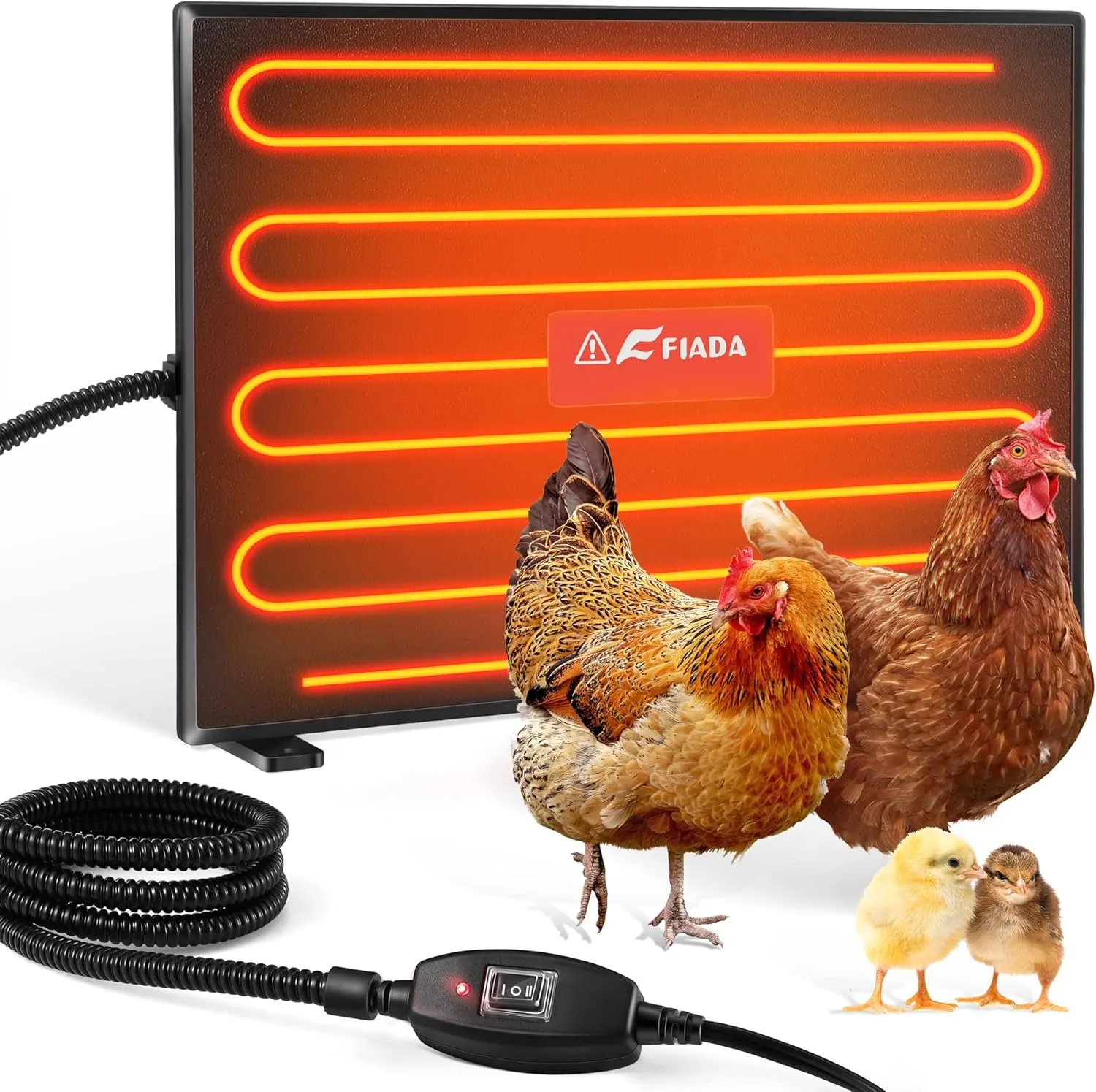
Why Use a Heater for Your Chicken Coop
Keeping your chickens comfortable and healthy during the winter months is crucial, and a chicken coop heater plays a vital role in achieving this. As temperatures plummet, chickens can suffer from cold stress, which not only impacts their well-being but can also affect egg production. A heater provides a controlled environment, preventing the coop from becoming excessively cold and creating a more stable and comfortable atmosphere for your flock. Understanding the benefits of a heater will help you make informed decisions about your chickens’ care during the colder seasons and ensure they thrive throughout the year. This guide will help you understand the importance of a coop heater and how to use it properly.
Benefits of Heating Your Chicken Coop
There are numerous advantages to heating your chicken coop during winter. First and foremost, it protects your chickens from the harsh effects of cold weather. Chickens are susceptible to frostbite and other cold-related health problems. A heater helps maintain a warmer temperature, preventing these issues. It also creates a more stable environment, reducing stress on your chickens and promoting their overall health and vitality. Heated coops also assist in maintaining a more consistent level of humidity, which is crucial for the well-being of your flock. It keeps the water source unfrozen and ensures the comfort of your chickens.
Protecting Chickens from Cold Stress

Cold stress can significantly impact your chickens’ health. When exposed to freezing temperatures, chickens divert energy to stay warm, which can weaken their immune systems and make them more vulnerable to illness. They may also experience reduced appetite, lethargy, and decreased activity. A chicken coop heater helps mitigate these risks by maintaining a warmer environment. This ensures that your chickens’ bodies do not have to work as hard to regulate their temperature, allowing them to conserve energy and remain healthy. It is vital to keep your chickens safe during the winter by controlling the temperature of the coop with a heater.
Maintaining Egg Production in Winter
Egg production can decline significantly during the winter months due to decreased daylight and cold temperatures. Chickens require a certain amount of light and warmth to maintain their laying cycles. A heater can help maintain a more consistent temperature, which can prevent a drastic drop in egg production. While a heater alone may not guarantee the same level of egg production as during the warmer months, it can certainly help maintain a more consistent output. Supplementing with artificial lighting can further enhance egg-laying capabilities. With these methods, you can ensure a steady supply of fresh eggs throughout the winter.
Selecting the Right Chicken Coop Heater
Choosing the right heater is crucial for ensuring the safety and comfort of your chickens. Several factors need consideration, including the size of your coop, the climate in your area, and your budget. Selecting a heater that is the correct size is crucial to effectively heat the coop without consuming excessive amounts of electricity. In this section, we’ll explore different types of heaters and key considerations to help you make an informed decision.
Types of Chicken Coop Heaters

Different types of heaters are available, each with advantages and disadvantages. Understanding these options will help you select the most suitable heater for your needs. The choice often depends on the size of your coop, your climate, and the safety features you prioritize. Consider your coop’s dimensions and the typical temperatures in your area when deciding which type is most appropriate.
Electric Heaters
Electric heaters are a popular choice due to their ease of use and availability. These heaters come in various forms, including ceramic, oil-filled, and radiant heaters. Electric heaters are generally safe and provide consistent heat. Look for models with safety features like automatic shut-off, tip-over protection, and a thermostat to control the temperature. Ensure the heater is specifically designed for use in coops and is weatherproof. Remember that electric heaters can increase your energy bill.
Oil-Filled Heaters
Oil-filled heaters are another option that provides a steady, gentle heat. They are generally considered safer than other electric heaters because they don’t have exposed heating elements. These heaters warm the oil inside, which then radiates heat into the coop. Oil-filled heaters are efficient at maintaining consistent temperatures and are less likely to dry out the air. They are also relatively quiet. Be sure to place the heater in a location where it cannot be tipped over and away from any flammable materials.
Ceramic Heaters

Ceramic heaters use ceramic heating elements to quickly warm the air. They are typically compact and can heat a coop efficiently. Many ceramic heaters have built-in safety features such as overheat protection and automatic shut-off. Ensure the heater is placed securely to prevent it from being knocked over, and consider a model with a fan to distribute heat more evenly. Always follow the manufacturer’s safety guidelines and regularly inspect the heater for any signs of damage.
Considerations for Heater Size and Power
Choosing the right size and power (measured in watts) of the heater is essential. A heater that is too small will not be able to effectively heat the coop, while one that is too large may overheat the coop and waste energy. Consider the square footage of your coop and the typical winter temperatures in your area when selecting the heater’s wattage. Consult the manufacturer’s recommendations and read reviews to ensure the heater is suitable for your needs. Also, consider the insulation of your coop, as better insulation will reduce the amount of heat required to maintain a comfortable temperature.
Chicken Coop Heater Safety Precautions
Safety is paramount when using a heater in your chicken coop. Improper use can lead to fire hazards and other risks. Taking necessary precautions will ensure the safety of your chickens and your property. It is important to regularly inspect the heater and the coop environment to identify and address any potential hazards. Proper safety measures are critical for keeping your flock safe and protected during the colder months.
Preventing Fire Hazards

One of the most significant risks associated with using heaters is the potential for fire. Keep the heater away from flammable materials such as bedding, straw, and wood shavings. Make sure the heater is placed on a stable, non-flammable surface. Choose heaters that have safety features such as automatic shut-off, which will turn off the heater if it overheats or tips over. Regularly inspect the heater’s cord and plug for damage and replace them if necessary. Consider using a metal enclosure or guard around the heater to prevent chickens from getting too close.
Proper Ventilation
While heating your coop is essential, ensuring adequate ventilation is equally important. Proper ventilation helps to remove moisture and ammonia buildup, which can be detrimental to your chickens’ respiratory health. Ensure there are vents or openings in your coop to allow for air circulation. However, make sure these vents are positioned to prevent drafts directly on the chickens. Balance heating and ventilation to maintain a comfortable and healthy environment. Combining heat with ventilation will help prevent the build-up of moisture and keep your coop from becoming too humid.
Heater Placement and Protection
The placement of your heater is crucial for both safety and effectiveness. Place the heater away from flammable materials and ensure it is on a stable surface. Avoid placing it where chickens can easily knock it over or come into direct contact with the heating element. Consider using a protective cage or enclosure around the heater to prevent accidental burns. Regularly check the heater’s cord for damage and ensure it is plugged into a grounded outlet. Monitor the coop temperature to ensure it is not overheating.
Installing and Using a Chicken Coop Heater

Proper installation and usage of a chicken coop heater will ensure its effectiveness and safety. It is essential to follow the manufacturer’s instructions closely during installation. Correct placement, setting, and regular monitoring are crucial steps in the safe and efficient use of a chicken coop heater. Take all the appropriate steps to create a warm and healthy environment for your chickens. Below are the essential steps.
Step-by-Step Installation Guide
Before installing, read the manufacturer’s instructions carefully. Choose a safe location for the heater, away from flammable materials and where chickens cannot easily access it. Securely mount the heater according to the manufacturer’s recommendations. Ensure the heater’s cord is properly connected to a grounded outlet. Consider using a timer to control the heater’s operation, setting it to turn on and off at specific times. If you are unsure about any part of the installation process, consult a qualified electrician or the manufacturer’s customer support.
Setting Up and Controlling the Heater
Once installed, set the thermostat to the desired temperature, considering the breed of chickens and the climate in your area. Monitor the coop temperature regularly using a thermometer, making adjustments as needed. Use a timer to control the heater’s operating schedule, conserving energy, and ensuring the coop is heated only when necessary. Familiarize yourself with all the controls and safety features of your heater. Adjust the settings according to the weather and the needs of your chickens.
Monitoring Temperature and Humidity

Regular monitoring of the coop’s temperature and humidity is vital. Use a reliable thermometer and hygrometer to track the conditions inside the coop. The ideal temperature for most chickens is between 40°F and 70°F (4°C and 21°C), but this can vary depending on the breed and their acclimatization. Keep an eye on the humidity levels, as high humidity can lead to health problems. Adjust the heater settings and ventilation as needed to maintain the ideal environment for your chickens. Regular monitoring helps ensure your chickens’ comfort and health.
Troubleshooting Common Issues
Even with careful planning and installation, you may encounter some issues with your chicken coop heater. Understanding these common problems and how to address them can help you maintain a comfortable and safe environment for your chickens. Below are some of the most common problems and solutions.
Heater Not Working
If your heater is not working, start by checking the power supply to ensure it’s plugged in and the circuit breaker hasn’t tripped. Check the heater’s settings and thermostat to make sure they are correctly set. If the heater still doesn’t work, inspect the power cord for damage. Consult the manufacturer’s troubleshooting guide or contact customer support for further assistance. Sometimes, a simple fix can resolve the problem.
Coop Too Cold or Too Hot

If your coop is too cold, adjust the thermostat to a higher setting or consider a more powerful heater. Ensure that the coop is well-insulated to prevent heat loss. If the coop is too hot, lower the thermostat setting and improve ventilation. Monitor the temperature regularly and make adjustments as needed to keep the coop at a comfortable level. Proper insulation and ventilation are key to maintaining a consistent temperature.
High Electricity Bills
High electricity bills can be a concern with electric heaters. Use a timer to control the heater’s operation, turning it on only when necessary. Ensure your coop is well-insulated to minimize heat loss. Consider using a more energy-efficient heater model or exploring alternative heating methods if electricity costs are a major concern. Regularly evaluate your energy consumption and look for ways to reduce costs while still keeping your chickens comfortable.
Maintaining Your Chicken Coop Heater
Regular maintenance is essential to ensure your chicken coop heater operates safely and efficiently. This will help extend the life of the heater and prevent potential problems. Take time to regularly inspect and maintain your heater, and you’ll ensure it’s always ready to protect your chickens during the cold months.
Regular Cleaning and Inspection
Regular cleaning and inspection are crucial for the safe and efficient operation of your chicken coop heater. Unplug the heater and allow it to cool completely before cleaning. Remove any dust, debris, or cobwebs that may have accumulated on the heating elements or vents. Inspect the heater for any signs of damage, such as frayed cords or cracks. Wipe down the exterior of the heater with a damp cloth to remove any dirt or grime. Regularly cleaning and inspecting your heater will ensure it functions properly and remains safe for your flock.
Checking for Damage and Wear
Inspect the heater regularly for any signs of damage or wear. Check the power cord and plug for any fraying or damage and replace them if necessary. Examine the heating elements for any signs of corrosion or damage. Ensure the thermostat and other controls are working correctly. Check the safety features, such as the automatic shut-off function, to ensure they are functioning. Addressing any damage or wear promptly will prevent potential hazards and ensure the heater operates safely. Replace any worn or damaged parts immediately.
In conclusion, a chicken coop heater is a valuable tool for protecting your chickens from the harsh effects of winter. By selecting the right heater, following safety precautions, and performing regular maintenance, you can ensure that your chickens remain healthy and productive throughout the colder months. Remember to prioritize safety and choose a heater suitable for your specific needs. Your efforts in providing a warm and comfortable environment will be well rewarded by a happy and healthy flock. Keep your chickens safe and cozy this winter by taking the necessary precautions and following this guide.