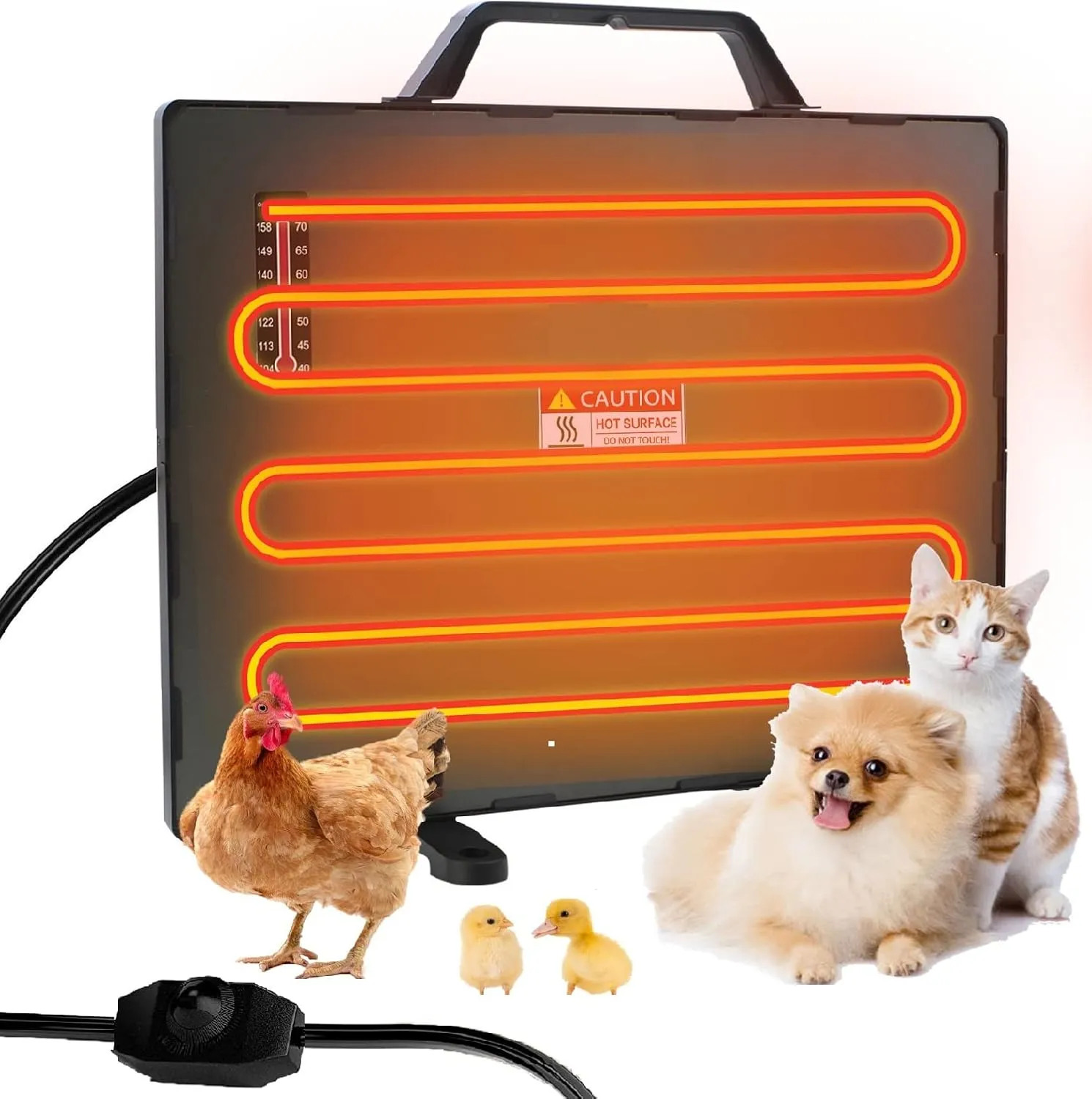
Why You Need Chicken Coop Heaters
Keeping your chickens comfortable and healthy during the winter months is a crucial aspect of responsible poultry keeping. Chicken coop heaters play a vital role in maintaining a stable and safe environment for your flock. While chickens are naturally quite resilient to cold, extreme temperatures can lead to a variety of health issues and a decline in egg production. Understanding the importance of coop heating is the first step in ensuring your chickens thrive throughout the year. Without proper temperature regulation, your chickens may suffer from frostbite, respiratory illnesses, and increased stress levels, all of which can significantly impact their well-being and productivity.
Understanding the Benefits of Coop Heating
The benefits of incorporating a heater in your chicken coop extend far beyond just keeping your birds warm. Coop heating contributes significantly to your chickens’ overall health, egg-laying capabilities, and general happiness. A heated coop provides a consistent temperature, preventing the drastic fluctuations that can stress chickens. This stable environment minimizes the risk of cold-related illnesses, such as frostbite on combs and wattles, and respiratory infections. Additionally, a warm coop encourages chickens to remain active and continue laying eggs, even when temperatures drop. With a heated coop, you’ll enjoy a more productive flock, especially during the colder months, leading to a healthier and happier environment for your chickens.
Protecting Your Chickens’ Health

One of the most significant benefits of a chicken coop heater is the protection it offers against cold-related health issues. Frostbite, caused by prolonged exposure to freezing temperatures, can damage the combs, wattles, and feet of chickens. Respiratory illnesses, such as colds and bronchitis, are more common in cold and damp environments. A heater maintains a comfortable temperature, reducing the likelihood of these health problems. Furthermore, a heated coop helps to prevent the build-up of moisture, which can exacerbate respiratory issues. Regular monitoring of the coop’s temperature and humidity levels is essential for maintaining optimal health conditions, ensuring your flock stays healthy and active all winter long.
Maximizing Egg Production in Winter
Egg production in chickens is heavily influenced by environmental factors, particularly temperature and light exposure. As temperatures drop and daylight hours decrease during winter, egg production naturally declines. However, a heated coop can mitigate this effect by creating a warmer environment that encourages hens to continue laying. While heaters alone won’t guarantee consistent egg production, they help maintain a temperature range that allows hens to remain active and productive. Supplementing with artificial lighting can further boost egg-laying. Providing your chickens with a comfortable, warm, and well-lit coop is key to maximizing egg production throughout the colder months, ensuring a steady supply of fresh eggs.
Types of Chicken Coop Heaters
Choosing the right type of chicken coop heater is essential for creating a safe and effective heating solution. Several types of heaters are available, each with its own unique features, benefits, and drawbacks. Factors like the size of your coop, the climate in your area, and your personal preferences will influence which type is best for your flock. The most common types of chicken coop heaters include electric space heaters, infrared heaters, and heated lamps. Understanding the specifics of each type will help you make an informed decision that prioritizes the safety and well-being of your chickens.
Electric Space Heaters

Electric space heaters are a popular choice for chicken coops due to their ease of use and relatively consistent heat distribution. These heaters typically come with a built-in thermostat, allowing you to control the temperature inside the coop. They are available in various sizes and designs, including fan-forced and ceramic models. Fan-forced heaters distribute heat more quickly and evenly throughout the coop, while ceramic heaters offer a safer option with a lower risk of fire. Ensure the heater has safety features, such as tip-over shut-off and overheat protection, to minimize potential hazards. When using electric space heaters, proper placement and regular inspection are crucial to maintaining a safe environment for your chickens.
Pros and Cons of Electric Heaters
Electric space heaters offer several advantages. They are generally easy to install and operate, providing a straightforward heating solution for chicken coops. The thermostat control allows for precise temperature regulation, ensuring the coop maintains a comfortable environment for the chickens. However, electric heaters also have drawbacks. They can be more expensive to operate due to electricity costs, and their use may be limited during power outages. It’s important to choose a heater designed for outdoor or coop use and regularly check for safety concerns, such as frayed wires or overheating. While electric heaters offer convenience and temperature control, be mindful of their energy consumption and potential safety risks to ensure your coop stays warm and secure.
Infrared Heaters
Infrared heaters are another effective option for heating chicken coops. Unlike space heaters, infrared heaters don’t heat the air directly, but instead, they emit infrared radiation that warms objects and surfaces within the coop. This can be particularly beneficial in coops with drafts, as the heat is less affected by air movement. Infrared heaters come in various forms, including panel and bulb-style heaters. They are often considered energy-efficient because they provide direct heat to the chickens, minimizing wasted energy. When selecting an infrared heater, look for models specifically designed for chicken coops, with features like durable construction and safety guards to prevent contact with the heating element.
Advantages and Disadvantages of Infrared

Infrared heaters provide several benefits, including energy efficiency and focused heating. They warm the chickens directly, which can be more effective in drafty coops. However, they also have potential drawbacks. The heat produced by infrared heaters may not be evenly distributed throughout the coop, potentially creating hot spots or cold areas. Furthermore, it’s crucial to position the heater correctly to avoid overheating or burning the chickens. It is essential to ensure the heater has adequate safety features, such as a protective guard, to prevent accidental contact. Carefully consider the layout of your coop and your chickens’ needs when deciding if an infrared heater is the right choice.
Heated Lamps
Heated lamps, also known as heat lamps, are a common and relatively inexpensive heating solution for chicken coops. These lamps typically use a ceramic or infrared bulb that emits heat. They are simple to install and can be a practical choice for smaller coops or supplemental heating. However, heat lamps can present some safety concerns, particularly the risk of fire if the bulb breaks or makes contact with flammable materials. It’s essential to use a heat lamp designed for coop use, with a durable cage or guard to protect the bulb. Regular inspection of the lamp and its wiring is crucial to ensure safe operation. Always place the lamp at a safe distance from bedding and other materials to prevent fire hazards.
Benefits and Drawbacks of Heat Lamps
Heat lamps are affordable and easy to install, making them an accessible option for many chicken keepers. They provide concentrated heat, which can be beneficial in small areas. However, they also come with potential risks. The most significant concern is fire hazard due to the heat generated by the bulb. The lamps can also create uneven heating, and if the bulb burns out, the chickens may be left without heat. When using heat lamps, it’s crucial to prioritize safety. Use a sturdy, properly installed lamp with a safety guard, and regularly inspect the wiring and bulb for any signs of damage or wear. Always keep a close eye on the lamp’s proximity to flammable materials to minimize the risk of fire.
Choosing the Right Heater for Your Coop

Selecting the most suitable chicken coop heater involves considering several factors to ensure you choose the right option for your specific needs. The size and insulation of your coop, the climate in your area, and the safety features of the heater are all essential elements to evaluate. Taking these factors into account will help you make an informed decision that prioritizes the health and comfort of your chickens. Proper planning and research will contribute to creating a safe and efficient heating system. This ensures that your flock remains warm and productive throughout the winter months, regardless of the weather conditions outside.
Coop Size and Insulation
The size of your chicken coop plays a significant role in determining the type and capacity of heater you’ll need. A larger coop requires a more powerful heater to maintain a consistent temperature. Proper insulation is another critical factor. A well-insulated coop will retain heat more efficiently, reducing energy costs and the strain on your heater. Check for any gaps or drafts, and seal them before the winter season arrives. Adding insulation to the walls, roof, and floor of your coop can significantly improve its heating efficiency. By considering the size of your coop and the level of insulation, you can choose a heater that provides the necessary warmth without wasting energy.
Climate and Weather Conditions
The climate in your area is a major consideration when choosing a chicken coop heater. If you live in a region with harsh winters, you’ll need a more robust heating system than someone in a milder climate. Pay attention to the average low temperatures, wind chill factors, and the duration of cold spells in your area. In extremely cold climates, you may need a heater with a higher wattage or a combination of heating solutions to keep your chickens comfortable. Be prepared to adjust the heater’s settings based on the weather conditions. Consider also the potential for power outages and have a backup plan in place, such as a generator or alternative heat source, to ensure your chickens stay warm during emergencies.
Safety Features to Consider

Prioritizing safety is essential when selecting a chicken coop heater. Look for heaters with safety features that minimize potential hazards. Features such as automatic shut-off in case of overheating or tipping can prevent fires. A sturdy construction and durable materials are also essential for safe operation. Select heaters with a protective cage around the heating element, particularly for heat lamps, to prevent direct contact with the bulb and reduce fire risk. Choose a heater that is specifically designed for coop use and has been tested and certified for safety. Ensure that all wiring is properly insulated and protected from the elements and potential damage. Careful attention to safety features is key to ensuring the well-being of your chickens and the safety of your property.
Thermostat Controls and Automatic Shut-Offs
Thermostats are a valuable feature for chicken coop heaters, allowing you to maintain a consistent and optimal temperature. Choose a heater with an adjustable thermostat to set and maintain the desired warmth inside the coop. This feature prevents overheating and ensures your chickens don’t become too hot. Automatic shut-off mechanisms provide an additional layer of safety. These systems turn off the heater if it overheats or tips over, minimizing the risk of fire and ensuring the safety of your flock. A reliable thermostat, paired with automatic shut-off capabilities, offers an effective and safe heating solution for your coop, offering both convenience and peace of mind.
Heater Placement and Installation
Proper heater placement and installation are just as important as choosing the right type of heater. Correct positioning ensures the heat is distributed evenly and safely throughout the coop. Following these guidelines will help you create a secure and effective heating system for your chickens. Careful attention to installation details can prevent accidents and maximize the efficiency of your heater. Proper installation will ensure your coop is safe and your chickens are comfortable during the winter months.
Best Practices for Placement

Careful placement of your chicken coop heater is crucial for safety and efficient heat distribution. Avoid placing the heater where chickens can directly come into contact with it to prevent burns. Keep the heater away from flammable materials, such as bedding and nesting materials. Place the heater in a location that allows for good air circulation. For space heaters, ensure they have sufficient clearance from walls and other objects. For heat lamps, position them above the chickens and protect them with a sturdy cage. Regularly monitor the area around the heater to check for any signs of overheating or damage. Consistent monitoring and careful placement contribute to a safe and warm environment for your chickens.
Safety Guidelines for Installation
Adhering to safety guidelines during installation is critical to prevent accidents and ensure your chickens’ safety. Always follow the manufacturer’s instructions for installing your chosen heater. Ensure that all electrical connections are properly grounded and protected from moisture. Use a dedicated electrical circuit for the heater to avoid overloading the system. Regularly inspect the wiring for damage or wear. If using a heat lamp, ensure it’s securely mounted and shielded with a protective cage. It’s also important to install a fire extinguisher near the coop. Before the cold season, test your heating system to ensure it’s functioning correctly. By adhering to these safety guidelines, you can minimize the risk of fire and other hazards, providing a secure environment for your flock.
Maintaining Your Chicken Coop Heater
Regular maintenance of your chicken coop heater is essential for ensuring its longevity and safe operation. Consistent upkeep will help prevent malfunctions, reduce the risk of accidents, and keep your chickens comfortable. Cleaning and inspection should be regular parts of your routine to provide a reliable and effective heating system. By dedicating time to maintain your heater, you’ll ensure it functions properly for years to come, protecting your chickens from the harsh winter weather.
Regular Cleaning and Inspection

Regular cleaning and inspection of your chicken coop heater are critical to ensure its safe and efficient operation. Dust, debris, and cobwebs can accumulate on the heating element, reducing its effectiveness and posing a fire hazard. Turn off the heater and allow it to cool completely before cleaning. Use a soft brush or vacuum to remove dust and debris from the heating element and surrounding areas. Inspect the wiring for any signs of damage or wear. Check all electrical connections to ensure they are secure. Regularly clean the exterior of the heater, removing any dirt or grime. By implementing a regular cleaning and inspection schedule, you can prevent potential hazards and keep your heating system functioning effectively.
Troubleshooting Common Issues
Understanding how to troubleshoot common issues can help you address problems with your chicken coop heater promptly and effectively. If the heater isn’t working, first check the power supply and ensure the circuit breaker hasn’t tripped. If the thermostat is not working correctly, try adjusting the setting or replacing the thermostat. For space heaters, check for blockages in the fan. If your heat lamp bulb burns out, replace it with the correct wattage and type. If you notice a strange odor, unplug the heater immediately and inspect it for any signs of damage or burning. If you’re unsure about any repairs, consult a qualified electrician. By troubleshooting common issues, you can ensure the heater functions safely and efficiently, maintaining a warm and comfortable environment for your chickens.
Top Chicken Coop Heater Recommendations
Choosing the right chicken coop heater can be overwhelming, with many options available. When deciding on a heater, it is important to consider the size of your coop, the local climate, and your budget. Reading reviews of popular models and seeking advice from experienced chicken keepers can provide valuable insights. Consider the safety features, energy efficiency, and ease of use. The best heater depends on your specific needs and priorities, but researching the top-rated and recommended options can help you make a well-informed decision. Here are some of the best chicken coop heater recommendations available to help guide your decision.
Reviews of Popular Heater Models
Before purchasing a chicken coop heater, it’s important to read reviews of popular models. This will give you insight into the experiences of other chicken keepers. Look for reviews on websites, forums, and social media groups. Pay attention to the pros and cons mentioned by reviewers. Consider the heater’s performance in different weather conditions, its durability, and its ease of use. Check for feedback on the heater’s safety features, such as automatic shut-off and protective cages. Reviews can provide valuable information on the heater’s reliability and energy efficiency. By reading reviews, you’ll be able to assess which model best suits your needs, allowing you to make a well-informed decision and avoid potential pitfalls.
Reader Recommendations and Experiences
Seeking reader recommendations and learning from the experiences of other chicken keepers can be a valuable resource when choosing a chicken coop heater. Connect with other poultry enthusiasts through online forums, social media groups, and local chicken-keeping clubs. Ask for their recommendations on brands and models. Inquire about the heaters’ performance in various climates and conditions. Learn about common issues and how to troubleshoot them. Real-world experiences can provide insights into the heater’s reliability, ease of use, and long-term performance. Hearing from those who have hands-on experience can help you make an informed decision. Taking the time to consult with others can save you time, money, and potential headaches, and will help you select a heater that meets your needs.