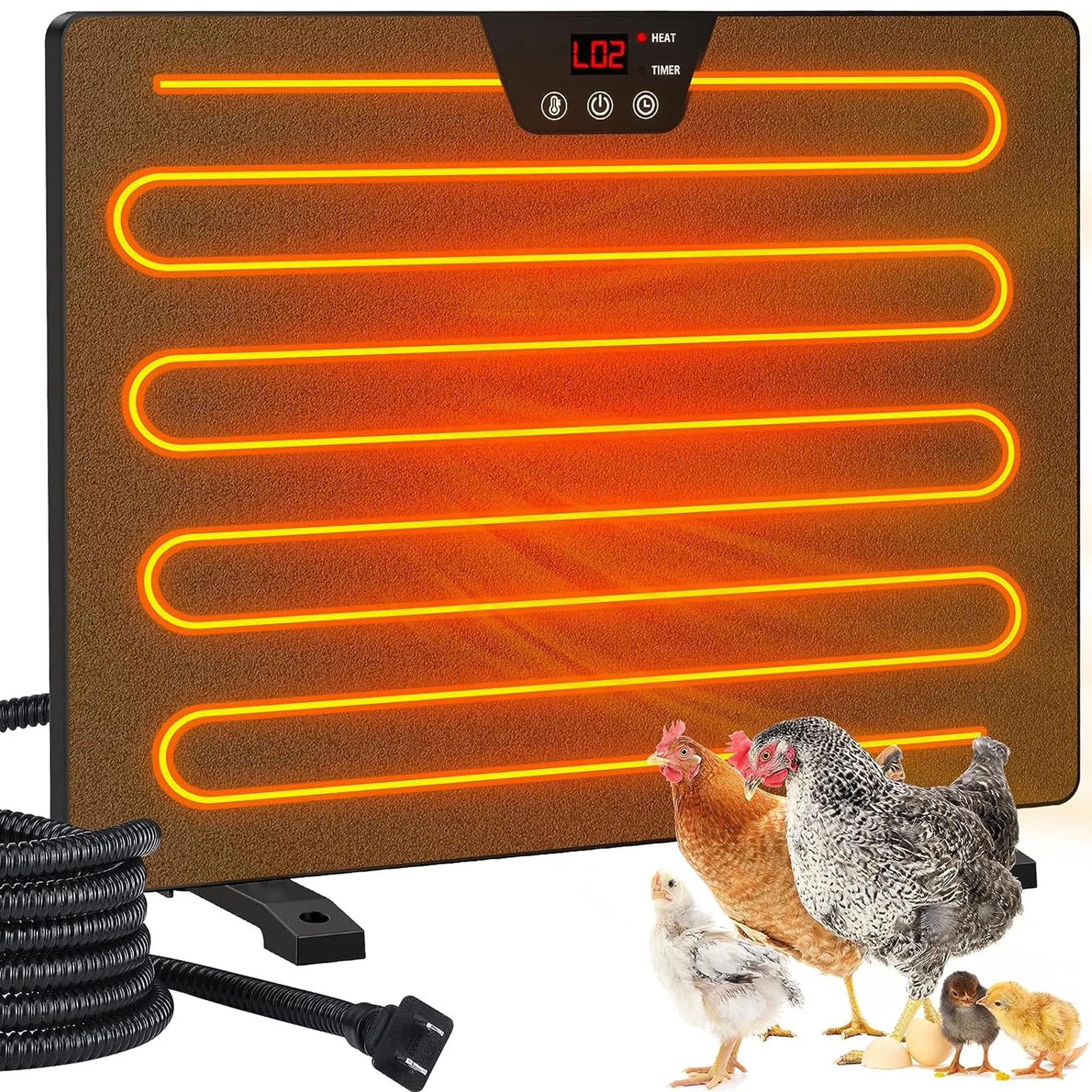
Chicken Coop Heaters Top 5 Must-Know Facts
As the winter chill descends, ensuring your chickens’ comfort and safety becomes paramount. Chicken coop heaters offer a way to provide a warmer environment for your flock, but understanding their proper use is crucial. This guide dives into the top 5 must-know facts about chicken coop heaters, covering everything from heater types and safety considerations to energy efficiency and maintenance. Protecting your chickens from the harsh elements is a responsible part of chicken keeping, and the right information will help you make informed decisions about your coop’s heating needs. Proper planning and knowledge ensures a healthy and happy flock throughout the colder months.
Why Chicken Coop Heaters Are Important
Chickens, while resilient, are susceptible to the cold. Their health and productivity can be severely impacted by prolonged exposure to freezing temperatures. Providing supplemental heat can be a wise decision, especially in regions with harsh winters. Understanding why chicken coop heaters are important is the first step towards making informed decisions about your flock’s winter well-being. The benefits extend beyond mere comfort; they contribute to the overall health, egg-laying capabilities, and survival of your chickens. Proper care and use of chicken coop heaters are important for backyard chicken owners.
How Chickens Handle Cold Weather

Chickens are equipped with natural adaptations to handle cold weather. They have feathers for insulation, and they can fluff up their feathers to trap warm air close to their bodies. Additionally, they can huddle together for warmth. However, these natural defenses have limits. Very low temperatures, drafts, and damp conditions can overwhelm a chicken’s ability to stay warm. Providing supplemental heat can be necessary to maintain their health and well-being during periods of extreme cold. The breed of your chicken also plays a factor, with some breeds being more cold-hardy than others.
Risks of Extreme Cold
Prolonged exposure to freezing temperatures can lead to several health issues for chickens. Frostbite is a common risk, particularly on combs, wattles, and feet. Frostbite can be painful and, in severe cases, can lead to tissue damage and even amputation. Furthermore, cold stress can weaken a chicken’s immune system, making them more susceptible to diseases. Egg production often decreases or ceases entirely during the coldest months. In extreme cases, chickens can succumb to hypothermia. Therefore, recognizing the risks of extreme cold is a crucial part of chicken coop management, and using a chicken coop heater can alleviate these risks.
Types of Chicken Coop Heaters
Several types of chicken coop heaters are available, each with its advantages and disadvantages. Understanding the different types is essential for selecting the best option for your coop and your chickens’ needs. Factors to consider include safety, energy efficiency, and the size of your coop. The goal is to find a heating solution that provides adequate warmth without creating hazards or significantly increasing energy costs. Careful evaluation of each type will guide you to the most appropriate choice. Consider these types of chicken coop heaters for your flock.
Electric Heaters

Electric heaters are a common choice for chicken coops. They come in various forms, including ceramic heaters, panel heaters, and radiant heaters. These heaters generally use electricity to warm a heating element, which then radiates heat into the coop. Electric heaters are often easy to find and relatively affordable. They are great for small to medium sized coops. Many models come with adjustable thermostats, allowing you to regulate the temperature to maintain a consistent and comfortable environment for your chickens. The specific type of electric heater, wattage, and features will vary.
Pros and Cons of Electric Heaters
Electric heaters offer several advantages. They are generally easy to operate and install. Many models have built-in safety features like automatic shut-off in case of tipping or overheating. Electric heaters are also relatively quiet. However, they also have potential drawbacks. They can be energy-intensive, leading to higher electricity bills. They pose a fire risk if not used correctly and must be kept away from flammable materials. The effectiveness of an electric heater can also be affected by the size of the coop and the level of insulation. Choosing an appropriate heater, and maintaining it well, is an important step in its use.
Infrared Heaters
Infrared heaters provide heat through infrared radiation, which directly warms objects rather than the air. These heaters are often a good choice for chicken coops because they provide focused warmth. They are often mounted overhead and direct heat downward, warming the chickens directly, without significantly heating the entire coop. Infrared heaters are very efficient, and their energy consumption is lower. They can be a good option for coop owners who want an effective and energy-efficient heating solution. Consider the size of your coop when selecting the right wattage and type of infrared heater.
Pros and Cons of Infrared Heaters

Infrared heaters offer several benefits. They are energy-efficient, heating objects directly and reducing wasted energy. The focused heat they provide can keep chickens warm even if the overall coop temperature is lower. They also tend to be safer than some other types of heaters because they don’t heat the air around them, reducing the risk of fire. Infrared heaters have fewer moving parts. However, they might not be suitable for very large coops, as the heat will be focused on a specific area. The initial cost can be higher than for some other options. It’s important to make sure the heater is rated for outdoor or coop use.
Oil-Filled Heaters
Oil-filled heaters are electric heaters that use oil to retain heat. They have a series of heated fins that provide gentle, consistent warmth. Unlike some other heaters, oil-filled heaters don’t dry out the air and are generally considered safe. These heaters are a good choice for chicken coops, and they provide a more uniform temperature. They are relatively energy-efficient and can be placed directly on the floor. The heated fins create a warm environment for the chickens. As with any heater, it is important to consider the size of your coop and the heater’s wattage.
Pros and Cons of Oil-Filled Heaters
Oil-filled heaters offer a range of benefits. They are known for providing consistent and even heat. They don’t dry out the air, which can be a problem with some other types of heaters. They are also relatively safe, with a low risk of fire if used correctly. The external surface of the heater is not extremely hot. However, they can take longer to heat up than other types of heaters. They can be less efficient than infrared heaters. The price of these heaters is generally affordable. Review the pros and cons to decide if this heater is the right choice for your needs.
Safety Considerations for Chicken Coop Heaters

Safety should be the top priority when using any type of chicken coop heater. Proper safety measures are essential to protect your chickens and prevent potential hazards. Carefully review and implement all safety guidelines from the manufacturer. By prioritizing safety, you can provide a warm environment for your chickens without putting them at risk. Careful planning and consistent safety practices are important. Failure to address safety concerns can lead to dangerous situations. Here are some factors to consider before installing a chicken coop heater.
Preventing Fires
Fire prevention is critical. Always keep heaters away from flammable materials such as bedding, straw, wood shavings, and nesting materials. Ensure that the heater is placed on a non-flammable surface and is not blocked by anything that could restrict airflow. Regularly inspect the heater and its power cord for any signs of damage. Use heaters specifically designed for outdoor or coop use, as they are built to withstand the environment. If your heater has a thermostat, make sure it is properly functioning and is not overheating. Proper maintenance is very important for ensuring safety.
Ventilation and Airflow
Adequate ventilation is essential when using a chicken coop heater. While the goal is to keep the coop warm, proper airflow is crucial to prevent the buildup of moisture, ammonia, and other harmful gases. Ensure that your coop has adequate ventilation, such as vents located near the roofline, to allow for air circulation. Good ventilation will help to maintain air quality and reduce the risk of respiratory problems in your chickens. Ensure that ventilation doesn’t create drafts that would make the chickens feel colder. By balancing heat and ventilation, you create a healthy environment.
Placement of Heaters

Careful placement of your chicken coop heater is essential for both safety and effectiveness. Place heaters on a level, stable surface, away from any flammable materials. Keep them out of reach of chickens to prevent accidental contact. Avoid placing heaters directly on the floor, especially if using bedding, as this could create a fire hazard. If using an infrared heater, ensure it is mounted securely and positioned to direct heat downward, avoiding areas where chickens can easily roost. Ensure all cords are safely secured and protected from being chewed by chickens or damaged by the elements. Choosing the right location will maximize the heat and minimize any danger.
Energy Efficiency and Cost
Energy efficiency is an important consideration when choosing a chicken coop heater. Heating a coop can significantly increase your electricity bill, so it is wise to select a heater that balances heat output with energy consumption. There are many factors to consider, from the wattage of the heater to the level of insulation in your coop. The goal is to create a warm environment while minimizing operating costs. Research and planning can make sure that you are choosing an economical option. Here are some factors you will want to consider.
Calculating Heating Needs
Determine the appropriate size heater for your coop by calculating your heating needs. Consider factors such as the size of your coop, the climate in your area, and the level of insulation. You can use online calculators or consult with a heating expert to determine the correct wattage needed. Overheating your coop will waste energy, while an underpowered heater will not provide sufficient warmth. Accurate calculations will ensure you’re providing enough heat, without excess energy use. Consider the type and the number of chickens in your coop when performing calculations.
Choosing Energy-Efficient Models

Select energy-efficient heaters to reduce operating costs. Look for models with thermostats and adjustable settings, allowing you to regulate the temperature and avoid wasting energy. Consider infrared heaters, which tend to be more energy-efficient than some other types of heaters because they heat objects directly rather than the entire air volume. Ensure that your coop has proper insulation, as this can significantly reduce heat loss and lower your heating bills. By making informed choices, you can balance your chickens’ needs with energy conservation.
Maintaining Your Chicken Coop Heater
Regular maintenance is essential for ensuring the safe and efficient operation of your chicken coop heater. Following a maintenance schedule will prolong the life of your heater and help prevent any potential hazards. Perform regular inspections and cleaning to keep your heater in good condition. A properly maintained heater will also be more energy-efficient and effective. Regular attention can also help prevent any issues. Here’s how to keep your heater operating well.
Regular Inspections
Conduct regular inspections of your chicken coop heater to identify any potential problems. Check the power cord for any damage, such as fraying or cuts. Inspect the heating element for any signs of wear or damage. Make sure the thermostat is functioning correctly and that the heater is turning on and off as needed. Look for any unusual odors or noises that could indicate a problem. Perform inspections at least once a month and before the winter season starts. Addressing any problems early on can prevent serious issues.
Cleaning and Maintenance

Clean your chicken coop heater regularly to remove dust, debris, and any other build-up that could affect its performance. Unplug the heater and allow it to cool completely before cleaning. Use a soft brush or vacuum cleaner to remove dust from the heating element and other components. Wipe down the exterior of the heater with a damp cloth. Refer to the manufacturer’s instructions for specific cleaning recommendations. Proper cleaning and maintenance will ensure your heater operates safely and efficiently. Ensure that the area around the heater is clean and clear of any debris.
Top 5 Must-Know Facts About Chicken Coop Heaters
In conclusion, understanding chicken coop heaters is vital for providing a safe and comfortable environment for your chickens during the winter months. By focusing on the top 5 must-know facts presented here, you can make informed decisions about which heater is best for your needs, how to use it safely, and how to maintain it properly. Remember to prioritize safety, energy efficiency, and regular maintenance to keep your flock happy and healthy throughout the winter. Taking the time to prepare your coop will keep your chickens safe and happy.