Chicken Coop Heating The Basics
Keeping your chickens warm during the winter is crucial for their health, happiness, and egg production. Chicken coop heating isn’t always necessary, as chickens are surprisingly resilient to cold. However, in many climates, providing supplemental heat can make a significant difference, especially during extreme cold snaps. This guide provides essential tips and strategies to help you understand and implement the best heating solutions for your flock. Effective chicken coop heating ensures your birds remain comfortable, productive, and safe from the dangers of prolonged exposure to freezing temperatures. This detailed guide will walk you through everything from understanding your chickens’ needs to selecting and installing the right heating methods.
Understanding Chicken Coop Temperature Needs
Chickens, unlike humans, are well-equipped to handle cold weather, thanks to their feathers and natural insulation. They can often tolerate temperatures well below freezing. However, extreme cold, combined with wind and moisture, can be detrimental to their health. The ideal temperature range for a chicken coop is generally between 40°F and 75°F (4°C to 24°C). While they can withstand colder temperatures, it’s essential to monitor the coop’s environment. Young chicks, in particular, require warmer temperatures, typically around 90-95°F (32-35°C) for the first few weeks, gradually decreasing as they mature. Ensuring the right temperature helps maintain their well-being and egg-laying capabilities during winter months. Careful temperature management is key to preventing frostbite and respiratory illnesses.
How Cold is Too Cold For Chickens

Generally, chickens can withstand temperatures down to 20°F (-7°C) without supplemental heat, especially if they have adequate shelter and are acclimated to the cold. However, the specific breed of chicken plays a significant role in their cold tolerance. Some breeds, like the Wyandotte and Orpington, are more cold-hardy than others, such as the Silkie. Prolonged exposure to temperatures below 20°F can lead to frostbite, especially on combs, wattles, and feet. Signs of frostbite include pale or discolored patches on these areas. Therefore, providing heat becomes critical in regions experiencing extended periods of sub-freezing weather. Monitoring the weather forecast and observing your chickens’ behavior will help you determine when additional heating is necessary.
Signs Your Chickens Are Too Cold
Recognizing the signs that your chickens are too cold is crucial for taking timely action. Chickens will huddle together to conserve heat. Other signs include reduced activity levels, decreased appetite, and a drop in egg production. Watch for pale or discolored combs and wattles, which could indicate frostbite. If you notice these signs, it’s time to assess your coop’s heating situation. Additionally, observe their behavior; if they are lethargic or appear distressed, they may be too cold. Regularly inspecting your chickens and the coop environment will help you identify problems early and ensure the health of your flock. Early intervention is key to preventing serious health issues.
Chicken Coop Heating Methods
Several methods can be employed to heat a chicken coop. The best choice depends on your climate, budget, and the size of your coop. Consider safety, energy efficiency, and ease of use when choosing a method. Electric heaters are a popular option, offering reliable heat but requiring a safe setup. Alternatively, non-electric options provide viable solutions. Proper insulation and ventilation also play crucial roles in maintaining a comfortable environment. By understanding the pros and cons of each method, you can select the most suitable way to keep your chickens warm during the winter months. Careful planning and implementation can help you create a warm and safe haven for your chickens.
Safe Heating Options

Safety should be your top priority when heating a chicken coop. Ensure that any heating device is properly installed and regularly inspected. Avoid using open flames, such as propane heaters, due to the risk of fire and carbon monoxide poisoning. Always use heaters specifically designed for poultry houses. Make sure heaters are placed away from flammable materials like bedding and are out of reach of chickens. Install a fire extinguisher nearby and check it regularly. Consider using a thermostat to regulate the temperature and prevent overheating. Regular inspection and maintenance are essential to ensure that your heating system operates safely and efficiently. Safety should be a key part of your heating strategy for your flock.
Electric Coop Heaters
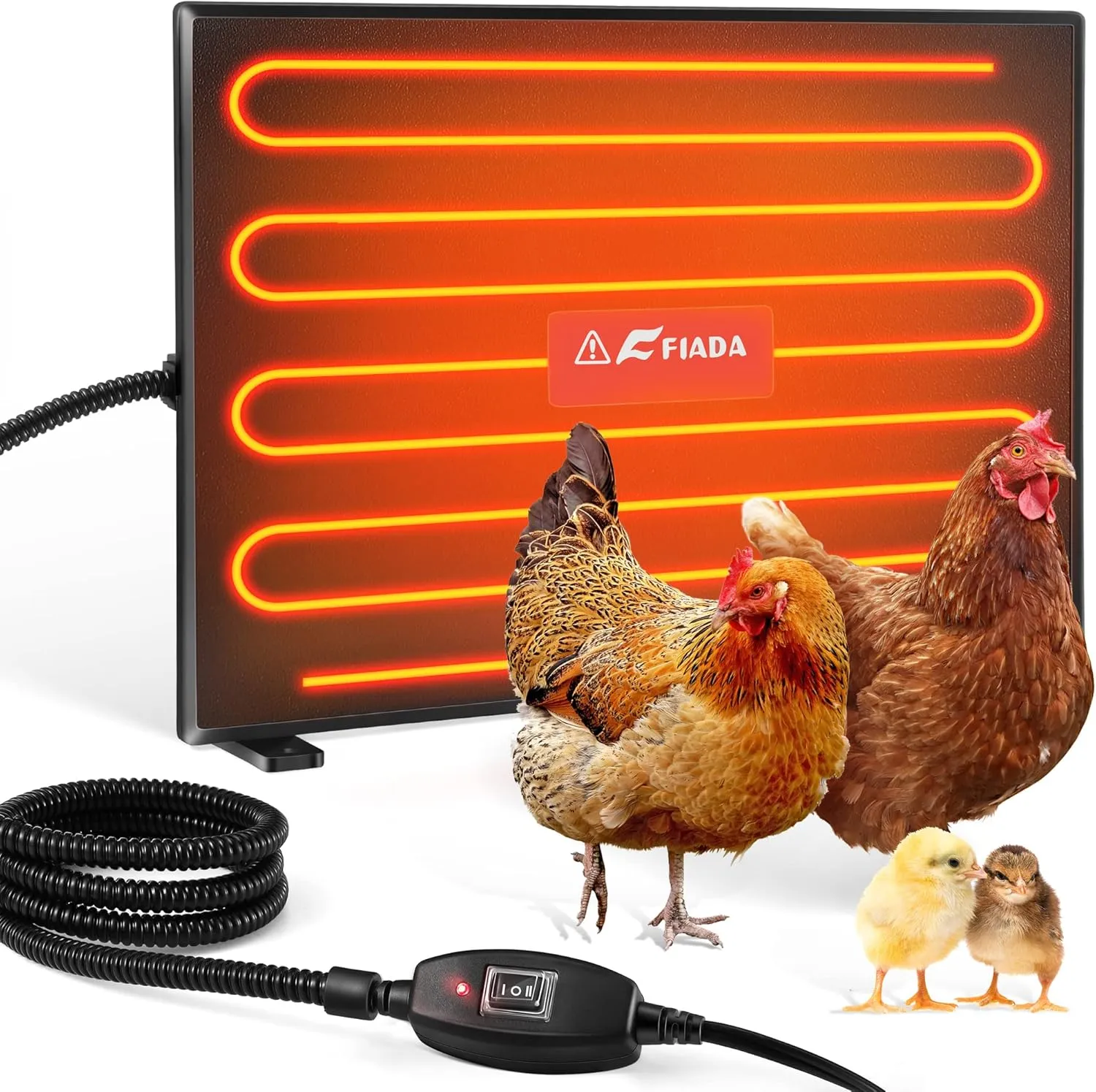
Electric heaters are a common and effective way to heat a chicken coop. There are several types available, including panel heaters, ceramic heaters, and infrared heat lamps. Panel heaters are generally safer as they provide gentle, consistent heat and are less of a fire hazard. Ceramic heaters also offer a good balance of safety and efficiency. Infrared heat lamps can be used to provide targeted heat but should be used with caution, as they can be a fire hazard if not properly installed or maintained. When using any electric heater, ensure it is UL-listed for safety and installed according to the manufacturer’s instructions. Always use a grounded electrical outlet and avoid extension cords. Regular inspections of the electrical components and the heater itself are vital to ensure safe operation. Consider the size of your coop and the heat output of the heater when choosing an electric heater. This will help you determine the best option for your needs.
Heat Lamps Considerations
Heat lamps are a popular but controversial choice for chicken coop heating. They are effective at providing warmth but can pose significant fire risks if not used carefully. Always use a heat lamp with a protective cage to prevent chickens from coming into direct contact with the bulb. Ensure the lamp is securely mounted and placed away from flammable materials like bedding and nesting materials. Monitor the lamp regularly for any signs of damage or malfunction. Use a ceramic heat lamp instead of a traditional incandescent bulb for added safety. Consider the wattage of the bulb and the size of the coop to avoid overheating. Although heat lamps can provide warmth, they require careful attention and monitoring to mitigate potential risks. They are a good option to warm chicks, but for adult chickens, other options might be safer.
Non-Electric Heating Solutions

If you prefer non-electric options, there are several strategies you can use to keep your coop warm. One simple method is to provide extra bedding, such as straw or wood shavings, which helps to insulate the coop. Building a compost bin inside the coop (away from the chickens) can generate heat through decomposition. Another option is to use a deep litter method, where you allow the chicken manure to decompose in the coop, generating heat. This method requires careful management to ensure proper ventilation and to avoid excessive humidity. Reflective materials, such as foil, can be used to reflect heat back into the coop. These non-electric options provide alternative heating solutions, reducing the need for electricity and offering a more natural approach to winter coop management. They require proper planning and implementation to ensure they are safe and effective.
Insulation for Chicken Coops
Insulation is a critical aspect of chicken coop heating and plays a vital role in retaining heat within the coop and preventing drafts. Proper insulation can significantly reduce the amount of energy required to heat the coop and create a more stable temperature environment. It also helps prevent condensation, which can lead to mold and health issues. Good insulation reduces heat loss in winter and heat gain in summer, contributing to overall comfort for your chickens. Adequate insulation improves the efficiency of any heating method and helps maintain a consistent temperature, which is essential for your chickens’ health and productivity. Insulation is a fundamental element of creating a comfortable and energy-efficient coop.
Importance of Coop Insulation
Insulating your chicken coop is crucial for maintaining a stable internal temperature, regardless of the external weather conditions. It reduces heat loss during winter, keeping the coop warmer, and prevents excessive heat gain during summer, keeping it cooler. Insulation also helps control humidity levels, reducing the risk of respiratory problems and other health issues. A well-insulated coop requires less energy to heat, saving you money on electricity bills. Additionally, insulation helps to create a more comfortable environment for your chickens, promoting their overall well-being and egg production. The proper insulation will provide a comfortable environment for your chickens year round, not only during winter months.
Insulation Materials

Various materials can be used for insulating a chicken coop. Common options include fiberglass, foam board, and spray foam. Fiberglass is an affordable option but requires careful installation to prevent moisture buildup. Foam board insulation is easy to install and provides good thermal resistance. Spray foam insulation offers excellent insulation and seals air leaks effectively but can be more expensive. Choose insulation materials that are non-toxic and resistant to moisture and pests. The choice of insulation material will depend on your budget, the construction of your coop, and local climate conditions. Properly installing the insulation material is essential for it to perform effectively. Proper insulation will help you to provide your chickens with a safe and comfortable coop all year round.
Ventilation and Chicken Coop Heating
Ventilation is as important as heating in a chicken coop, often working hand-in-hand. Adequate ventilation helps to remove moisture, ammonia, and other harmful gases that can build up inside the coop. Without proper ventilation, humidity levels can rise, creating an environment conducive to mold growth and respiratory illnesses. Proper ventilation also helps regulate temperature, preventing overheating during summer months and reducing moisture buildup during winter. Balancing heat and ventilation is crucial for maintaining a healthy and comfortable environment for your chickens. It requires careful planning and execution, ensuring optimal air exchange without compromising the coop’s warmth during the winter.
Balancing Heat and Airflow
Balancing heat and airflow in a chicken coop requires a careful approach. You need to ensure that the coop is adequately ventilated to remove moisture and maintain air quality without losing too much heat. Ventilation prevents condensation, which can make the coop damp and cold. Strategically placed vents at the top of the coop, away from the chickens’ roosting areas, allow warm, moist air to escape while preventing drafts. Consider using a ridge vent or soffit vents for optimal airflow. Ensure that the vents are not blocked by nesting boxes or other obstructions. Proper ventilation will maintain a healthy environment, reduce the risk of respiratory problems, and extend the life of your coop.
Ventilation Strategies

Several ventilation strategies can be employed in a chicken coop. Natural ventilation can be achieved through vents placed high in the walls or roof of the coop, allowing warm, moist air to escape. Avoid placing vents directly above roosting bars to prevent drafts. Ensure that the coop has a sufficient number of vents to accommodate its size and the number of chickens. Mechanical ventilation, using fans, can provide more control over airflow, especially in larger coops. Fans should be placed to draw air out of the coop, not to blow directly on the chickens. Regularly inspect and clean ventilation systems to ensure they are functioning effectively. Proper ventilation will enhance the indoor air quality and provide a comfortable environment for the flock.
Water and Chicken Coop Heating
Providing access to fresh, unfrozen water is vital for your chickens’ health, particularly during the winter months. Chickens need water to regulate their body temperature, digest food, and lay eggs. Frozen water can lead to dehydration and decreased egg production. There are several methods to prevent water from freezing in the coop. Using heated water containers or bowls is a practical solution. Regular monitoring and maintenance of water sources are essential. The goal is to ensure your chickens have access to fresh water all day, every day. This is a crucial part of winter chicken care. This ensures that your flock remains healthy and hydrated throughout the cold season.
Preventing Water from Freezing
Several methods can be used to prevent water from freezing in the coop. The most common is using a heated waterer designed for poultry. These waterers have a built-in heating element to keep the water from freezing, even in sub-zero temperatures. You can also use a water heater base, which is a heated platform that keeps the water container from freezing. Regularly check the waterer to ensure it is working correctly and filled. Place the waterer in an area of the coop that is sheltered from drafts. Insulating the water container can also help to slow the freezing process. Whatever method you choose, regular monitoring is essential to make sure the water remains unfrozen. Providing access to fresh water is non-negotiable.
Water Heating Solutions

There are several water heating solutions available for chicken coops. Heated poultry waterers are specifically designed to keep water from freezing and are available in various sizes and styles. Heated bases are another option; they sit under a standard water container and warm the water from below. Consider the size of your flock when choosing a water heating solution. Make sure any electrical components are safe and installed according to the manufacturer’s instructions. Regularly clean and inspect your water heating system to ensure it functions correctly. Having access to fresh, unfrozen water will allow your chickens to maintain their health and energy.
Managing Humidity Levels
High humidity levels in a chicken coop can create several problems, including mold growth, respiratory issues, and frostbite. Proper ventilation is the key to managing humidity. Make sure the coop has adequate ventilation to allow moisture to escape. Ensure that the coop is well-insulated to prevent condensation. Reduce the amount of water that can evaporate inside the coop. Clean up spills promptly and avoid using waterers that are prone to spilling. Avoid overcrowding the coop, which can increase humidity. By proactively managing the humidity levels in the coop, you can help to keep your chickens healthy and comfortable during the winter.
Additional Winter Chicken Coop Tips
In addition to heating and insulation, there are several other things you can do to make your chicken coop winter-ready. Protecting your chickens from drafts, ensuring the coop’s placement is strategic, and providing proper nutrition are all essential. These tips help create a healthier and more comfortable environment for your flock. Winterizing your coop is a comprehensive process that includes many different aspects. Regular maintenance and attention to detail will ensure your chickens thrive throughout the winter months. Following these tips will help you provide a safe and warm environment for your chickens.
Protecting Chickens From Drafts
Drafts can chill chickens quickly, making them susceptible to illness. Thoroughly inspect your coop for any drafts, especially around doors, windows, and vents. Seal any cracks or gaps with caulk or weatherstripping. Ensure the coop door fits snugly and closes properly. Consider adding a windbreak, such as a wooden panel or a thick piece of fabric, in front of the door to minimize drafts. Avoid placing roosting bars directly in the path of drafts. Regularly check for drafts, especially during windy weather. Protecting your chickens from drafts is essential for maintaining their health and comfort throughout the winter months.
Coop Placement and Design
The placement and design of your chicken coop can significantly impact how well it retains heat. Position your coop in a location sheltered from prevailing winds. If possible, place the coop near a building or trees that can provide additional wind protection. Ensure the coop receives adequate sunlight during the day. Consider the orientation of the coop and the placement of windows to maximize solar gain. Design the coop with insulation and ventilation in mind. If you are building a new coop, consider a design that minimizes heat loss, such as a compact shape and a sloped roof. The coop should also provide easy access for maintenance and cleaning. These factors will contribute significantly to maintaining a comfortable environment for your chickens during the winter.
Feeding Chickens in Winter
Chickens require more energy during the winter to stay warm. Provide them with a high-quality feed with a higher protein and fat content. Increase their feed ration slightly to ensure they are getting enough calories. Offer scratch grains in the afternoon; the chickens will digest them overnight, providing warmth. Avoid feeding too many treats, as they can dilute the nutritional value of their diet. Make sure they have access to fresh grit to help them digest their food. Supplementing their diet with vitamins and minerals can also be beneficial. Providing the correct feed will make sure your chickens have enough energy and are properly equipped to stay warm and healthy during the winter.
Chicken Breeds and Cold Tolerance
Different chicken breeds have varying levels of cold tolerance. Some breeds, such as Wyandottes, Orpingtons, and Brahmas, are known for their excellent cold hardiness. These breeds have dense plumage and can withstand colder temperatures. Other breeds, like Silkies and some bantams, are less cold-tolerant. Consider your local climate and choose chicken breeds appropriate for winter. Research the specific needs of your chickens and make adjustments to their care accordingly. Even cold-hardy breeds benefit from a well-insulated and protected coop during extreme weather conditions. By understanding the cold tolerance of your chosen breeds, you can provide them with the best possible care throughout the winter.
Winter Chicken Coop Maintenance Checklist
Create a winter chicken coop maintenance checklist to ensure you cover all the essential tasks. Regularly inspect the coop for drafts and seal any gaps. Check the heating system and waterers. Replace bedding regularly, adding fresh straw or wood shavings. Monitor your chickens for signs of cold stress, such as huddling or pale combs. Ensure proper ventilation and manage humidity levels. Replenish feed and water daily. Inspect and clean the coop. This checklist ensures that all critical elements of your winter care plan are covered. By following this checklist, you can be proactive and help prevent problems before they arise. The maintenance checklist is key to keeping your chickens healthy, happy, and productive during the winter months.