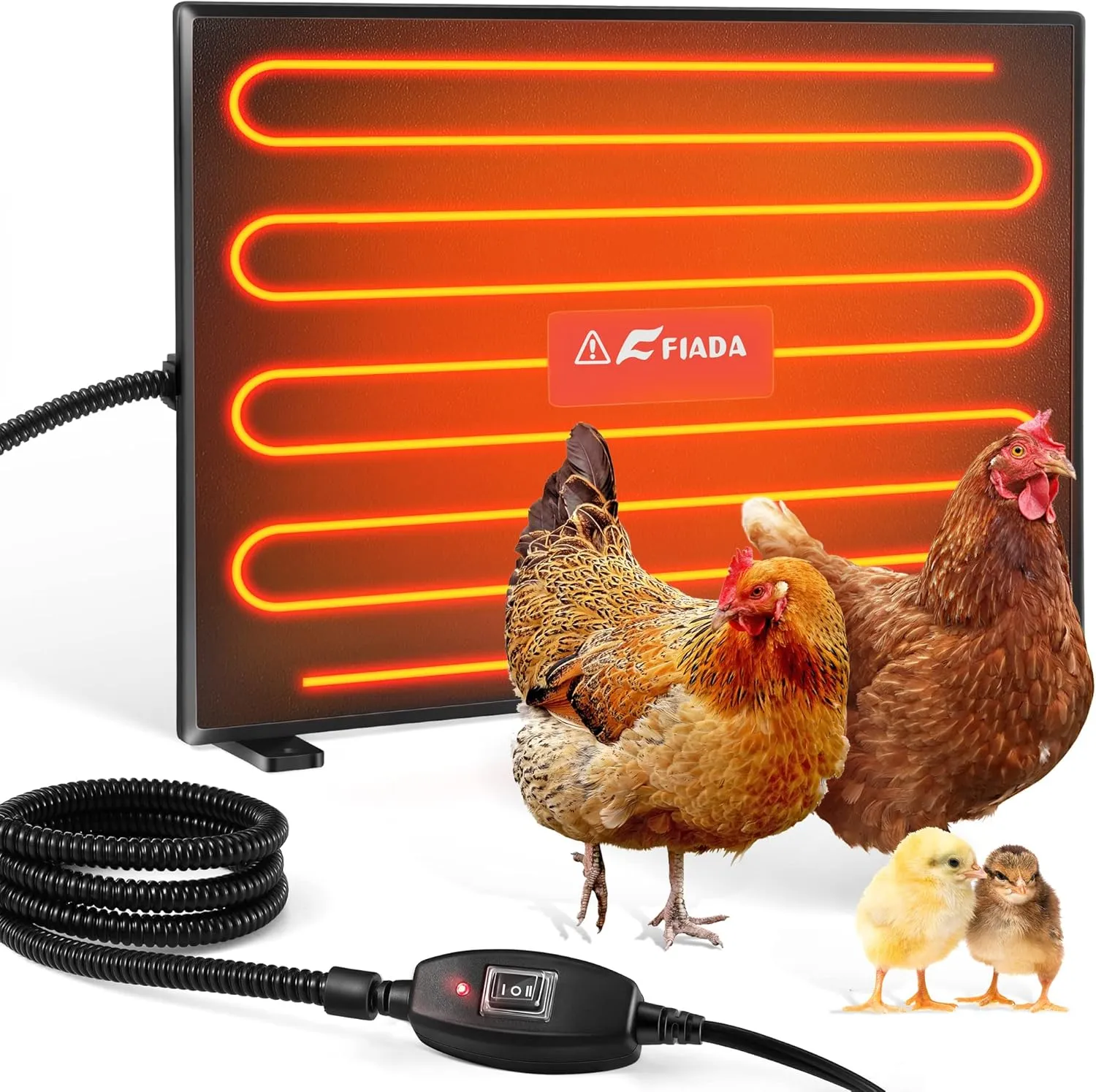
What is Chicken Coop Heating?
Chicken coop heating refers to the methods and systems used to maintain a comfortable and safe temperature inside a chicken coop, particularly during cold weather. The goal is to prevent the coop from becoming too cold, which can negatively impact the health, productivity, and overall well-being of the chickens. Effective heating ensures that chickens can continue to lay eggs, stay active, and avoid health problems associated with extreme cold. This involves understanding the environment inside the coop, the needs of the chickens, and the different technologies available to provide warmth.
Why Do You Need Heating for Your Chicken Coop?
Heating your chicken coop is crucial for several reasons. Primarily, it protects chickens from the harmful effects of cold temperatures. Chickens, especially certain breeds, are susceptible to frostbite on their combs, wattles, and feet when exposed to freezing conditions. Furthermore, extreme cold can reduce egg production, as chickens tend to conserve energy by slowing down their laying cycles. Heating also helps maintain a more stable and consistent environment, reducing stress on the birds and promoting their overall health. It is all about ensuring the well-being of your flock and maximizing their productivity throughout the year.
The Importance of Temperature Regulation for Chickens

Temperature regulation plays a vital role in the health and productivity of chickens. Chickens have an ideal temperature range, usually between 65-75°F (18-24°C). Maintaining this range is critical for their comfort and well-being. When temperatures drop below freezing, chickens can suffer from frostbite, respiratory issues, and a weakened immune system. Keeping the coop warm ensures that chickens can continue to eat, drink, and move around comfortably. Proper temperature regulation also helps maintain egg production, as consistent warmth encourages the birds to lay eggs regularly. It is essential to monitor the coop’s temperature and adjust the heating system as needed to ensure a healthy and productive flock.
Understanding Different Chicken Coop Heating Methods
There are several methods to heat a chicken coop, each with its advantages and disadvantages. The choice of method depends on the size of the coop, the local climate, and the owner’s preferences. Common methods include electric space heaters, infrared heat lamps, and radiant heating panels. Additionally, insulation and proper ventilation are essential components of any heating strategy. Each method offers a different way to provide warmth, and the best approach often combines multiple techniques to create the most effective and safe environment for the chickens. Understanding the various options allows for an informed decision based on the specific needs of the flock and the available resources.
Electric Space Heaters
Electric space heaters are a popular option for heating chicken coops. They come in various sizes and types, including ceramic heaters, oil-filled radiators, and fan-forced heaters. These heaters are generally easy to install and use, offering consistent heat throughout the coop. They are particularly effective in smaller coops or as a supplemental heat source. When choosing an electric space heater, it is essential to consider safety features, such as automatic shut-off and tip-over protection. Proper placement and regular maintenance are crucial to prevent fire hazards and ensure the heater’s efficiency.
Safety Precautions for Electric Heaters

Using electric space heaters requires strict adherence to safety guidelines. Always ensure the heater is placed on a stable, non-flammable surface, away from bedding and other combustible materials. Regularly inspect the power cord and plug for damage and replace them if necessary. Never leave the heater unattended for extended periods, and consider using a timer to control its operation. It is wise to have a backup heating method, such as extra insulation, in case of a power outage or heater failure. Following these precautions minimizes the risk of fire hazards and ensures the safety of both the chickens and the coop.
Infrared Heat Lamps
Infrared heat lamps are another commonly used heating method for chicken coops. These lamps emit infrared radiation, which directly warms the chickens and the objects in their environment. Unlike space heaters that heat the air, infrared lamps provide targeted heat, making them energy-efficient. They are available in various wattages and are typically used with a reflector to direct the heat downward. Infrared lamps are often preferred for brooding chicks and providing supplemental heat in colder climates. The direct heat can be very effective, but careful attention to safety is essential to avoid burns and other potential issues.
Benefits of Infrared Heat Lamps
Infrared heat lamps offer several benefits, primarily their efficiency and targeted heating. They are energy-efficient, as they heat objects rather than the air, reducing energy consumption. This targeted heating also means the chickens can choose how close to the heat source they want to be. Infrared lamps are beneficial for chicks as they provide a consistent source of warmth that mimics the natural environment. The lamps promote a healthier environment by reducing the chance of respiratory issues, since they don’t dry the air as much as some other methods. Furthermore, they can be relatively inexpensive to install and operate.
Potential Risks and Safety Measures

Despite their benefits, infrared heat lamps pose certain risks that must be carefully managed. The primary concern is the risk of burns, both to the chickens and the coop itself. Ensure the lamp is securely mounted and positioned so chickens cannot touch it. Use a protective cage or guard around the lamp to prevent accidental contact. Regularly inspect the lamp and its wiring for damage, and replace any worn parts immediately. Also, make sure to use a ceramic socket designed to withstand high temperatures. Moreover, avoid placing the lamp too close to flammable materials like bedding or nesting boxes. Implement these safety measures to ensure safe use.
Radiant Heating Panels
Radiant heating panels offer a more advanced and sometimes more expensive heating solution for chicken coops. These panels radiate heat evenly across the surface, creating a comfortable and consistent temperature. They are usually mounted on the ceiling or walls and can be controlled with a thermostat to maintain the desired temperature. Radiant panels are energy-efficient and safe, as they do not have exposed heating elements or produce direct flames. They are an excellent option for larger coops and provide uniform warmth, preventing cold spots. The initial cost can be higher, but the long-term benefits often make them a worthwhile investment.
Pros and Cons of Radiant Heating
Radiant heating panels offer numerous advantages. They provide even and consistent heating, eliminating cold spots within the coop. They are energy-efficient and safe, with no exposed heating elements, thus reducing the risk of fire. Radiant panels are also quiet and require minimal maintenance. However, the initial cost of installing radiant heating can be higher than other methods. Additionally, if a panel fails, it can be difficult to replace and may require professional assistance. Proper installation and careful planning are necessary to maximize the benefits and minimize the drawbacks of radiant heating.
Alternative Heating Options for Chicken Coops

Besides the primary heating methods, various alternative options can help keep a chicken coop warm. These methods often serve as supplementary measures or are suitable for milder climates. One effective approach is to use composting litter in the coop, which generates heat as the organic material decomposes. Another is to build a well-insulated coop to retain heat more effectively. Solar-powered heating systems can be implemented to harness the sun’s energy, reducing reliance on electricity. Combining these alternative methods with primary heating solutions can improve overall energy efficiency and ensure optimal conditions for the flock.
Using Natural Ventilation
Proper ventilation is essential, even when heating a chicken coop. Ventilation helps remove moisture, ammonia, and other harmful gases from the coop, maintaining air quality and preventing respiratory problems. While heating aims to keep the coop warm, ventilation ensures fresh air circulation. The balance between heating and ventilation is critical, preventing the buildup of condensation and creating a healthy environment. Ventilation systems should be designed to allow fresh air in while minimizing drafts, which can make the chickens uncomfortable. Effective ventilation helps manage humidity levels and prevent health issues, supporting the chickens’ well-being.
Insulation and Its Role in Heating
Insulation is a crucial component of any effective chicken coop heating strategy. It helps retain the heat generated by the heating system, preventing heat loss through the walls, roof, and floor of the coop. Proper insulation reduces energy consumption and maintains a more stable temperature inside the coop. Insulation also helps to prevent drafts, which can make the chickens feel colder. Various insulation materials can be used, including fiberglass, foam boards, and spray foam. The thickness and type of insulation needed depend on the climate and the construction of the coop. Insulating the coop properly is a foundational step towards ensuring a warm and comfortable environment for the chickens during colder months.
Best Practices for Insulation

Implementing insulation effectively involves several best practices. First, thoroughly seal all cracks and gaps in the coop to prevent air leaks. Then, choose insulation materials appropriate for the coop’s construction and climate. Ensure the insulation is installed correctly, following the manufacturer’s instructions. Properly insulate the walls, roof, and floor of the coop. Consider adding insulation to the coop’s door and windows to minimize heat loss. Regular inspections can help identify areas where insulation may have settled or been damaged, allowing for repairs or replacements. Well-executed insulation creates a more efficient and comfortable living space for the chickens and conserves energy.
Choosing the Right Heating Method for Your Coop
Selecting the appropriate heating method for a chicken coop involves careful consideration of various factors. The size of the coop is a primary concern, as larger coops may require more powerful or multiple heating systems. The local climate also significantly influences the choice. For very cold climates, more robust heating solutions are necessary. Other factors to consider include the breed of chickens and their tolerance to cold, the availability of electricity, and the owner’s budget. The best approach often involves a combination of methods, such as insulation, ventilation, and a primary heating source, to create an efficient and safe environment. Matching the heating solution to the coop’s needs is vital for the flock’s welfare.
Factors to Consider
Several factors guide the selection of a suitable heating method. The budget is crucial, as heating systems vary significantly in cost. The safety of the chickens and the coop must be prioritized, considering the risk of fire hazards and other dangers. The energy efficiency of the chosen method is an essential consideration for long-term operational costs. The ease of installation and maintenance is also important, as it impacts the owner’s time and effort. The chosen method should provide adequate and consistent heating, ensuring the chickens are protected from the cold. Evaluating these factors enables an informed decision tailored to the specific needs of the coop and the flock.
Seasonal Considerations

Seasonal considerations play a vital role in managing chicken coop heating. During the coldest months, it is important to have a robust heating system in place, capable of maintaining a comfortable temperature. As the seasons change, so should the heating strategy. During the shoulder seasons (spring and fall), it is essential to monitor the coop’s temperature closely and adjust the heating system as needed. The heating system might need to be reduced or switched off when temperatures rise. During the summer, heating is usually unnecessary, but good ventilation is still important. Adapting the heating strategy to seasonal changes ensures that the chickens remain comfortable and productive throughout the year.
Tips for Maintaining Your Chicken Coop Heating System
Regular maintenance is essential for the longevity and efficiency of a chicken coop heating system. This includes regular cleaning of heating elements, such as the heating coil of an electric heater or the reflector of an infrared lamp, to remove dust and debris. Check electrical components like wiring and plugs, and replace them if damaged. Check that thermostats are correctly calibrated, ensuring accurate temperature control. Store the heating system properly during the off-season to prevent damage. By following these maintenance tips, owners can ensure their heating systems operate safely and efficiently. This will provide a reliable and comfortable environment for the chickens.
Regular Inspections and Maintenance
Implementing regular inspections and maintenance is crucial for the proper functioning of any chicken coop heating system. Conduct visual inspections of all heating components, including electrical cords, heating elements, and reflectors, on a routine basis. Clean the equipment regularly to remove dust, cobwebs, and other debris that can reduce its efficiency or pose a fire hazard. Test the thermostat to verify that it is accurately maintaining the desired temperature. Keep a maintenance log to track any repairs, replacements, or adjustments made to the system. Timely inspections and maintenance ensure the heating system runs safely and efficiently, maintaining a healthy environment for the chickens.
Troubleshooting Common Heating Issues
Troubleshooting common heating issues helps maintain a comfortable environment for the chickens. If the coop is not heating sufficiently, check the thermostat settings and ensure the heating system is functioning correctly. Inspect the power supply to ensure it is adequate and that there are no tripped breakers or blown fuses. If the heater is cycling on and off too frequently, the coop may be insufficiently insulated or the heater may be undersized for the space. In case of unusual noises, turn off the heating system and have it checked by a qualified professional. If the heating system fails completely, immediately implement a backup plan, such as additional insulation, to protect the flock. By understanding common heating issues, one can address problems and maintain the chickens’ well-being.
Conclusion
In conclusion, providing proper heating for a chicken coop is essential for the health, productivity, and well-being of chickens, especially during cold weather. This includes various heating methods such as electric space heaters, infrared heat lamps, and radiant heating panels, each with its own set of benefits and drawbacks. Careful consideration of coop size, climate, and the chickens’ needs is vital when selecting a heating method. Implementing proper ventilation and insulation are essential complementary measures. Regular maintenance and adhering to safety precautions help ensure that the heating system operates effectively and safely. By prioritizing these elements, poultry keepers can create a comfortable and thriving environment for their flocks throughout the year.