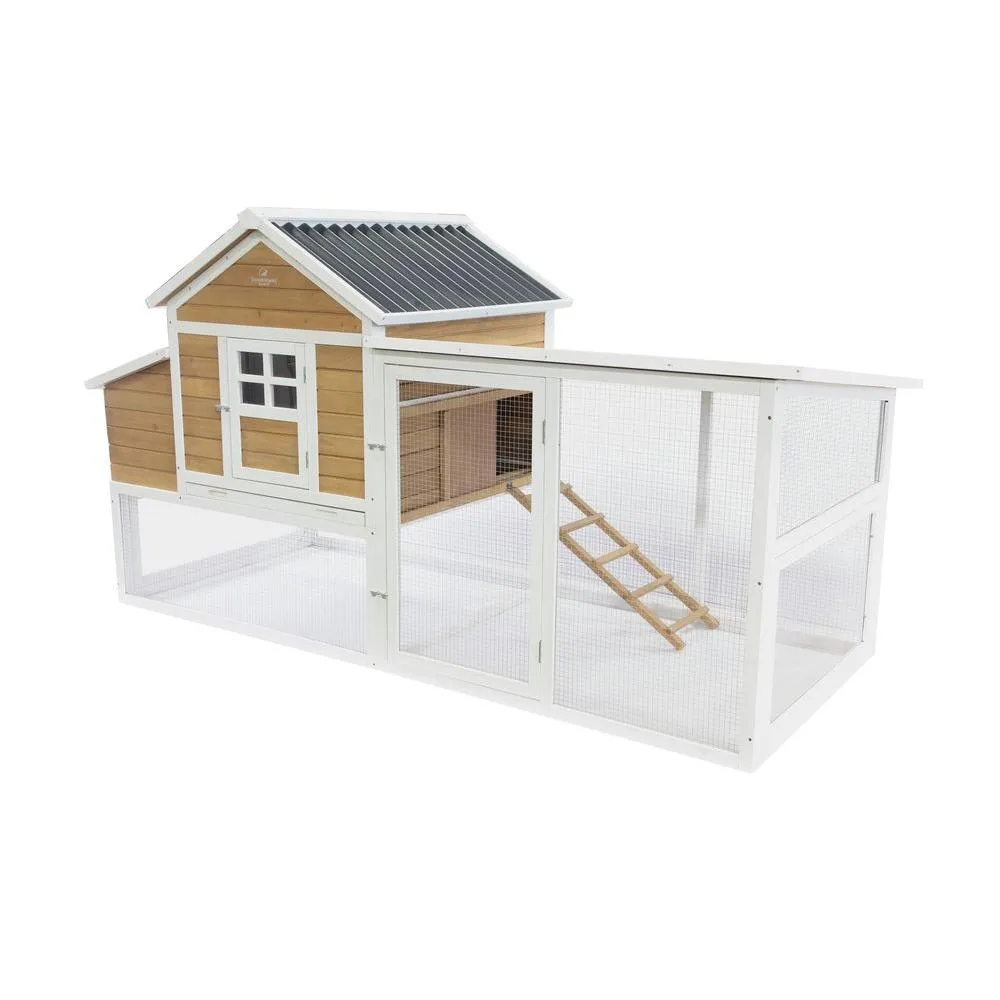
Top 10 Chicken Coop Home Depot Facts
Embarking on the journey of raising backyard chickens is an exciting venture, and choosing the right chicken coop is a crucial first step. Home Depot offers a vast selection of coops, making it a convenient one-stop shop for chicken enthusiasts. Understanding the essential facts about chicken coops from Home Depot will empower you to make an informed decision, ensuring the safety, comfort, and well-being of your feathered friends. This guide unveils the top 10 must-know facts, providing insights into coop considerations, material choices, assembly, maintenance, and more. Armed with this knowledge, you can confidently select a coop that meets your needs and creates a thriving environment for your chickens. Let’s dive in and explore the world of Home Depot chicken coops!
Home Depot Coop Considerations
Before browsing the aisles of Home Depot, several critical factors need consideration. First and foremost, assess the available space in your backyard. Chicken coops come in various sizes, and it’s essential to choose one that fits comfortably within your designated area while adhering to any local ordinances regarding coop placement. Research the number of chickens you intend to raise, as this will directly impact the size of the coop needed. Consider the local climate and predator threats in your region. A coop should provide adequate shelter from the elements and be secure enough to protect your chickens from predators such as foxes, raccoons, and hawks. Finally, evaluate your budget. Home Depot offers coops at various price points, and it’s crucial to set a realistic budget to narrow down your options effectively. Planning ahead is key to a successful chicken coop purchase.
Coop Size and Space Requirements

Determining the appropriate coop size is paramount for the health and happiness of your chickens. Overcrowding can lead to stress, disease, and decreased egg production. As a general guideline, provide at least 4 square feet of floor space per chicken inside the coop. In addition to the coop’s interior space, also consider the amount of outdoor run space. Chickens require ample room to roam, forage, and exercise. Aim for a minimum of 8-10 square feet of outdoor run space per chicken. Keep in mind that larger breeds of chickens may require more space than smaller breeds. When selecting a coop at Home Depot, carefully review the specifications and consider the long-term needs of your flock to ensure they have enough space to thrive. A well-sized coop is the foundation for a happy and healthy chicken family, preventing potential issues in the future and promoting their overall well-being.
How Many Chickens Can It Hold
Home Depot coops are often designed to accommodate a specific number of chickens. Always check the product details to determine the recommended capacity. Don’t overcrowd the coop. Exceeding the recommended capacity can result in several problems. Overcrowding makes it difficult to maintain a clean and sanitary environment. The accumulation of droppings and waste in such a confined space facilitates the rapid spread of diseases and parasites. Overcrowding also causes stress among the chickens, which can lead to behavioral issues such as feather pecking and bullying, ultimately impacting their well-being and egg production. Consider that chickens are social animals, and they also need space for social interaction. Provide a comfortable environment to promote their overall health and productivity, and prevent any unnecessary stress.
Home Depot Coop Materials
Home Depot offers chicken coops constructed from a variety of materials, each with its own set of advantages and disadvantages. The most common materials are wood and metal, each of which has its own specific advantages and disadvantages. Understanding the characteristics of each material will assist you in selecting the ideal coop for your needs and your location. Selecting the right material is essential to ensure the durability, functionality, and longevity of your chicken coop. Your selection will depend on weather conditions, the prevalence of pests or predators, and of course, your budget. This decision will significantly impact the comfort and safety of your chickens for years to come.
Wood vs. Metal Coops

Wood coops often provide a more aesthetically pleasing appearance and blend well with a natural backyard setting. They offer good insulation, which can help regulate the coop’s temperature, keeping it cooler in the summer and warmer in the winter. Wood coops, however, require regular maintenance, including painting or staining, to protect them from the elements and prevent rot. They may also be more susceptible to pest infestations, such as mites and rodents, and can be more expensive than metal alternatives. Metal coops, on the other hand, are generally more durable and resistant to pests and weather damage. They are usually easier to clean and maintain. Metal coops often offer good protection from predators. Metal coops are typically more affordable, making them a budget-friendly option. However, they may not provide as much insulation as wood coops, and they can get extremely hot in the summer months. Ultimately, the choice between wood and metal depends on your priorities, budget, and the specific needs of your flock.
Coop Features to Look For
When choosing a chicken coop at Home Depot, pay close attention to the features it offers. A well-designed coop incorporates several essential elements to ensure the comfort, safety, and well-being of your chickens. These features contribute to a healthy and productive flock. It also simplifies the caretaking process. From nesting boxes to roosting bars and secure ventilation, understanding these features is critical for making the right decision. Be sure to prioritize your chickens’ health and safety, as well as your convenience.
Nesting Boxes
Nesting boxes are essential for egg-laying hens. Look for coops with a sufficient number of nesting boxes, typically one box for every 3-4 hens. The boxes should be easily accessible for the chickens and designed to be comfortable and secure. They should be constructed from a material that is easy to clean and sanitize, such as wood or plastic. The nesting boxes should be elevated off the ground to prevent them from being easily soiled. Adequate nesting boxes provide a safe and private space for hens to lay their eggs. This minimizes stress, prevents egg damage, and makes egg collection easier.
Roosts

Roosts, or perches, provide a place for chickens to sleep at night. Choose a coop with roosts that are appropriately sized and spaced for your chickens. The roosts should be made of a sturdy material, such as wood, and placed at a comfortable height off the ground. Ensure the roosts are smooth and free of splinters to prevent injury to your chickens’ feet. Provide adequate roost space, allowing each chicken enough room to comfortably perch without overcrowding. Roosts allow the chickens to sleep safely elevated above the ground, reducing the risk of predators and providing a sense of security.
Ventilation
Proper ventilation is crucial for maintaining a healthy environment inside the coop. Look for coops that incorporate vents, windows, or other ventilation features to allow for air circulation. Adequate ventilation helps to remove moisture, ammonia, and other harmful gases that can build up inside the coop. This will prevent respiratory problems and promote the overall health of your chickens. Ensure that the ventilation system is designed to prevent drafts, which can make the chickens uncomfortable, and provides protection from rain and other elements to keep the coop dry and comfortable. This will help to control the coop’s temperature, improving the birds’ health and productivity. Proper ventilation is also helpful in minimizing the spread of diseases.
Home Depot Coop Assembly
Most Home Depot chicken coops come with assembly instructions, making it a do-it-yourself project for many homeowners. The level of complexity varies depending on the model. Before starting assembly, carefully review the instructions and ensure you have all the necessary tools and hardware. Following the instructions step by step is essential for ensuring that the coop is correctly assembled, safe, and secure. If you are not comfortable with assembly, Home Depot may offer professional assembly services or can recommend a local contractor to assemble the coop for you.
Tools You’ll Need

The tools required for assembling a Home Depot chicken coop typically include a screwdriver (both Phillips head and flathead), a drill with various drill bits, a level, a measuring tape, and possibly a hammer. Some coops may require additional tools, such as a saw or wrench. Check the assembly instructions to determine the specific tools required for your chosen model. Having the correct tools on hand will streamline the assembly process and ensure that your coop is constructed correctly and efficiently.
Step-by-Step Assembly Guide
Follow the assembly instructions carefully, typically starting with the base or frame of the coop. Attach the walls, roof, and other components in the order specified. Ensure all screws, bolts, and other fasteners are securely tightened. Leveling the coop during the process ensures proper alignment and stability. Once the main structure is assembled, install the doors, windows, nesting boxes, roosts, and any other included features. Double-check all connections and ensure that all parts are securely in place. Finally, inspect the assembled coop for any gaps or potential weaknesses, and make any necessary adjustments to ensure that it is ready for your chickens.
Coop Maintenance Tips
Regular maintenance is key to keeping your chicken coop clean, functional, and in good condition. Routine maintenance extends the coop’s lifespan and promotes a healthy environment for your chickens. Implementing a regular maintenance schedule is essential to preserve the coop’s integrity and to ensure the well-being of your chickens. This also helps to prevent a host of issues from arising down the road. Consistent upkeep is fundamental to a healthy and safe living area.
Cleaning and Sanitizing

Clean the coop regularly, removing droppings, soiled bedding, and any spilled food or water. A good starting point is cleaning the coop at least once a week, although more frequent cleaning may be necessary depending on the size of your flock and the coop’s ventilation. Thoroughly sanitize the coop at least once a month using a poultry-safe disinfectant. Remove all bedding and thoroughly scrub all surfaces, including the floor, walls, nesting boxes, and roosts. Be sure to remove all debris and disinfect the entire structure to eliminate bacteria, parasites, and other harmful microorganisms. This helps prevent the spread of diseases and keeps your chickens healthy. Allow the coop to dry completely before returning fresh bedding and allowing the chickens back inside.
Pest Control
Implement a pest control plan to prevent infestations of mites, rodents, and other pests that can harm your chickens. Regularly inspect the coop for signs of pests, such as droppings, unusual activity, or damage. Seal any cracks or openings in the coop to prevent pests from entering. Use poultry-safe insecticides or other pest control methods as needed. Keep the area around the coop clean and free of food scraps, which can attract pests. Regularly inspect your chickens for any signs of mites or other parasites, and treat them promptly if necessary. A pest-free environment helps ensure the health and comfort of your chickens, minimizing the risk of disease and other health issues.
Home Depot Coop Cost Analysis
The cost of a chicken coop from Home Depot can vary widely depending on factors such as size, material, features, and brand. Coops range from relatively affordable to more premium options. Budgeting for a coop includes the initial purchase price, but it’s also important to factor in other expenses. Other factors include the cost of bedding, feed, waterers, feeders, and any additional equipment or accessories. Research different coop models and compare prices to find the best value for your needs and budget. Home Depot often runs sales and promotions on its products, so be sure to check for any available discounts before making your purchase. By considering all these factors, you can make an informed decision that fits your budget and ensures a comfortable and safe home for your chickens.
Factors Affecting Price

The price of a Home Depot chicken coop is influenced by several factors. The size of the coop is a primary determinant, with larger coops typically costing more. The material of the coop, such as wood or metal, also affects the price, with wood coops often being more expensive. The features included in the coop, such as nesting boxes, roosts, and ventilation systems, can add to the cost. The brand of the coop can also influence the price, with well-known brands often commanding a premium. Finally, any additional accessories, such as automatic door openers, may increase the overall cost. Comparing different models and considering these factors will help you find a coop that meets your needs and fits your budget. Understanding the features is vital to ensure you are getting the best value for your money.
Budgeting for Your Coop
When budgeting for a chicken coop, establish a clear budget before you start shopping. Determine how much you can comfortably spend, taking into account the initial purchase price, as well as any ongoing expenses, like feed, bedding, and maintenance. Research different coop models within your budget range. Consider the long-term costs associated with the coop, such as the cost of materials and supplies needed for maintenance. Prioritize the essential features you need. You can then decide where you can save money. Look for sales and discounts, consider building your own coop if you are handy, or explore more affordable options. By carefully planning your budget, you can find a suitable chicken coop that meets your needs without overspending.
Home Depot Coop Reviews and Ratings
Before purchasing a chicken coop from Home Depot, take the time to read reviews and ratings from other customers. Customer reviews provide valuable insights into the quality, ease of assembly, and overall satisfaction of the coop. Reading reviews will give you a realistic idea of what to expect. Pay attention to comments about the coop’s durability, weather resistance, and predator protection. Consider the experiences of other customers and how they relate to your own needs and expectations. Home Depot’s website typically features customer reviews for its products. Use online search engines to find reviews on independent websites and forums. Consider the pros and cons of different coops before making your final decision to ensure you’re making an informed choice.
In conclusion, choosing a chicken coop from Home Depot requires careful consideration of several factors, from size and materials to features and maintenance. By understanding the key aspects discussed in this guide, you can confidently select a coop that meets your needs and provides a safe and comfortable environment for your chickens. From selecting the right size to ensuring proper ventilation and pest control, each element plays a crucial role in creating a thriving backyard chicken setup. With the right coop, you’ll be well on your way to enjoying fresh eggs and the delightful company of your feathered friends. Happy chicken keeping!