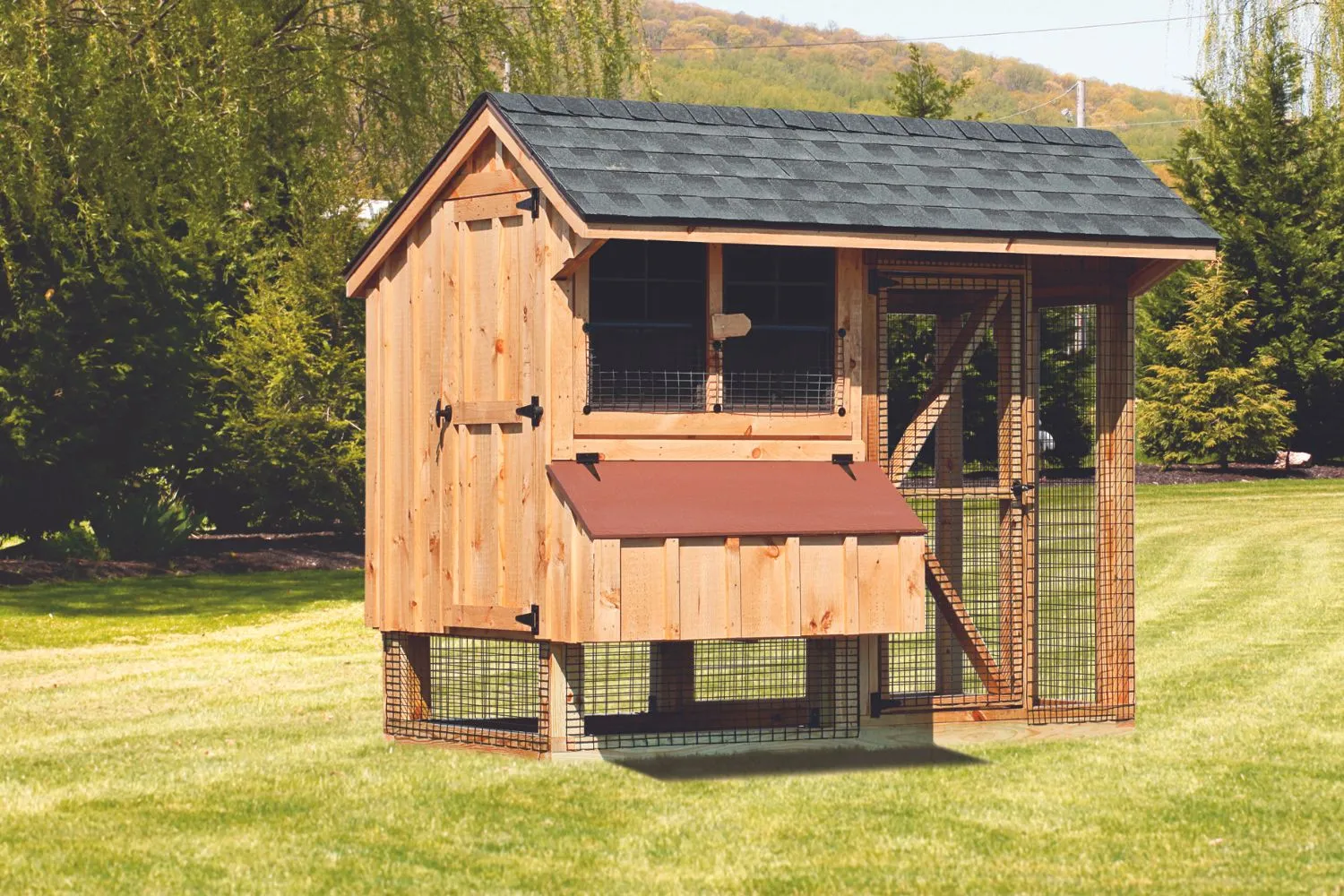
Planning Your Chicken Coop for 4 Chickens
Building a chicken coop for four chickens is a rewarding project that provides fresh eggs and the joy of raising your own flock. Proper planning is essential to ensure the coop is safe, comfortable, and meets your chickens’ needs. This includes considering the coop’s location, size, design, and local regulations. A well-planned coop contributes to the health and happiness of your chickens, making the whole experience more enjoyable for you. Before you even think about picking up a hammer or saw, it’s important to research and understand the various aspects of coop construction.
Choosing the Right Location
The location of your chicken coop plays a vital role in the well-being of your chickens and the convenience for you. The ideal spot should be level, well-drained, and sheltered from harsh weather conditions. Consider the direction of the sun and prevailing winds. A location that receives ample sunlight in the morning and shade during the hottest part of the day is ideal. Ensure the area is easily accessible for daily chores like feeding, watering, and egg collection. Proximity to your house can also make it easier to monitor your flock and maintain the coop. Remember to consider the impact on your neighbors; keeping the coop away from property lines can help mitigate noise and odor concerns.
Space Requirements

When planning a chicken coop for four chickens, providing adequate space is paramount. Chickens need sufficient room to move around, roost, and nest comfortably. A general guideline is to provide at least 4 square feet of floor space per chicken inside the coop and 8-10 square feet per chicken in the run area. This ensures they have enough space to forage, dust bathe, and avoid overcrowding, which can lead to stress and health problems. The height of the coop is also important; ensure there’s enough headroom for you to comfortably move around when cleaning and maintaining the coop. The run area should be securely fenced to protect your chickens from predators and allow them to enjoy outdoor time safely.
Local Regulations and Zoning
Before you start building your chicken coop, it’s crucial to check local regulations and zoning laws. Many cities and towns have ordinances regarding the keeping of chickens, including the number of chickens allowed, the size and type of coop permitted, and setbacks from property lines. Contact your local planning department or city hall to obtain information about these regulations. Some areas may require a permit for building a coop, and failure to comply can result in fines or the requirement to remove your coop. Understanding and adhering to these rules will help ensure that your chicken-keeping endeavors are legal and that you avoid any potential conflicts with neighbors or local authorities.
Designing Your Chicken Coop
The design of your chicken coop should prioritize the comfort and safety of your chickens while being practical and easy to maintain. Consider the climate in your area and design accordingly, such as providing good ventilation for warmer climates and insulation for colder regions. Think about the layout and features that will make daily tasks easier, such as accessible nesting boxes and a well-placed access door for collecting eggs. A well-designed coop not only enhances the well-being of your chickens but also contributes to the longevity of the structure itself. Taking the time to carefully plan the design will pay dividends in the long run.
Coop Size and Dimensions

The size and dimensions of your chicken coop are critical for ensuring your chickens have adequate space to thrive. For four chickens, aim for at least 16 square feet of floor space inside the coop, which provides 4 square feet per bird. The height of the coop should be tall enough for you to stand comfortably inside, making cleaning and maintenance easier. The run area should be at least 32 to 40 square feet. Remember that these are minimum recommendations, and providing more space is always better. The overall dimensions will depend on the design and shape of your coop, but ensuring sufficient space is fundamental to the health and happiness of your flock. Consider a rectangular or square shape, as it often provides the most efficient use of space.
Choosing Materials
Selecting the right materials for your chicken coop is essential for its durability and longevity. Pressure-treated lumber is a good choice for the frame and foundation, as it resists rot and insect damage. For the walls and roof, consider using materials like plywood, corrugated metal, or cedar, which are weather-resistant and provide good insulation. Avoid using materials that can be toxic to chickens, such as lead-based paint or materials containing arsenic. Ensure all materials are securely fastened to prevent predators from entering. Consider using hardware cloth with small mesh sizes for windows and ventilation openings to keep predators out. The quality of materials will determine the lifespan of your coop and the safety of your chickens.
Ventilation and Sunlight
Proper ventilation and sunlight are essential for a healthy chicken coop environment. Ventilation helps remove moisture, ammonia, and stale air, which can lead to respiratory problems in chickens. Install vents near the roofline to allow air to circulate. Avoid placing vents directly above roosting bars. Sunlight also plays a vital role in chicken health, providing vitamin D and helping to control the growth of bacteria and mold. Ensure the coop has adequate windows or openings to allow sunlight to enter. However, also provide shade to protect the chickens from excessive heat in warmer months. Balance ventilation and sunlight to create an environment that’s both healthy and comfortable for your chickens.
Essential Features for Your Coop

Incorporating essential features into your chicken coop design will greatly enhance the comfort and safety of your flock, and ease the chores you do daily. Nesting boxes, roosting bars, and secure access points are just a few of the important features to consider. The layout should be designed to facilitate easy cleaning and maintenance. Investing in these essential elements during the construction phase will provide benefits for years to come, keeping your chickens happy and healthy.
Nesting Boxes
Nesting boxes are where your chickens will lay their eggs, so their placement and design are important. A general rule is to provide one nesting box for every 3-4 hens. The boxes should be in a dark, quiet, and sheltered area of the coop. They can be made from wood, plastic, or metal, and should be easy to clean. Place the boxes off the ground to prevent moisture buildup. Line the boxes with comfortable bedding materials such as straw, wood shavings, or shredded paper. Make sure the nesting boxes are easily accessible for egg collection, and consider adding a small lip to prevent eggs from rolling out.
Roosting Bars
Roosting bars provide a place for chickens to sleep and rest at night. They should be positioned at a height that’s comfortable for the chickens to jump to, typically a few feet off the ground. Provide about 8-12 inches of roosting space per chicken. The bars should be made from smooth, sturdy material, such as rounded lumber. Avoid using round dowels, as these can be difficult for chickens to grip. Place the roosting bars away from walls and nesting boxes to prevent droppings from soiling the eggs. Consider the location of the roosting bars to make cleaning up droppings easy.
Access Doors and Security

Access doors are essential for both you and your chickens. Provide a secure access door for yourself to enter the coop for cleaning and maintenance, and a smaller pop-hole door for the chickens to enter and exit the coop freely. The pop-hole should be located at a height that’s easily accessible for the chickens. Ensure all doors are securely latched and predator-proof, using sturdy hinges and latches. Consider using automatic door openers for convenience and added security, especially if you are not able to open and close the coop at specific times each day. Reinforce any weak points in the coop to prevent predators from gaining access.
Building the Chicken Coop
The actual construction of your chicken coop requires careful attention to detail and adherence to your plans. Proper preparation, accurate framing, and secure installation of doors, windows, and other features are all important aspects of the building process. Whether you are building from scratch or using a pre-designed kit, following these steps will help ensure a safe and secure home for your flock. Remember to take your time, measure twice, and cut once.
Preparing the Site
Before you start building, prepare the site where the coop will be located. Clear the area of any vegetation, rocks, or debris. Level the ground to provide a stable base for the coop. Consider adding a layer of gravel or crushed stone to improve drainage and prevent the coop from sinking into the ground. If you’re building a coop with a floor, ensure the foundation is level and secure. For coops without floors, consider using hardware cloth buried underground around the perimeter of the coop to prevent predators from digging under the walls.
Framing the Coop

Framing the coop involves constructing the basic structure of the walls, floor, and roof. Use pressure-treated lumber for the frame, especially if the coop will be in contact with the ground. Follow your plans carefully, ensuring all measurements are accurate. Use screws or nails to securely join the framing members. Consider using corner braces to reinforce the structure and make it more resistant to wind and other forces. Check the squareness of the frame as you build and make any necessary adjustments. Proper framing is the foundation of a sturdy and long-lasting coop.
Adding the Roof and Walls
Once the frame is complete, it’s time to add the roof and walls. Choose roofing material that is durable, weather-resistant, and appropriate for your climate, such as asphalt shingles, metal roofing, or corrugated plastic. Securely attach the roofing material to the frame according to the manufacturer’s instructions. For the walls, you can use plywood, siding, or other suitable materials. Make sure to cover all the exterior surfaces, leaving openings for windows and vents as needed. Ensure the walls are well-sealed to prevent drafts and protect the chickens from the elements. Proper installation will protect the chickens and the coop’s structure.
Installing Doors and Windows
Doors and windows are essential for both access and ventilation. Install a secure access door for yourself, ensuring it’s properly hinged and latched. Install a pop-hole door for the chickens, which should be easy for them to use. Windows provide natural light and ventilation. Use hardware cloth with a small mesh size over the windows to prevent predators from entering. Ensure doors and windows fit snugly and are well-sealed to keep out drafts. Regular maintenance is key to keep your coop functioning properly.
Setting up the Interior

The interior setup of your chicken coop is crucial for the comfort and well-being of your chickens. This involves setting up nesting boxes, roosting bars, and providing appropriate bedding, water, and feeders. Consider the layout to make it easy to clean and maintain. A well-designed interior ensures the chickens have a safe, comfortable place to sleep, lay eggs, and feed, contributing to a healthy and happy flock. Pay attention to detail to create a functional and pleasant environment.
Bedding and Cleaning
Providing appropriate bedding in your chicken coop is important for cleanliness, comfort, and odor control. Suitable bedding materials include straw, wood shavings, and shredded paper. Avoid using cedar shavings, which can be harmful to chickens. Clean the coop regularly, removing soiled bedding and replacing it with fresh material. The frequency of cleaning depends on the size of your coop, the number of chickens, and the bedding material used. A clean coop helps prevent the build-up of ammonia and reduces the risk of disease. Daily spot cleaning and weekly or monthly deep cleaning will ensure a healthy living environment.
Water and Feeders
Providing access to fresh water and food is essential for the health and well-being of your chickens. Use feeders and waterers that are appropriate for the size of your flock. Place the feeders and waterers in a location that is easy for the chickens to access but doesn’t interfere with their roosting or nesting areas. Regularly clean the feeders and waterers to prevent the growth of mold and bacteria. Ensure the water is always fresh and clean, especially during hot weather. Consider using automatic waterers and feeders for added convenience.
Final Touches and Landscaping

Once the interior is set up, add the final touches to make your chicken coop a comfortable and attractive space. Consider landscaping around the coop to provide shade and create a more natural environment. Plant some herbs and flowers around the coop, such as lavender and mint, which can help repel pests and add beauty. Add a secure run area to provide your chickens with a safe place to roam and forage outdoors. Adding these touches will make your chicken coop a welcoming place for your chickens and a pleasant addition to your backyard. Incorporating these aspects will improve the coop’s functionality and appearance.
Maintaining Your Chicken Coop
Regular maintenance is key to keeping your chicken coop in good condition and ensuring the health of your flock. This includes regular cleaning, pest control, and taking steps to winterize the coop. Consistent care will help the coop last longer and provide a safe and comfortable environment for your chickens.
Cleaning and Sanitation
Regular cleaning and sanitation are vital for maintaining a healthy chicken coop. Remove droppings and soiled bedding frequently. Clean the nesting boxes and roosting bars regularly, at least once a week. Deep clean the entire coop at least once a month, or more frequently if needed. Use a poultry-safe disinfectant to eliminate bacteria and parasites. Proper sanitation prevents disease and keeps your chickens healthy.
Pest Control
Pest control is essential to protect your chickens from parasites and predators. Regularly inspect the coop for signs of mites, lice, and other pests. Use appropriate pest control methods, such as diatomaceous earth or insecticidal dust, to eliminate these pests. Take steps to deter predators, such as raccoons, foxes, and coyotes, by securing the coop properly. Repair any holes or weak points in the coop structure. Using predator-proof latches and locks can also help. Keeping pests and predators at bay is critical for your chickens’ safety.
Winterizing Your Coop
In colder climates, winterizing your chicken coop is important for protecting your chickens from the cold. Insulate the coop walls and roof to help retain heat. Provide adequate ventilation to prevent the build-up of moisture. Ensure the water source does not freeze. Consider using a heated waterer to keep the water from freezing. Protect the coop from drafts and snow. Winterizing your coop ensures your chickens remain comfortable and healthy during the colder months.