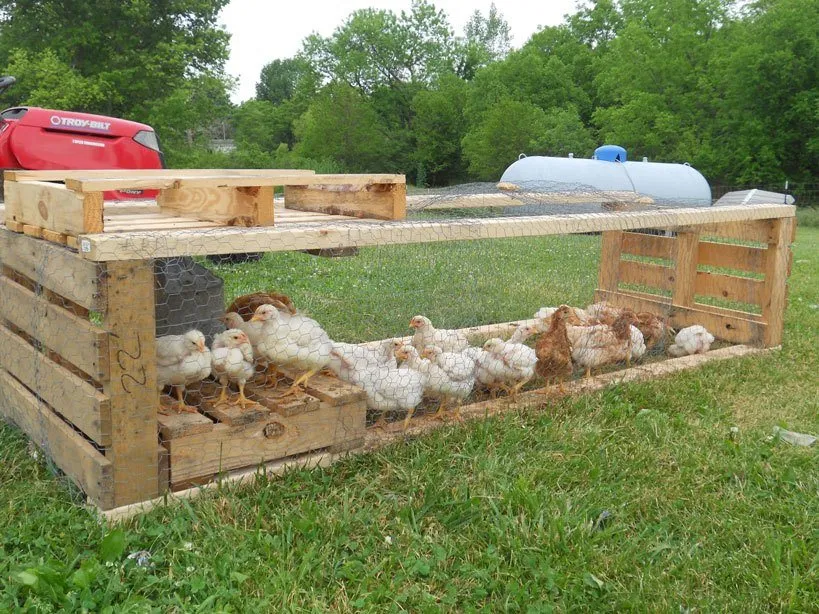
Planning Your Pallet Chicken Coop
Building a chicken coop with pallets is a fantastic way to provide a safe and comfortable home for your chickens while keeping costs down and repurposing materials. This simple guide will walk you through the process, from planning and gathering supplies to construction and finishing touches. With careful planning and execution, you can create a functional and attractive coop that your chickens will love. The key to success lies in thorough preparation and attention to detail, ensuring a sturdy and predator-resistant structure. Let’s get started on your chicken coop journey and create a backyard haven for your feathered friends.
Choosing the Right Pallets
The foundation of your chicken coop is the pallets you choose. Not all pallets are created equal, and selecting the right ones is crucial for the safety and longevity of your coop. Look for pallets that are in good condition, without significant damage, rot, or insect infestation. The size of the pallets will influence the overall dimensions of your coop, so consider the number of chickens you plan to house and the available space in your yard. Furthermore, the type of wood used in the pallets can vary, with some woods being more weather-resistant than others. Softwoods like pine are common but require more frequent maintenance. Hardwoods are more durable, and the best selection for your project.
Inspecting Pallets for Safety

Before you even begin construction, carefully inspect each pallet. Ensure that the wood is not treated with harmful chemicals, such as methyl bromide. Look for the “MB” stamp, which indicates that the pallet has been treated with this insecticide. These chemicals can be dangerous to your chickens and to you. Also, check for loose nails, splinters, and any signs of rot or mold. These issues can compromise the structural integrity of your coop and create a hazardous environment for your chickens. Always prioritize safety, and discard any pallets that pose a risk. Proper inspection ensures the health and safety of your flock and that your coop lasts for years.
Gathering Your Supplies
Once you’ve selected your pallets, it’s time to gather the necessary supplies. A well-stocked workspace makes the building process much more efficient and enjoyable. Prepare a list of all the materials you will need, including screws, nails, hinges, latches, roofing materials, and hardware cloth. Consider the specific design of your coop when making this list, as some features may require additional materials. It is always a good idea to have a few extra materials on hand, as unforeseen challenges can arise during construction. Don’t forget to include any necessary personal protective equipment, such as gloves and safety glasses, to ensure your safety throughout the building process.
Essential Tools
Having the right tools can make the construction process much easier and more efficient. Essential tools for building a pallet chicken coop include a saw (circular saw or hand saw), a drill, a hammer, a measuring tape, a level, a staple gun, and a screwdriver. A reciprocating saw can be helpful for disassembling the pallets. A stud finder will help you locate studs in pallets. Safety glasses and gloves are also a must. Depending on the design of your coop, you may need additional tools. Ensure that all your tools are in good working condition before you begin. This will help to ensure that you build a coop of superior quality, and it will make the process more enjoyable.
Materials Needed

Beyond the pallets, you’ll need various materials to complete your coop. Exterior-grade screws are preferable to nails for their holding power and durability. You’ll also need roofing materials, such as shingles or corrugated metal, and underlayment to protect the structure from the elements. Hardware cloth is essential for the windows and vents, as well as for the chicken run, to keep predators out. You will also need hinges, latches, and handles for the door and nesting boxes. Consider adding a sealant or weatherproofing to protect the wood from the elements. The specific amount of material will depend on the size and design of your coop.
Building the Coop Structure
With your pallets and materials ready, it’s time to start building. This phase involves assembling the basic structure of the coop, including the walls, roof, and door. Take your time, and measure carefully to ensure that all components fit together properly. It may be helpful to draw up a basic plan of how the pallets will fit together before you begin construction. Remember to prioritize safety, and don’t hesitate to ask for help if you need it. Building the structure is a rewarding experience, and with a little patience and effort, you’ll soon have a sturdy coop for your chickens. Be certain the structure is sound to protect your flock.
Preparing the Pallets
Before you start assembling the walls, you may need to prepare the pallets. Depending on the design, you might need to disassemble some pallets to obtain individual planks. Use a reciprocating saw or pry bar to carefully remove the planks. Sand down any rough edges and remove any protruding nails or staples. If the pallets are not all the same size, you will need to trim them to fit the design of your coop. This preparation ensures that the pallets fit together properly, creating a solid and aesthetically pleasing structure. Take your time, and be precise in your measurements to ensure that the walls are straight and secure.
Disassembling and Reassembling

Disassembling a pallet involves carefully removing the planks. Use a pry bar or a reciprocating saw to separate the boards from the frame. Be very careful to avoid damaging the wood. Once you have the individual planks, you can reassemble them to create the walls, floor, and roof of your coop. This allows you to customize the dimensions and design. When reassembling, use screws instead of nails for a stronger and more durable structure. Ensure that all the joints are secure, and that the structure is level and plumb. Properly disassembling and reassembling the pallets is key to creating a sturdy and well-designed coop.
Constructing the Walls
With the pallets prepared, you can begin constructing the walls. Arrange the pallets to form the basic shape of your coop. Secure them together using screws or nails. You may need to cut some pallets to fit the desired height and width of the coop. Ensure that the walls are plumb and level. You may want to add corner posts for extra stability. If you’re using a combination of pallets and new lumber, make sure that they are attached securely. Building the walls is a critical step, as they provide the main structure to protect your chickens from the elements and predators.
Securing the Pallets
Properly securing the pallets is essential for the structural integrity of your coop. Use screws to attach the pallets to each other. For added strength, consider using corner brackets or metal straps. Ensure that the screws are long enough to penetrate through both pallets. You may also want to use construction adhesive to reinforce the joints. Regularly check the screws, and tighten them if they become loose over time. Properly securing the pallets is especially critical, as this is the foundation of your coop, which will shelter your chickens from predators and the elements.
Building the Roof

The roof is a crucial part of your chicken coop, protecting your chickens from rain, snow, and sun. There are several roof designs you can choose from. Your choice of materials and construction will have a big impact on the coop’s lifespan. It is imperative that the roof is waterproof and securely attached to the walls. A well-built roof is not only functional, but can also enhance the aesthetic appeal of your chicken coop.
Choosing a Roof Design
There are a variety of roof designs to choose from, each with its own advantages. A simple sloped roof is easy to construct and sheds water effectively. A gable roof offers more headroom and allows for better ventilation. A shed roof, which slopes in one direction, is also a simple design. Consider the local weather conditions when choosing a roof design. If you live in an area with heavy snowfall, a steeper roof will help prevent snow from accumulating. For the roof material, consider shingles, corrugated metal, or even repurposed materials like old wooden planks. Each material has different durability, cost, and aesthetic implications.
Attaching the Roof
Once you’ve chosen your roof design and materials, it’s time to attach the roof to the walls. Ensure that the roof frame is securely attached to the walls using screws or nails. Cover the roof frame with plywood or another suitable sheathing material. Then, install the roofing material according to the manufacturer’s instructions. Overlap the shingles or metal sheets to prevent water from seeping through. Make sure that the edges of the roof are properly sealed to prevent water damage. A properly attached roof is essential for protecting your chickens from the elements and extending the life of your coop.
Adding the Chicken Door and Run

A functional chicken door and run provide your chickens with a way to enter and exit the coop safely and a protected outdoor space. Designing and constructing these elements requires careful planning to ensure ease of use, security, and predator protection. The door must be the right size and easily accessible for the chickens, while the run should offer adequate space for them to roam and forage safely. It’s important to take predator-proofing measures to ensure the safety of your flock. These features are essential for the well-being of your chickens and the functionality of your coop.
Creating the Chicken Door
The chicken door should be the appropriate size for your chickens to enter and exit comfortably. Position the door at a convenient height, and consider adding a ramp to make it easier for the chickens to access the coop. You can purchase a pre-made chicken door or build your own using wood or metal. Ensure that the door is sturdy and predator-proof. You can add a latch or a bolt to keep the door securely closed at night. Consider an automatic chicken door opener for added convenience, which will open and close the door at set times. The chicken door provides safe access for the flock.
Designing the Chicken Run
The chicken run provides your chickens with a safe and protected outdoor space. The size of your run will depend on the number of chickens you have and the amount of space available. Ensure the run is large enough to allow your chickens to roam and forage comfortably. Build the frame of the run using wood or metal posts, and cover it with hardware cloth to prevent predators from entering. Bury the hardware cloth a few inches underground to prevent digging predators from tunneling underneath. Provide shade and shelter within the run, such as a small roof or some shrubs. The chicken run enhances your coop.
Securing the Run

Securing the chicken run is critical for protecting your chickens from predators. Use sturdy posts and hardware cloth with small openings to prevent predators from entering. Attach the hardware cloth securely to the frame of the run, ensuring that there are no gaps or weak points. Bury the hardware cloth underground to prevent digging predators from getting in. Also, consider covering the top of the run with hardware cloth to protect your chickens from aerial predators. Inspect the run regularly for any signs of damage or wear and repair it promptly. Properly securing the run gives you peace of mind.
Finishing Touches and Considerations
With the main structure complete, it’s time to add the finishing touches. These details enhance the functionality and aesthetics of your coop and contribute to the overall well-being of your chickens. Consider adding ventilation, nesting boxes, and predator-proofing measures to create a safe and comfortable environment for your flock. Taking these steps ensures that your coop is not only functional but also a welcoming home for your chickens.
Ventilation and Airflow
Proper ventilation is essential for maintaining a healthy environment within the coop. It helps to remove moisture, ammonia, and other harmful gases, preventing respiratory problems. Add vents near the top of the coop to allow for air circulation. Ensure that the vents are covered with hardware cloth to keep predators out. Consider adding a roof vent or a cupola for additional ventilation. Good ventilation helps regulate the coop’s temperature and keeps it fresh and comfortable for your chickens.
Adding Nesting Boxes

Nesting boxes provide a comfortable and secure place for your hens to lay their eggs. The number of nesting boxes you need will depend on the number of chickens you have; one box for every 3-4 hens is a good rule of thumb. Place the nesting boxes in a dark, quiet area of the coop. Line the boxes with soft bedding, such as straw, hay, or wood shavings. Make sure the boxes are easy to clean and maintain. Providing comfortable and accessible nesting boxes encourages your hens to lay their eggs in a clean and safe place.
Protecting from Predators
Predator protection is crucial for keeping your chickens safe. Use hardware cloth instead of chicken wire for the run and any openings. Bury the hardware cloth underground to prevent digging predators from entering. Secure all doors and windows with sturdy latches and locks. Make sure there are no gaps or weak points in the coop’s construction. Consider adding additional deterrents, such as motion-activated lights or electric fencing, to keep predators away. Predator protection is the most important consideration for the safety of your chickens.
Final Inspection and Cleanup
Before introducing your chickens to their new home, conduct a final inspection. Check all the screws, nails, and hinges to ensure that they are secure. Make sure there are no sharp edges or protruding nails that could injure your chickens. Clean up any debris from the construction process. Add fresh bedding to the nesting boxes and the coop floor. Once you are confident that the coop is safe and secure, you can introduce your chickens to their new home. A final inspection helps to ensure the chickens’ safety and well-being.