Planning Your Indoor Chicken Coop
Bringing chickens inside the home requires careful planning to ensure the health and happiness of your birds, as well as the comfort and cleanliness of your living space. Before you begin, consider the commitment involved in caring for chickens and the specific needs they have. Chickens need a secure, draft-free environment, proper ventilation, access to food and water, and a place to roost and lay eggs. Your indoor coop should provide these necessities while minimizing odor and mess. This initial planning phase is crucial for a successful indoor chicken-keeping experience. It includes researching the specific breeds you are interested in raising, understanding local regulations regarding keeping poultry, and preparing your home environment to meet the needs of both the chickens and the human occupants.
Choosing the Right Location Inside
Selecting the appropriate location within your home is paramount. Consider a well-ventilated area away from bedrooms or living spaces where you spend a lot of time. Basements, spare rooms, or even a large, underutilized closet can work well, provided they meet the necessary criteria. The space should be easily accessible for cleaning and maintenance, with a durable floor surface that is easy to sanitize. Avoid areas with direct sunlight, which can overheat the coop, or those prone to drafts. The location should also be away from areas where pets or children play, and should minimize the risk of spreading potential allergens. Careful selection of the location plays a vital role in the overall health and well-being of your chickens.
Assessing Space Requirements

Chickens need ample space to thrive. As a general rule, allow at least 4 square feet of floor space per chicken inside the coop. This ensures they have enough room to move around, roost comfortably, and avoid overcrowding, which can lead to stress, disease, and behavioral problems. Additionally, you’ll need to factor in the height of the coop, allowing enough headroom for the chickens to stand and move freely, as well as your own access for cleaning and maintenance. If you plan on allowing the chickens to free-range indoors, consider the space they will need to do so. Ensure there is enough room to include essential features such as roosting bars, nesting boxes, and food and water containers without making the space feel cramped or congested.
Ventilation and Air Quality
Proper ventilation is critical for indoor chicken coops to ensure good air quality and prevent the buildup of ammonia, which can harm the chickens’ respiratory systems. Install vents near the top of the coop to allow for the escape of stale, humid air, and avoid drafts at ground level where the chickens roost. Consider using a fan to circulate air gently, promoting better air exchange. Ensure good air circulation to prevent the spread of bacteria and the development of respiratory illnesses. A well-ventilated coop will not only keep your chickens healthy but will also help to control odors, making the indoor environment more pleasant for you and your family. Regularly clean the coop to eliminate excess moisture, and consider using an air purifier to help filter the air.
Materials for Your Indoor Coop
Selecting Safe and Durable Materials

The materials you use to build your indoor chicken coop must be safe for your chickens and durable enough to withstand wear and tear. Avoid materials that can splinter, contain toxic chemicals, or are difficult to clean. Wood is a common choice, but consider using materials that are rot-resistant, such as cedar or redwood, to reduce the impact of moisture and waste. Ensure all wood surfaces are smooth to prevent injury, and avoid any areas where the chickens can ingest paint or other harmful substances. Also, consider ease of cleaning and sanitization. The goal is to create a coop environment that is easy to maintain, while providing a safe and comfortable habitat for your chickens.
Considering Cleaning and Maintenance
The materials used should be easy to clean and sanitize. Hardwood or linoleum flooring is much easier to maintain compared to carpet. Smooth, non-porous surfaces are ideal, allowing for easy wiping and disinfection. Avoid materials that can absorb moisture or odors. Regular cleaning is essential to maintaining a healthy environment for your chickens and preventing the build-up of unpleasant odors. Choose materials that facilitate efficient and effective cleaning practices. A coop built with cleaning in mind will save you time, reduce the spread of diseases, and ensure a fresher, more pleasant living space for everyone.
Designing the Coop’s Interior
Roosting Bars and Nesting Boxes

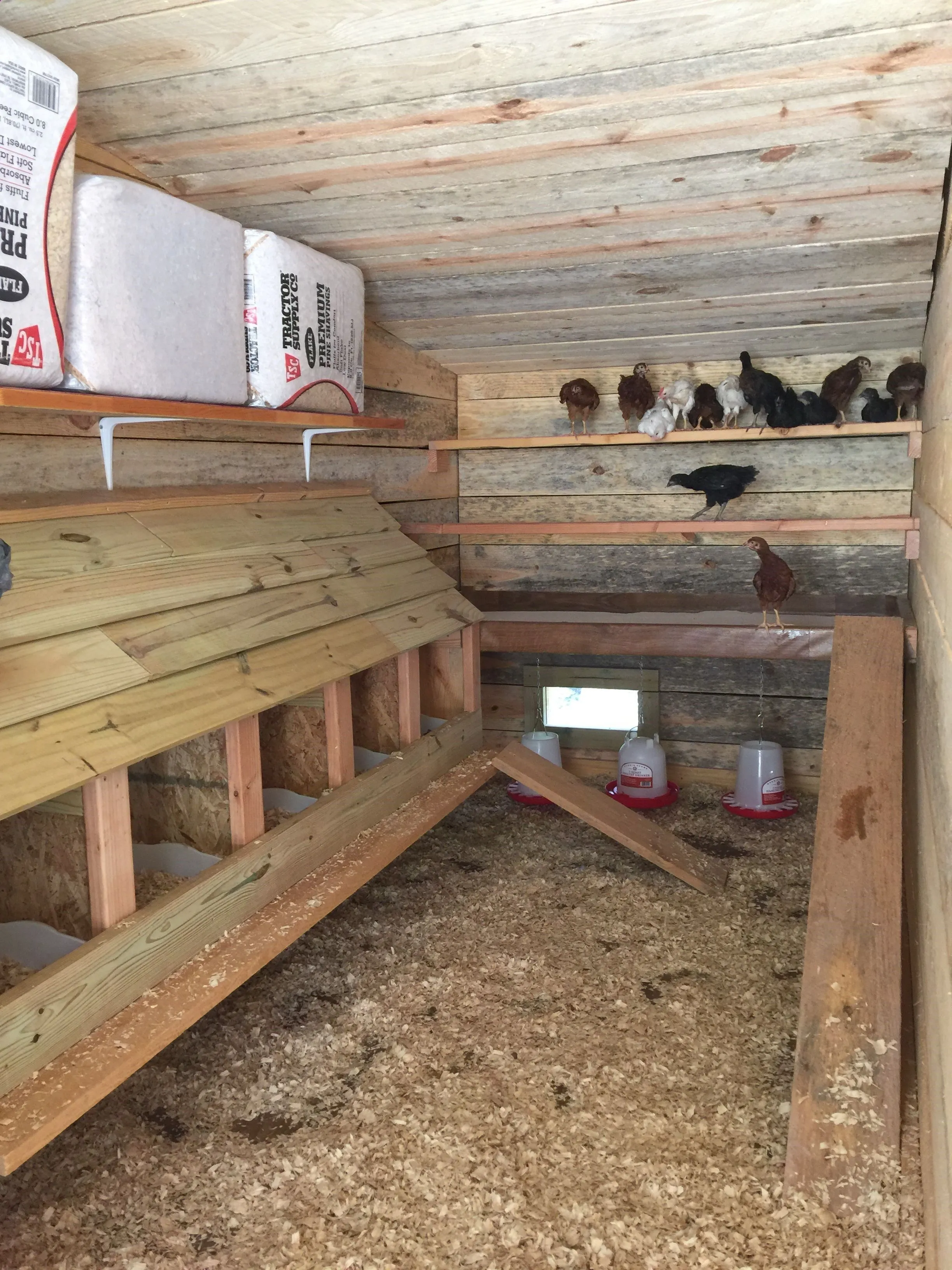
Roosting bars provide a comfortable place for chickens to sleep at night. Place them high enough off the ground to allow the chickens to perch easily. Ensure that each chicken has adequate space on the roosting bars, about 8-12 inches per bird. Nesting boxes provide a secure, private space for hens to lay their eggs. One nesting box for every 3-4 hens is a good guideline. Locate the nesting boxes in a dimly lit, quiet area within the coop to encourage egg-laying. The design of these features has a direct impact on the comfort of your chickens and overall productivity of the flock.
Creating a Comfortable Living Space
Consider including elements that add comfort and stimulation to your chickens’ environment. Provide a variety of textures, such as wood shavings, straw, or sand for the floor of the coop. This helps with cleanliness and adds a natural element. You can also add toys like hanging vegetables, mirrors, or sturdy perches at different heights to keep the chickens entertained and prevent boredom. This improves the overall health and well-being of your flock, improving their quality of life. A comfortable living space reduces stress and promotes happier, healthier chickens.
Essential Features for Chicken Comfort
Ensuring Optimal Lighting and Temperature

Light and temperature are crucial for chicken well-being and egg production. Install full-spectrum lighting to mimic natural sunlight, which will regulate their circadian rhythms and promote egg laying. Ensure the lighting is adjustable, so that the chickens can receive the correct amount of light throughout the day. Maintain a comfortable temperature range inside the coop, ideally between 65-75 degrees Fahrenheit. Insulation can help maintain a stable temperature. Protect the coop from extreme temperatures, providing additional heating during cold weather and ventilation to prevent overheating in the summer. Consistent light and temperature are essential for a thriving flock.
Feeding and Watering Solutions
Easy Access for Replenishing Supplies
Choose feeders and waterers that are easy to access and clean. Consider a hanging feeder to minimize food waste. Ensure the waterer is designed to prevent spills and maintain fresh, clean water. The best option is to have a design that permits the easy refilling of food and water, while minimizing mess. Regular cleaning of the feeding and watering systems is crucial for preventing the spread of diseases. Position them conveniently within the coop, taking care to prevent contamination from waste or bedding. The ease with which you can replenish food and water, will also make caring for your chickens an easier process.
Placement and Design Considerations

Addressing Potential Odors and Messes
Controlling odors and managing messes is critical to keeping an indoor coop clean and your home fresh. Proper ventilation, as mentioned earlier, helps to dilute odors. Use absorbent bedding materials like wood shavings, which help absorb moisture and odors. Cleaning the coop regularly will make a huge difference. A good rule of thumb is to spot-clean daily and do a thorough cleaning once or twice a week. Consider using an air purifier or a natural odor-absorbing agent. Proper management of odors and messes is key to maintaining a harmonious living environment.
Managing Waste and Cleanup
Plan for efficient waste management and disposal. Implement a routine for regularly removing soiled bedding and waste from the coop. This helps to eliminate potential health hazards and minimize odors. Compost chicken manure for a nutrient-rich addition to your garden. Use easy-to-clean surfaces, such as linoleum or sealed wood, which can be easily wiped down. Proper waste management is essential for the health of your chickens and the cleanliness of your home. Having efficient and sustainable systems will make the upkeep of your coop much easier and more enjoyable.
Health and Safety Protocols

Preventing Pests and Diseases
Implement preventative measures to protect your chickens from pests and diseases. Regularly inspect your chickens for signs of illness or parasites, and isolate sick birds immediately. Maintain a clean and dry environment to prevent the growth of bacteria and fungi. Control pests by using diatomaceous earth or other chicken-safe pest control methods. Isolate any new birds before introducing them to your flock. Vigilance and attention to health and safety can ensure a thriving and happy flock. Always consult with a veterinarian if you suspect your chickens are ill.
Maintaining a Healthy Environment
Maintaining a healthy environment is about more than just cleaning. It’s a combination of factors that includes proper ventilation, temperature control, pest and disease prevention, and regular health checks. Ensure your chickens are fed a balanced diet, and provide fresh, clean water daily. Offer enrichment activities to reduce stress and boredom. Monitor the chickens’ behavior for any signs of illness or distress. A healthy environment is fundamental to the well-being of your flock. Regular monitoring and proactive measures will maintain the health and vitality of your chickens.
Conclusion

Creating an indoor chicken coop can be a rewarding experience, offering the opportunity to enjoy fresh eggs and the companionship of these delightful birds. Success requires a commitment to careful planning, thorough research, and consistent maintenance. Consider all aspects, from location and design to health protocols and waste management. When these key areas are implemented correctly, you can create a healthy, comfortable environment for your chickens and a clean, fresh living space for yourself. Embracing these ideas and adapting them to your specific needs, you can enjoy the numerous benefits of raising chickens inside your home. Enjoy the process, and remember that your chickens will thrive with the right care!