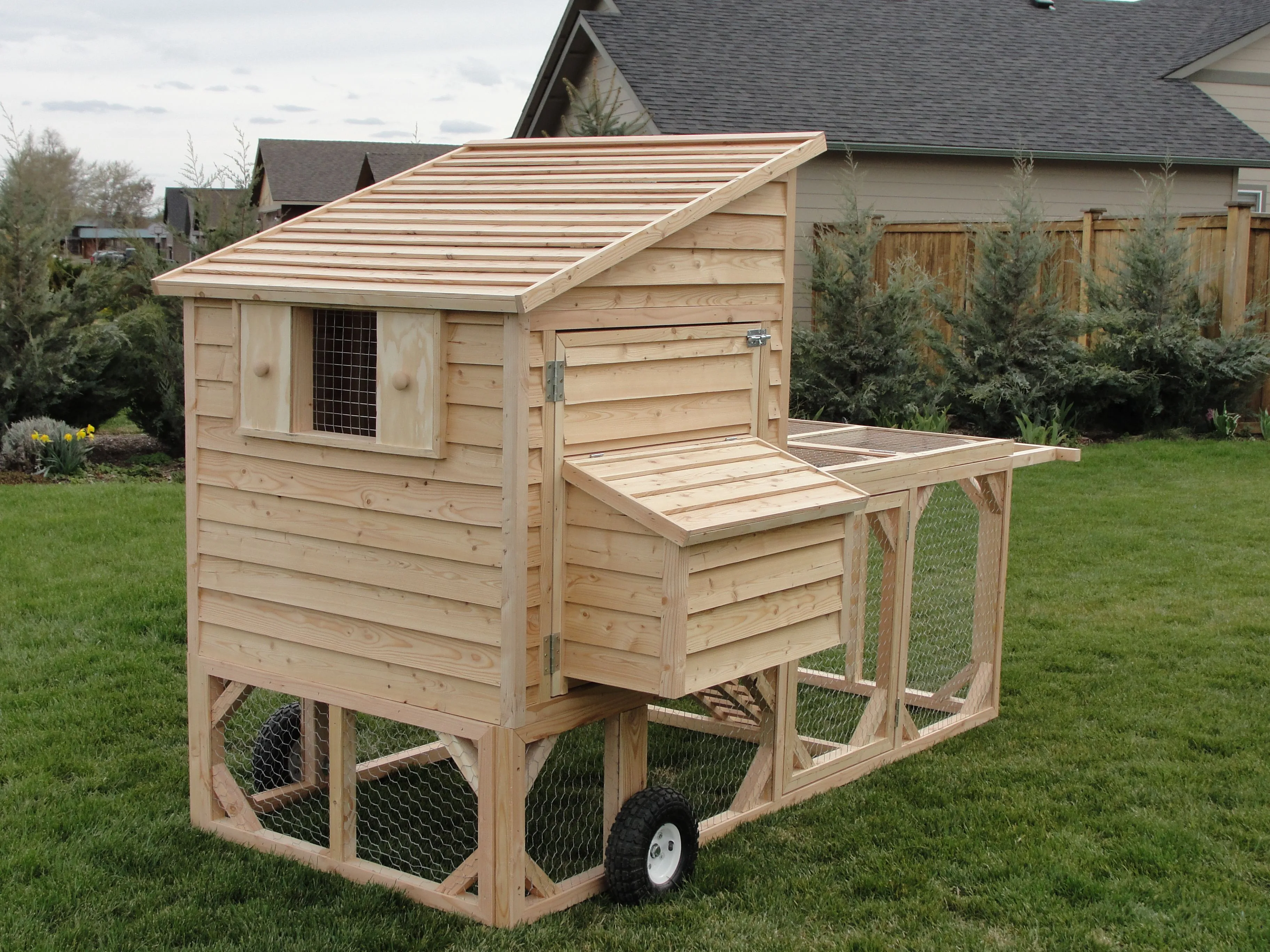
Planning Your Chicken Coop Build
Embarking on the journey of building a chicken coop is an exciting endeavor, promising fresh eggs and the joy of raising your own backyard flock. However, the success of your coop hinges on meticulous planning. Before you even pick up a hammer, careful consideration must be given to various factors. This initial phase lays the groundwork for a coop that is not only functional but also safe, comfortable for your chickens, and compliant with local regulations. Proper planning prevents costly mistakes, ensures the well-being of your feathered friends, and ultimately contributes to a rewarding chicken-keeping experience. Consider it the foundation upon which your coop dreams will be built.
Choosing the Right Location
The location of your chicken coop is paramount. Selecting a suitable spot involves assessing factors like sunlight exposure, drainage, and proximity to your house. Aim for a location that receives ample sunlight, crucial for chicken health and egg production, but also provides some shade to offer respite from the summer heat. Proper drainage is essential to prevent waterlogging, which can lead to unhealthy conditions. Consider the ease of access for cleaning and maintenance, and ensure the coop is far enough from your house to mitigate noise and odor, while still being accessible for daily chores. Proximity to your home also influences how often you will check on your chickens.
Space Requirements for Chickens

Chickens require adequate space for their well-being. Overcrowding leads to stress, pecking order issues, and the spread of disease. A general guideline is to provide at least 4 square feet of space per chicken inside the coop and 8-10 square feet in the outdoor run. This ensures they have enough room to move around, forage, and exhibit natural behaviors. The number of chickens you intend to keep dictates the size of your coop. A well-planned coop considers the future growth of your flock, or any new additions.
Understanding Local Regulations
Before you start building, familiarize yourself with local ordinances regarding chicken keeping. Many municipalities have regulations about coop size, setbacks from property lines, the number of chickens allowed, and noise restrictions. Some areas may require permits or inspections. Failing to comply with these regulations can result in fines or the forced removal of your coop and chickens. Check with your local government or homeowners association to understand all the rules and ensure that your project is in compliance.
Designing Your Coop
Once you have a solid understanding of the planning phase, the design of your coop can begin. This stage involves translating your vision into a practical, functional, and aesthetically pleasing structure. Consider the overall shape, layout, and features that will contribute to your chickens’ comfort and safety, while also taking into account your own convenience in terms of maintenance and accessibility. The design process offers an opportunity to personalize your coop, making it a reflection of your style and the specific needs of your flock. A well-designed coop will make your chicken-keeping experience a more enjoyable one.
Coop Size and Layout

The size and layout of your coop depend on the number of chickens you plan to keep and the available space in your yard. Consider a rectangular or square design, as it maximizes space efficiency. Separate areas for roosting, nesting, and feeding are essential. Ensure sufficient ventilation throughout the entire coop. Allow enough space for you to comfortably access all areas for cleaning, gathering eggs, and performing routine maintenance. The layout should also provide easy access to the egg-laying boxes, making egg collection simple and quick.
Essential Features
Certain features are non-negotiable for a well-designed coop. These features contribute to the health, safety, and productivity of your flock. Include secure doors and windows, a sturdy roof, and predator-resistant construction. Proper ventilation is essential to regulate temperature and humidity, preventing respiratory problems. Provide ample roosting bars, nesting boxes, and a designated feeding and watering area. Designing these elements thoughtfully ensures your chickens are comfortable, safe, and productive, and makes your daily chores easier.
Ventilation, Lighting, and Nesting Boxes
Proper ventilation is critical for removing moisture, ammonia, and other harmful gases from the coop. Install vents near the roofline to allow air to circulate. Consider including windows or vents that can be opened and closed to adjust airflow based on weather conditions. Adequate lighting is essential for egg production, especially during the shorter days of winter. Use natural light where possible and supplement with artificial light if necessary, following the natural light cycle. Nesting boxes should be placed in a dark, quiet area and be easily accessible for egg collection. Choose nesting box materials that are easy to clean.
Predator-Proofing Your Coop

Protecting your chickens from predators is paramount. Reinforce all entry points with hardware cloth or heavy-gauge wire mesh, not chicken wire, which is easily penetrated. Bury the wire mesh around the perimeter of the coop to prevent digging predators from entering. Use secure latches on doors and windows. Consider adding an automatic door opener to close the coop at dusk and open it at dawn. Regularly inspect your coop for any signs of damage or weaknesses. Predator-proofing is an ongoing process, requiring vigilance and attention to detail.
Materials and Construction
Selecting the right materials and employing sound construction techniques are the cornerstones of a durable and long-lasting coop. Quality materials not only ensure the longevity of your coop but also provide a safe and comfortable environment for your chickens. Proper construction methods are crucial for preventing drafts, providing protection from the elements, and deterring predators. Taking the time to choose the right materials and master construction basics is an investment that will pay off in the long run, resulting in a coop that you and your chickens can enjoy for years to come.
Choosing the Right Materials
The materials you choose significantly impact the lifespan and effectiveness of your coop. Opt for weather-resistant wood, such as cedar or pressure-treated lumber, for the frame. Use sturdy roofing materials like asphalt shingles or metal. For the walls and floor, consider using plywood or tongue-and-groove boards. Avoid materials that could be toxic to chickens, like lead-based paint. Choose hardware cloth or heavy-gauge wire mesh for predator-proofing. Select materials that are easy to clean and maintain. Consider using recycled materials to build a sustainable coop.
Wood vs Other Materials

Wood is a popular choice for coop construction due to its affordability, ease of workability, and aesthetic appeal. However, wood requires regular maintenance, such as painting or sealing, to protect it from the elements. Other materials, such as metal or composite materials, may be more durable and require less maintenance but can be more expensive. Metal coops can be effective in deterring predators. Composite materials offer a combination of durability and low maintenance. Consider your budget, local climate, and aesthetic preferences when choosing between different materials.
Building the Coop Frame
The frame provides the structural support for your coop. Start by constructing a sturdy base. Use level beams and ensure the frame is square. Build the walls, using studs and framing lumber to create the desired height and shape. Securely attach all framing members using screws or nails. Ensure all joints are tight and aligned correctly to prevent weaknesses. Consider adding corner braces for extra stability. A well-built frame is the foundation of your coop, making it a robust structure that will withstand the test of time and weather.
Roofing and Walls
Once the frame is complete, it’s time to add the roof and walls. Attach the roofing material according to the manufacturer’s instructions. Ensure proper overlap and sealing to prevent leaks. For the walls, attach the chosen material, such as plywood or tongue-and-groove boards, to the frame. Ensure all seams are tight and sealed to prevent drafts and moisture from entering. Pay close attention to the installation of windows and doors, ensuring they are properly sealed to prevent heat loss and predator entry. Properly constructed roofing and walls protect your chickens from the elements and ensure a comfortable environment.
Installing Doors and Windows

Doors and windows provide access and ventilation to the coop. Choose sturdy doors with secure latches to prevent predator entry. Install windows that open and close to regulate airflow. Ensure all openings are properly sealed to prevent drafts and water intrusion. Consider using hardware cloth or wire mesh over the windows for added protection. Position the doors and windows strategically to maximize ventilation and natural light. Regular inspection and maintenance of doors and windows is crucial for the security and comfort of your chickens.
Coop Interior Design
The interior design of your coop significantly impacts the comfort and well-being of your chickens. Creating a well-designed interior environment involves providing essential elements such as roosting bars, nesting boxes, and a designated area for food and water. By carefully arranging these features and providing a clean, safe space, you can ensure your chickens are comfortable, productive, and happy. The interior design should be functional, easy to clean, and designed to meet the specific needs of your flock.
Creating Comfortable Roosting Bars
Roosting bars are essential for chickens to sleep comfortably. Provide enough roosting space for each chicken, allowing for about 8-12 inches per bird. Use sturdy, rounded bars, approximately 2 inches wide, to allow chickens to grip them easily. Place the roosting bars at a height that is comfortable for your chickens, usually 2-4 feet off the ground. Ensure the roosting bars are positioned away from walls to prevent droppings from accumulating on the walls. Regularly clean the roosting bars to prevent the build-up of droppings and to maintain a healthy environment.
Setting Up Nesting Boxes

Nesting boxes should be placed in a quiet, dark, and private area of the coop. Provide one nesting box for every 3-4 hens. Line the boxes with soft, clean bedding, such as straw, wood shavings, or shredded paper. Choose a material that is absorbent and easy to clean. Place the nesting boxes at a height that is accessible to the chickens, but not too high. Regularly check the nesting boxes for eggs and replace the bedding as needed to maintain a clean and sanitary environment. Proper nesting boxes are essential for encouraging egg production.
Providing Water and Feed
Always provide fresh water and feed for your chickens. Use feeders and waterers that are appropriate for the size of your flock and easy to clean. Place the waterer in a location that is accessible and easy to clean, but not directly under the roosting bars to prevent contamination. Choose a feed appropriate for the age and breed of your chickens. Regularly clean the feeders and waterers to prevent the build-up of mold and bacteria. Provide a dust bath area for chickens to keep them clean and healthy. Ensuring access to fresh water and nutritious feed is fundamental for healthy chickens and prolific egg production.
Coop Maintenance and Cleaning
Regular maintenance and cleaning are essential for a healthy and productive coop. A clean coop helps prevent the spread of disease, reduces odors, and ensures the comfort of your chickens. Establishing a routine for cleaning, waste management, and pest control will protect your chickens and enhance your chicken-keeping experience. Consistent upkeep not only benefits your chickens but also makes maintaining your coop a less daunting task, and can extend the lifespan of your coop.
Daily and Weekly Cleaning Tasks

Daily tasks include collecting eggs, checking water and feed levels, and spot-cleaning any droppings or messes. Weekly cleaning involves removing soiled bedding, wiping down surfaces, and refilling the feeders and waterers with fresh food and water. Regularly sweep or vacuum the coop floor, and replace the bedding in the nesting boxes. Provide fresh water and food. It’s important to maintain a consistent schedule for these chores to keep your coop clean and the chickens healthy. Proper cleaning prevents build up of bacteria and reduces odors.
Dealing with Waste
Proper waste management is essential for controlling odors and preventing disease. Remove droppings regularly, either daily or weekly, depending on the size of your flock and coop. Composting chicken manure is a great way to recycle waste and create nutrient-rich compost for your garden. Ensure the compost pile is properly managed to avoid attracting pests. Consider using a deep litter method, which involves adding fresh bedding to the coop regularly without completely cleaning it out. This method allows the bedding to decompose, providing insulation and enriching the soil.
Preventing Pests and Diseases
Preventing pests and diseases requires vigilance and proactive measures. Regularly inspect your chickens for signs of illness or parasites, like mites and lice. Use diatomaceous earth or other natural pest control methods to deter parasites. Maintain a clean coop to prevent the build-up of bacteria and the spread of disease. Provide fresh, clean water and high-quality feed to support your chickens’ immune systems. Quarantine any new chickens for a few weeks to observe them for signs of illness before introducing them to your flock.
Final Thoughts and Coop Customization
Building a chicken coop is a rewarding project that allows you to provide fresh eggs and enjoy the companionship of chickens. Remember that the planning stage is crucial for the success of your build, encompassing location, regulations, and flock needs. Choosing the right materials, building a sturdy frame, and creating a safe and comfortable interior are key components of the construction process. Consistent maintenance and cleaning are essential for the health and well-being of your flock. By following these guidelines, you can create a functional, safe, and beautiful coop that will provide years of enjoyment. Don’t hesitate to get creative and personalize the design of your coop to reflect your style and the unique needs of your chickens.