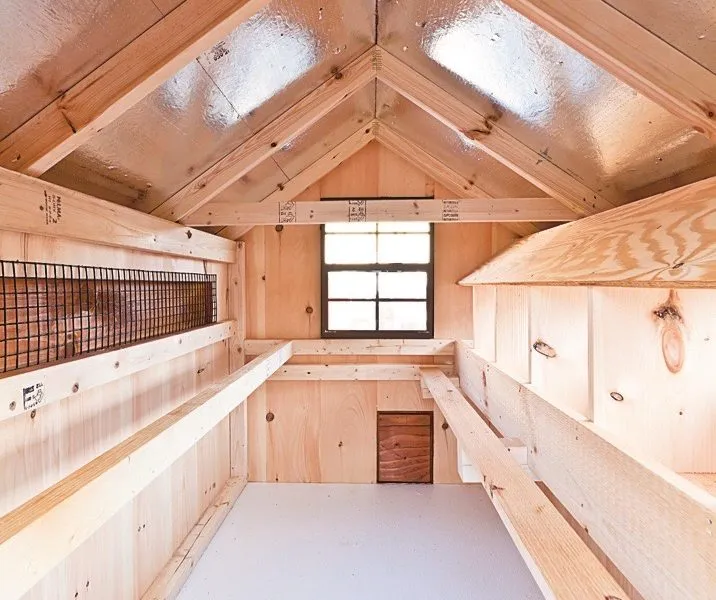
Planning Your Chicken Coop Inside
Designing the inside of your chicken coop is a crucial step in ensuring the health, happiness, and productivity of your flock. Proper planning will not only provide a comfortable living space for your chickens but also make your daily chores easier and more efficient. Consider your local climate, the number of chickens you plan to keep, and the available space when starting your design. A well-planned coop will have adequate ventilation, proper lighting, and easy-to-clean surfaces, contributing to a healthier environment for your birds and minimizing the risk of disease. Furthermore, good planning allows for the integration of features like nesting boxes, roosting bars, and feeding and watering stations in a way that optimizes space and chicken behavior. Understanding these aspects before building or renovating your coop will save you time and effort in the long run.
Choosing the Right Coop Size
The size of your chicken coop directly impacts the well-being of your chickens. Overcrowding can lead to stress, disease outbreaks, and behavioral issues like feather pecking. The general rule of thumb is to provide at least 4 square feet of floor space per chicken inside the coop and 8-10 square feet of outdoor space in a run. However, factors such as breed, climate, and the amount of time the chickens will spend outside of the coop should also influence your decision. For instance, larger breeds may require more space, and chickens in colder climates might need more indoor space for warmth during the winter months. Before you start building, research the space requirements for the specific breeds you plan to keep to ensure your coop offers the right amount of room for your flock to thrive.
Factors Determining Coop Size

Several factors must be considered when determining the appropriate size for your chicken coop. The number of chickens you intend to house is the most critical factor. Also, the breed of chickens you choose can impact space requirements, as larger breeds will need more room than smaller ones. The local climate also plays a significant role; in colder climates, providing more indoor space allows the chickens to stay warm during winter. Another consideration is the amount of time the chickens will spend confined to the coop versus roaming outdoors. If your chickens will be primarily confined to the coop, you’ll need to provide more indoor space and enrichment to keep them happy and healthy. Finally, consider the ease of cleaning and maintenance. A coop that is too small will be harder to keep clean, which can negatively impact the health of your flock.
Essential Interior Features
The interior features of your chicken coop are essential for providing a comfortable, safe, and functional living space for your chickens. These features must be thoughtfully designed and strategically placed to optimize the space. Nesting boxes are required for egg-laying, roosting bars provide a place for the chickens to sleep, and proper ventilation ensures clean air and reduces moisture. The placement of feeding and watering stations is also important; these should be accessible but not obstruct movement within the coop. Additionally, consider the materials used in your coop. Durable, easy-to-clean materials are essential for hygiene and preventing the buildup of bacteria and parasites. Proper interior design will minimize your workload and enhance the quality of life for your chickens, making it an enjoyable experience for both you and your flock.
Nesting Boxes Design
Nesting boxes are essential for egg-laying hens, providing a safe and private space for them to lay their eggs. Generally, provide one nesting box for every 3-4 hens. The boxes should be large enough for the hens to comfortably sit in but not so large that they encourage multiple hens to crowd into one box. A typical size is around 12x12x12 inches. The placement of the nesting boxes is also important; they should be in a quiet, dimly lit area of the coop to encourage hens to use them. The boxes should also be easily accessible for egg collection, and you might consider a design that allows you to collect eggs from outside the coop. Soft, clean bedding, such as straw or wood shavings, should be used in the nesting boxes to provide comfort and cushion the eggs. Regularly cleaning and replacing the bedding will help keep the boxes sanitary and attractive to the hens.
Placement and Requirements

The placement of nesting boxes within your coop significantly impacts their use by your hens. Nesting boxes should be located in a quiet, secluded part of the coop, away from high-traffic areas, and protected from direct sunlight and drafts. Hens prefer a sense of privacy and security while laying eggs. Elevating the nesting boxes slightly off the ground can also provide a sense of security. Make sure the boxes are easily accessible for both the hens and you. Design the boxes to make it easy to collect eggs regularly, ideally from outside the coop to minimize disturbance to the hens. Consider the orientation of the boxes to the sun, ensuring they are not exposed to direct sunlight, which can overheat the eggs. Regularly inspect and clean the nesting boxes, replacing the bedding frequently to maintain a sanitary environment and encourage egg-laying.
Roosting Bars Design
Roosting bars are essential for chickens to rest and sleep comfortably, allowing them to perch at night. The design and placement of the roosting bars significantly impact your chickens’ health and well-being. Each chicken needs approximately 8-12 inches of roosting space. The bars should be wide enough for the chickens to comfortably grip, typically about 2-4 inches wide. Round or square bars can work, but avoid using metal or materials that become too cold in winter. Roosting bars should be positioned at a height that is easily accessible for the chickens but not too close to the ceiling to avoid the birds from perching on the roof. Consider placing a droppings board or tray beneath the roosting bars to collect droppings, making cleaning easier. The bars should be easily accessible for cleaning, and the design should consider the natural behavior of chickens, who prefer to roost close to each other.
Height and Material Considerations
When designing roosting bars, consider the height and the materials used. The height of the roosting bars should be appropriate for the breed of chickens you have. Typically, placing them 2-4 feet above the ground is ideal, but ensure that all chickens can access the bars easily. You can also add steps or ramps for easier access. As for the materials, cedar or pine are excellent choices because they are naturally resistant to pests. Ensure the materials are smooth, without splinters that could injure the chickens’ feet. Avoid using metal bars that can become extremely cold in the winter. The material must be sturdy and capable of supporting the weight of the chickens. Regular cleaning and maintenance of the roosting bars, along with the selection of appropriate materials, can greatly enhance the overall comfort and hygiene of your coop.
Ventilation and Air Quality

Proper ventilation is one of the most critical aspects of chicken coop design. It ensures fresh air circulation, which is essential for the health and well-being of your flock. Good ventilation helps to remove moisture, ammonia, and other harmful gases that can build up inside the coop. Poor air quality can lead to respiratory problems, diseases, and other health issues in chickens. Effective ventilation also helps to regulate the temperature within the coop, preventing it from becoming too hot in the summer or too cold in the winter. Proper ventilation is achieved through a combination of vents, windows, and sometimes fans, placed strategically to allow for optimal air exchange. Regularly inspect your coop’s ventilation system to ensure it is functioning correctly and making necessary adjustments based on the season and weather conditions.
Importance of Proper Ventilation
Maintaining proper ventilation in your chicken coop is essential for several key reasons. First and foremost, it helps to prevent the buildup of ammonia, a gas produced from chicken droppings, which can cause respiratory problems and irritate the chickens’ eyes. Ventilation also regulates humidity levels, reducing moisture buildup, which leads to mold and mildew growth. This helps prevent diseases such as coccidiosis and respiratory infections. Good ventilation helps to maintain a more consistent temperature, mitigating extreme heat in summer and preventing frost buildup in winter. Proper ventilation reduces odors, making the coop a more pleasant environment for both the chickens and the keeper. Regular checks of your ventilation system, including cleaning and maintenance, are crucial for sustaining the air quality.
Ventilation System Options
There are several ventilation system options to consider when designing your chicken coop. Natural ventilation is often the simplest and most cost-effective method, using vents, windows, and the natural flow of air. Place vents high and low to allow for both the intake and exhaust of air. Ensure that windows can open and close to control airflow based on the weather. Ridge vents along the roof can also improve ventilation. For larger coops or in areas with poor natural airflow, consider adding fans. Fans can help circulate air and improve ventilation, especially during hot weather. Ensure the fans are properly installed to prevent drafts directly on the chickens. Consider using a solar-powered fan for energy efficiency. Regardless of the ventilation system you choose, always monitor the coop’s air quality and adjust your system accordingly.
Flooring and Bedding Choices

The flooring and bedding you choose for your chicken coop have a significant impact on the cleanliness, hygiene, and overall comfort of your chickens. The floor material should be durable, easy to clean, and resistant to moisture and pests. Bedding provides insulation, absorbs moisture, and cushions the chickens’ feet. Choosing the right materials for both the flooring and the bedding will make cleaning and maintenance easier, reduce odors, and contribute to a healthier living environment for your flock. Regular cleaning and replacing the bedding are essential for maintaining a hygienic environment. The materials you choose should also align with your climate and the specific needs of your chickens.
Best Flooring Materials
When selecting flooring materials for your chicken coop, several options are available, each with its pros and cons. Concrete flooring is durable, easy to clean, and relatively resistant to pests, making it a popular choice. However, it can be cold in the winter and might require bedding for insulation. Wood flooring is another option, providing good insulation and a warmer surface for the chickens. Wood floors need regular maintenance and are prone to moisture damage and rot if not properly sealed. Consider adding a protective sealant to the wood. Another option is using a rubber mat, which is easy to clean and provides good traction for the chickens, but it can be more expensive. Regardless of the material you choose, ensure the floor is smooth, non-toxic, and easy to clean to maintain a healthy environment.
Bedding Material Options
The choice of bedding material for your chicken coop affects moisture absorption, odor control, and overall comfort for your chickens. Wood shavings are a popular choice because they are absorbent, relatively inexpensive, and readily available. However, ensure you use untreated wood shavings. Straw provides good insulation and is a comfortable bedding option, but it can break down quickly and requires more frequent changing. Sand is another option that provides excellent drainage, but it needs to be mixed with other bedding materials for better moisture absorption. Consider adding a layer of sand to the floor, which can improve moisture control and make it easier to clean. Other bedding options include dried leaves, hay, and even shredded paper. The best choice will depend on your local climate, the size of your coop, and personal preference. Regular changing of bedding, combined with good ventilation, is essential for maintaining a clean and healthy environment.
Lighting Solutions

Proper lighting is critical for the health, productivity, and well-being of your chickens. Chickens need a consistent amount of light to regulate their biological cycles, especially during egg-laying season. Without sufficient light, egg production can decrease or cease altogether. Consider both natural and artificial lighting to optimize your coop environment. Ensuring the right amount of light will not only promote higher egg production but also contribute to the chickens’ overall health by regulating their sleep-wake cycles and supporting their natural behaviors. When designing your coop’s lighting system, think about the amount of natural light available and how to supplement it with artificial lighting as needed.
Natural Light and Its Benefits
Natural light offers numerous benefits for chickens, promoting their health and well-being. Sunlight provides essential vitamin D, which is vital for calcium absorption and strong bone development. Adequate natural light helps regulate the chickens’ circadian rhythms, influencing their sleep-wake cycles and overall behavior. It also contributes to higher egg production, as hens need at least 14-16 hours of light per day to lay eggs consistently. Designing your coop with windows that allow for natural light is essential, but it’s also important to ensure these windows are placed strategically to avoid drafts and extreme temperature fluctuations. Make sure that the windows are secure enough to protect the chickens from predators. Providing natural light is an environmentally friendly way to enhance the coop environment.
Artificial Lighting Options
When natural light is insufficient, supplementing with artificial lighting is necessary, especially during the winter months or in climates with shorter daylight hours. Incandescent bulbs are a traditional option, but they can be energy-intensive. LED lights are a more energy-efficient and cost-effective alternative. They also produce less heat. Red light can reduce feather pecking and stress in chickens. Blue light can be used to calm the chickens. Install timers to control the lighting schedule, ensuring the chickens receive the necessary 14-16 hours of light per day during the laying season. Consider the placement of the lights to ensure uniform illumination throughout the coop. Ensure that all electrical fixtures are safely installed and protected from moisture. Selecting the right artificial lighting can significantly impact egg production and the overall well-being of your flock.
Maintaining Coop Cleanliness

Maintaining a clean chicken coop is crucial for preventing disease, reducing odors, and ensuring the health and happiness of your flock. A clean coop environment minimizes the risk of parasites, bacterial infections, and respiratory illnesses. Regular cleaning and maintenance will also make the coop a more pleasant environment for you. Develop a cleaning routine that includes both daily and deep-cleaning tasks. Proper cleaning involves removing droppings, replacing bedding, and disinfecting surfaces. Additionally, consider using natural cleaning products that are safe for chickens. A clean coop is a key component of successful chicken keeping, leading to healthier birds and a more enjoyable experience for the keeper. Implementing these cleaning practices will significantly improve the health of your flock and the quality of the eggs they produce.
Daily Cleaning Routine
Establishing a daily cleaning routine is the foundation of a healthy chicken coop. Each day, remove fresh droppings from the nesting boxes, roosting bars, and any other areas where they accumulate. This can be done quickly with a trowel or scoop. Check the water and food feeders, refilling them as needed and cleaning them regularly to prevent contamination. Spot-clean any soiled bedding, replacing it with fresh material. Ensure the coop has adequate ventilation. Remove any wet or soiled bedding. This daily practice will help minimize odors, reduce the buildup of harmful bacteria, and keep the coop environment fresh. Keeping a regular daily routine will ensure that the coop remains clean, protecting your chickens and making your daily chores manageable.
Deep Cleaning Schedule
In addition to daily cleaning, a deep cleaning schedule is essential for maintaining a hygienic coop environment. A deep cleaning should be performed at least once a month, but you may need to do it more often based on the size of your flock and the season. Remove all bedding and wash the floor, walls, and nesting boxes with a poultry-safe disinfectant. Use a pressure washer or scrub brush to thoroughly clean all surfaces. Allow the coop to dry completely before replacing the bedding. Consider using a natural disinfectant, such as vinegar and water solution, for cleaning. During deep cleaning, inspect the coop for any signs of damage, pests, or disease. Regularly deep cleaning your coop ensures a healthy and safe environment for your chickens, preventing the spread of disease and ensuring their well-being.