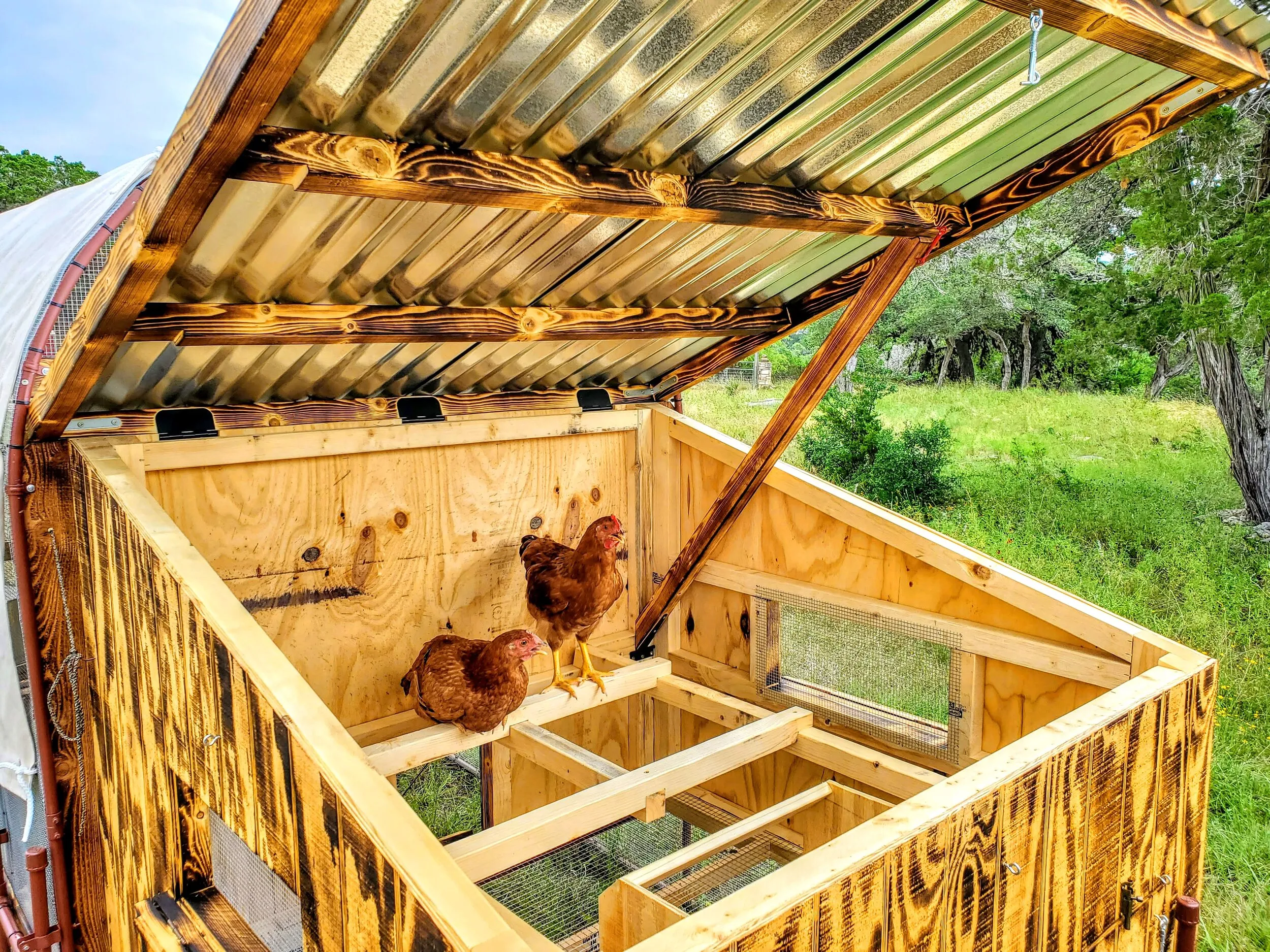
Chicken Coop Inside 101 Secrets Revealed
Creating a chicken coop inside your home, garage, or outbuilding offers a unique approach to raising chickens. It provides protection from the elements, predators, and offers greater control over the environment. This guide will walk you through the essential secrets of designing a successful and comfortable chicken coop inside your space. From planning and construction to maintenance and aesthetics, you will find all the necessary information to create a haven for your feathered friends. This is not just about building a coop; it’s about creating a healthy and happy environment for your chickens to thrive.
Planning Your Chicken Coop Inside
Before you start building, thorough planning is crucial. Consider the available space, the number of chickens you intend to keep, and the specific needs of your birds. This initial phase ensures your project’s success and your chickens’ well-being. Proper planning minimizes potential issues and maximizes the benefits of having a coop inside.
Assessing Your Space

Carefully evaluate the chosen area. Measure the available dimensions and consider the layout. Is the space well-ventilated, or can it be improved? Does it have easy access for cleaning and maintenance? Think about the flow of movement within the coop and how you’ll access it for feeding, watering, and collecting eggs. (Image chicken-coop-inside-overview.webp)
Determining Coop Size
Provide enough space per chicken to prevent overcrowding. A general rule of thumb is to allow at least 4 square feet of floor space per bird inside the coop and 8-10 square feet in the outdoor run, if you have one. Consider the breed of your chickens, as larger breeds require more space. Overcrowding leads to stress, disease, and behavioral issues like pecking.
Choosing the Right Location Inside
Choose a location that is easily accessible for daily care. Consider proximity to a water source and electrical outlets, especially for lighting and heating/cooling systems. The location should be sheltered from direct sunlight and drafts. Ensure good airflow and ventilation, avoiding areas prone to dampness, which can lead to health problems for your chickens. A location like a garage or a dedicated room is ideal.
Essential Elements of a Chicken Coop Inside

The essential components of a chicken coop inside include nesting boxes, roosting bars, and appropriate feeders and waterers. These elements are vital for the health and comfort of your chickens. They also contribute to the overall functionality and ease of maintenance of the coop. Careful consideration of these elements ensures a harmonious living space for both you and your flock.
Nesting Boxes Explained
Provide one nesting box for every 3-4 hens. Nesting boxes should be placed in a dark, secluded area, away from drafts and direct sunlight. They should be raised off the floor to provide added security and comfort. The size of the nesting boxes should accommodate your breed of chickens; generally, 12x12 inches is sufficient. Line the boxes with soft, absorbent bedding such as straw, hay, or wood shavings. (Image nesting-box-design.webp)
Roosting Bars Design
Roosting bars are essential for chickens to sleep comfortably at night. Place the roosting bars at a height that allows the chickens to easily access them, usually about 2-4 feet off the ground. Provide approximately 8-10 inches of roosting space per chicken. Use smooth, rounded bars, such as a 2x4 board with the edges rounded, to prevent foot injuries. Position the roosting bars away from the nesting boxes to avoid droppings in the boxes.
Feeder and Waterer Placement

Place feeders and waterers in a location that is easily accessible and clean. Consider using elevated feeders and waterers to minimize spillage and prevent contamination. Choose feeders and waterers that are easy to clean and maintain. Regularly check and replenish the food and water to ensure your chickens always have access to fresh resources.
Flooring Options and Management
The choice of flooring significantly impacts the hygiene, maintenance, and health of your chickens. Careful selection and management of the coop’s flooring will improve the overall environment inside. Regular cleaning and maintenance are essential to prevent diseases and keep your chickens healthy and happy.
Solid Flooring vs Wire Flooring
Solid flooring, such as plywood or concrete, is easier to clean and manage. It provides a more comfortable surface for the chickens to walk and rest on. Wire flooring allows droppings to fall through, which can help with cleanliness, but it can be hard on the chickens’ feet and may require additional bedding. The choice depends on your preferences and the specific requirements of your chickens.
Cleaning and Maintenance Protocols

Regularly clean the coop to maintain a healthy environment. Remove droppings and soiled bedding daily. Deep clean the entire coop at least once a week. Sanitize the coop with a poultry-safe disinfectant. Ensure proper ventilation to keep the coop dry. Implement a cleaning schedule and stick to it. Maintaining a clean coop reduces the risk of disease and pest infestations.
Ventilation and Air Quality
Good ventilation is crucial for maintaining air quality and preventing respiratory issues in chickens. Ventilation helps remove ammonia, moisture, and other harmful gases that can build up inside the coop. Proper ventilation is essential for the health and well-being of your chickens and the overall success of your indoor coop.
The Importance of Ventilation
Proper ventilation prevents the buildup of ammonia from chicken droppings. High levels of ammonia can cause respiratory problems and eye irritation. Ventilation also helps to control moisture levels, preventing the growth of mold and mildew. It regulates the temperature and maintains a healthy, comfortable environment for the chickens. Insufficient ventilation often leads to numerous health issues, impacting your flock.
Ventilation Systems and Design

Include a combination of vents, windows, and fans to ensure good airflow. Ensure that there are openings near the roof to allow warm, moist air to escape. Place vents or windows strategically to avoid drafts directly on the chickens. Consider using a fan to improve air circulation, particularly in larger coops or in areas with limited natural ventilation. (Image coop-ventilation-system.webp)
Lighting Strategies for Your Coop Inside
Lighting plays a vital role in the health, productivity, and well-being of your chickens. The right lighting setup can improve egg production, regulate the chickens’ internal clock, and even influence their behavior. Strategic lighting design is a critical element of a well-planned indoor coop.
Natural Lighting Solutions
Maximize natural light by placing windows strategically to allow sunlight to enter the coop. Ensure windows are securely screened to prevent predators from entering. Position the coop in a way that allows the windows to receive sunlight throughout the day. Natural light provides essential vitamins and helps to regulate the chickens’ natural cycles.
Artificial Lighting Options

Provide supplemental lighting during the winter months to maintain egg production. Use LED lights specifically designed for poultry, as they are energy-efficient and emit the correct spectrum of light. Use timers to control the lighting schedule, providing approximately 14-16 hours of light per day during the laying season. (Image coop-lighting-solutions.webp)
Managing Temperature Inside the Chicken Coop
Chickens are sensitive to extreme temperatures, so maintaining a comfortable environment inside the coop is important. Proper temperature management helps prevent stress and health issues. The ability to regulate temperature ensures the chickens can thrive regardless of external conditions.
Heating and Cooling Considerations
During winter, provide supplemental heat using safe heating lamps or heated roosts. Avoid using space heaters, as they can be a fire hazard. During summer, provide adequate ventilation and consider using fans to circulate air. Provide shade and ensure access to fresh, cool water. Regularly monitor the temperature inside the coop.
Insulation Techniques
Insulate the coop walls and roof to maintain a consistent temperature. Use insulation materials like fiberglass or foam board. Ensure that the insulation is properly sealed to prevent drafts and moisture buildup. Insulation helps to regulate temperature, keeping the coop warmer in winter and cooler in summer.
Pest Control Inside the Coop
Pest control is essential for maintaining a healthy and safe environment for your chickens. Regular pest control measures prevent infestations and protect your chickens from diseases. Implementing an effective pest control strategy will minimize potential problems.
Preventive Measures
Regularly inspect the coop for signs of pests, such as mites, lice, and rodents. Seal any cracks or openings where pests can enter. Keep the coop clean and free of food scraps that could attract pests. Use hardware cloth to cover any openings. Store feed in airtight containers to prevent access by pests.
Safe Pest Control Methods
Use diatomaceous earth (DE) to control mites and lice. Apply DE to nesting boxes, roosting bars, and around the coop. Use natural insecticides, such as cedar shavings, which repel insects. Regularly clean and disinfect the coop. Avoid using chemical pesticides that could be harmful to your chickens. (Image coop-pest-control.webp)
Final Touches and Decorating Ideas
Adding final touches to your coop can create a comfortable environment and enhance the overall aesthetic appeal. These finishing touches add a personalized feel and ensure your chickens thrive in their living space. A well-designed and thoughtfully decorated coop reflects the care and attention you give to your flock.
Creating a Comfortable Environment
Provide soft bedding in nesting boxes and on the floor. Ensure that the roosting bars are comfortable. Offer enrichment activities, such as a dust bath area, swings, or toys, to keep the chickens entertained. Provide access to fresh water and feed at all times. Minimize stress factors, such as overcrowding and noise.
Decorating to Enhance the Space
Add decorative elements such as paint, stencils, or artwork. Use themed decorations to add personality to your coop. Incorporate natural elements such as plants (ensure they are safe for chickens). Consider adding a small outdoor run for your chickens to enjoy fresh air and sunlight (if space permits).