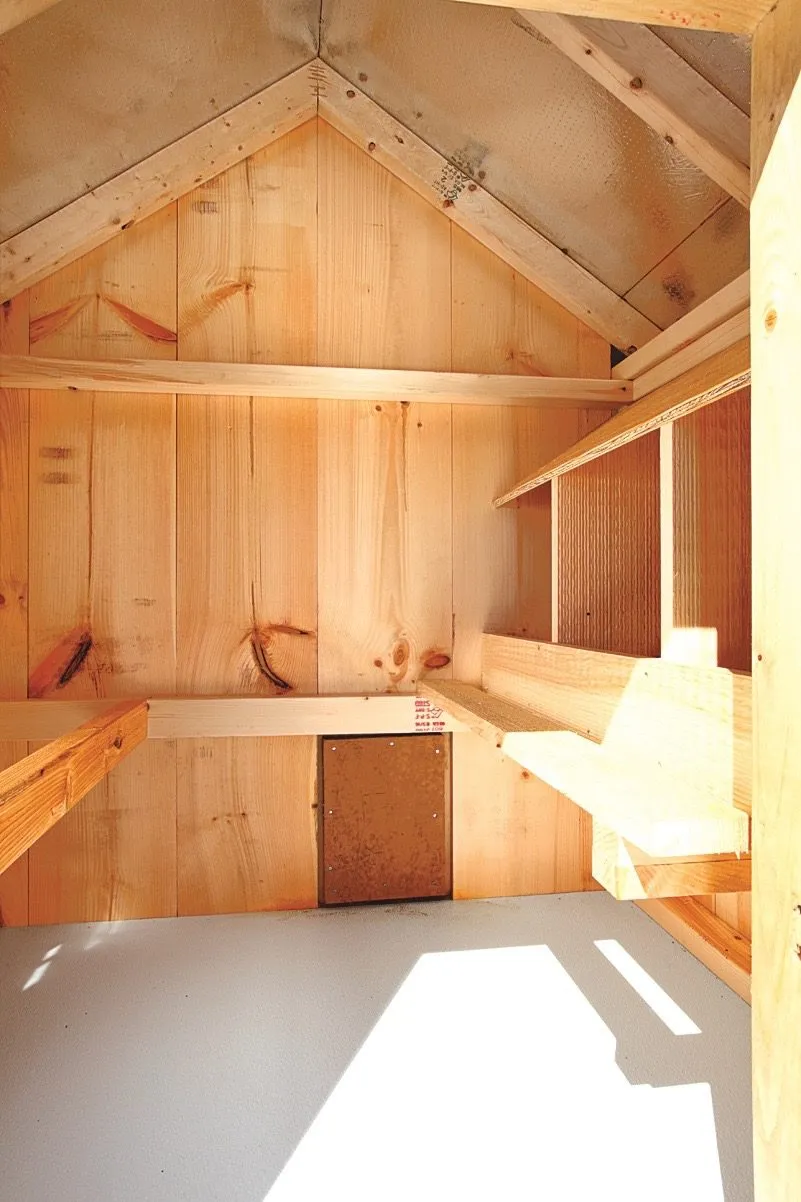
Essential Features: Chicken Coop Interior
Creating the perfect chicken coop interior is about more than just providing shelter; it’s about designing a comfortable, safe, and productive environment for your flock. A well-designed coop interior not only keeps your chickens happy and healthy but also simplifies your chores and contributes to the overall success of your backyard poultry venture. The interior of your chicken coop directly impacts the chickens’ well-being, egg production, and susceptibility to diseases. A thoughtfully designed coop minimizes stress, promotes natural behaviors, and makes it easier for you to maintain a clean and healthy environment. This article covers the top 7 essential features you should consider when designing or upgrading your chicken coop’s interior.
The Importance of a Good Coop Interior
The interior design of a chicken coop plays a crucial role in the health, happiness, and productivity of your chickens. A well-planned coop provides protection from the elements, predators, and promotes a healthy environment where chickens can thrive. The interior setup impacts everything from egg-laying efficiency to the chickens’ social interactions and overall well-being. A poor interior design, on the other hand, can lead to stress, illness, and reduced egg production. Overcrowding, lack of ventilation, or inadequate space for roosting and nesting can create an environment ripe for disease and behavioral problems such as feather pecking or bullying. Therefore, investing time and effort into designing the coop interior pays dividends in terms of healthier birds and a more pleasant experience for both you and your flock.
Why Interior Design Matters for Chickens

Interior design in a chicken coop is vital for mimicking a natural and comfortable habitat, leading to happier and healthier chickens. Chickens are sensitive creatures, and their environment directly affects their physical and mental health. Factors such as the availability of safe nesting boxes, adequate roosting space, proper ventilation, and sufficient room to move around all contribute to their well-being. An environment that aligns with chickens’ natural instincts and behaviors, such as dust bathing, roosting at night, and nesting in secluded areas, can reduce stress and improve overall welfare. Furthermore, a well-designed coop interior makes it easier to maintain cleanliness and prevent the buildup of harmful bacteria and parasites, which helps to minimize the risk of disease within the flock.
Nesting Boxes: Comfort and Privacy
Nesting boxes are a fundamental component of any well-designed chicken coop interior, providing a safe and private space for hens to lay their eggs. These boxes should be strategically placed to offer hens a sense of security, encouraging them to lay in the designated area rather than elsewhere in the coop. Adequate nesting boxes are crucial for reducing stress and ensuring the chickens feel comfortable laying their eggs. Nesting boxes also protect eggs from getting broken or soiled, making egg collection easier and more efficient. The ideal number of nesting boxes depends on the size of your flock, but a general rule is one nesting box for every three to four hens. Properly designed nesting boxes are essential for promoting good hygiene and ease of egg collection.
Optimal Nesting Box Dimensions
The dimensions of nesting boxes are crucial for ensuring chickens have enough space to feel comfortable and lay their eggs without overcrowding. A standard size for a nesting box is typically around 12 inches wide, 12 inches deep, and 12 inches tall, but this can vary depending on the breed of your chickens. Larger breeds might need slightly larger boxes to fit comfortably. The box should be large enough for a hen to turn around and settle in but not so large that multiple hens try to occupy the same space. Avoid making the boxes too high, as this can make it difficult for hens to enter and exit, especially older birds. Providing adequate space ensures each hen has her own safe and comfortable place to lay eggs, minimizing stress and encouraging regular egg production.
Materials for Nesting Boxes

The choice of materials for nesting boxes is important for durability, cleanliness, and the comfort of the hens. Wood is a popular choice for nesting boxes due to its natural insulation properties and ease of construction, but it can absorb moisture and harbor mites if not properly maintained. Plywood is often used for its durability, though it must be sealed to prevent water damage and splintering. Metal nesting boxes are also available and offer excellent durability and are easy to clean. However, they can be colder in the winter and may require insulation. Plastic nesting boxes are another option, offering ease of cleaning and resistance to mites and bacteria. Regardless of the material, ensure the box is free from sharp edges or splinters that could injure the hens. Consider using materials that are easy to clean and disinfect to maintain a healthy environment.
Placement and Accessibility
The location and accessibility of nesting boxes are key to encouraging chickens to use them regularly. Nesting boxes should be placed in a secluded, quiet area of the coop, away from high-traffic zones or direct sunlight. Chickens feel more secure when laying in a private space, and a dark, enclosed environment can encourage egg-laying. Position the boxes slightly off the ground to prevent moisture buildup and make it easier for the hens to enter and exit. The entrance to the nesting box should be easily accessible, usually with a small lip or step to help the hens climb in. Ensure the boxes are stable and securely attached to the coop structure to prevent them from tipping over. Regularly inspect the boxes to ensure they remain clean and inviting, removing any soiled bedding and replacing it with fresh material.
Roosting Bars: Where Chickens Sleep
Roosting bars are essential for chickens, as they provide a safe and comfortable place to sleep at night. Chickens instinctively roost off the ground for protection from predators and to conserve body heat. The design and placement of roosting bars are crucial for the health and well-being of your flock. A properly designed roosting system promotes a natural sleeping posture, helping the chickens to rest and relax, which contributes to their overall health and egg production. The ideal roosting setup will accommodate the number of chickens in your flock, providing enough space for each bird to comfortably settle in without overcrowding. Properly installed roosting bars improve sanitation in the coop by keeping the chickens’ waste off the floor, making cleaning easier. The right roosting bars provide a secure place for your chickens to sleep and rest comfortably.
Roosting Bar Placement and Design

The placement and design of roosting bars are crucial for maximizing comfort and ensuring the chickens’ well-being. Roosting bars should be positioned higher than the nesting boxes, allowing the chickens to roost above the boxes and reducing the likelihood of them soiling the eggs. Place the bars horizontally, a few feet from the floor, with enough space above them for the chickens to comfortably settle without touching the roof. The bars should be spaced far enough apart to prevent overcrowding, and the number of bars should be sufficient to accommodate all the chickens in your flock. The design should take into account the breeds you have, as some breeds may prefer wider or more narrow bars. Consider the placement near the ventilation to allow fresh air to circulate and away from drafts that could make the chickens uncomfortable.
Choosing the Right Roosting Bar Materials
Selecting the right materials for roosting bars is important for durability, comfort, and sanitation. The ideal material should be comfortable for the chickens’ feet, durable, and easy to clean. Wood is a popular choice, as it provides a natural feel and can be easily cut and shaped. Rounded edges are recommended to prevent injury and to encourage the chickens to grip the bar comfortably. Untreated wood is generally preferred to avoid the risk of chemical exposure. Another alternative is using tree branches, which provide a more natural roosting experience; ensure that the branches are sturdy and free of pests. Avoid using materials like metal that can become very cold in winter and cause discomfort. Whatever material you choose, make sure it’s easily cleaned and maintained to prevent the buildup of waste and bacteria.
Ventilation: Fresh Air is Key
Proper ventilation is crucial for maintaining a healthy environment in your chicken coop. Good ventilation helps to remove moisture, ammonia, and other harmful gases that can accumulate from chicken droppings. A well-ventilated coop reduces the risk of respiratory illnesses, which are common among chickens. It also helps to regulate the temperature inside the coop, preventing it from becoming too hot in the summer and too cold in the winter. Proper ventilation is essential for removing stale air and introducing fresh air, creating a healthier environment. Well-ventilated coops also minimize condensation and reduce the growth of mold and bacteria, contributing to the overall health of your flock and making your coop easier to maintain.
Proper Ventilation Systems

There are several methods to implement a proper ventilation system in your chicken coop. Natural ventilation, using vents, windows, and the coop’s design, is the most straightforward and cost-effective. Place vents high in the coop walls to allow warm, moist air to escape and lower vents to bring in fresh, cool air. Ensure that windows are covered with hardware cloth to prevent predators from entering. You can also use a gable roof with a ridge vent to facilitate airflow. For larger coops or areas with poor air circulation, consider installing a fan. Fans should be positioned to draw air out of the coop, creating a negative pressure that pulls fresh air in through the vents. Make sure to protect the fan from the elements and keep it clean. The ventilation strategy must be appropriate for your climate, considering both hot and cold weather conditions.
Preventing Drafts While Ventilating
While ventilation is crucial, preventing drafts is equally important. Drafts can make chickens uncomfortable and more susceptible to illnesses, particularly in cold weather. The key is to balance the need for airflow with the requirement for a draft-free environment. Avoid placing vents directly at the level where the chickens roost or where they spend most of their time. Windows and vents should be designed to direct the airflow up and away from the chickens. Insulating the coop can help reduce the need for excessive ventilation, as it keeps the coop warmer in the winter and cooler in the summer. Regularly inspect the coop for drafts and make adjustments as needed. During very cold weather, you might need to close some vents slightly to prevent drafts, but always ensure some ventilation is maintained.
Cleaning and Maintenance for Air Quality
Regular cleaning and maintenance are essential for maintaining good air quality in your chicken coop. Remove droppings regularly to prevent the buildup of ammonia, a harmful gas that can irritate the chickens’ respiratory systems. You can use a deep litter method, where you add fresh bedding on top of old bedding, or you can clean the coop completely on a regular basis. Remove any wet or soiled bedding immediately. The bedding should be changed frequently enough to prevent ammonia levels from rising. Ensure the coop is dry; moisture promotes the growth of mold and bacteria. A well-maintained coop promotes better air quality and keeps your chickens healthy. Consider using a coop cleaning schedule to make sure you are removing droppings and replacing bedding on a consistent basis. Inspect the ventilation system regularly to ensure it’s functioning correctly.
Flooring: Durable and Hygienic

The flooring of your chicken coop is a critical component that directly affects hygiene, ease of cleaning, and the overall health of your flock. The ideal flooring should be durable, easy to clean, and resistant to moisture, which helps prevent the buildup of bacteria, parasites, and unpleasant odors. The choice of flooring material will impact the comfort of the chickens, the amount of work required for coop maintenance, and the longevity of the coop itself. Proper flooring is essential for maintaining a healthy environment and preventing the proliferation of diseases. Choosing the right flooring ensures that the chicken coop remains a safe and comfortable place for your flock.
Options for Coop Flooring
Several flooring options are available for chicken coops, each with its own advantages and disadvantages. Concrete is a durable and easy-to-clean option, resistant to water and pests. However, it can be cold in the winter and requires proper insulation and bedding to keep the chickens comfortable. Wood flooring is another common choice, providing a warmer surface than concrete. However, wood can absorb moisture and is more susceptible to rot and pest infestations, and must be properly treated. Linoleum or vinyl flooring offers a waterproof, easy-to-clean surface. It’s important to ensure that any seams are well-sealed to prevent water from seeping underneath. Rubber mats are another option, providing a comfortable and slip-resistant surface. They are durable and easy to clean, but can be more expensive. The choice of flooring will depend on your specific needs and preferences, as well as the climate in which you live.
Pros and Cons of Different Flooring Materials
Each flooring material has its advantages and disadvantages, which you should consider before making a selection. Concrete floors are durable and resistant to pests, making them a low-maintenance option. The main drawback is that concrete can be cold, especially in winter, and might require insulation. Wood floors are warmer and provide better insulation than concrete, and they can be easier to install. However, wood is more vulnerable to moisture, which can lead to rot and require regular treatment to prevent insect infestations. Linoleum or vinyl are waterproof and very easy to clean, which is great for hygiene. But they may be susceptible to damage and need to be replaced. Rubber mats offer excellent cushioning and can be slip-resistant, but they can be costly and may require careful installation to prevent moisture from seeping underneath. Consider your budget, climate, the number of chickens, and the amount of time you’re willing to spend on maintenance.
Ease of Cleaning and Maintenance

Ease of cleaning and maintenance is a key factor when choosing flooring for your chicken coop. A well-designed floor simplifies the cleaning process, which reduces the amount of time and effort required to maintain a healthy environment. Materials like concrete, linoleum, and rubber mats are generally easier to clean compared to wood, as they do not absorb moisture and can be easily hosed down or wiped. The flooring should have a smooth surface, which prevents waste from sticking and makes sweeping or scraping easier. Consider the use of a deep litter method with materials such as straw or wood shavings, which can absorb moisture and facilitate composting. Regular cleaning is crucial to maintain hygiene and prevent the buildup of harmful bacteria and parasites. The easier the flooring is to clean, the more likely you are to maintain a clean coop, improving the health and productivity of your chickens.
Lighting: Natural and Artificial
Lighting is a vital aspect of the chicken coop interior, playing a significant role in chickens’ health, behavior, and egg production. Chickens require adequate light for normal bodily functions and to regulate their internal clock, which influences egg-laying. The lighting design in your coop affects their overall well-being. A well-lit coop helps the chickens see and navigate their environment, facilitating their daily activities. Proper lighting can also affect their mood, activity levels, and social interactions. Ensuring the right amount of light is crucial for maximizing egg production and promoting a healthy, stress-free environment.
Benefits of Natural Light
Natural light offers significant benefits for chickens, contributing to their overall health and well-being. Sunlight provides chickens with vitamin D, which is essential for calcium absorption and strong bones. Natural light also helps to regulate their circadian rhythms, which influences their eating, sleeping, and laying patterns. Exposure to natural light can help reduce stress and improve the chickens’ mood, creating a more natural and enriching environment. Utilizing windows and other openings to allow sunlight to penetrate the coop allows chickens to experience a more natural day-night cycle. The availability of natural light can also make the chickens more active and engaged, contributing to better overall health. Whenever possible, incorporate features into your coop design that maximize natural light exposure.
Using Artificial Light for Egg Production

Artificial lighting is often used to extend the laying season and increase egg production, especially during the shorter days of winter. Chickens typically lay fewer eggs when the days are short, as their egg-laying cycle is influenced by the amount of daylight. By using artificial lights, you can provide chickens with 14-16 hours of light per day. This can help to stimulate egg production throughout the winter months. The type of light used is important; LED lights are energy-efficient and do not produce as much heat as incandescent bulbs. Consider using a timer to automatically turn the lights on and off, simulating a natural day-night cycle. Avoid using lights that are too bright, which can stress the chickens. Adjust the lighting schedule gradually to avoid shocking the birds. Properly managed artificial lighting can significantly increase egg production, but it should be balanced with the chickens’ natural needs.
Safety and Placement
When installing lighting in your chicken coop, safety and placement are paramount. Ensure that all wiring and light fixtures are waterproof and protected from the elements and the chickens themselves. Place lights away from nesting boxes to prevent chickens from roosting directly on them, which could potentially cause burns. Make sure that the lighting is positioned to evenly illuminate the entire coop, avoiding dark spots that could create stress or hide pests. Position the lights where they are easily accessible for maintenance and bulb changes. Regularly inspect the lights and wiring to ensure they are functioning correctly and not posing a fire hazard. Always use fixtures and wiring that meet safety standards for outdoor use to protect the chickens and the coop.
Feeders and Waterers: Essential Components
Feeders and waterers are fundamental components of any chicken coop interior. Providing easy access to fresh food and water is essential for the health, growth, and egg production of your chickens. The choice of feeders and waterers can also impact hygiene, waste, and the ease of cleaning. Proper feeders and waterers minimize waste, prevent spillage, and keep food and water clean. Ensuring your chickens have constant access to food and water prevents stress and ensures they get the nutrients they need to thrive. Consider the needs of your flock when choosing feeders and waterers, as the correct setup contributes significantly to the success of your backyard chicken endeavor.
Types of Feeders
Several types of feeders are available, each with its own advantages and disadvantages. Trough feeders are a common choice, providing a large surface area for multiple chickens to eat at once. These feeders are suitable for dry feed and are easy to fill. Hanging feeders help reduce waste and prevent the feed from getting soiled. Treadle feeders are another option, designed to open only when a chicken steps on the treadle, which can help to keep rodents and wild birds from accessing the feed. Choose a feeder that is appropriate for the number of chickens and the type of feed you are using. Consider the material and durability of the feeder, ensuring it’s easy to clean and maintain. The right feeder will provide your chickens with easy access to their food and minimize feed waste.
Waterer Options for Your Coop
Providing clean, fresh water is crucial for your chickens’ health, and choosing the right waterer is essential. Waterers come in various forms, including traditional water founts, nipple waterers, and automatic waterers. Water founts are simple and inexpensive, but they need to be filled daily and may be more prone to contamination. Nipple waterers provide clean water on demand and reduce water waste, but they require some training for chickens to use. Automatic waterers are connected to a water source and offer a constant supply of fresh water, which can be convenient for busy chicken keepers. Consider factors such as ease of cleaning, water capacity, and whether it’s suitable for cold weather conditions. Choosing the right waterer will provide your chickens with a constant supply of fresh, clean water and contribute to their overall health and well-being.
Placement and Hygiene
The placement and hygiene of feeders and waterers are important for maintaining a clean and healthy environment in your chicken coop. Place feeders and waterers away from nesting boxes and roosting bars to prevent contamination from droppings and spilled feed. Ensure that the waterers are positioned in a location where the chickens cannot easily defecate into them. The feeders and waterers should be positioned at a height that is accessible for the chickens but not too high or too low, preventing waste and spillage. Regularly clean the feeders and waterers to prevent the buildup of bacteria, algae, and mold. Empty and clean the waterers daily or every other day and scrub the feeders regularly to remove any remaining feed. Regularly monitor the feeder and waterer levels and refill as needed. Proper placement and hygiene of feeders and waterers promote the health and well-being of your chickens.
Space Planning: Maximizing Coop Area
Effective space planning is crucial for maximizing the functionality and comfort of your chicken coop. Chickens require adequate space for various activities such as foraging, roosting, nesting, and simply moving around. A well-planned interior ensures that the chickens have enough room to express their natural behaviors, minimizing stress and promoting a healthier flock. Proper space planning also makes it easier to manage the coop and maintain cleanliness, as well as improving air circulation. The right space planning enhances the overall productivity and well-being of your flock. The optimal space planning makes it easier to maintain the coop and prevents overcrowding. Consider your chickens’ needs and plan the interior accordingly.
Calculating Space Needs per Bird
Determining the right amount of space per bird is a crucial step in coop interior design. Overcrowding can lead to stress, which causes health problems and reduced egg production. A general guideline is to provide at least 4 square feet of floor space per chicken inside the coop. However, this can vary based on the breed, with larger breeds needing more space. In addition to the floor space, you should also consider the space needed for nesting boxes, roosting bars, feeders, and waterers. Provide enough linear space for the roosting bars and plan for one nesting box for every three to four hens. Make sure to calculate the space required for all the essential components, and ensure there is enough room for the chickens to move around comfortably.
Arranging Features for Optimal Functionality
The arrangement of features inside the chicken coop can greatly affect its functionality and the chickens’ comfort. The basic principle is to consider the chickens’ natural behaviors. Place nesting boxes in a secluded and dark location to encourage hens to lay eggs in those areas. Position roosting bars higher than the nesting boxes so chickens don’t roost above the boxes. Place feeders and waterers in accessible locations that are easily cleaned. Ensure that you provide clear pathways to allow chickens to navigate and socialize within the coop. Regularly observe your flock to ensure that the layout meets their needs. A well-arranged coop ensures that all the features are functional and contribute to the chickens’ well-being and ease of management.
Creating Zones Within the Coop
Dividing the chicken coop into zones can help manage space and create a more organized environment. Create distinct zones for different activities, such as a sleeping zone, a feeding and watering zone, and a dust-bathing area. Separate these areas to promote order and prevent the spread of waste. Grouping the feeders and waterers together will make it easier to maintain. If space permits, include a separate area for a dust bath, which helps chickens to keep their feathers clean and free from parasites. You may even consider creating an area for treats and snacks or a designated area for medical care. By creating zones, you can optimize the functionality of the coop and improve the chickens’ quality of life, facilitating both the management and the chickens’ well-being.