Planning Your Chicken Coop Interiors
Creating a cozy and functional chicken coop interior is essential for the health and happiness of your flock. Proper planning ensures your chickens have a safe, comfortable, and stimulating environment. Before you start building or renovating, consider several factors, including the number of chickens you plan to house, your local climate, and the specific needs of your chicken breeds. This initial planning phase sets the foundation for a successful coop interior, preventing potential issues like overcrowding, poor ventilation, and inadequate space for essential activities. The goal is to create a balanced environment that supports their natural behaviors, such as roosting, nesting, and foraging within the coop. Careful consideration given to these elements right from the start will save time and effort later on, making both your life and your chickens’ lives easier.
Space Requirements for Chickens
Adequate space is paramount for chicken welfare and productivity. Overcrowding leads to stress, increased aggression, and a higher risk of disease. Generally, provide at least 4 square feet of floor space per chicken inside the coop. For breeds like Silkies or Bantams, this can be slightly reduced. However, for larger breeds, like Orpingtons or Brahmas, providing 5-6 square feet per bird is recommended. This space allows chickens to move freely, stretch their wings, and avoid constant contact with others, mitigating conflicts and promoting a more relaxed atmosphere. Additionally, consider the space needed for feeders, waterers, and nesting boxes; these should be placed to allow easy access without causing congestion. Proper spacing helps to ensure that your chickens are healthy, happy, and productive, and it also makes coop maintenance easier for you.
Coop Size and Chicken Numbers

The size of your coop directly correlates to the number of chickens you can comfortably and ethically house. Calculate the required floor space based on the number and breed of chickens you intend to keep. A good rule of thumb is to allow 4 square feet per standard-sized chicken and 2-3 square feet for smaller breeds. If you plan to allow chickens to free range during the day, you can slightly reduce the coop size, but still ensure enough space for roosting and shelter. Remember that it’s always better to err on the side of providing more space than needed. Overcrowding not only stresses the birds, making them more susceptible to illness, but can also lead to reduced egg production and behavioral problems. The coop should be large enough to accommodate all essential elements, including nesting boxes, roosting bars, feeders, and waterers, ensuring each chicken has access without unnecessary competition.
Essential Components for a Cozy Coop
A well-designed chicken coop interior incorporates several essential components to ensure the comfort and well-being of your flock. Nesting boxes, roosting bars, appropriate flooring, and effective ventilation are fundamental. These elements contribute to the overall health and happiness of your chickens by providing spaces for laying eggs, resting, and maintaining good air quality. Furthermore, considering the placement and design of these components can significantly impact the ease of coop maintenance. Proper layout ensures that cleaning is straightforward and that the coop remains a healthy environment for the birds. Creating an environment that supports natural behaviors like roosting and nesting is crucial for reducing stress, increasing egg production, and maintaining a healthy flock. The investment in these core components is an investment in the well-being of your chickens.
Nesting Boxes Design and Placement
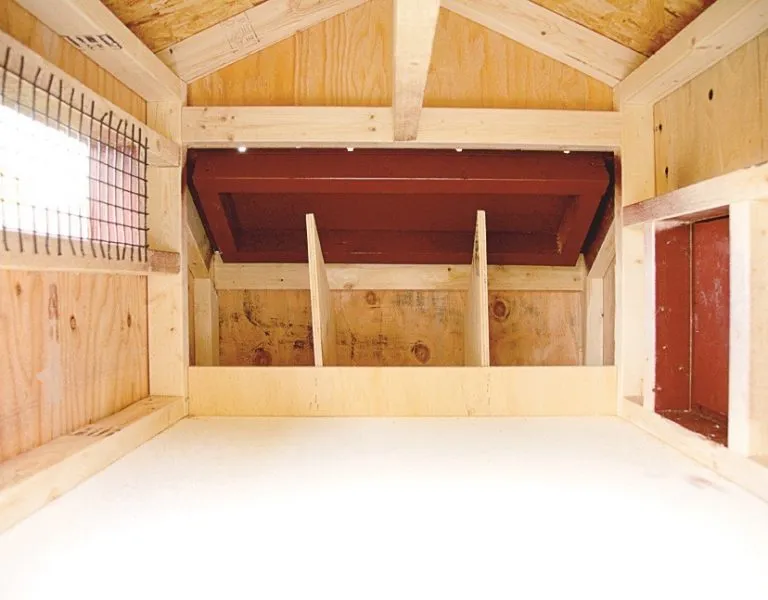
Nesting boxes are an essential part of your chicken coop interior, providing a secure and private space for hens to lay their eggs. The general rule is to provide one nesting box for every 3-4 hens. The ideal size for a nesting box is about 12x12 inches, although this can vary depending on the size of your chickens. Place nesting boxes in a quiet, dimly lit area of the coop, away from drafts and direct sunlight. Elevating them slightly off the ground can also help. Line the boxes with soft, clean bedding materials such as straw, wood shavings, or pine needles to create a comfortable and inviting space. Regularly check and clean the nesting boxes to prevent the buildup of dirt and pests. The positioning of the boxes plays a crucial role in encouraging hens to lay eggs in the designated area, which simplifies egg collection and keeps the eggs clean. Proper design and placement of nesting boxes enhance the overall functionality of the coop and contributes to your chickens’ comfort.
Roosting Bars: Comfort and Safety

Roosting bars provide a comfortable and safe place for chickens to sleep at night. Chickens naturally roost, and providing these bars allows them to perch off the ground, mimicking their natural behavior. Place the roosting bars at a height that is easily accessible to your chickens, typically 2-4 feet off the ground. Ensure the bars are wide enough for the chickens to comfortably grip, usually 2-4 inches wide, with rounded edges to prevent injury. Position the roosting bars away from walls to allow for airflow and easy cleaning. Provide enough space between bars to prevent overcrowding and conflict. Well-placed roosting bars are vital for the flock’s mental and physical well-being. Choose sturdy materials to build the roosting bars, such as wood or metal, and ensure they are securely attached to the coop’s structure. Regularly clean and maintain the roosting bars to prevent the build-up of droppings, which can lead to disease and odors. The strategic installation of roosting bars enhances the overall functionality and comfort of your coop.
Flooring Options for Your Chicken Coop
Selecting the right flooring for your chicken coop is crucial for both hygiene and ease of maintenance. Several options are available, each with its advantages and disadvantages. The most popular choices include wood, concrete, and plastic. Wood flooring offers a natural look and can provide good insulation, but it requires regular cleaning and can absorb moisture, leading to rot and the harboring of pests. Concrete flooring is durable, easy to clean, and resistant to pests, but it can be cold and may require additional bedding for comfort. Plastic flooring is another option that is easy to clean and non-absorbent, but it may not provide the same level of insulation as other materials. The best flooring option depends on your local climate, budget, and the size of your coop. Regardless of the material you choose, ensure that the flooring is easy to clean and maintain to promote a healthy environment for your chickens.
Wood, Concrete, or Plastic
When choosing flooring, the material’s impact on the chickens’ health and the ease of maintenance is key. Wood flooring provides a warmer surface and natural feel, but it necessitates more frequent cleaning and is prone to absorbing moisture, which can lead to mold and pest infestations. Concrete flooring is extremely durable and easy to disinfect, making it an excellent option for hygiene; however, it can get cold and might require additional insulation or bedding to keep the chickens comfortable, especially during colder months. Plastic flooring offers a non-absorbent and simple-to-clean surface, repelling moisture and helping control odor and pest issues. Choosing between these materials involves balancing factors such as climate, durability, and the amount of time you want to spend cleaning. If you live in a wet climate, concrete or plastic may be more suitable due to their resistance to moisture. If you live in a cold climate, wood or concrete with insulation can provide warmth. The selection of appropriate flooring directly contributes to the overall comfort and wellness of your chickens.
Ventilation and Air Quality

Proper ventilation is essential for maintaining good air quality within the chicken coop. Poor ventilation can lead to the buildup of ammonia from chicken droppings, which can irritate the respiratory systems of your chickens and lead to health problems. Good ventilation helps to remove excess moisture, preventing the growth of mold and mildew, which are harmful to chickens. Effective ventilation systems ensure a constant flow of fresh air while minimizing drafts that can chill the birds. The design should include both intake vents to bring in fresh air and exhaust vents to expel stale air and moisture. The location of vents is also essential; placing them high in the coop can help to remove warm, moist air, and strategic placement prevents drafts at the chickens’ roosting and nesting levels. This critical consideration for your chicken coop interior promotes a healthier environment, supports chicken health, and decreases the occurrence of respiratory illnesses.
Why Ventilation is Crucial
Ventilation in a chicken coop is paramount for the health and well-being of your flock. It prevents the buildup of harmful ammonia gases released from chicken droppings and reduces moisture, which can create ideal conditions for mold and bacterial growth. Adequate ventilation is critical for regulating temperature and maintaining optimal air quality, which helps prevent respiratory illnesses common among chickens. Proper ventilation also plays a crucial role in preventing the spread of diseases. Without proper airflow, diseases can spread quickly within a closed environment. Good ventilation can reduce these risks significantly. Implementing a well-designed ventilation system can drastically improve the health and overall comfort of your chickens, contributing to their productivity and lifespan. This supports a healthier environment, reducing the need for medication or treatment of illnesses, and creating a more balanced living space.
Insulation for Temperature Control
Insulation is a key element of a comfortable chicken coop, helping to regulate the internal temperature and protect your chickens from extreme weather conditions. In colder climates, insulation prevents heat loss, keeping the coop warm and preventing frostbite. In hotter climates, insulation helps to reflect heat, keeping the coop cooler during summer. Consider using materials like fiberglass, foam board, or spray foam to insulate the walls, roof, and even the floor of the coop. Proper insulation can significantly reduce energy costs if you choose to use supplemental heating or cooling systems. Insulating the coop interior not only creates a more comfortable environment for your chickens, which helps to keep the flock healthy and productive, but also extends the usability of the coop throughout the year. Planning for climate challenges through efficient insulation means a more sustainable and chicken-friendly coop.
Heating and Cooling Systems

Depending on your climate, you may need to incorporate heating or cooling systems into your chicken coop interior. In cold climates, a supplemental heater can prevent the coop from freezing, which can be detrimental to the chickens’ health. Ensure any heating system is used with appropriate safety measures, as fire is a serious concern. In hot climates, installing a fan or air conditioning unit can help to keep the coop cool and prevent heat stress. When selecting a heating or cooling system, choose one that is energy-efficient and easy to maintain. Proper ventilation is crucial for the effective use of these systems; therefore, combining insulation and ventilation is an integrated strategy. Heating and cooling systems can ensure the comfort and productivity of your flock, helping them to thrive year-round. Regular inspections and maintenance of these systems will contribute to their longevity and effectiveness, providing a comfortable living environment for your chickens.
Decorating Your Chicken Coop Interiors
While the primary focus should be on functionality and the chickens’ well-being, you can also add decorative elements to personalize your chicken coop interior. Adding aesthetic touches can make the space more pleasant for you and can add to the overall charm of your backyard. Be mindful of the chickens’ needs and preferences when choosing decorations. Avoid items that could pose a safety hazard or interfere with their movement or activities. Decorations that reflect your personality can make the coop a fun and attractive feature in your backyard while ensuring a healthy and comfortable environment for your chickens.
Adding Visual Appeal
Enhancing the visual appeal of your chicken coop interior can be achieved through various decorative elements. Painting the interior walls with bright, cheerful colors can create a more inviting space. Adding decorative touches, such as artwork or whimsical signs, can personalize the coop. Make sure to choose materials that are safe for chickens and easy to clean. Use natural elements, like branches or small plants, to add a touch of nature to the interior, providing interest and enrichment. While adding visual appeal, prioritize the health and safety of your chickens. Ensure that all decorations are non-toxic, durable, and placed in a way that doesn’t obstruct access to essential resources. These elements can create an enjoyable and visually stimulating environment while ensuring the coop remains a practical and functional space.
Practical Decorating Tips

When decorating your chicken coop interior, focus on practicality and functionality to ensure the space is both aesthetically pleasing and beneficial for your chickens. Choose durable, easy-to-clean materials to minimize maintenance. Incorporate elements that enrich the environment and support the chickens’ natural behaviors. Adding perches at varying heights can provide enrichment and exercise. Including a dust bath area will help chickens with preening and pest control. Make sure that any decorations are secured properly and do not pose any safety risks. Prioritizing safety and practicality will allow you to create a coop that is both visually appealing and provides a safe and healthy environment for your flock.
Maintaining Your Chicken Coop Interiors
Regular maintenance is essential for keeping your chicken coop interior clean, healthy, and functional. A well-maintained coop not only ensures the well-being of your chickens but also helps to prevent the spread of diseases and pests. Establish a consistent cleaning schedule, which should include daily, weekly, and monthly tasks. Daily tasks include spot cleaning, removing droppings, and checking water and food supplies. Weekly tasks involve cleaning nesting boxes and roosting bars. Monthly tasks involve a deep cleaning of the coop. Implementing a regular maintenance routine will ensure the longevity of your coop and the health of your chickens. Maintenance is critical for creating a sustainable and healthy environment for your chickens, which involves regular cleaning and sanitation, as well as effective pest control.
Cleaning and Sanitation
Regular cleaning and sanitation are fundamental to maintaining a healthy chicken coop interior. Remove droppings daily to prevent the buildup of ammonia and odors. Empty and clean nesting boxes frequently, replacing bedding with fresh, clean materials. Wash and disinfect feeders and waterers regularly to prevent the spread of disease. Perform a deep cleaning of the coop at least once a month, removing all bedding and thoroughly scrubbing the floors, walls, and any other surfaces. Use appropriate cleaning solutions that are safe for chickens and effective at killing bacteria and viruses. Always rinse thoroughly after cleaning. Cleanliness is essential for controlling diseases and ensuring your chickens’ health. Careful attention to sanitation practices contributes to the overall health and welfare of your flock and reduces the likelihood of illness and the need for medications.
Pest Control Strategies

Implementing effective pest control strategies is crucial for maintaining a healthy chicken coop interior. Common pests such as mites, lice, and rodents can cause distress to chickens, spread diseases, and damage the coop structure. Regularly inspect your coop for signs of pests. Use natural pest control methods such as diatomaceous earth, which is safe for chickens and effective against mites and lice. Maintain a clean coop environment, as pests are attracted to unsanitary conditions. Seal any cracks or holes in the coop to prevent pests from entering. Regularly remove and dispose of old bedding to prevent pest infestations. The proactive implementation of pest control measures can significantly reduce the risk of pest-related problems. Consistent monitoring and taking preventative steps contributes to a healthy environment for your chickens, ensuring they are protected from the discomfort and potential health problems associated with pests. Regular pest control helps to maintain a clean and comfortable living space for your chickens.