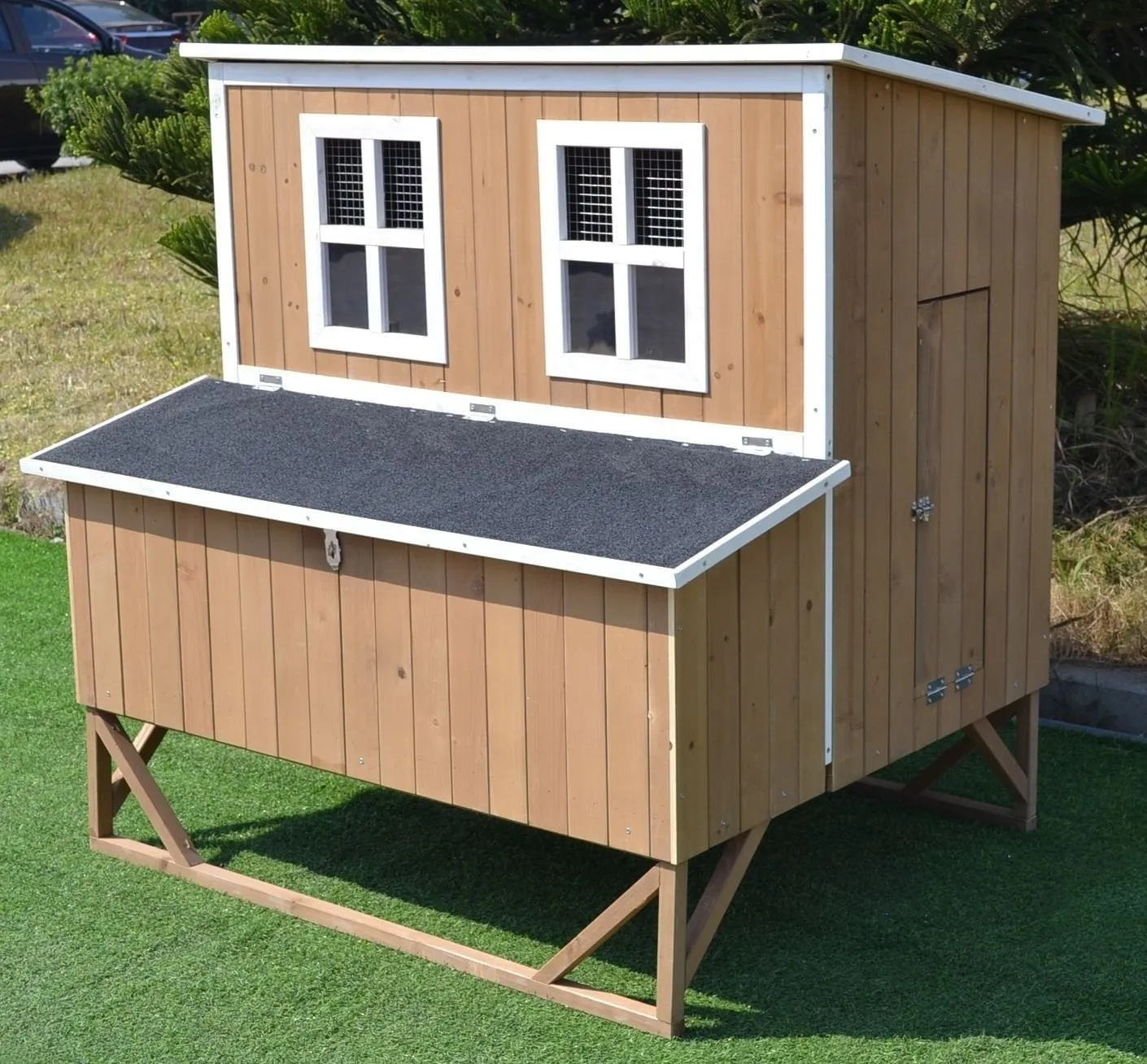
Choosing the Right Chicken Coop Kit
Building a chicken coop is a rewarding experience, providing fresh eggs and entertainment. However, choosing the right chicken coop kit is crucial for the health, safety, and happiness of your flock. With a plethora of options available, understanding the key factors will guide you to the best choice, ensuring a successful and enjoyable backyard chicken-keeping experience. From the initial planning stages to the final touches, careful consideration of various aspects will lead to a well-suited coop that meets your needs and those of your chickens.
Considerations for Chicken Coop Kits
Before purchasing a chicken coop kit, it’s essential to consider several factors to ensure it aligns with your specific requirements and environment. This involves assessing your available space, selecting appropriate materials, and understanding the ease of assembly. Thoughtful evaluation will prevent future problems and ensure that the chosen kit meets both your needs and the chickens’. This pre-planning stage is essential to ensure you create a suitable and durable home for your feathered friends, as the coop will be their primary living space.
Space Requirements

One of the most critical considerations is the amount of space the coop will provide. Chickens need adequate room to move around comfortably, roost, and lay eggs. A general guideline is to allow at least 4 square feet of floor space per chicken inside the coop and at least 8-10 square feet per chicken in the outside run area. Overcrowding can lead to stress, disease, and behavioral issues. Consider the size of your flock and the potential for future expansion when determining the coop’s dimensions. Be sure to evaluate the available space in your yard and the local zoning regulations regarding coop size and placement.
Material Selection
The materials used in the construction of the chicken coop kit are critical for durability, weather resistance, and the overall health of the chickens. Wood is a popular choice, providing good insulation and a natural look, but it requires regular maintenance. Cedar and redwood are naturally rot-resistant options. Metal coops are very durable and easy to clean but can be prone to extreme temperature fluctuations. Consider the climate in your area and the ease of maintenance when choosing the materials. Ensure that the materials are non-toxic to the chickens and can withstand the elements.
Ease of Assembly
Assess the complexity of the chicken coop kit’s assembly before purchase, especially if you are a beginner. Look for kits with clear, detailed instructions and pre-cut or pre-drilled components to simplify the process. Read reviews from other customers to gauge their experiences with the assembly. Some kits require only basic tools, while others may necessitate more specialized equipment and skills. Consider the time commitment involved in the assembly and whether you are comfortable handling the construction process yourself. The easier the assembly, the sooner you can welcome your chickens to their new home.
Essential Features to Look For

Beyond the basic structure, certain features are essential for a functional and safe chicken coop. These features enhance the chickens’ well-being and protect them from predators and the elements. Considering these features is very important for a coop that offers a good home and allows for successful chicken-keeping.
Predator-Proofing
Protecting your chickens from predators is a top priority. The coop should be constructed with sturdy materials and secure closures to prevent access by predators such as foxes, raccoons, coyotes, and even domestic pets. This includes a strong floor or buried wire mesh to prevent digging under the coop. Ensure the doors and windows are securely latched, and use hardware cloth instead of chicken wire for the run, as chicken wire is easily torn by predators. Regularly inspect the coop for any signs of damage or vulnerabilities and make necessary repairs promptly.
Ventilation and Airflow
Proper ventilation is crucial for maintaining a healthy environment inside the coop. It helps to prevent the buildup of ammonia from droppings, which can cause respiratory problems in chickens. Adequate ventilation also helps regulate the temperature and humidity levels, preventing excessive moisture that can lead to mold and mildew growth. Look for coops with vents, windows, or other features that allow for good airflow. Make sure these openings are positioned in a way that allows air circulation without creating drafts directly on the chickens.
Accessibility for Cleaning

Regular cleaning is essential for maintaining a hygienic coop. Choose a coop kit that provides easy access for cleaning. This may include a removable tray or slide-out floor for collecting droppings, a wide door for easy access, and smooth surfaces that are easy to wipe down. The ability to easily reach all areas of the coop will make the cleaning process much more manageable and less time-consuming, promoting a healthier environment for your chickens.
Step-by-Step Guide to Building Your Chicken Coop Kit
Once you’ve selected the perfect chicken coop kit, the building process can begin. Following a step-by-step approach will ensure a smooth and successful build. The process can be broken down into key phases, from site preparation to interior setup, which ensures everything is done correctly, resulting in a functional and safe home for your flock.
Preparing the Site
Before assembling your chicken coop kit, you need to prepare the site. Choose a level location that is well-drained and protected from strong winds and direct sunlight. Clear the area of any obstructions such as rocks, roots, or debris. If the ground is uneven, you may need to level it using gravel or other materials. Consider the placement of the coop in relation to your house and other structures, as well as the proximity to water and electricity sources. The proper site will greatly improve the longevity of the coop and the health of the chickens.
Gathering Tools and Materials

Before starting the assembly, gather all the necessary tools and materials. Review the kit’s instructions to determine what tools are needed, which may include a screwdriver, hammer, drill, level, and measuring tape. Ensure that you have all the components of the kit, and inspect them for any damage. It’s also wise to have additional materials on hand, such as wood sealant, screws, or nails, to reinforce the structure or make modifications as needed. Having everything ready will streamline the building process and save time.
Foundation and Base Construction
The foundation is the base of the chicken coop and provides stability and protection from the elements. Depending on the kit, you may need to construct a wooden frame or install a prefabricated base. Ensure that the foundation is level and securely anchored to the ground. If building on a concrete slab, make sure it is properly sealed. The foundation will help prevent moisture from entering the coop, and it should be built with predator-proofing in mind, such as burying hardware cloth around the perimeter to prevent digging.
Frame Assembly and Wall Installation
Following the instructions, assemble the frame of the chicken coop. This usually involves connecting the pre-cut pieces of wood or metal to create the walls, roof supports, and door frames. Use screws or nails provided in the kit to secure the frame. Once the frame is assembled, install the wall panels, ensuring that they are properly aligned and securely fastened. This phase is crucial for the structural integrity of the coop, so take care to follow the instructions precisely and ensure all connections are tight and secure.
Roofing and Weatherproofing

The roof protects the chickens from the elements and should be constructed with durable, weather-resistant materials. Depending on the kit, the roof may consist of pre-fabricated panels or individual shingles. Install the roofing material according to the instructions, ensuring proper overlap and secure fastening to prevent leaks. Consider adding weatherproofing measures, such as sealant or flashing, to further protect the coop from rain, snow, and wind. A well-constructed roof will extend the life of the coop and keep your chickens dry and comfortable.
Door and Window Installation
Install the doors and windows, ensuring they fit properly and operate smoothly. The door should be securely latched to prevent access by predators. Windows provide natural light and ventilation and should be screened to prevent insects from entering. Use hinges, handles, and latches provided in the kit, or purchase them separately if necessary. Ensure that the door and windows are sealed to prevent drafts and maintain a comfortable temperature inside the coop. Properly installed doors and windows contribute to the safety and security of the coop and the well-being of the chickens.
Interior Setup and Features
Once the basic structure is complete, it’s time to set up the interior features that will make the coop comfortable and functional for the chickens. This includes nesting boxes, roosting bars, and feeding and watering systems. Arrange the interior features to provide ample space for the chickens to move around and perform their natural behaviors. Consider the chickens’ needs and preferences when setting up the interior, ensuring they have comfortable places to roost, lay eggs, and eat and drink.
Nesting Boxes

Nesting boxes provide a safe and private space for hens to lay their eggs. The number of nesting boxes needed depends on the size of your flock, but a general rule is one nesting box for every 3-4 hens. Position the nesting boxes in a quiet, dimly lit area, away from drafts and direct sunlight. The boxes should be easily accessible for the hens and for collecting eggs. Line the boxes with soft, absorbent bedding, such as straw or wood shavings, to provide comfort and cushion the eggs.
Roosting Bars
Roosting bars provide a place for chickens to sleep and rest at night. Place the roosting bars at a comfortable height, typically a few feet off the ground, and provide enough space for each chicken to roost comfortably. Ensure the bars are wide enough for the chickens to grip and made of a non-slippery material. Position the roosting bars away from the nesting boxes to prevent soiling. This essential feature ensures the chickens are safe and well-rested overnight.
Feeding and Watering Systems
Install feeding and watering systems to provide your chickens with access to food and water at all times. Choose feeders and waterers that are appropriate for the size of your flock and easy to clean. Position the feeders and waterers in accessible locations within the coop, away from the nesting boxes and roosting bars. Consider using feeders and waterers that are designed to minimize waste and prevent contamination. Regularly check and refill the feeders and waterers to ensure your chickens always have fresh food and water.
Maintaining Your Chicken Coop Kit
Once your chicken coop kit is built and your chickens are happily settled in, it’s essential to maintain it to ensure it remains a safe and healthy environment. Regular cleaning, predator control, and seasonal adjustments are vital for the longevity of the coop and the well-being of the chickens. These maintenance practices keep the coop in optimal condition and contribute to a positive chicken-keeping experience.
Regular Cleaning and Maintenance
Regular cleaning is essential for maintaining a hygienic coop. Remove droppings, soiled bedding, and spilled food regularly. Clean the nesting boxes and roosting bars, and sweep or vacuum the floor. Wash the feeders and waterers frequently to prevent the growth of bacteria and algae. Disinfect the coop periodically using a poultry-safe disinfectant. The frequency of cleaning will depend on the size of your flock and the conditions of the coop, but a good rule is to clean the coop thoroughly at least once a week. Regular cleaning prevents disease and maintains a pleasant environment.
Pest and Predator Control
Implement measures to control pests and prevent predators from accessing the coop. Regularly inspect the coop for signs of pests, such as rodents, mites, and lice. Use appropriate pest control methods, such as diatomaceous earth or insecticidal sprays, to eliminate pests. Regularly inspect the coop for any vulnerabilities to predator attacks, such as holes in the walls or weak latches. Repair any damage promptly and reinforce the coop with additional predator-proofing measures. Predator control is essential to protect your chickens and prevent damage to the coop.
Seasonal Adjustments
Make seasonal adjustments to ensure the coop remains comfortable and safe throughout the year. In the summer, provide shade and ventilation to keep the coop cool. In the winter, provide additional insulation and consider using a heat lamp to keep the chickens warm, but use heat lamps with caution to avoid fire hazards. Ensure the coop is properly ventilated in both summer and winter to prevent the buildup of moisture. Regularly monitor the weather conditions and adjust the coop’s setup accordingly to maintain a comfortable environment for your chickens.
Tips for Success
Building and maintaining a chicken coop is a rewarding experience that provides fresh eggs and the joy of raising chickens. By following these tips, you can ensure a successful experience, from choosing the right chicken coop kit to maintaining a healthy and comfortable environment for your flock. With careful planning, diligence, and a genuine love for chickens, you can create a thriving backyard chicken-keeping setup.