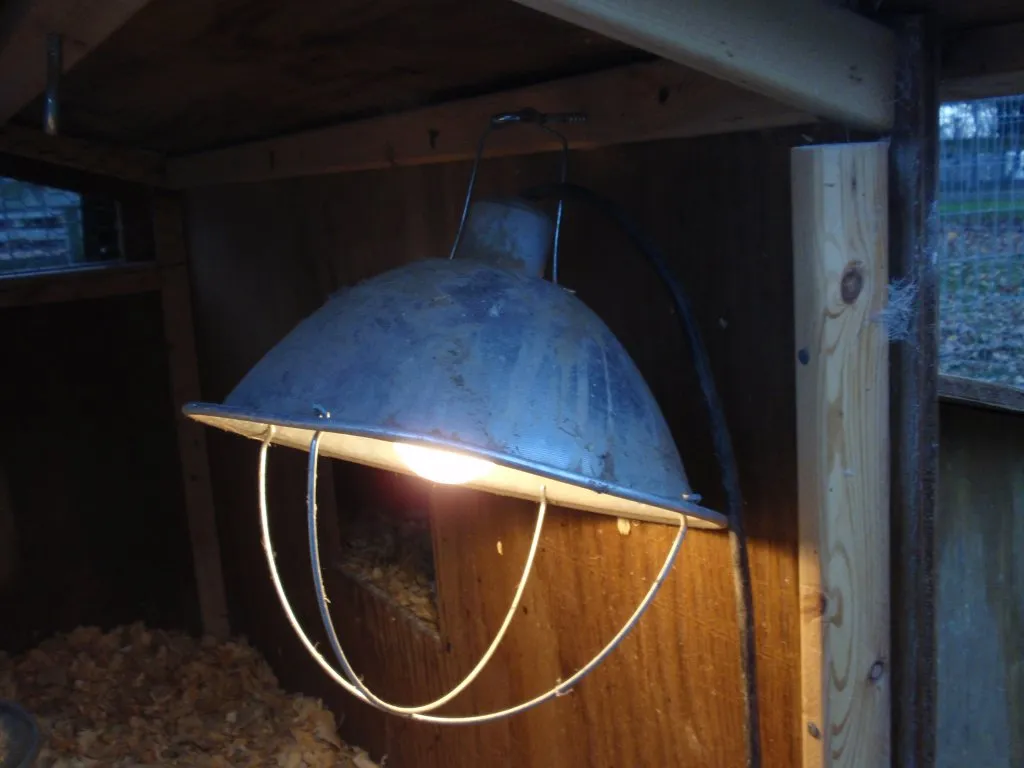
Why You Need Chicken Coop Lighting
Providing adequate light for your chicken coop is a crucial aspect of responsible chicken keeping. Many people often overlook this, but proper lighting can significantly impact your flock’s health, productivity, and overall well-being. Chickens, by nature, require a certain amount of light exposure to thrive. Without sufficient light, your chickens may experience reduced egg production, decreased activity levels, and even health problems. Therefore, understanding the importance of lighting and choosing the right setup is essential for any chicken keeper who wants a healthy and productive flock. A well-lit coop can contribute to a more harmonious environment for your chickens, allowing them to behave naturally and fulfill their biological needs.
Benefits of Chicken Coop Light
Installing the right lighting system brings a range of benefits, ensuring your chickens are happy and productive. Beyond just the basic functions of allowing chickens to see, coop lights can enhance several aspects of their lives. This includes encouraging egg production, maintaining their physical and mental health, and safeguarding them from potential threats. Selecting the proper type of light and setting up the right schedule can significantly impact your flock’s overall well-being and productivity, making it an indispensable element of a well-managed chicken coop.
Extended Laying Season

One of the primary advantages of using coop lights is extending the laying season. Chickens naturally lay eggs based on the amount of daylight they receive. During the shorter days of fall and winter, egg production often declines. By supplementing the natural light with artificial light, you can trick your chickens into thinking it’s still summertime. This will keep them laying eggs more consistently throughout the year, which can be a great way to ensure a steady supply of fresh eggs from your coop. This also enhances the economic value of raising chickens for egg production, especially if you plan to sell your eggs.
Improved Chicken Health
Light also plays a vital role in your chickens’ overall health. Sufficient light exposure can positively affect their mood, activity levels, and vitamin D production. Proper lighting can also help prevent several health issues. Chickens need enough light to see their food and water. If the coop is dark, chickens may not eat or drink properly, leading to malnutrition and health complications. Overall, a well-lit coop environment can promote healthier, happier chickens and reduce the risk of illness.
Enhanced Coop Security
Lighting can significantly enhance the security of your chicken coop. A well-lit coop is more likely to deter nocturnal predators like raccoons, foxes, and owls. Predators tend to avoid well-lit areas, making your chickens safer. Security lights can provide visibility around the coop, allowing you to notice any potential threats and take action. Furthermore, if you live in an area with frequent nighttime storms or other adverse weather, lighting can help improve visibility, allowing you to check on your chickens quickly.
Types of Chicken Coop Lights

When choosing lights for your chicken coop, you have several options. Each type of light has its pros and cons, and the best choice for you will depend on your specific needs, budget, and the size of your coop. From traditional incandescent bulbs to energy-efficient LEDs, understanding the various types of lights available will help you to choose the most suitable and safe lighting solution for your chickens.
Incandescent Bulbs
Incandescent bulbs have been a traditional choice for chicken coop lighting. They are relatively inexpensive and provide a warm, bright light. However, they also generate a lot of heat, which can be beneficial during cold winter months but can be problematic during the summer. They also have a shorter lifespan and use more energy compared to more modern options like LED lights. This makes them less efficient and can result in higher electricity costs. Because of their higher heat output, you must take extra precautions when using incandescent bulbs, especially to prevent fire hazards.
Pros and Cons of Incandescent Bulbs
- Pros Cheap upfront cost, Provides warmth in winter
- Cons High energy consumption, Short lifespan, High heat output, Higher fire risk
LED Lights

LED (Light Emitting Diode) lights are becoming an increasingly popular choice for chicken coops due to their many advantages. They are energy-efficient, long-lasting, and produce very little heat. This can help to reduce your energy bills and minimize the risk of fire hazards. LEDs come in various colors and brightness levels, allowing you to customize the lighting to suit your chickens’ needs. Although the initial cost of LED lights may be slightly higher than incandescent bulbs, their energy efficiency and longer lifespan make them a cost-effective option in the long run.
Pros and Cons of LED Lights
- Pros Energy-efficient, Long lifespan, Low heat output, Durable and safe
- Cons Higher initial cost, Some models may not provide enough heat in winter
Fluorescent Lights
Fluorescent lights are another option for coop lighting, known for their energy efficiency and relatively low heat output compared to incandescent bulbs. They come in various shapes and sizes, including compact fluorescent lamps (CFLs) and linear fluorescent tubes. While fluorescent lights are more energy-efficient than incandescent bulbs, they have a shorter lifespan than LEDs and may flicker, which could potentially stress the chickens. Also, fluorescent bulbs contain mercury, requiring careful handling and disposal.
Pros and Cons of Fluorescent Lights

- Pros Energy-efficient compared to incandescent bulbs, Available in various shapes and sizes, Relatively low heat output
- Cons Shorter lifespan than LEDs, Can flicker, Contain mercury
Factors to Consider When Choosing Chicken Coop Lights
Choosing the right light for your chicken coop involves considering several factors to ensure the best environment for your flock. From brightness and color temperature to energy efficiency and safety, each element plays a vital role. These factors will help you make an informed decision, providing your chickens with an environment conducive to their health, happiness, and productivity.
Wattage and Brightness
The wattage and brightness of the light are crucial. You want sufficient light for your chickens to see, but you don’t want to overpower the space. The ideal brightness levels depend on the size of your coop and the specific needs of your chickens. For a standard-sized coop, a light with a brightness of around 40-60 watts (equivalent for LEDs) is generally sufficient. Make sure the light is evenly distributed throughout the coop, ensuring all areas are adequately lit for the chickens.
Color Temperature

The color temperature, measured in Kelvin (K), also matters. A lower Kelvin rating (around 2700K) produces a warmer, more yellow light, while a higher rating (5000K or higher) produces a cooler, more bluish light. Warmer light is generally preferred for chicken coops, as it mimics natural sunlight and can promote better egg production and overall well-being. Avoid extremely bright or harsh lights, as they can stress the chickens. Aim for a light that provides a natural-looking environment.
Water Resistance and Durability
Chicken coops can be damp environments, especially during rainy seasons or if you live in a humid climate. It’s crucial to choose lights that are water-resistant and durable. Look for lights that are specifically designed for outdoor use or have a high IP (Ingress Protection) rating. This rating indicates how well the light is protected against water and dust. Ensure the light fixture is made of sturdy materials that can withstand the coop’s environment, preventing damage from weather conditions or accidental impacts.
Energy Efficiency
Energy efficiency is an important consideration, especially if you plan to keep your lights on for extended periods. LED lights are the most energy-efficient option, consuming significantly less electricity than incandescent or even fluorescent bulbs. Over time, the reduced energy consumption can lead to considerable savings on your electricity bills. Also, more energy-efficient lights contribute to a reduced carbon footprint, making them a more sustainable choice for your coop.
Installation and Safety Tips

Installing lights in your chicken coop is a manageable task that can be completed by following some essential safety guidelines. Proper installation ensures the lights function effectively and securely. Before you start, it’s crucial to understand the basic requirements and adhere to these safety steps, reducing the risk of electrical hazards and ensuring a safe environment for both you and your chickens.
Wiring Your Chicken Coop Light
When wiring your chicken coop light, always start by turning off the power at the circuit breaker to prevent electrical shocks. If you’re not experienced with electrical work, consider hiring a qualified electrician. Otherwise, carefully follow the wiring instructions provided with your light fixture. Use appropriate wiring for the voltage and ensure all connections are secure and properly insulated. Consider using conduit to protect the wires from damage and weather elements. Ensure that the wiring is properly grounded to prevent electric shock, which is a fundamental safety practice.
Using Timers and Sensors
To manage your coop lights effectively, consider using timers or light sensors. Timers allow you to automate the lighting schedule, turning the lights on and off at set times. This ensures your chickens receive consistent light exposure, promoting a regular laying cycle. Light sensors can detect the amount of natural light and adjust the artificial lighting accordingly, making it a more energy-efficient system. These devices not only provide convenience but also help maintain the ideal lighting conditions for your flock, even when you are not directly present to manage the lights.
Ensuring Safety

Safety should be your top priority when installing and using lights in your chicken coop. Always use lights specifically designed for the outdoors or wet environments. Position the lights securely, away from where chickens can directly reach or peck at them. Regularly inspect the wiring and fixtures for any signs of damage or wear, and replace any damaged components immediately. Use appropriate fixtures to prevent overheating and fire hazards. Regularly check the light bulbs and replace any burned-out bulbs promptly. By carefully following these safety precautions, you can provide a secure and well-lit environment for your chickens, reducing the risk of accidents.
Maintaining Your Chicken Coop Lights
Regular maintenance ensures the longevity and effectiveness of your coop lighting system. Implementing routine inspections, cleaning, and timely replacement of components is essential to sustain a well-lit and safe environment for your chickens. Proper maintenance can also help to prevent potential hazards and keep your chickens healthy and productive. Following these maintenance tips helps you to enjoy a reliable coop lighting system for years to come.
Regularly inspect your lights for any damage or wear. Check the wiring for fraying or damage and replace any worn-out components immediately. Periodically clean the light fixtures to remove dust, dirt, and debris. This helps to maintain the light’s brightness and efficiency. Clean the lenses or diffusers as needed to ensure optimal light output. Have a backup plan in case of a power outage. Having a backup light source ensures your chickens always have access to light, even during emergencies.
Choosing the right chicken coop light is critical for the health and productivity of your flock. By considering factors like the type of light, wattage, and safety precautions, you can create an environment that supports your chickens’ needs. Remember to regularly maintain your lighting system to ensure its longevity and effectiveness. With a properly lit coop, you can ensure a healthier, happier, and more productive flock.