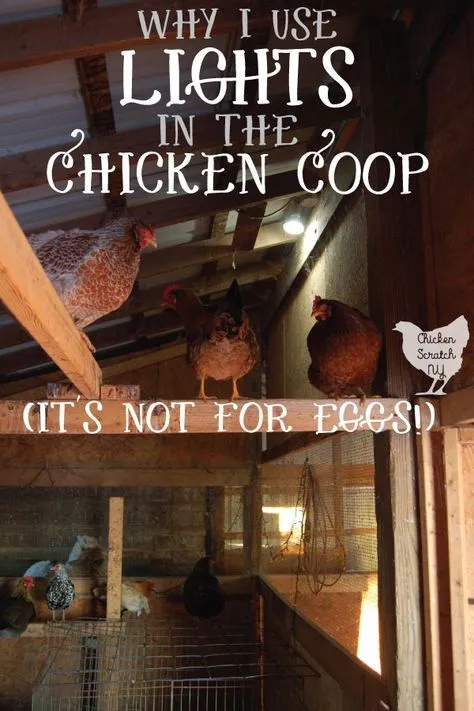
Chicken coop lighting is more than just a convenience it’s a crucial element in maintaining the health, happiness, and productivity of your backyard flock. Understanding the principles of coop lighting can significantly impact your chickens’ egg-laying capabilities, their overall well-being, and your enjoyment of raising them. This comprehensive guide, Chicken Coop Lighting 101, will walk you through everything you need to know to choose, install, and maintain the best lighting for your chicken coop.
What is Chicken Coop Lighting
Chicken coop lighting refers to the strategic use of artificial light within your chicken coop to supplement natural daylight. Chickens, like many birds, have specific needs regarding light exposure. Their biological clocks are heavily influenced by the amount of light they receive. By providing supplemental lighting, you can manipulate these biological processes to achieve various benefits, such as extending the egg-laying season and ensuring your chickens remain active and healthy, especially during the shorter days of winter.
Benefits of Chicken Coop Lighting
Implementing a well-designed lighting system in your chicken coop yields several significant advantages. These benefits extend beyond simply brightening up the coop; they directly impact your chickens’ behavior, health, and productivity. From boosting egg production to ensuring your hens remain comfortable and active during the darker months, the advantages of proper coop lighting are numerous.
Extending Daylight Hours

One of the primary benefits of chicken coop lighting is the ability to extend the amount of daylight your chickens receive. Chickens need a minimum of 14-16 hours of light per day to stimulate egg production. In the fall and winter months, natural daylight hours decrease, which can lead to a drop in egg laying. By providing artificial light, you can maintain the necessary light levels, encouraging your hens to continue laying eggs throughout the colder seasons.
Encouraging Egg Production
Egg production is directly linked to the amount of light a chicken receives. The light stimulates the hen’s pituitary gland, triggering the release of hormones that control the egg-laying process. Maintaining consistent light levels, ideally with a consistent schedule, signals to the hen’s body that it is time to lay eggs. This consistent schedule helps maintain or increase egg production, even when natural daylight hours are limited. Ensure a gradual increase in light and avoid abrupt changes to prevent stress and a potential decrease in egg production.
Improving Chicken Behavior
Beyond egg production, coop lighting can positively influence your chickens’ behavior. Adequate lighting ensures that chickens have enough time to eat, drink, and engage in natural behaviors like foraging and roosting. It can also help prevent boredom and reduce the likelihood of pecking and feather-picking, which can occur when chickens are confined and experience stress or have inadequate access to light. Consistent light cycles can also help regulate their sleep-wake patterns, contributing to overall well-being.
Choosing the Right Light Bulbs
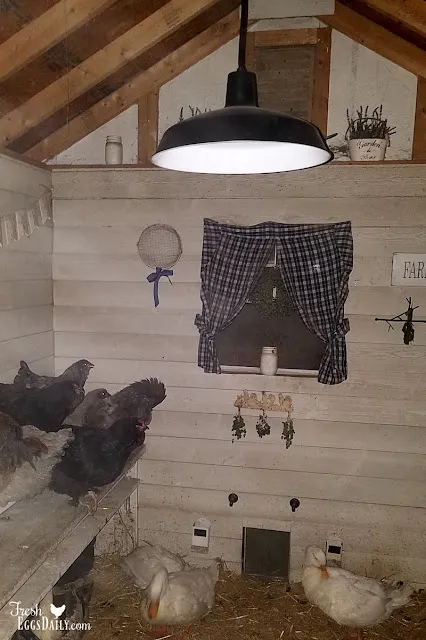
Selecting the appropriate light bulbs is crucial for creating an effective and safe lighting system in your chicken coop. Several types of bulbs are available, each with its own advantages and disadvantages. Understanding the differences between these options will enable you to make an informed decision that best suits your needs and the needs of your flock. Considering factors such as energy efficiency, safety, and the specific requirements of your chickens will help you choose the right lighting solution.
LED Lights
LED (Light Emitting Diode) lights have become a popular choice for chicken coop lighting due to their numerous benefits. LEDs are highly energy-efficient, consuming significantly less electricity than traditional incandescent bulbs. They also have a much longer lifespan, reducing the need for frequent replacements, which saves money and reduces maintenance. LED lights produce very little heat, which is a significant advantage, especially during warmer months. They are available in a variety of color temperatures and brightness levels, making it easy to customize the lighting to suit your needs.
Incandescent Lights
Incandescent lights are the traditional option for chicken coop lighting, but they are becoming less popular due to their lower energy efficiency compared to LED lights. While they are less expensive to purchase upfront, they consume more electricity and generate a significant amount of heat, which can be problematic in the summer. Incandescent bulbs have a shorter lifespan, requiring more frequent replacements. However, some chicken keepers still use incandescent bulbs, as they provide a warm, inviting light that some believe encourages egg production.
Choosing the Right Wattage

The wattage of your light bulbs determines the brightness of the light. For chicken coops, it’s generally recommended to use bulbs with a lower wattage. Too much light can stress your chickens, while too little light won’t provide the necessary stimulation for egg production. A good starting point is to use a 40-watt LED bulb for a standard-sized coop (around 8x8 feet). Adjust the wattage based on the size of your coop and the needs of your flock. Ensure the lighting is evenly distributed throughout the coop to prevent shadowy areas that could encourage bullying.
Understanding Color Temperature
Color temperature is another important factor to consider when choosing light bulbs. It is measured in Kelvin (K) and refers to the color appearance of the light. For chicken coops, a warmer color temperature (around 2700K to 3000K) is generally recommended. This range produces a soft, yellow-ish light that is less harsh on the chickens’ eyes and more closely mimics natural sunlight. Avoid bulbs with a cool color temperature (higher Kelvin), as they can be too bright and potentially stressful for your flock.
Installing Your Chicken Coop Lighting
Installing the lighting system in your chicken coop correctly is essential for ensuring the safety and well-being of your chickens. From proper placement to safe wiring practices, this section will guide you through the essential steps involved in a successful lighting installation. Following these guidelines will not only enhance your chickens’ environment but also minimize potential hazards.
Placement of Lights

The placement of lights within the coop is important for providing even illumination. Position the lights in a way that avoids creating overly bright or shadowy areas. Consider the coop’s layout, roosting bars, and nesting boxes. Hang the lights high enough to prevent chickens from pecking at them and to ensure even light distribution. Avoid placing lights directly above roosting bars to prevent disrupting the chickens’ sleep. A general rule of thumb is to space lights evenly across the ceiling or roof of the coop.
Wiring Safety
Safety is paramount when dealing with electrical wiring. Use waterproof and weather-resistant fixtures and wiring, especially if the coop is exposed to the elements. Ensure all wiring is properly insulated and protected from damage. If you’re not experienced with electrical work, it’s best to hire a qualified electrician to install the lighting system. Always use a ground fault circuit interrupter (GFCI) outlet to protect against electrical shocks. Regularly inspect the wiring and fixtures for any signs of damage or wear.
Using Timers
Using a timer is a highly recommended practice. A timer allows you to automate the lighting schedule, ensuring that your chickens receive consistent light exposure without requiring you to manually turn the lights on and off. Set the timer to provide 14-16 hours of light per day. Gradually increase the light exposure in the fall and winter, and gradually decrease it in the spring. Timers not only save time but also help maintain a consistent light cycle, which is crucial for egg production and chicken behavior.
Best Practices for Coop Lighting

Implementing best practices ensures the longevity, safety, and effectiveness of your chicken coop lighting system. From regular maintenance to adjusting lighting schedules to suit the seasons, these guidelines will help you create an optimal environment for your flock. Regular attention to these practices will maximize the benefits of coop lighting and keep your chickens happy and productive.
Maintaining Your Lighting System
Regular maintenance is key to keeping your lighting system functioning properly. Inspect the lights and fixtures regularly for any signs of wear and tear. Clean the fixtures periodically to remove dust and debris, which can reduce light output. Check the wiring for any damage and replace any worn or broken components promptly. Test the timer regularly to ensure it’s functioning correctly. By performing routine maintenance, you can extend the lifespan of your lighting system and ensure its continued effectiveness.
Winter Lighting Strategies
During the winter months, when natural daylight hours are significantly reduced, it’s crucial to implement a strategic lighting plan. Start by gradually increasing the light exposure in the fall to prepare your chickens for the shorter days. Use a timer to provide 14-16 hours of light per day, supplementing the natural daylight. Position the lights to ensure the entire coop is adequately illuminated. Monitor your chickens for any signs of stress, and adjust the lighting schedule if necessary. Remember to gradually decrease light exposure as spring approaches to avoid disrupting the hens’ laying cycle.
Troubleshooting Common Issues

Even with a well-designed lighting system, you might encounter some common issues. If egg production drops, check the lighting schedule and ensure it’s consistent. If your chickens are exhibiting unusual behaviors, such as feather pecking, ensure the coop isn’t overcrowded, and the lighting is evenly distributed. If the lights aren’t working, check the bulbs, wiring, and timer. For any electrical issues, always prioritize safety and consult a qualified electrician if needed. By understanding these common problems, you can quickly identify and resolve them to maintain a healthy and productive flock.
Chicken coop lighting is an investment that will pay off in terms of egg production, chicken well-being, and the joy of raising a healthy flock. By choosing the right lighting, installing it safely, and following best practices, you can create an environment where your chickens thrive throughout the year. Remember to consistently observe your flock, adapt to their needs, and enjoy the many rewards that come with providing them with the best possible care.