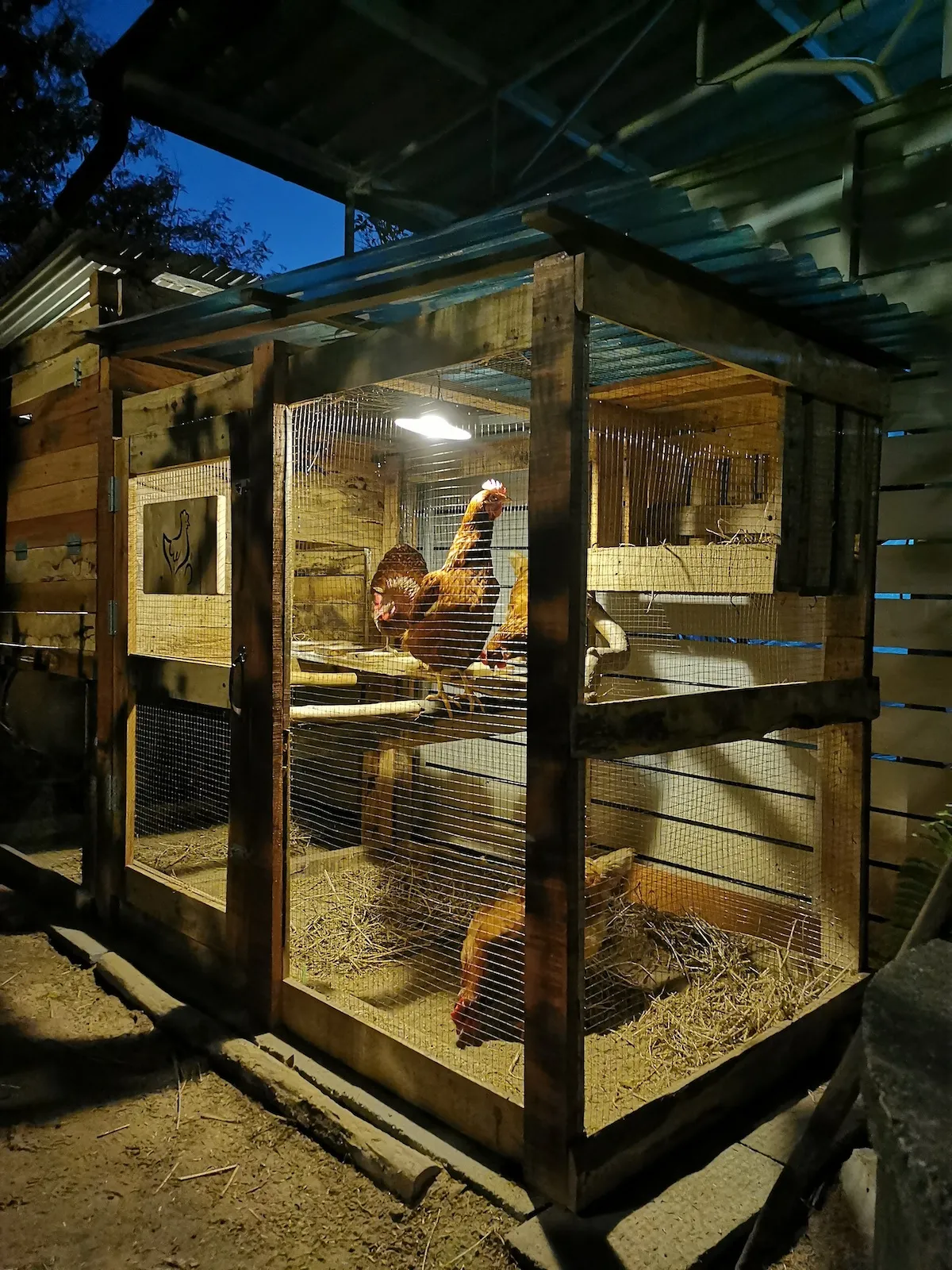
What You Need for Chicken Coop Lighting
Proper lighting in your chicken coop is crucial for the health, well-being, and productivity of your flock. It extends the laying season, improves the hens’ mood during winter months, and ensures they have enough light to eat and drink throughout the day. Choosing the right lighting setup involves understanding the type of bulbs, the appropriate wattage, and the best placement within the coop. Ensuring electrical safety is paramount. This guide will walk you through everything you need to know about effectively lighting your chicken coop. Before you start, you’ll need to assess the size of your coop and the number of chickens you have to determine the optimal lighting solution. Consider the existing electrical setup and your comfort level with electrical work, or whether you need to seek professional assistance.
Choosing the Right Light Bulbs
The type of light bulbs you choose will significantly impact your chicken coop lighting system’s effectiveness and efficiency. Different bulbs have varying lifespans, energy consumption rates, and suitability for coop environments. LED and incandescent bulbs are the most common choices, each with unique advantages and disadvantages. Considering the environmental conditions of a coop, such as moisture and temperature fluctuations, is crucial when selecting the appropriate bulbs. The right choice will not only enhance egg production but also reduce energy costs and improve the overall well-being of your chickens.
LED vs Incandescent Bulbs

LED (Light Emitting Diode) bulbs are the superior choice for chicken coop lighting due to their energy efficiency, long lifespan, and reduced heat output. They consume significantly less energy than incandescent bulbs, leading to lower electricity bills. They also last much longer, reducing the frequency of replacements. The lower heat output of LEDs is beneficial in the coop, especially during warmer months, preventing overheating and potential stress on the chickens. Incandescent bulbs, while cheaper initially, are less energy-efficient, produce more heat, and have shorter lifespans. The frequent replacement of incandescent bulbs can be a hassle and increase overall costs.
Wattage and Lumens
Wattage and lumens are crucial factors when selecting light bulbs for your chicken coop. Wattage measures the amount of energy a bulb consumes, while lumens measure the brightness or light output. For a chicken coop, you should aim for a balance between sufficient brightness and energy efficiency. A general guideline is to provide about 2-4 watts of LED light per square foot of coop space. The specific lumen output will depend on the size of your coop and the desired level of brightness. Consider using bulbs with a color temperature between 2700K and 3000K, which mimics natural daylight and is suitable for chickens’ vision.
Best Light Bulb Options
Based on the benefits of LEDs and their overall suitability for chicken coops, consider these bulb options. Look for LED bulbs specifically designed for wet locations to withstand coop conditions. Many manufacturers offer bulbs with a red or pink spectrum, which can help reduce pecking and cannibalism among chickens. Ensure the bulbs are shatterproof to prevent injury if broken. Choose bulbs with a wide beam angle to ensure even light distribution throughout the coop. Also, consider bulbs that are dimmable, which allow you to adjust the light intensity depending on the season and your chickens’ needs. These features will promote chicken health and maximize egg production.
Installing Lights in Your Chicken Coop

Proper installation of your chicken coop lighting is essential for safety and optimal performance. The installation process involves strategic placement, ensuring electrical safety, and selecting the correct wiring. Taking the time to install the lights correctly will help minimize risks and maximize the benefits of coop lighting. When planning your lighting setup, consider the size and layout of your coop, the location of nesting boxes, and any potential hazards. Additionally, proper installation contributes to the lifespan of your lighting system and reduces maintenance needs.
Placement and Safety Considerations
The placement of lights within your chicken coop should prioritize safety and functionality. Mount the lights high enough to prevent chickens from pecking at them, typically at least 6 feet off the ground. Choose a location that offers even light distribution throughout the coop, ensuring all areas receive adequate illumination. Avoid placing lights directly above nesting boxes to discourage hens from roosting there at night. Ensure all wiring and electrical components are kept out of reach of the chickens and protected from moisture. Consider using waterproof fixtures designed for outdoor or wet environments to increase the safety and longevity of your lighting system.
Wiring and Electrical Safety
Electrical safety is the most critical aspect of chicken coop lighting installation. If you are not comfortable with electrical work, consult a qualified electrician to ensure the wiring is done safely and correctly. Use appropriate gauge wiring for the wattage of the bulbs and fixtures you are using. Install GFCI (Ground Fault Circuit Interrupter) outlets to protect against electrical shock in damp environments. Ensure all connections are secure and weatherproof. Regularly inspect the wiring for any signs of damage or wear, and replace any damaged components immediately. Adhering to these safety precautions will help prevent electrical hazards and protect your chickens and yourself.
Using Timers for Automated Lighting

Using timers to control your chicken coop lighting system provides many benefits, including automation, improved efficiency, and increased egg production. Timers enable you to regulate the amount of light your chickens receive, optimizing their laying cycles and ensuring they receive adequate light throughout the day. This approach mimics natural daylight patterns, extending the laying season. Using timers also makes it easier to manage your coop’s lighting schedule, allowing you to set it and forget it. You can also save energy and reduce your electricity bill by using timers.
Benefits of Using Timers
Automated lighting with timers offers significant advantages. First, it eliminates the need for manual switching, providing consistent light exposure for your chickens. Second, it allows you to mimic natural daylight patterns, which is essential for stimulating egg production. Consistent light cycles prevent stress and promote overall health. Timers provide a predictable schedule for the chickens, helping them regulate their activities, such as feeding and roosting. Another benefit is the ability to adjust the lighting schedule seasonally, giving chickens the required light hours regardless of the natural daylight hours. This automation leads to better egg production and healthier birds.
Timer Installation
Installing a timer for your chicken coop lighting is a simple process. Choose a timer that is suitable for outdoor use, as it will be exposed to the elements. Plug the lights into the timer and the timer into a GFCI outlet. Program the timer to turn the lights on and off according to your desired schedule. Common settings include providing 14-16 hours of light per day during the laying season. Test the timer to ensure it operates correctly and adjusts the schedule as needed based on the season and your chickens’ needs. Regularly check and maintain the timer to ensure it functions correctly.
Maintaining Your Chicken Coop Lighting System

Regular maintenance is crucial for ensuring the longevity and effectiveness of your chicken coop lighting system. Routine inspections, cleaning, and troubleshooting can help identify and resolve any issues promptly. This proactive approach will reduce the risk of unexpected failures and maximize the benefits of lighting for your flock. Performing consistent maintenance ensures your chickens receive optimal lighting and ensures your investment is protected.
Regular Inspections and Cleaning
Conduct regular inspections of your lighting system to ensure all components are functioning correctly. Check the bulbs for any signs of damage, such as flickering or dimness, and replace them as needed. Inspect the wiring for any exposed or frayed wires, and replace any damaged wiring immediately. Keep the light fixtures clean from dust, dirt, and cobwebs, as these can reduce the light output and potentially pose a fire hazard. Clean the fixtures regularly using a soft cloth or brush, and ensure that all components are dry before restoring power. This attention to detail will maintain the efficiency and safety of your lighting system.
Troubleshooting Common Issues
Be prepared to troubleshoot any issues that may arise with your chicken coop lighting system. Common problems include burned-out bulbs, flickering lights, and malfunctioning timers. If a bulb burns out, replace it promptly with a new one of the correct type and wattage. If the lights are flickering, it could be a sign of a loose connection, a failing bulb, or a problem with the wiring. Check all connections and replace any damaged components. If the timer is malfunctioning, check its settings and ensure it is plugged in correctly. If the problem persists, replace the timer. If you encounter electrical problems, turn off the power and seek assistance from a qualified electrician.
Extending Daylight Hours to Boost Egg Production

One of the primary goals of chicken coop lighting is to extend daylight hours, especially during the shorter days of fall and winter. Chickens require a minimum of 14-16 hours of light per day to stimulate egg production. By providing supplemental lighting, you can trick their bodies into thinking it’s still summer, encouraging them to continue laying eggs. However, it’s essential to balance the duration of light exposure with the chickens’ overall health and well-being. Too much light or an unnatural light cycle can be harmful, so it is essential to maintain a consistent routine.
The Science Behind Light and Egg Laying
Egg laying in chickens is heavily influenced by the amount of daylight they receive. Chickens have a photoreceptor gland in their brain that responds to light. When this gland detects sufficient light, it signals the release of hormones that stimulate egg production. During the fall and winter months, as daylight hours decrease, egg production naturally declines. Supplemental lighting provides the necessary stimulus to maintain or even increase egg production during these months. The color temperature of the light can also impact the hen’s hormones, with red or pink lights sometimes used to reduce pecking behavior.
Light Duration Recommendations
The ideal light duration for maximizing egg production is 14-16 hours per day. Start with a consistent lighting schedule, maintaining it throughout the laying season. Avoid sudden changes to the light cycle, as this can stress your chickens and disrupt their laying. If you are starting with no supplemental light, gradually increase the light duration by 15 minutes per day. During the winter months, set your timer to provide the full 14-16 hours. It is recommended to use a consistent lighting schedule and avoid turning the lights off and on frequently. Doing this will create a consistent egg-laying environment.
By following these guidelines and choosing the right lighting solutions, you can significantly enhance the well-being and productivity of your chickens. Properly lighting your coop ensures your flock’s health, boosts egg production, and simplifies coop management. Regularly maintain your lighting system to ensure it functions correctly and effectively. Proper lighting is an investment in your flock’s health and productivity. Enjoy the rewards of a well-lit coop and the satisfaction of raising happy, healthy chickens!