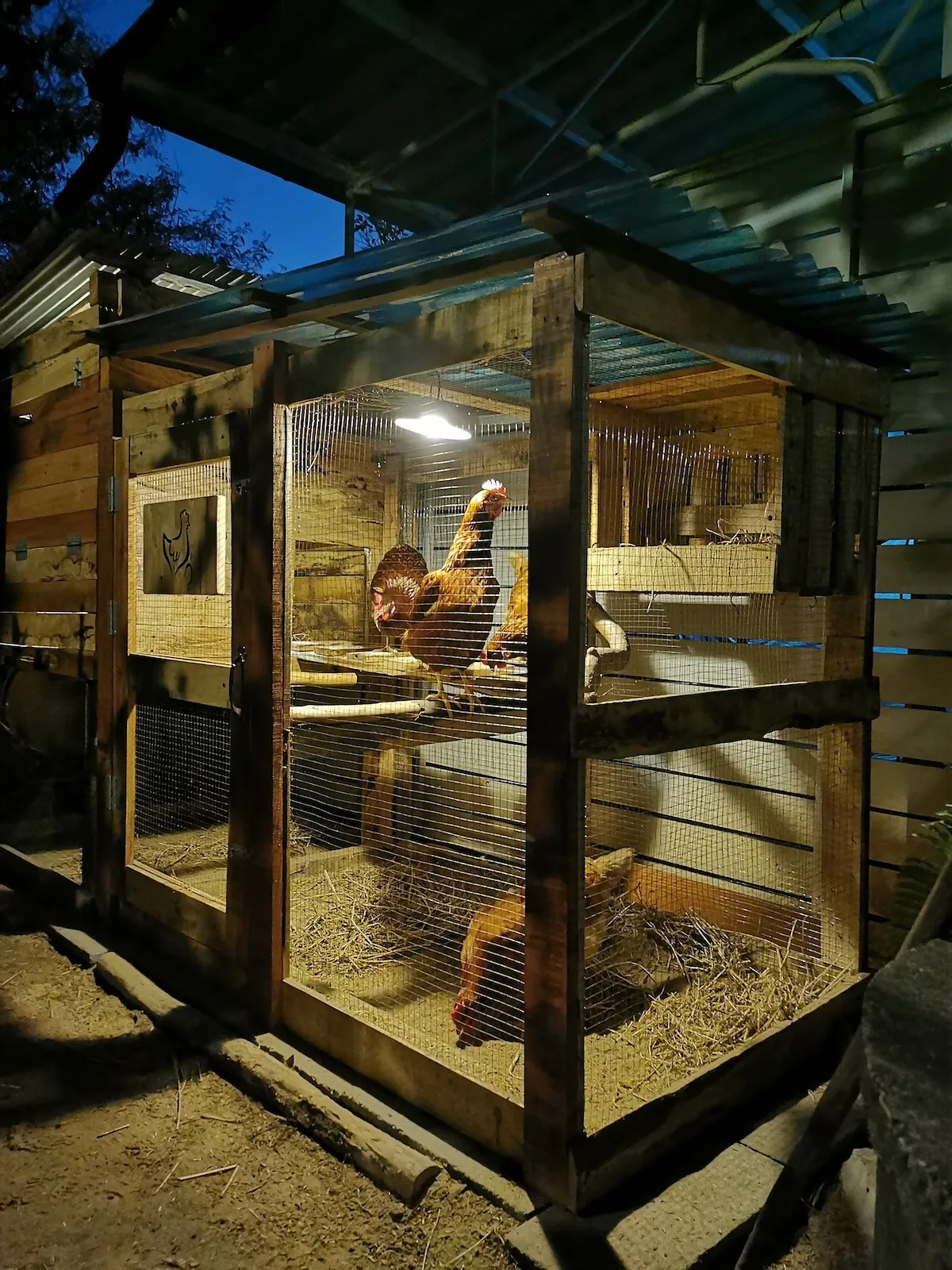
Choosing the Right Chicken Coop Lights
Providing the right lighting in your chicken coop is crucial for the health, happiness, and productivity of your flock. Choosing the correct lights for your chicken coop involves understanding your chickens’ needs, considering the different types of lighting available, and prioritizing safety. This guide will provide you with all the necessary information to make an informed decision, ensuring your chickens thrive. Proper lighting not only supports egg production but also plays a role in their overall well-being. Let’s delve into the details of selecting the best lights for your feathered friends.
Understanding Your Chickens’ Needs
Chickens have specific lighting requirements that affect their behavior and health. It’s essential to understand these needs to create an optimal environment within the coop. Light influences their circadian rhythms, which in turn impacts their feeding habits, activity levels, and, most importantly, egg-laying cycles. The appropriate light spectrum, intensity, and duration are vital for maximizing egg production and keeping your chickens healthy and content. By understanding their needs, you can choose lights that mimic natural daylight, which benefits the flock.
The Importance of Light for Egg Production

Light is a critical factor in a chicken’s egg-laying cycle. Chickens need a minimum of 14-16 hours of light per day to stimulate egg production. During the shorter days of fall and winter, the lack of natural light can significantly reduce or even halt egg production. Artificial lighting extends the daylight hours, tricking the chickens’ bodies into believing it’s still springtime, thus maintaining egg-laying. This is why many chicken keepers install lights in their coops, particularly during the colder months when natural daylight is limited. Adequate lighting ensures a steady supply of eggs throughout the year.
Seasonal Light Requirements
The amount of light required by chickens varies depending on the season. In spring and summer, when natural daylight hours are longer, chickens naturally produce more eggs. In winter, when daylight is shorter, supplementing with artificial light becomes necessary. Providing consistent light duration helps maintain a regular laying cycle. However, avoid over-lighting, as excessive light can lead to stress and health issues. The goal is to replicate the natural light cycle to maintain optimal health and egg production.
Types of Chicken Coop Lighting
There are several types of lighting options available for chicken coops, each with its own set of pros and cons. The choice depends on factors such as energy efficiency, safety, and cost. Understanding the differences between these lighting options will help you make an informed decision that suits your specific needs. Consider the long-term cost, durability, and ease of maintenance when making your selection. The right lighting choice balances the needs of your chickens with your practical considerations.
Incandescent Bulbs Pros and Cons

Incandescent bulbs are a traditional lighting option, known for their low upfront cost. They provide a warm light that can be beneficial in colder climates, helping to keep the coop slightly warmer. However, incandescent bulbs are energy-inefficient, converting most of the electricity into heat rather than light. This means higher energy bills and a shorter lifespan compared to other options. Their high heat output can also pose a fire risk if not installed properly. While they are initially inexpensive, the long-term costs often outweigh the benefits.
LED Lights Benefits and Drawbacks
LED (Light Emitting Diode) lights are becoming increasingly popular for chicken coops due to their energy efficiency and long lifespan. LED bulbs consume significantly less energy than incandescent bulbs and last much longer, reducing the frequency of replacements. They also emit less heat, which is a safer option, especially in warmer climates. The initial cost of LED lights is generally higher, but the savings in energy costs and reduced maintenance make them a cost-effective choice over time. Ensure the LED lights are specifically designed for poultry, providing the correct light spectrum.
Fluorescent Lights Considerations
Fluorescent lights are another energy-efficient option for chicken coops. They offer a good balance between energy consumption and light output. However, they contain mercury, which requires careful handling and disposal. Fluorescent bulbs also have a shorter lifespan than LEDs and may flicker, which can be stressful for chickens. While they are more energy-efficient than incandescent bulbs, the need for proper disposal and potential for flicker can make them less desirable than LED options. Choose fluorescent bulbs designed for agricultural use to ensure the appropriate light spectrum.
Choosing the Right Wattage

Selecting the appropriate wattage for your chicken coop is essential for providing adequate light without wasting energy. The wattage depends on the size of the coop and the desired light intensity. Over-lighting can lead to stress and behavioral problems in chickens, while under-lighting can hinder egg production. It is important to strike a balance to ensure a healthy environment for the flock. The correct wattage contributes to the overall well-being and productivity of your chickens, making it a critical consideration in your lighting setup.
Factors to Consider Selecting Wattage
When selecting the wattage for your chicken coop lights, consider the coop’s size, the type of light fixture, and the desired brightness level. A smaller coop requires less wattage than a larger one. For LED lights, pay attention to the lumen output, which indicates brightness, rather than the wattage. Ensure the light provides adequate coverage throughout the coop, including nesting boxes and roosting areas. Proper wattage and light distribution are crucial for maintaining a healthy and productive flock.
How Light Affects Chickens
Light directly affects chickens’ behavior, hormone levels, and egg production. The intensity and duration of light influence the release of hormones that control egg-laying. Insufficient light can result in reduced egg production, while excessive light can lead to stress, feather pecking, and other behavioral issues. Providing the right balance of light encourages consistent egg production and promotes the overall health and well-being of the flock. Understanding how light impacts your chickens helps you make informed choices about your lighting setup.
Safety and Installation Tips

Safety is paramount when installing lights in your chicken coop. Electrical work in a potentially damp environment requires careful planning and execution. Proper installation ensures the safety of both the chickens and yourself, reducing the risk of fire and electrical hazards. Always follow safety guidelines and use appropriate materials to prevent accidents. Taking the necessary precautions will protect your flock and your property, allowing you to enjoy the benefits of coop lighting without the risk.
Safe Wiring Practices
When wiring your chicken coop lights, use waterproof or water-resistant fixtures and wiring to protect against moisture. Ensure all connections are properly sealed and protected to prevent corrosion and short circuits. Use the correct gauge of wire for the wattage of the bulbs to prevent overheating. If you are not comfortable with electrical work, it’s best to hire a qualified electrician. Proper wiring practices are critical for preventing electrical fires and ensuring the safety of your flock. Regular inspections of the wiring are recommended to detect any potential issues.
Waterproof Fixtures
Using waterproof fixtures is essential to protect the lights and wiring from moisture, which can lead to electrical hazards. Look for fixtures rated for outdoor or wet locations. These fixtures are designed to withstand the elements and prevent water from entering. Ensure that all connections are securely sealed to prevent water damage. Waterproof fixtures extend the life of your lighting system and provide a safer environment for your chickens. This is a vital consideration to ensure safety and durability.
Placement of Lights

Proper placement of lights is crucial for distributing light evenly throughout the coop. Place lights strategically to illuminate nesting boxes, roosting areas, and feeding stations. Avoid placing lights where they can be easily damaged or pose a hazard to the chickens. Consider the location of the light fixtures in relation to potential hazards such as water sources and ventilation openings. Correct placement ensures that all areas of the coop receive adequate light without creating shadows or glare. Proper lighting placement maximizes the effectiveness of your lighting system.
Automated Lighting Systems
Automated lighting systems offer a convenient and efficient way to manage lighting in your chicken coop. These systems use timers or sensors to control the lights, ensuring consistent light exposure for your chickens. Automated systems remove the need for manual operation and provide several benefits, including improved egg production and reduced energy costs. With the advancements in technology, automated lighting has become an increasingly popular choice for chicken keepers.
Timers and Sensors
Timers and sensors are the key components of an automated lighting system. Timers allow you to set specific on and off times for the lights, mimicking natural daylight hours. Sensors can detect the amount of available light and adjust the lights accordingly. Light sensors, for example, can turn on the coop lights when it gets dark and switch them off when the sun rises. These automation tools provide consistent lighting and reduce the need for manual adjustments. Choosing the right timer or sensor depends on your specific needs and preferences.
Benefits of Automated Lighting

Automated lighting systems offer several benefits, including consistent light schedules, which promote egg production and reduce stress. They save energy by turning off the lights when not needed, and they also provide convenience by eliminating the need for manual adjustments. Automated systems can also deter predators by automatically turning lights on at night. Automated lighting systems provide the perfect amount of light for the chickens, and help with consistent egg laying. By implementing automated lighting, chicken keepers can optimize their coop lighting and create a healthier environment for their flock.
Maintaining Your Chicken Coop Lights
Regular maintenance is essential for ensuring the longevity and effectiveness of your chicken coop lights. Routine inspections and cleaning will keep your lighting system in good working order and prevent potential problems. Taking care of your lights will also improve the safety and productivity of your flock. Incorporating these maintenance practices into your routine will extend the lifespan of your lights and prevent issues from occurring.
Regular Inspections
Conduct regular inspections to check for any signs of wear and tear. Look for loose wires, damaged fixtures, and any potential safety hazards. Test the lights to ensure they are functioning correctly and replace any bulbs that have burned out. Inspecting the wiring for damage and ensuring all connections are secure is essential. Regular inspections allow you to catch potential problems early on, preventing more serious issues. Regular inspection helps maintain a safe environment for your chickens.
Cleaning and Maintenance

Cleaning your lights and fixtures regularly is important for maintaining their efficiency and brightness. Dust and debris can accumulate, reducing the light output. Gently clean the lights with a soft cloth and avoid using harsh chemicals. Check the light fixtures for any signs of corrosion or damage and replace them if necessary. Regular cleaning ensures your lights provide optimal illumination. Keep the lights clean to make sure the chickens have the right amount of light for healthy egg production.
Troubleshooting Common Issues
It’s helpful to be prepared to troubleshoot common lighting issues. Problems can range from a burnt-out bulb to electrical issues. If a bulb burns out, simply replace it with a new one of the correct type and wattage. If the lights aren’t working, check the wiring and connections for any problems. For more serious issues, consult a qualified electrician. Being able to identify and address common problems will help you maintain a properly functioning lighting system for your chicken coop.