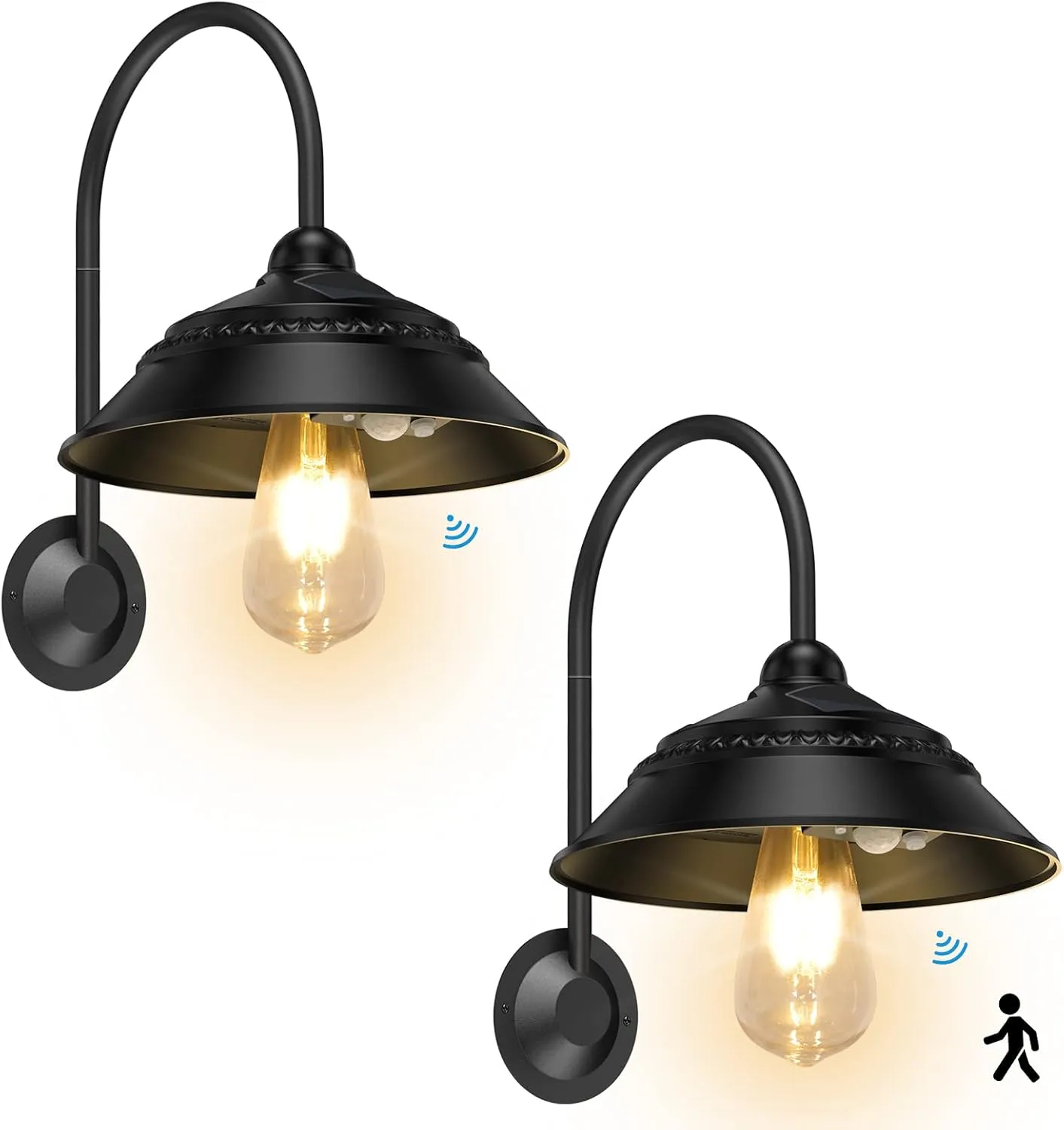
Understanding the Importance of Chicken Coop Lights
Proper lighting in your chicken coop is crucial for the health, productivity, and overall well-being of your flock. Beyond simply illuminating the space, chicken coop lights play a vital role in regulating the chickens’ biological rhythms, influencing their behavior, and maximizing egg production. Without adequate lighting, chickens may experience reduced activity, decreased egg-laying, and even develop behavioral issues. Investing time in understanding the nuances of coop lighting is an investment in your chickens’ welfare and your farming success.
Benefits of Chicken Coop Lighting
The advantages of providing appropriate lighting extend far beyond mere visibility. Effective lighting solutions can significantly enhance the lives of your chickens in numerous ways. These benefits are integral to a thriving flock and a productive coop environment.
Enhanced Egg Production
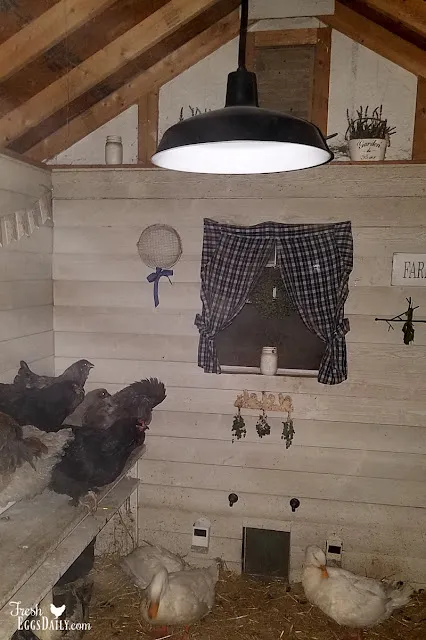
One of the most significant benefits of chicken coop lighting is its impact on egg production. Chickens need a minimum of 14-16 hours of daylight to stimulate egg-laying. By supplementing natural light with artificial light, you can extend the laying season and increase the number of eggs your hens produce. Consistent light exposure tricks the chickens’ bodies into thinking it’s always springtime, their prime laying season.
Extended Daytime Hours
During the shorter days of fall and winter, providing artificial light extends the chickens’ active hours. This allows them more time to eat, drink, and socialize, which is especially important during colder months when they may be more inclined to huddle together. Extended daytime hours also prevent chickens from becoming inactive and lethargic, supporting their overall health and vitality. This in turn can contribute to a higher quality of life for the flock and a less stressful environment.
Improved Chicken Behavior
Appropriate lighting can positively influence chicken behavior, reducing stress and promoting a calmer environment. Consistent lighting helps to regulate their circadian rhythms, minimizing disruptions and preventing nocturnal roosting. Providing well-lit spaces can prevent chickens from overcrowding, leading to less pecking and bullying. By providing optimal lighting, you’re contributing to a healthier and more harmonious environment for your flock.
Choosing the Right Type of Chicken Coop Lights

Selecting the right type of chicken coop lights involves considering various factors, including energy efficiency, safety, and the specific needs of your chickens. The market offers a range of lighting options, each with unique characteristics and suitability for different coop environments. Carefully assessing these options ensures you provide the best light solution for your flock.
LED Lights for Chicken Coops
LED lights are quickly becoming the top choice for chicken coop lighting due to their energy efficiency, long lifespan, and low heat output. These modern lights are designed to provide consistent illumination while minimizing the environmental impact. They are also available in various color temperatures, allowing you to choose the best light for your chickens’ needs.
Advantages of LED Lighting
- Energy Efficiency LEDs consume significantly less power than traditional incandescent bulbs.
- Long Lifespan LEDs can last for thousands of hours, reducing the need for frequent replacements.
- Low Heat Output LEDs produce minimal heat, reducing the risk of fire hazards and overheating the coop.
- Durability LED lights are more resistant to damage, making them suitable for coop environments.
- Variety of Options LEDs come in a variety of color temperatures and intensities
Incandescent Bulbs for Chicken Coops

Incandescent bulbs have been a traditional lighting option for chicken coops. While they may be a more affordable upfront option, they come with several disadvantages when compared to LED alternatives. These bulbs are known for their high energy consumption and relatively short lifespan, which can result in higher operating costs and frequent replacements. However, in certain situations, they can be suitable if carefully considered.
Considerations for Using Incandescent Bulbs
- Lower Upfront Cost Incandescent bulbs are often cheaper to purchase initially.
- Heat Generation They produce a significant amount of heat, which can be beneficial in cold climates.
- Short Lifespan They have a shorter lifespan compared to LEDs, requiring more frequent replacement.
- High Energy Consumption They consume more energy, increasing electricity bills.
- Fire Hazard Risk Higher heat generation increases the risk of fire if not properly installed.
Fluorescent Lights for Chicken Coops
Fluorescent lights offer a step up in energy efficiency compared to incandescent bulbs, making them a potential option for chicken coops. They are generally brighter and last longer than incandescent bulbs. However, fluorescent lights also have some drawbacks that should be considered before choosing them for your coop environment. These should be evaluated in the context of your specific needs and preferences.
Pros and Cons of Fluorescent Lighting

- Energy Efficient More efficient than incandescent bulbs.
- Longer Lifespan They last longer than incandescent bulbs.
- Cost Effective Can be more cost-effective in the long run compared to incandescent bulbs.
- Potential for Flicker Some fluorescent lights may flicker, which can be stressful for chickens.
- Contain Mercury Contain mercury, which requires special disposal procedures.
- Not as Durable More fragile compared to LEDs, may not withstand coop conditions.
Factors to Consider When Selecting Chicken Coop Lights
Choosing the right lighting for your chicken coop involves careful consideration of several factors beyond the type of bulb. Safety, brightness, placement, and energy efficiency all play a significant role in creating a safe, healthy, and productive environment for your chickens. The optimal lighting setup will depend on your coop’s specific requirements and the unique characteristics of your flock.
Safety Features
Ensuring the safety of your chickens and your coop should be a top priority. When choosing lighting, it’s essential to focus on features that minimize fire hazards, prevent electrocution, and provide adequate protection against the elements. Proper installation and maintenance will contribute significantly to your lighting system’s longevity and reliability.
Waterproof and Weatherproof Ratings

Choose lights with appropriate waterproof (IPX) and weatherproof ratings to protect them from moisture and the elements. Lights with high ratings ensure they can withstand humidity, rain, and other harsh conditions. Check the product specifications and ratings to ensure they are suitable for your coop’s environment.
Heat Emission
Consider the heat emission of the lights, especially in warmer climates. LEDs are ideal because they produce minimal heat, reducing the risk of overheating the coop. Incandescent bulbs, on the other hand, generate considerable heat, which could be a concern during summer months. Make sure that ventilation is adequate, irrespective of the type of the light selected.
Brightness and Wattage
The brightness of the lights, measured in lumens, and wattage are critical factors in choosing chicken coop lights. You need to strike the right balance to avoid under- or over-illumination. Selecting the appropriate level of light ensures the chickens’ comfort and maximizes egg production, so you must carefully assess your needs.
Optimal Lighting Levels

Aim for approximately 1-2 watts of LED light per square foot of coop space. For incandescent bulbs, you might need higher wattage. It’s important to ensure the entire coop is illuminated without creating harsh shadows or excessively bright spots. The right lighting levels will keep the chickens happy, active, and productive. Monitor your flock to ensure the lighting is optimal. Observe for any signs of stress or discomfort.
Placement and Installation
Proper placement and installation are essential for maximizing the effectiveness and safety of your chicken coop lights. The goal is to ensure even distribution of light while avoiding hazards. Proper wiring and mounting are vital to ensure both the safety of the chickens and your peace of mind.
Best Placement for Lighting
Place lights strategically to ensure even illumination throughout the coop. Avoid placing lights directly above nesting boxes, as the heat can be uncomfortable for hens. Consider using multiple lights to distribute the light evenly, especially in larger coops. Ensure there are no dark corners or areas where chickens might huddle.
Wiring and Safety Precautions

Always follow electrical safety guidelines when wiring your chicken coop lights. Use appropriate wiring methods and connectors that are weatherproof. Consider using a grounded electrical outlet and installing a ground fault circuit interrupter (GFCI) to prevent electrical shock. If you are not familiar with electrical work, it’s wise to hire a qualified electrician. All wiring and electrical installations should comply with your local codes and regulations.
Maintaining Your Chicken Coop Lights
Regular maintenance is vital for ensuring your chicken coop lights function properly and safely over time. Routine cleaning, inspection, and proactive troubleshooting can extend the lifespan of your lights and prevent potential problems. A well-maintained lighting system contributes significantly to the overall well-being of your flock and ensures a productive environment.
Cleaning and Inspection
Regular cleaning and inspection are key to maintaining your lights’ performance and safety. Dust and dirt can accumulate on the bulbs and fixtures, reducing light output. By routinely cleaning your lights and conducting visual inspections, you can identify potential issues early on.
Regular Maintenance Checklist
- Clean the lights and fixtures regularly to remove dust and debris.
- Inspect the wiring and connections for any signs of damage or wear.
- Check the bulbs for any damage or signs of failure.
- Ensure the light fixtures are securely mounted and properly sealed.
- Test the lights periodically to ensure they are functioning correctly.
Troubleshooting Common Issues
Even with proper installation and maintenance, you might encounter some common issues with your chicken coop lights. Understanding how to troubleshoot these problems can save you time and prevent unnecessary stress for your flock. By quickly identifying and resolving common problems, you can maintain a healthy environment and maximize egg production.
Dealing with Flickering Lights
Flickering lights can be a sign of a loose connection or a failing bulb. First, check the connections to ensure they are secure. Then, try replacing the bulb to see if that resolves the issue. If the flickering persists, there might be an issue with the wiring, and you might need to consult an electrician.
What to do if a bulb burns out
When a bulb burns out, replace it promptly to ensure consistent lighting. Make sure you use the appropriate type of bulb and wattage for the fixture. Always turn off the power before changing a bulb to prevent electrical shock. Keep replacement bulbs on hand. This will allow you to maintain the environment for your chickens with minimal interruption.
In conclusion, providing the right lighting in your chicken coop is an investment in the health, happiness, and productivity of your flock. By carefully considering the type of lights, safety features, placement, and maintenance, you can create an optimal environment that supports egg production and chicken well-being. Regular maintenance and prompt troubleshooting are essential for ensuring your lighting system remains effective over time. With proper lighting, you can ensure a thriving and productive coop for years to come, leading to happier, healthier chickens and a bountiful harvest of eggs.